Pakistan shipping industry

KPT Constanța MoU Opens New Doors for Pakistan–Romania Maritime Trade
Pakistan

KPT Constanța MoU Opens New Doors for Pakistan–Romania Maritime Trade

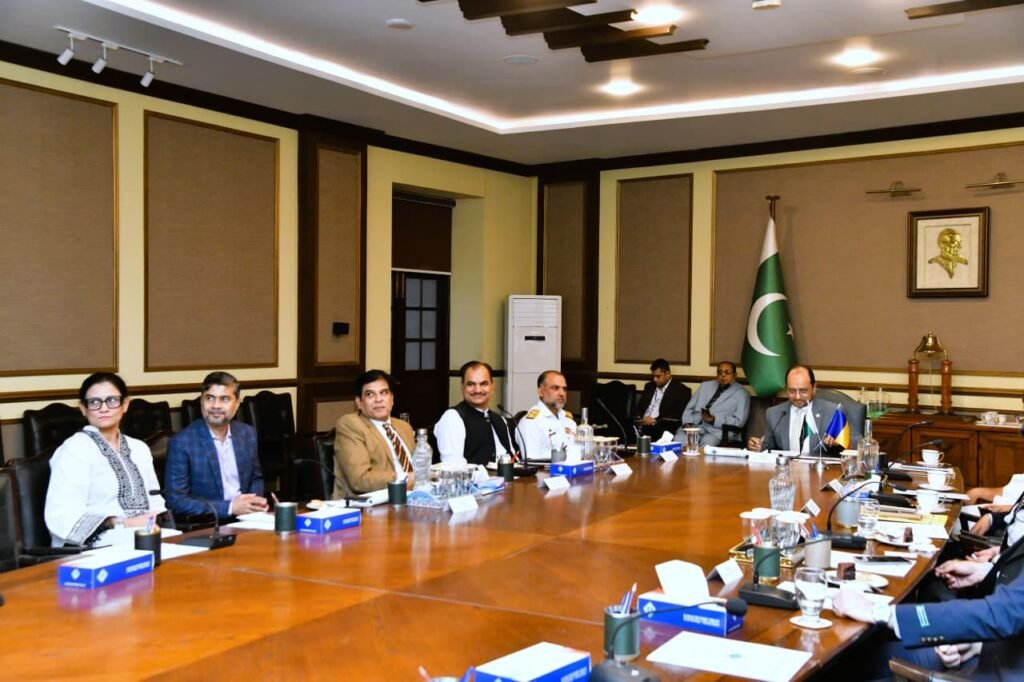
KPT Constanța MoU has marked a significant step forward in strengthening maritime cooperation between Pakistan and Romania. The agreement, signed on March 31, 2026, aims to enhance trade connectivity, promote knowledge exchange, and expand economic collaboration between two strategically important ports: Karachi Port and Romania’s Port of Constanța. The partnership reflects growing efforts by Pakistan to modernize its port infrastructure and expand international shipping routes, while Romania seeks to strengthen its role as a gateway for European trade. KPT Constanța MoU Signed to Boost Trade and Connectivity The Memorandum of Understanding was signed by Chairman Karachi Port Trust, Rear Admiral Shahid Ahmed, and General Manager of the Port of Constanța, Mihai Teodorescu. The signing ceremony was attended by senior diplomats, including the ambassadors of both countries, highlighting the diplomatic importance of the agreement. The KPT Constanța MoU outlines collaboration in multiple areas including port operations, engineering, technology transfer, financial cooperation, maritime education, and information sharing. These areas of cooperation are expected to strengthen operational efficiency and improve logistics between South Asia and Europe. This development comes at a time when global supply chains are shifting, and countries are actively seeking new trade routes and strategic partnerships to enhance resilience. Strategic Importance of Karachi and Constanța Ports Karachi Port is Pakistan’s largest and busiest seaport, handling a major share of the country’s cargo. Meanwhile, the Port of Constanța serves as one of Europe’s key maritime hubs, connecting Central and Eastern Europe to global shipping lanes. Through the KPT Constanța MoU, both ports aim to leverage their geographic advantages. Karachi acts as a gateway to South Asia, Central Asia, and the Middle East, while Constanța connects trade flows to European markets via the Black Sea and inland waterways. Chairman KPT emphasized ongoing modernization efforts at Karachi Port, including infrastructure upgrades and digital transformation initiatives. These improvements are expected to align with best international practices through cooperation with Romanian counterparts. Romanian representatives highlighted Constanța’s growing role as a logistics hub, noting its capacity to handle diverse cargo and support expanding trade networks across Europe. Economic Opportunities for Pakistan The KPT Constanța MoU is expected to create several economic opportunities for Pakistan. Enhanced maritime cooperation can lead to increased trade volumes, reduced shipping costs, and improved access to European markets. This partnership may also encourage investment in port infrastructure, logistics services, and maritime education. Training programs and technical collaboration could help Pakistani professionals gain exposure to advanced port management systems. Furthermore, improved connectivity between Karachi and Constanța may benefit exporters in sectors such as textiles, agriculture, and manufacturing. Easier access to European markets can strengthen Pakistan’s export competitiveness. Maritime Cooperation in Changing Global Trade Dynamics Global trade routes are evolving due to geopolitical shifts, supply chain disruptions, and rising demand for diversified shipping options. The KPT Constanța MoU reflects a timely response to these changes. Both sides acknowledged that closer maritime cooperation would enhance resilience in international trade. By sharing expertise and adopting modern technologies, the two ports can improve efficiency and attract new shipping lines. The agreement also promotes academic collaboration in maritime education, which could support long-term capacity building for Pakistan’s shipping and logistics sector. Strengthening Pakistan–Romania Diplomatic Relations The ceremony concluded with remarks from Romania’s ambassador, reaffirming commitment to stronger maritime cooperation with Pakistan. Diplomatic officials from both countries described the partnership as a milestone in bilateral relations. The KPT Constanța MoU not only strengthens economic ties but also deepens diplomatic engagement. Such agreements contribute to broader cooperation in trade, investment, and transportation. Future Outlook After KPT Constanța MoU Looking ahead, the implementation of the KPT Constanța MoU will focus on practical collaboration, including exchange visits, joint training programs, and technical studies. These initiatives will determine how effectively the partnership translates into tangible trade growth. As Pakistan continues to position itself as a regional trade hub, partnerships like this play a crucial role in expanding global connectivity. The collaboration between Karachi and Constanța ports signals a positive step toward enhanced maritime cooperation and stronger economic linkages between South Asia and Europe. With global trade becoming increasingly interconnected, the KPT Constanța MoU stands as a strategic move that could reshape shipping routes and open new opportunities for businesses in Pakistan.
Pakistan Ports Transshipment: Government Offers Incentives to Attract Foreign Cargo
Pakistan

Pakistan Ports Transshipment: Government Offers Incentives to Attract Foreign Cargo

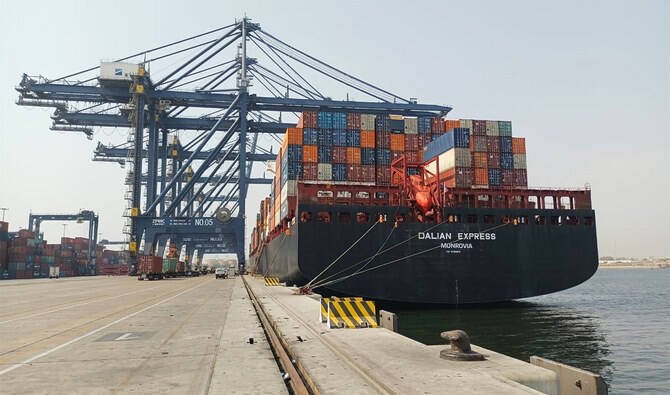
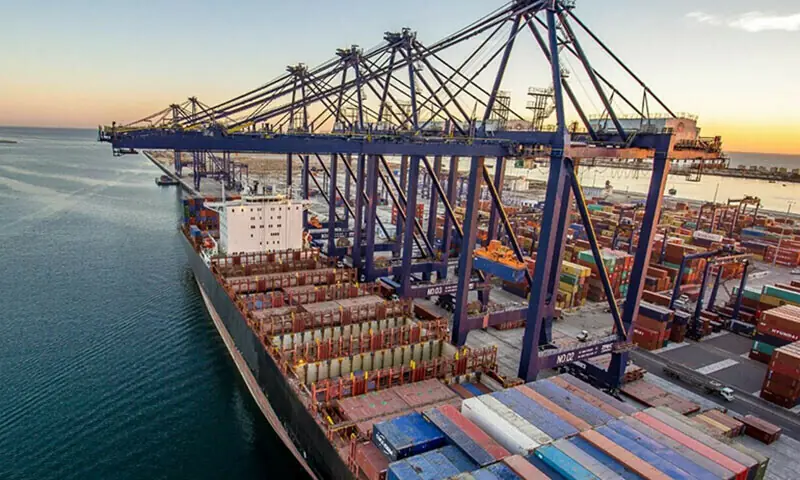
Pakistan is stepping up efforts to strengthen its maritime sector as part of a broader Pakistan Ports Transshipment strategy aimed at attracting foreign cargo and increasing trade activity. The government is introducing incentives, improving operational efficiency, and reducing costs to make Pakistani ports more competitive in the region. Read More: https://theboardroompk.com/tpl-trakker-settles-sukuk-ii-early-clears-principal-and-profit-payments-certificates-issued-in-2021-for-five-years-fully-settled-on-march-19-ahead-of-maturity-profit/ Federal Minister for Maritime Affairs Muhammad Junaid Anwar Chaudhry emphasized that evolving regional trade dynamics present a major opportunity for Pakistan. By ensuring a business-friendly environment, the country can position its ports as attractive gateways for international shipping lines and logistics operators. Fiscal Incentives Introduced to Support Pakistan Ports Transshipment To strengthen the Pakistan Ports Transshipment initiative, the government has introduced fiscal incentives for foreign-flagged transshipment vessels. These measures aim to reduce operational costs and encourage shipping lines to route cargo through Pakistani ports. The incentives include: • Up to 60% concession on port dues for ships carrying dry bulk export cargo• Reduced cost of doing business for foreign vessels• Increased port throughput and cargo handling capacity These financial relaxations are expected to help Pakistani ports compete with regional hubs that already offer attractive pricing structures. Lower costs could encourage more shipping lines to use Pakistan as a transit point for regional cargo movement. Streamlining Operations to Improve Port Efficiency The minister highlighted the importance of removing operational bottlenecks to enhance the Pakistan Ports Transshipment framework. Efforts are underway to: • Rationalise port charges• Simplify customs clearance procedures• Improve container scanning processes• Reduce delays in cargo handling These reforms aim to create a seamless environment for importers, exporters, and shipping agents. Faster turnaround times and simplified documentation can significantly improve Pakistan’s standing as a regional maritime hub. High-Level Meeting Reviews Challenges in Pakistan Ports Transshipment The developments were discussed during a high-level meeting chaired by the minister. Officials from the Ministry of Maritime Affairs, representatives from the Ministry of Commerce, Karachi Port Trust, Pakistan Customs, and National Logistics Corporation participated in the session. Representatives from the Pakistan Ships’ Agents Association also joined via video link. Participants discussed regional competition, container scanning challenges, customs clearance delays, and the management of auctionable containers. Eid Operations Highlight Port Capacity The minister appreciated the performance of Rear Admiral (retd) Shahid Ahmed, Chairman of the Karachi Port Trust, for ensuring uninterrupted operations during Eid holidays a first in the port’s 138-year history. During the three-day period: • Around 15,000 containers were handled• 22 vessels were processed• Operations continued without disruption This performance demonstrates the operational capacity of Pakistani ports and supports the broader Pakistan Ports Transshipment vision. Container Clearance and Storage Challenges Officials informed the meeting that approximately: • 1,000 containers had already been auctioned• 200 containers were under process• Nearly 3,700 containers required urgent clearance To address storage issues, 10 acres of land have been allocated for auctioned containers. Concerns were also raised about long-pending containers, some stored for up to 15 years. Stakeholders suggested setting maximum storage limits to prevent congestion and improve efficiency. Policy Clarity Needed for Pakistan Ports Transshipment The Pakistan Ships’ Agents Association stressed the need for clearer transshipment policy guidelines, particularly regarding liability for duties and taxes. Addressing these concerns will improve confidence among shipping agents and logistics companies. The minister reaffirmed the government’s commitment to resolving stakeholder issues, improving coordination, and enhancing port performance. Pakistan Ports Transshipment: A Gateway to Regional Trade Growth With fiscal incentives, operational reforms, and stronger coordination among stakeholders, the Pakistan Ports Transshipment initiative has the potential to transform the country into a regional logistics hub. Improved efficiency, competitive pricing, and streamlined processes could attract foreign cargo and boost economic activity. If implemented effectively, these measures can strengthen Pakistan’s maritime sector, create new business opportunities, and enhance the country’s role in regional trade corridors.

Marine Bunkering Services Redefined at Karachi Port
Pakistan

Marine Bunkering Services Redefined at Karachi Port

Marine Bunkering Services in Pakistan have entered a transformative phase as global energy giant Vitol launches international-standard operations through Karachi Port Trust. This historic milestone is more than just a new commercial venture it signals Pakistan’s arrival on the global maritime energy map. For decades, Pakistan’s bunkering potential remained largely untapped despite its strategic geographic location along major international shipping routes. Now, with Vitol’s entry, Karachi’s ports are stepping into a competitive global league. Marine Bunkering Services Achieve International Standards The launch of Marine Bunkering Services at Karachi Port introduces bunker barges fully compliant with global maritime assurance requirements. These vessels meet the highest international operational and safety standards, aligning Pakistan’s ports with world-class bunkering hubs. A major operational breakthrough is the ability to directly load bunker barges from Keamari Oil Terminals. Previously, fuel transport often depended on trucking logistics, limiting scale and efficiency. Direct barge loading eliminates that bottleneck, enabling faster, larger, and more reliable fuel deliveries to visiting vessels. Additionally, a transparent and structured bunker licensing regime has been introduced an essential reform that builds international market confidence and ensures regulatory clarity for global shipping lines. Global Market Confidence: Why Vitol’s Entry Matters Vitol, recognized as the world’s largest independent energy trader, brings unmatched credibility and operational expertise. Its annual supply target of 500,000 to 600,000 metric tons across Karachi Port, Port Qasim, and outer anchorage areas reflects strong confidence in Pakistan’s maritime potential. This volume positions Marine Bunkering Services as a high-impact economic activity rather than a niche port service. The move sends a powerful signal to international shipping companies: Pakistan is ready for large-scale, reliable bunkering operations under best global practices. Expanded Fuel Portfolio Strengthens Marine Bunkering Services Under this initiative, a full spectrum of marine fuels is now available to visiting vessels: • High Sulfur Fuel Oil (HSFO)• Very Low Sulfur Fuel Oil (VLSFO)• Low Sulfur Marine Gas Oil (LSMGO) This diversified fuel portfolio ensures compliance with international environmental regulations while catering to various vessel requirements. The availability of these fuel grades locally enhances Pakistan’s appeal as a cost-effective and convenient refueling destination. Economic and Operational Impact of Marine Bunkering Services The economic ripple effects of expanded Marine Bunkering Services are substantial. First, port efficiency is expected to improve significantly. Faster fuel supply reduces vessel turnaround time, making Karachi’s ports more attractive for global trade routes. Reduced waiting time directly enhances competitiveness in imports and exports. Second, domestic industrial growth stands to benefit. An estimated 40–50 percent of local refineries’ fuel oil output is projected to be utilized as bunker fuel. This shift creates a stable domestic demand channel, supporting refinery operations and strengthening the broader energy sector. In simple terms, bunkering transforms from a supporting service into a strategic economic driver. Marine Bunkering Services Expansion Plan for 2026 The momentum does not stop here. By 2026, infrastructure development will include dedicated berths and associated facilities capable of handling 70 to 100 bunker operations per month. This scale indicates a long-term strategic commitment rather than a short-term commercial experiment. Furthermore, Vitol plans to deploy an additional state-of-the-art vessel to introduce bio-bunker deliveries by the second quarter of 2026. This forward-looking move aligns Pakistan’s ports with global sustainability trends and positions Marine Bunkering Services within the evolving green shipping ecosystem. Strategic Significance: Fueling Pakistan’s Blue Economy Marine Bunkering Services are now emerging as a core maritime offering rather than a peripheral port activity. By strengthening energy security for vessels, improving trade competitiveness, and attracting international shipping lines, Pakistan is carving out its place in the regional Blue Economy. Karachi’s geographic advantage located near key global shipping lanes combined with internationally compliant bunkering infrastructure, provides a powerful growth platform. The question now is no longer whether Pakistan can compete in maritime fuel supply it’s how quickly it can scale. With Vitol’s global expertise and Karachi Port Trust’s infrastructure, Marine Bunkering Services are not just fueling ships they are fueling a new chapter in Pakistan’s maritime and economic future.

Scroll to Top