Pakistan mining sector investment

Reko Diq Project Faces Strategic Slowdown but Not a Halt
Pakistan

Reko Diq Project Faces Strategic Slowdown but Not a Halt

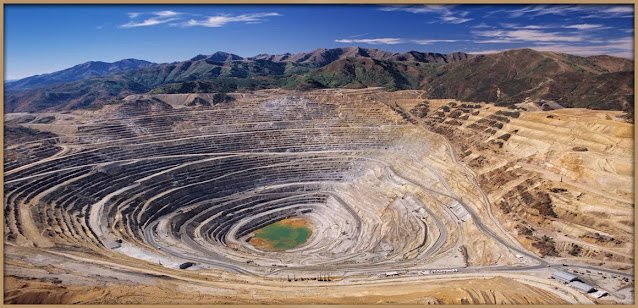
The Reko Diq Project remains a cornerstone of Pakistan’s mining ambitions, and the latest update from Barrick Mining Corporation has drawn significant attention from investors, policymakers, and the business community. The mining giant has announced a cautious slowdown in development while reaffirming its long-term confidence in the massive copper-gold deposit located in Reko Diq. The decision follows a strategic review launched in February 2026, which will now extend until mid-2027. During this period, the company plans to scale back capital spending and moderate development pace to reassess evolving security conditions and project dynamics. Why the Reko Diq Project Timeline Is Being Extended The Reko Diq Project timeline extension is primarily linked to escalating security concerns in Pakistan and the broader region. Barrick stated that a comprehensive reassessment is necessary to ensure long-term viability before committing additional capital. Rather than halting operations, the company emphasized that development will continue under active management, albeit with reduced capital allocation. Phase 1 of the project has already received approval under this revised framework. This extended review will allow Barrick to evaluate: • Changing security conditions• Capital requirements• Financing structure• Project scope adjustments• Overall timeline The move signals a strategic recalibration rather than a withdrawal, aimed at strengthening the project’s foundation. Reko Diq Project Costs May Rise Earlier projections placed Phase 1 costs between $5.6 billion and $6.0 billion, while Phase 2 was estimated at $3.3 billion to $3.6 billion. First production had initially been targeted by the end of 2028. However, Barrick has indicated that both capital budget and timeline could increase. In practical terms, this means: • The initial production date may shift beyond 2028• Total project investment could rise significantly• Financing structures may be adjusted These changes reflect global mining realities, where security considerations, inflation, and logistics often reshape large-scale projects. Long-Term Confidence in the Reko Diq Project Remains Strong Despite near-term challenges, Barrick reaffirmed that the Reko Diq Project is one of the world’s largest undeveloped copper-gold deposits and retains strong long-term value. This continued commitment is crucial for Pakistan’s economic outlook, particularly in attracting foreign direct investment. The company also highlighted that it will maintain investment in local communities and continue existing social development programs. This includes initiatives related to education, healthcare, and infrastructure in surrounding areas. Such commitments help ensure community support and sustainability a key requirement for large mining projects. Investor Perspective on the Reko Diq Project From an investor standpoint, the latest update suggests a delay rather than a cancellation. Development continues, but at a measured pace designed to manage risk. Key investor takeaways include: • The project remains active• Capital spending will be moderated• Timeline may extend• Costs could increase• Long-term viability is being prioritized This strategic pause allows Barrick and its partners to align the project with ground realities, particularly regarding security and financing. Strategic Importance for Pakistan The Reko Diq Project represents one of the largest foreign investments in Pakistan’s mining sector. Its success could: • Boost export revenues• Strengthen foreign exchange reserves• Create employment opportunities• Develop infrastructure in Balochistan• Enhance Pakistan’s mining profile globally Barrick confirmed it will continue consultations with joint venture partners and provide further updates once the review concludes. What Happens Next The company will closely monitor conditions over the next year while continuing limited development activities. A final update is expected after completion of the extended review in mid-2027. While the timeline may stretch, the long-term message remains clear: the Reko Diq Project continues to hold strategic importance, and Barrick’s sustained involvement signals confidence in Pakistan’s mineral potential.
Pakistan Australia Mining Cooperation Signals a Strategic Shift in Global Minerals Investment
World

Pakistan Australia Mining Cooperation Signals a Strategic Shift in Global Minerals Investment

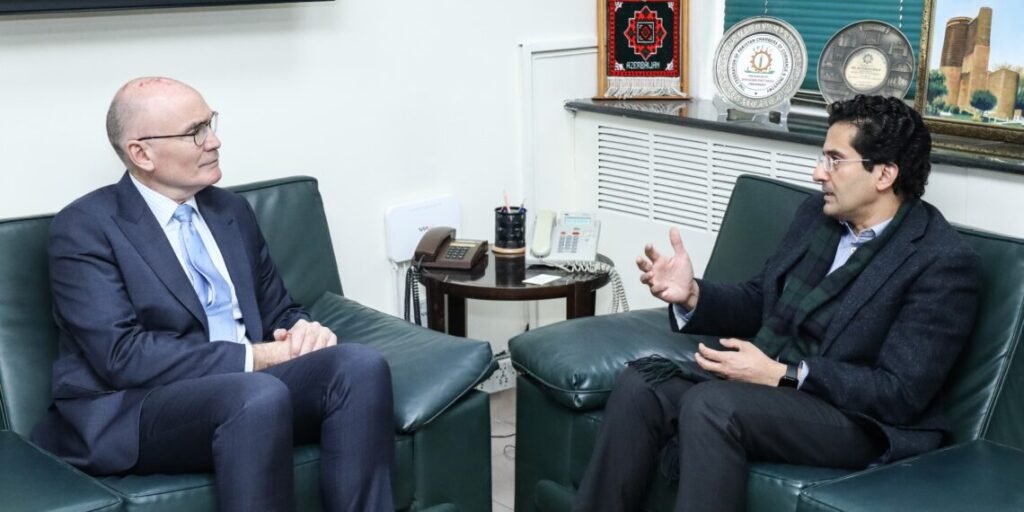
Pakistan Australia mining cooperation is emerging as one of the most closely watched developments in South Asia’s resource economy, as growing global demand for copper, gold, and critical minerals pushes international investors to explore new frontiers. In a high-level diplomatic and commercial engagement, Pakistan and Australia have opened discussions on expanding bilateral collaboration in the mining and gemstones sectors—laying the groundwork for long-term investment, technical partnerships, and structured government-to-government cooperation. The talks signal rising international confidence in Pakistan’s mineral potential, particularly as the global energy transition accelerates. Pakistan Australia Mining Cooperation and the Untapped Wealth of the Tethyan Belt During a meeting between Federal Minister for Petroleum Ali Pervaiz Malik and newly appointed Australian High Commissioner Timothy Kane, Pakistan underscored its vast yet underdeveloped mineral reserves. Central to the conversation was the Tethyan Belt, one of the world’s most promising geological zones for copper and gold. Pakistan’s mineral landscape can be understood across three strategic dimensions: First, resource scale, Pakistan hosts large, high-grade mineral deposits that remain underexplored compared to global benchmarks.Second, investment readiness, policy reforms and regulatory improvements are gradually lowering entry barriers for foreign mining firms.Third, strategic relevance, copper and gold are becoming indispensable for renewable energy infrastructure, electric vehicles, and global decarbonization goals. This combination places Pakistan firmly on the radar of Australian mining companies, many of which already operate in resource-rich but complex jurisdictions worldwide. Intergovernmental Agreement: A Game Changer for Pakistan Australia Mining Cooperation One of the most significant proposals emerging from the meeting was the suggestion of an Intergovernmental Agreement (IGA) between Pakistan and Australia. Such an agreement would provide a structured, long-term framework for cooperation, covering investment protection, technology transfer, and regulatory alignment. From a business perspective, an IGA would reduce uncertainty for investors, streamline project execution, and strengthen institutional trust factors critical for capital-intensive mining ventures that span decades rather than years. This move reflects Pakistan’s broader strategy to shift from ad-hoc investments to policy-backed, sustainable mining partnerships. Reko Diq and the Expanding Australian Footprint Australia’s presence in Pakistan’s mining sector is no longer theoretical. Australian companies are already actively involved in the Reko Diq project, one of the world’s largest undeveloped copper-gold deposits. According to the Australian High Commissioner, more firms are now exploring entry into Pakistan’s mining ecosystem. The growing interest is being channeled toward the upcoming Pakistan Minerals Investment Forum (PMIF), where Australian participation is expected to be strong. The forum is shaping up as a pivotal platform to connect global mining capital with Pakistan’s resource opportunities. Pakistan Australia Mining Cooperation in Gemstones: From Informal to Global Value Chains Beyond large-scale mining, both countries also discussed collaboration in the gemstones sector, an area where Pakistan holds enormous but underutilized potential. Currently, much of Pakistan’s gemstone trade operates informally, limiting value addition and export revenues. Formalization supported by Australian expertise could unlock multiple benefits: Knowledge sharing, technical assistance, and training programs are expected to form the backbone of this cooperation. Why Global Demand Is Driving Pakistan Australia Mining Cooperation The timing of this engagement is no coincidence. As the world pivots toward clean energy, demand for copper and gold is accelerating sharply. Copper is essential for power grids, EVs, and renewable infrastructure, while gold continues to play a strategic role in financial stability and high-tech manufacturing. Pakistan’s geology, combined with Australia’s mining expertise, creates a mutually beneficial equation one that could redefine Pakistan’s role in global mineral supply chains. A Strategic Partnership in the Making Minister Ali Pervaiz Malik welcomed Australia’s support, describing the cooperation as both timely and reassuring. He also referenced his recent participation at the International Mining and Resources Conference (IMARC) in Australia, where discussions with major and junior mining firms further strengthened momentum. As both countries reaffirm their commitment, Pakistan Australia mining cooperation appears poised to evolve from dialogue into durable partnership one that could reshape Pakistan’s mining landscape and attract sustained global investment.

Pakistan Saudi Arabia Mining Cooperation Enters a New Strategic Phase
Pakistan

Pakistan Saudi Arabia Mining Cooperation Enters a New Strategic Phase

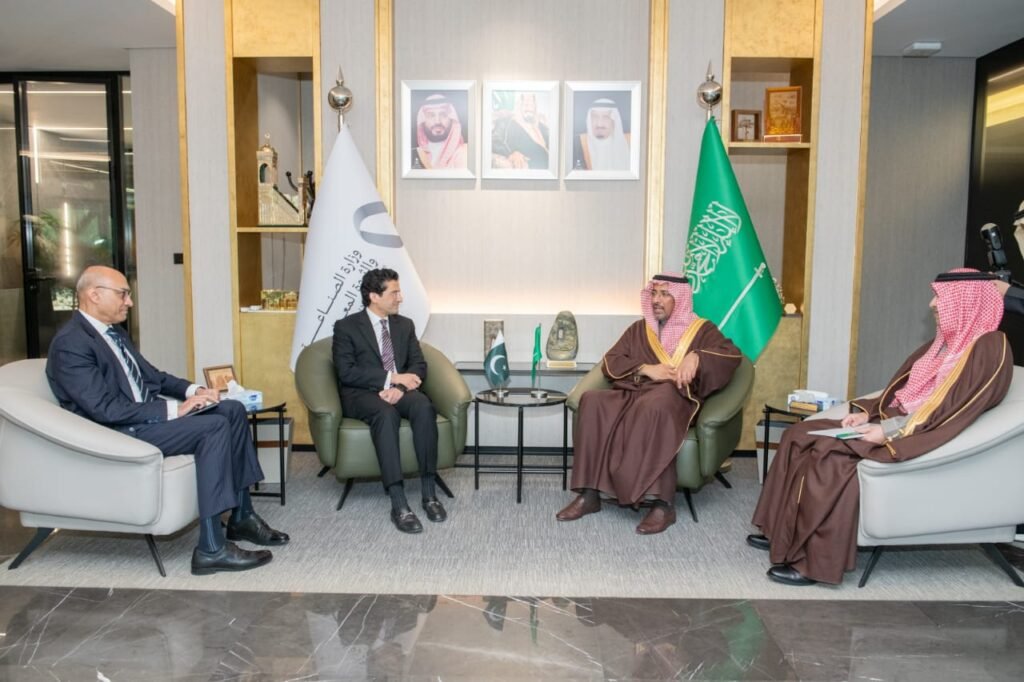
Pakistan Saudi Arabia mining cooperation has entered a decisive new phase as senior leadership from both countries held high-level discussions during the Future Minerals Forum (FMF) 2026 in Riyadh, signaling growing momentum for joint investment and collaboration in the global minerals sector. Federal Minister for Petroleum Ali Pervaiz Malik is leading a high-powered Pakistani delegation at FMF 2026, an international platform hosted by the Ministry of Industry and Mineral Resources of the Kingdom of Saudi Arabia, bringing together policymakers, investors, and mining leaders from around the world. Pakistan Saudi Arabia Mining Cooperation Highlighted in Ministerial Talks On the sidelines of FMF 2026, Federal Minister Ali Pervaiz Malik met with H.E. Bandar Ibrahim Al-Khorayef, Saudi Arabia’s Minister of Industry and Mineral Resources. The meeting focused on strengthening Pakistan Saudi Arabia mining cooperation by identifying new joint investment opportunities, expanding technical collaboration, and enhancing integration across the mineral value chain. The Saudi Minister emphasized that global attention is rapidly shifting toward mining and critical minerals, making bilateral cooperation more strategic than ever. He highlighted Pakistan’s geological diversity and affirmed Saudi Arabia’s willingness to share its technical expertise, knowledge resources, and institutional experience to support Pakistan’s mineral sector development. Pakistan’s Mineral Potential and Strategic Workforce Advantage During the discussions, Saudi officials recognized Pakistan’s young and dynamic workforce as a major competitive advantage, capable of supporting long-term mineral exploration, extraction, and processing projects. This demographic strength aligns with Saudi Arabia’s vision of building sustainable and diversified mineral supply chains across partner countries. Federal Minister Ali Pervaiz Malik reaffirmed Pakistan’s commitment to deepening Pakistan Saudi Arabia mining cooperation, describing the relationship as one built on long-standing brotherly ties and shared economic goals. Tethyan Belt and Reko Diq: Expanding the Scope of Pakistan Saudi Arabia Mining Cooperation Minister Malik highlighted the immense mineral wealth of Pakistan’s Tethyan Belt, noting that flagship projects like Reko Diq represent only a fraction of the country’s untapped potential. He also revealed ongoing efforts to establish collaboration between the Geological Survey of Pakistan and the Saudi Geological Survey, paving the way for joint exploration, data sharing, and advanced geological research. Beyond mining, the Minister identified fertilizer manufacturing and medical equipment production as high-potential sectors for joint ventures under the broader Pakistan Saudi Arabia mining cooperation framework. Strong Public–Private Representation Strengthens Pakistan’s Presence Pakistan’s delegation at FMF 2026 includes senior policymakers, heads of state-owned enterprises, private sector leaders, and prominent mining stakeholders. Key participants include Pakistan Petroleum Limited (PPL), OGDCL, Mari Energies, GHPL, FWO, PMDC, Saindak Metals, and mineral companies from Balochistan, alongside specialized mining service providers. This diverse representation reflects Pakistan’s integrated public–private approach to attracting foreign investment and developing a globally competitive minerals industry. Pakistan Pavilion Showcases Mineral Vision at FMF 2026 Pakistan’s participation at FMF 2026 is being organized by PPL in collaboration with the Ministry of Energy (Petroleum Division). Under the theme “Mineral Marvel – Unleashing Pakistan’s Mineral Revolution,” the Pakistan Pavilion highlights the country’s rich geology, flagship mining projects, and investor-friendly opportunities. Saudi Arabia’s Ambassador to Pakistan, H.E. Nawaf bin Saeed Ahmad Al-Malkiy, welcomed the delegation and reaffirmed full diplomatic support, praising the leadership of Prime Minister Muhammad Shehbaz Sharif and Federal Minister Ali Pervaiz Malik. During his visit, H.E. Bandar Ibrahim Al-Khorayef commended the Pavilion’s distinctive design and strong visual storytelling, calling it an effective representation of Pakistan’s mineral ambitions. Outlook: Pakistan Saudi Arabia Mining Cooperation Gains Global Relevance As global demand for critical minerals accelerates, Pakistan Saudi Arabia mining cooperation is emerging as a strategically important partnership with long-term economic and geopolitical significance. FMF 2026 has positioned both nations to move from dialogue to execution—unlocking investments, transferring knowledge, and jointly shaping the future of the regional minerals economy.

Scroll to Top