Iran US ceasefire

Oil Prices Surge as Hormuz Crisis Deepens, Could Global Markets Face a $190 Shock?
Editor pick, World

Oil Prices Surge as Hormuz Crisis Deepens, Could Global Markets Face a $190 Shock?

Global oil markets witnessed renewed volatility on Friday as prices climbed amid escalating concerns over supply disruptions linked to Saudi Arabia and severely restricted tanker traffic through the strategic Strait of Hormuz. Read More: https://theboardroompk.com/pakistan-oil-gas-sector-reports-three-discoveries-in-march-2026-amid-isreal-us-war-on-iran/ Despite the upward movement, both major oil benchmarks remained on track for a weekly loss. Market sentiment stayed mixed as traders weighed supply fears against cautious optimism surrounding a fragile ceasefire between the United States and Iran. Oil Prices Edge Higher Amid Supply Anxiety Brent crude futures rose by 58 cents, or 0.60%, reaching $96.50 per barrel in early trading hours. Meanwhile, West Texas Intermediate (WTI) crude gained 49 cents, or 0.50%, to trade at $98.36 per barrel. However, both benchmarks have recorded an 11% decline so far this week. This marks the steepest weekly drop since June 2025. Analysts attribute the decline to temporary easing of geopolitical tensions following a two-week ceasefire announcement. Still, uncertainty remains high. Market participants continue to monitor developments closely, especially disruptions affecting oil supply chains. Saudi Oil Infrastructure Hit by Attacks Fresh concerns emerged after reports confirmed attacks on Saudi energy infrastructure. According to official sources cited by the Saudi state news agency, the strikes have significantly impacted production capacity. The attacks reduced Saudi Arabia’s oil output by approximately 600,000 barrels per day. In addition, throughput on the East-West Pipeline dropped by around 700,000 barrels per day. These disruptions have intensified fears of a prolonged supply crunch. Analysts at ANZ noted that initial market relief has faded quickly as underlying risks resurface. Energy markets remain sensitive to any further escalation. Even minor disruptions could trigger sharp price swings in the coming days. Hormuz Traffic Remains Critically Low Shipping activity through the Strait of Hormuz remains severely restricted. Tanker traffic has fallen to less than 10% of normal levels despite the ceasefire agreement. Iran has maintained tight control over the waterway. Authorities have warned vessels to remain within designated territorial routes, further limiting movement. The Strait of Hormuz serves as a vital corridor for global oil and gas flows. Any disruption here has immediate global consequences. Market analysts are closely tracking tanker movements. According to IG analyst Tony Sycamore, traders are waiting for signs of increased activity as a signal of easing tensions. However, current conditions suggest otherwise. The continued slowdown in shipping has kept supply concerns alive. Ceasefire Fails to Calm Market Fears Although Iran and the United States agreed to a two-week ceasefire earlier this week, fighting has reportedly continued in some areas. This has raised doubts about the durability of the truce. The conflict, which began on February 28 following airstrikes involving the United States and Israel, has already caused widespread damage. Around 50 infrastructure sites across the Gulf region have been hit by drone and missile attacks. Additionally, nearly 2.4 million barrels per day of refining capacity remain offline, according to industry estimates. These factors continue to weigh heavily on market sentiment. Traders remain cautious, unwilling to fully trust the ceasefire. Pakistan Talks in Focus as Diplomatic Efforts Intensify Attention is now shifting to Pakistan, where high-level talks between Iran and the United States are taking place. Islamabad is hosting negotiations aimed at transforming the fragile ceasefire into a lasting peace agreement. Analysts believe Pakistan will push for de-escalation. However, some question whether it holds enough leverage to secure reopening of the Strait of Hormuz. Iran has reportedly proposed charging transit fees for ships passing through the strait under any future agreement. This idea has faced resistance from Western leaders and international organisations. The outcome of these talks could play a decisive role in shaping oil market trends. A breakthrough may restore shipping flows and stabilise prices. Oil Could Hit $190 if Crisis Persists Experts warn that oil prices could surge dramatically if disruptions continue. John Paisie, president of Stratas Advisors, stated that Brent crude could reach as high as $190 per barrel under current conditions. Such a spike would have severe global consequences. Higher energy costs could drive inflation, slow economic growth, and strain economies already facing challenges. On the other hand, any improvement in shipping flows could moderate prices. Even then, analysts expect oil to remain above pre-war levels for the foreseeable future. Global Markets Brace for Uncertainty The ongoing crisis has placed global markets on edge. Investors are closely watching geopolitical developments, particularly in the Middle East. Energy security has once again become a top concern. Governments and industries are evaluating contingency plans to manage potential shortages. While diplomatic efforts offer hope, risks remain significant. The coming days will be crucial in determining whether tensions ease or escalate further. For now, oil markets remain caught between fragile peace and persistent uncertainty.
Ishaq Dar Announces Visa on Arrival as US-Iran Delegations Land for Historic Negotiations
Editor pick, Pakistan

Ishaq Dar Announces Visa on Arrival as US-Iran Delegations Land for Historic Negotiations

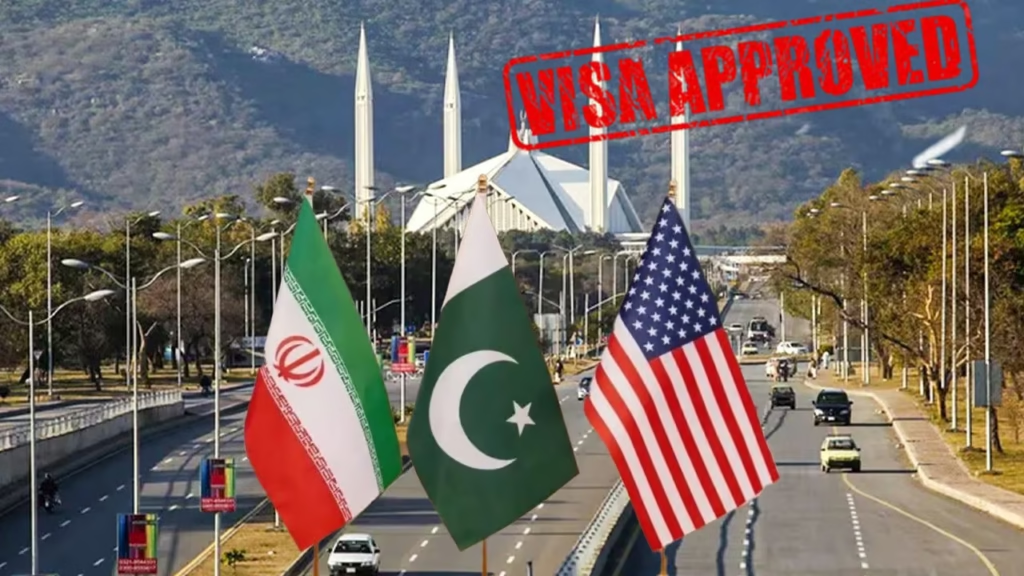
Pakistan has opened its doors to global diplomacy as Ishaq Dar announced visa-on-arrival facilities for delegates attending the highly anticipated “Islamabad Talks 2026,” a summit that could reshape geopolitical dynamics after a deadly conflict between United States and Iran. Read More: https://theboardroompk.com/pakistan-oil-gas-sector-reports-three-discoveries-in-march-2026-amid-isreal-us-war-on-iran/ In a statement shared on X, Ishaq Dar said Pakistan would facilitate all participants, including journalists and official representatives. He directed airlines to allow boarding without prior visas, assuring that immigration authorities in Pakistan would issue visas upon arrival. This move reflects Islamabad’s intent to position itself as a welcoming and neutral platform for high-stakes diplomacy at a critical global moment. Pakistan Opens Doors for Global Diplomacy The Islamabad Talks 2026 have already drawn significant international attention. Pakistan’s decision to ease entry requirements aims to ensure smooth participation from all stakeholders. Officials say the initiative highlights Pakistan’s proactive diplomatic approach. It also signals confidence in hosting one of the most consequential negotiations in recent history. By simplifying travel procedures, Islamabad is sending a strong message. The country wants dialogue to take precedence over bureaucracy. Analysts believe such facilitation could improve Pakistan’s global image as a peace broker. Moreover, the inclusion of journalists indicates a commitment to transparency. It allows global audiences to closely follow developments as they unfold. High-Level Delegations Arrive in Islamabad The talks come just days after a fragile ceasefire ended a six-week war between the United States and Iran. The conflict left thousands dead and triggered fears of a global economic slowdown. The American delegation is led by Vice President JD Vance. He is accompanied by key envoys including Steve Witkoff and Jared Kushner, both closely linked to former President Donald Trump. On the Iranian side, Parliamentary Speaker Mohammad Bagher Ghalibaf is heading the delegation. He is joined by Foreign Minister Abbas Araghchi and other senior officials. The presence of such high-ranking figures underscores the urgency of the talks. It also reflects the high stakes involved in securing lasting peace. Ceasefire on Edge as Talks Begin The Islamabad dialogue aims to convert a fragile ceasefire into a durable agreement. The truce, achieved after intense diplomatic efforts, remains vulnerable. Tensions across the Middle East continue to simmer. Any misstep could reignite hostilities, analysts warn. Global markets are also reacting cautiously. The six-week war disrupted oil supplies and raised fears of inflation and recession. Therefore, the outcome of these talks carries significant economic implications. Diplomats hope Islamabad can provide neutral ground for constructive engagement. Pakistan’s balanced relations with both countries may help bridge longstanding divides. Capital Under Tight Security Lockdown Authorities have imposed unprecedented security measures across Islamabad ahead of the talks. Key roads have been sealed, and security personnel deployed in large numbers. Surveillance systems have been enhanced to ensure maximum protection for visiting dignitaries. Officials confirmed that the negotiations will take place at a secure, undisclosed location. The lockdown has visibly reduced movement in the capital. Residents have been advised to avoid unnecessary travel during the summit. Security officials say these steps are necessary. They aim to prevent any disruption and ensure the talks proceed without incident. Global Stakes and Expectations The Islamabad Talks 2026 are widely seen as a critical test of diplomacy. World leaders and policymakers are closely monitoring developments. A successful outcome could stabilise the Middle East and ease global economic pressures. It may also lead to the lifting of sanctions on Iran, opening new trade opportunities. For Pakistan, the stakes are equally high. Hosting such a major diplomatic event enhances its international standing. It positions the country as a credible mediator in global conflicts. However, failure could prolong uncertainty. It may deepen divisions and delay economic recovery worldwide. Despite the risks, optimism persists. The ceasefire has created an opportunity for dialogue. Now, all eyes are on Islamabad to see whether that opportunity can turn into lasting peace.

French PM Macron lauds Pakistan’s role in Iran-US ceasefire
World

French PM Macron lauds Pakistan’s role in Iran-US ceasefire

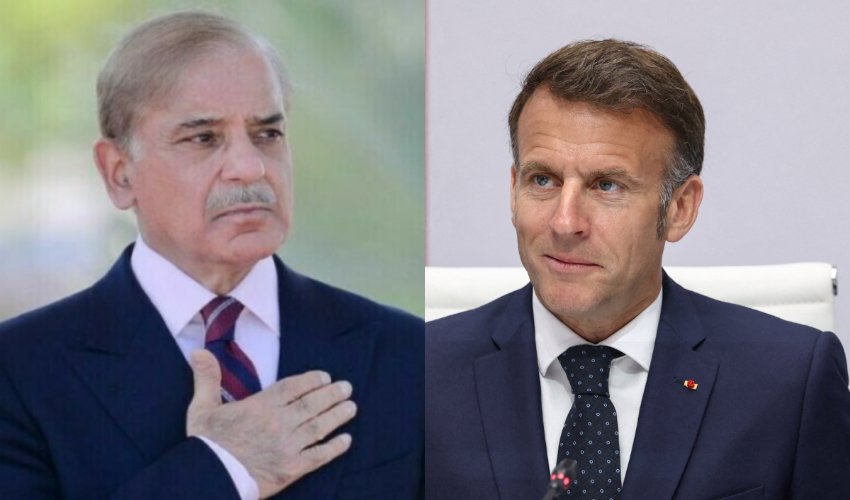
ISLAMABAD Prime Minister Shehbaz Sharif on Thursday received a telephone call from Emmanuel Macron, during which the French leader praised Pakistan’s diplomatic role in facilitating a ceasefire between Iran and the United States. Read More: https://theboardroompk.com/pia-fleet-to-expand-to-60-aircraft-says-arif-habib/ The two leaders held a warm and cordial conversation, focusing on regional peace efforts and ongoing geopolitical developments. President Macron congratulated the prime minister on Pakistan’s mediation that helped bring both sides to the negotiating table and expressed hope for successful peace talks scheduled in Islamabad. Recognition of diplomatic efforts Prime Minister Shehbaz Sharif thanked President Macron for acknowledging Pakistan’s role and reiterated Islamabad’s commitment to promoting dialogue and stability in the region. He emphasized that Pakistan would continue to play a constructive role in reducing tensions and fostering peaceful resolutions to conflicts through diplomatic engagement. The call reflects growing international recognition of Pakistan’s efforts to de-escalate tensions at a time of heightened uncertainty in global geopolitics. Concern over Lebanon situation The discussion also covered the ongoing crisis in Lebanon, with both leaders expressing serious concern over continued violence and loss of life. They stressed the urgent need for an immediate end to hostilities and called for efforts to restore peace and stability across the region. The leaders agreed to remain in close contact and continue consultations on key regional and international developments. The exchange underscores Pakistan’s evolving diplomatic outreach and its efforts to position itself as a mediator in complex global conflicts.

Scroll to Top