
KARACHI:
A sharp increase in global palm oil prices, combined with a surge in fuel and electricity costs, is intensifying inflationary pressures in Pakistan, raising concerns over the country’s external account and cost-of-living outlook.
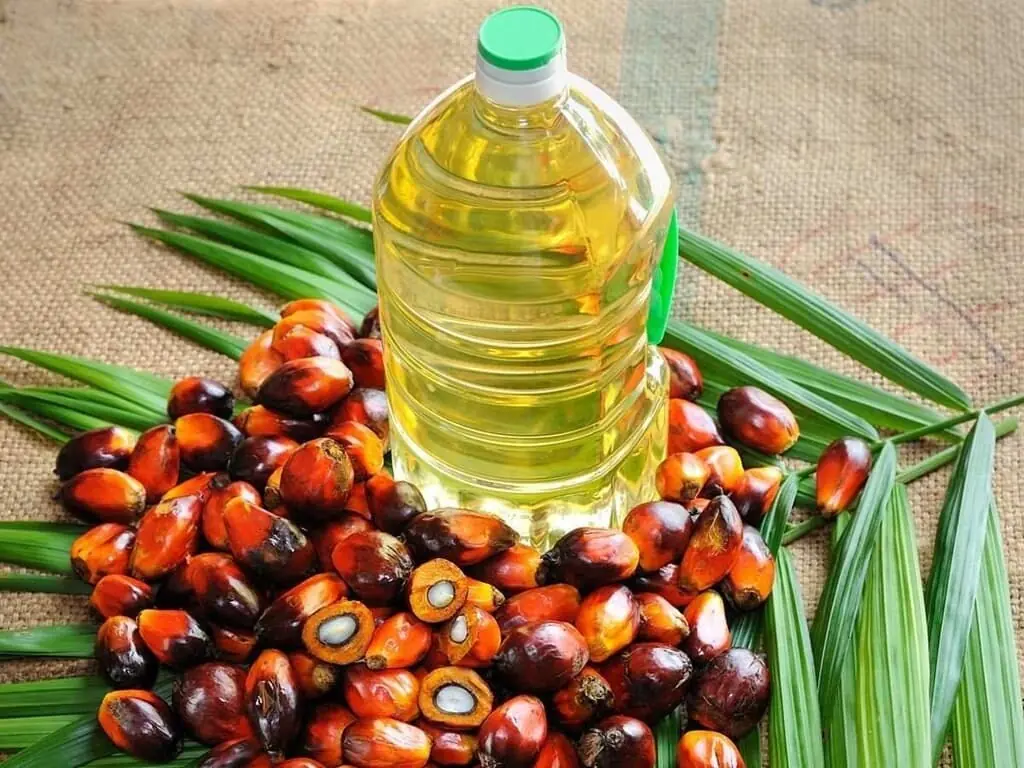
Palm oil prices have risen by 23% calendar year-to-date (CYTD), reaching around $1,200 per ton, significantly increasing the cost of edible oil imports. Pakistan, which imported approximately $3.4 billion worth of palm oil in FY25—accounting for 44% of its food imports—remains highly vulnerable to such global price shocks.
Energy Costs Driving Inflation Surge
Recent official data indicates that inflationary pressures are being driven primarily by energy-related costs rather than food alone.
The Consumer Price Index (CPI) rose by 1.18% month-on-month in March 2026, while annual inflation stood at 7.30%, reflecting a steady uptick in prices across key sectors .
A major contributor to this increase was the sharp rise in fuel prices, with motor fuel costs jumping by over 18% during the month. This surge significantly increased transportation and logistics costs, which are now feeding into broader price levels.
According to a research report, fuel prices surged nearly 25% month-on-month, contributing approximately 65% to the overall inflation increase. The transport index alone is estimated to have risen sharply, reflecting the widespread impact of higher energy costs .
Electricity tariffs also recorded an increase, with fuel cost adjustments pushing power prices higher, further burdening households and businesses alike.
Food Prices Face Delayed Impact
While food inflation remained relatively stable in March, underlying risks are beginning to build due to rising import costs and energy spillovers.
Data suggests that food prices were largely contained during the month due to temporary supply conditions, including improved availability of certain agricultural commodities. However, this trend may not hold in the coming months.
Analysts warn that rising fuel and transportation costs will eventually translate into higher food prices, particularly for essential items such as wheat products, meat, and edible oils.
The surge in palm oil prices is particularly critical given its central role in Pakistan’s food consumption. Higher global prices are expected to increase production costs for ghee and cooking oil manufacturers, leading to higher retail prices.
Structural Vulnerabilities Exposed
Pakistan’s heavy reliance on imported edible oil continues to expose the economy to global commodity price volatility.
With limited domestic production of oilseeds, the country remains dependent on international markets, making it difficult to shield consumers from price shocks.
At the same time, rising energy prices are compounding the problem, increasing input costs across industries and weakening purchasing power.
Economists note that continued government absorption of fuel price shocks may ease short-term inflation but could strain fiscal balances and external accounts.
Outlook: Inflation May Climb Further
Looking ahead, inflationary pressures are expected to intensify as global commodity markets remain volatile and geopolitical tensions persist.
Projections suggest that inflation could move into double-digit territory in the coming months, driven by energy price increases, exchange rate pressures, and lagged pass-through effects across sectors .
Without structural reforms—such as promoting local oilseed production, improving energy efficiency, and diversifying imports—Pakistan may continue to face recurring inflation shocks.
For consumers, this signals continued pressure on household budgets, particularly as essential food and energy costs remain elevated.