
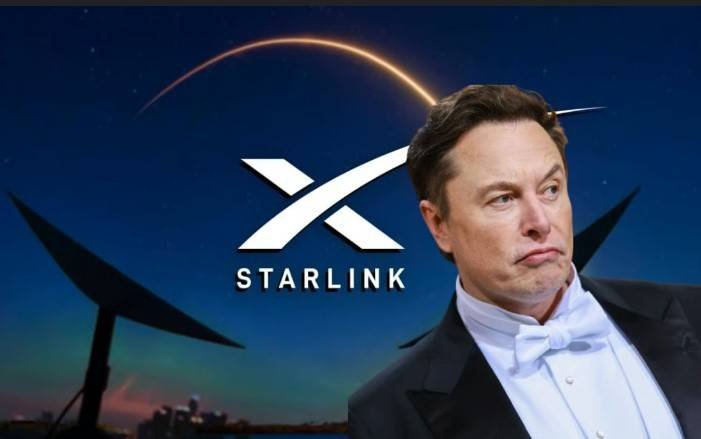
Iran’s violent suppression of anti-government protests, which has reportedly claimed thousands of lives in recent days, is presenting one of the most significant challenges yet to Elon Musk’s Starlink satellite network.
Amid near-total state-imposed internet blackouts since early January 2026, SpaceX made Starlink free for users in Iran this week to enable communications and allow protesters to share videos and images of the crackdown.
However, Iranian authorities have countered aggressively with satellite jammers, GPS spoofing, and enforcement measures, turning the situation into a high-stakes test of Starlink’s resilience against a determined regime.
Activists and analysts view this as a pivotal moment for space-based internet in repressive environments, with U.S. military and investors closely watching outcomes.
Starlink as a Lifeline Amid Blackouts Protesters have relied on smuggled Starlink terminals—estimated in the tens of thousands—to bypass government shutdowns and document atrocities, including footage of killings and injuries verified by groups like Amnesty International.
Researcher Raha Bahreini noted that nearly all such videos likely originated from Starlink users. SpaceX’s free access decision, following similar moves in past crises like Ukraine, has amplified its role as a tool for information flow. Nonprofits such as Holistic Resilience have assisted in delivering terminals and monitoring disruptions, highlighting Starlink’s low-Earth orbit constellation (around 10,000 satellites) as harder to fully disable than traditional systems.
Iranian Countermeasures and Geopolitical Stakes Iran has deployed jammers to block signals and fake GPS transmissions to confuse terminals, severely slowing connections and limiting functionality to basic text while hindering video uploads, according to cyber investigators like Nariman Gharib.
Authorities have banned Starlink post a June 2025 Iran-Israel conflict, imposed harsh penalties, conducted seizures, and appealed to the UN’s ITU to force blocks. Former Pentagon official John Plumb observed this as an early chapter in space communications history where regimes may lose the ability to fully silence dissent.
For Musk and SpaceX—facing a potential 2026 IPO—the episode underscores Starlink’s geopolitical weight, investor appeal, and risks in conflict zones, while testing engineering countermeasures against electronic warfare tactics.