
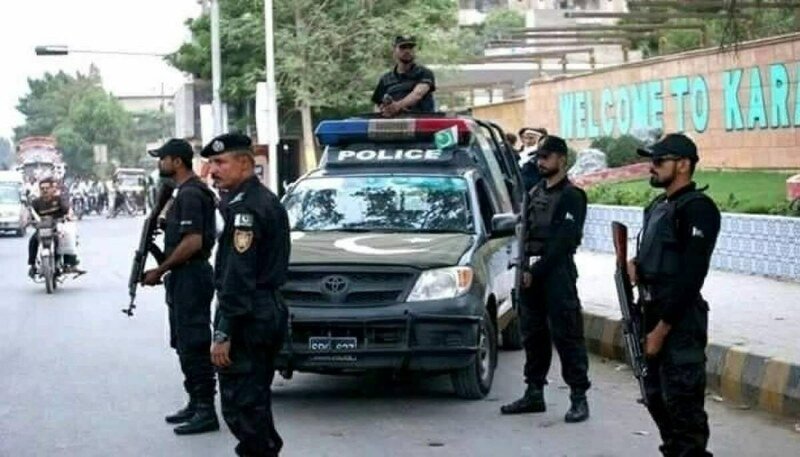
Karachi police have introduced stricter security requirements for non-CPEC projects operating in Malir, particularly those involving Chinese nationals and other foreign personnel.
The new measures reflect growing concerns over the security arrangements at foreign-linked industrial and infrastructure projects and place additional responsibilities on project operators to strengthen protection and coordination with law enforcement.
Stricter Security Measures for Foreign-Linked Projects
The directives, issued by Sub Divisional Police Officer Sukhan Ghulam Ahmed Sheikh on June 8, require projects to revise their existing security arrangements.
Private security guards are to be replaced with ex-servicemen equipped with advanced weapons. Security personnel will also be required to carry walkie-talkies, while the use of mobile phones during duty hours has been prohibited.
The authorities have also instructed project management to nominate a focal person who will remain responsible for coordination with the police and other law-enforcement agencies.
Tighter Restrictions on Movement of Chinese Nationals
Movement of Chinese nationals and other foreign personnel connected with the projects will now require at least eight hours’ advance notification to designated officials, including the China Desk and relevant police stations.
Foreign nationals must travel in bulletproof vehicles accompanied by a Special Protection Unit squad.
The directives further prohibit late-night movement and require personnel to follow approved travel routes without deviation.
Projects Face Tougher Site Security Requirements
The new protocols also establish specific physical security standards for project sites.
These include the installation of vehicle scanners at entry and exit points, construction of boundary walls measuring 12 feet and topped with barbed wire, and installation of CCTV cameras with a minimum resolution of five megapixels.
The CCTV systems must maintain recordings for at least 30 days, allowing authorities to review footage when required.
Project operators have also been instructed to comply with the revised standard operating procedures issued in September 2024.
Security Concerns Could Affect Investor Confidence
The tighter requirements highlight the security challenges facing foreign-linked businesses operating outside the formal China-Pakistan Economic Corridor framework.
According to the concerns outlined in the source material, persistent security risks can influence how international investors assess Pakistan as a destination for long-term industrial investment.
Foreign companies may also face difficulties bringing technical experts and personnel to project sites when travel advisories or security restrictions are in place.
Security Challenges Could Weigh on Export Growth
Security concerns can extend beyond investment decisions and affect Pakistan’s export ambitions.
International buyers may be cautious about relying on supply chains where security risks could potentially disrupt manufacturing, transportation or shipments.
For export-oriented projects, this can become particularly important because industrial investments generally require sustained operations and long-term participation from international partners.
Reliable Security Remains Critical for Industrial Investment
The latest measures demonstrate the importance of maintaining a secure operating environment for foreign-linked projects in Karachi.
While stronger security protocols can provide additional protection, the broader challenge is to create conditions in which international companies can operate with confidence over the long term.
A sustained improvement in the security environment would help support investor confidence, facilitate foreign technical participation and strengthen Pakistan’s prospects for attracting export-oriented industrial investment.