
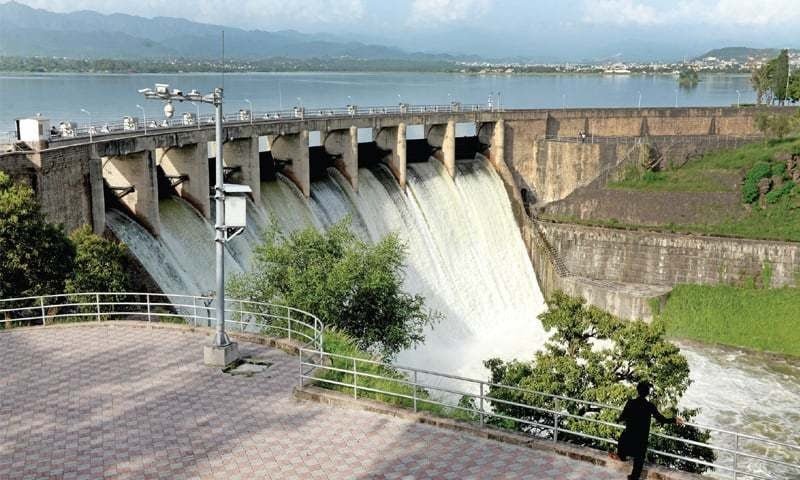
Pakistan’s energy sector received a significant boost as hydel power generation surged to 5,000 megawatts during peak hours, offering temporary relief to the national grid and reducing load shedding in several regions.
According to the Power Division, the increase in electricity output from hydropower sources began on April 17, 2026. Officials confirmed that improved water releases from dams, aligned with provincial demands, played a key role in enhancing generation capacity.
Improved Water Flow Drives Power Output
Authorities reported that higher water discharge levels enabled hydel power generation to reach 5,000MW during peak night hours. This surge significantly supported the power system at a time when energy demand remains high.
Officials explained that hydropower remains one of the most cost-effective and reliable energy sources in Pakistan. Therefore, any increase in water availability directly strengthens electricity supply.
In addition, the grid received an extra 400MW of electricity from the southern region. This contribution further stabilized the system and ensured smoother transmission to the central parts of the country.
Load Shedding Reduced in Key Areas
The rise in hydel power generation helped authorities minimize load shedding across multiple distribution companies. Notably, no load management was carried out during peak night hours on April 17, 18, and 19.
However, on April 20, the situation slightly changed. Most distribution companies implemented limited load shedding of around one hour during nighttime.
Exceptions included Gujranwala Electric Power Company and Sukkur Electric Power Company, where consumers faced up to two hours of load management during peak periods.
Despite these minor disruptions, the overall improvement in supply reflects the positive impact of increased hydropower output.
LNG Shortage Continues to Affect Supply
While hydel power generation has improved, challenges persist in other segments of the energy sector. The Power Division revealed that LNG-based power plants with a total capacity of 5,500MW remain inactive due to fuel shortages.
These plants are expected to resume operations once liquefied natural gas supplies are restored. Until then, the system relies heavily on alternative sources, including hydropower and indigenous gas.
Currently, around 500MW of electricity is being generated from the Balloki Power Plant using local gas resources. This contribution, though limited, helps maintain supply stability.
Policy-Driven Load Shedding to Continue
Officials clarified that certain types of load shedding will continue despite improvements in hydel power generation. Specifically, load management linked to electricity theft and system losses remains in effect.
The Power Division stated that this form of load shedding is policy-driven and separate from peak demand management. Authorities will continue to enforce it across distribution companies to control losses and improve recovery rates.
This means that even after LNG supplies return and overall generation improves, some areas may still experience outages based on performance metrics.
Debate Over Revenue-Based Load Shedding
The issue of load shedding has also sparked a policy debate at the national level. Minister for Power Sardar Awais Ahmad Khan Leghari recently defended revenue-based load shedding during a press conference.
He argued that the practice helps manage financial losses in the power sector. According to him, eliminating it could increase circular debt by nearly Rs400 billion.
However, the National Electric Power Regulatory Authority has declared revenue-based load shedding illegal. The regulator has imposed penalties on distribution companies, including K-Electric, for implementing such measures.
Adding to the controversy, the Ministry of Law and Justice has termed the practice a violation of fundamental rights. This has intensified the debate over balancing financial sustainability with consumer protection.
Temporary Relief, Long-Term Challenges Remain
The recent surge in hydel power generation has provided much-needed relief to consumers. Reduced load shedding during peak hours has improved daily life for households and businesses alike.
However, experts warn that this improvement may be temporary. Hydropower generation depends heavily on water availability, which fluctuates due to seasonal changes and climate conditions.
At the same time, unresolved issues such as fuel shortages, circular debt, and system inefficiencies continue to challenge Pakistan’s energy sector.
Way Forward for Energy Stability
Analysts suggest that Pakistan must diversify its energy mix to reduce reliance on any single source. Investments in renewable energy, improved infrastructure, and better governance can help ensure long-term stability.
While hydel power generation remains a vital component of the energy system, a balanced approach is necessary to meet growing demand and avoid future crises.
For now, the increase in hydropower output offers a temporary reprieve. However, sustainable solutions will require coordinated efforts across all sectors of the energy economy.