World

27th Constitutional Amendment elevates security safeguards for CPEC projects: Chinese Scholar
World

27th Constitutional Amendment elevates security safeguards for CPEC projects: Chinese Scholar

BEIJING: Pakistan’s 27th Constitutional Amendment, which elevates security safeguards for key cooperative projects to a constitutional level, stands as a landmark measure in protecting Chinese investments—especially those under the China-Pakistan Economic Corridor (CPEC), the flagship project of the Belt and Road Initiative (BRI). This legislative move not only addresses long-standing coordination bottlenecks between Pakistan’s federal and provincial authorities but also reinforces the strategic bedrock of China-Pakistan all-weather strategic cooperative partnership, APP reported. These views were expressed by Prof. Cheng Xizhong, Senior Research Fellow at the Charhar Institute, a non-governmental Chinese think-tank on diplomacy and international studies based in Beijing. He said that the core value of this amendment lies in its systematic optimization of security governance. Prior to its enactment, overlapping command structures among Pakistan’s military, police and provincial security forces often led to bureaucratic delays in responding to security threats. The amendment abolishes these redundant mechanisms and establishes a unified security command system, ensuring swift and coordinated responses. For Chinese investors, this institutional overhaul has delivered immediate and tangible benefits. The Karachi-Lahore Motorway expansion project, once hindered by prolonged security assessment procedures, recently obtained approval within just three months, with construction progressing 30% ahead of the original schedule. Similarly, the Gwadar Port Free Trade Zone, a vital node of CPEC, has accelerated its expansion plan, with three new industrial parks under construction to accommodate Chinese enterprises in logistics and manufacturing, he added. Prof Cheng said that more importantly, the amendment explicitly designates CPEC as a “national top priority,” legally binding all government agencies to prioritize project implementation—greatly consolidating investor confidence. Beyond safeguarding existing projects, the amendment’s essence—linking national stability with cooperative security—sets a pioneering precedent. As Chinese investment in Pakistan expands into emerging sectors like high-tech industrial parks and textile processing zones, this security framework provides a reliable guarantee for new collaborations. It also serves as a valuable model for Belt and Road cooperation globally, proving that targeted institutional innovation can effectively mitigate cross-border investment risks and enhance the sustainability of international cooperation, he added.

Crypto Market Extends Retreat as Bitcoin Plunges Below $86,000
World

Crypto Market Extends Retreat as Bitcoin Plunges Below $86,000

The cryptocurrency market deepened its month-long slide during Asian trading Friday, with bitcoin tumbling as much as 2.1% to below $86,000 for the first time since April amid evaporating momentum and risk-off sentiment.Bitcoin traded at $85,350.75 at one point, down from recent highs, while ether dropped over 2% to $2,777.39, its lowest in four months. The broader sell-off mirrors weakness in tech stocks, fueled by concerns over elevated valuations and fading hopes for aggressive Federal Reserve easing.U.S. spot bitcoin ETFs saw billions in outflows this month, exacerbating the decline. Whales following four-year cycle patterns are selling heavily, thinning liquidity.Total crypto market cap has shed over $1 trillion recently. Volatility remains elevated as macro factors dominate. Fundstrat’s Sean Farrell calls current levels a “potential value zone” for buyers, with oversold signals flashing.Analysts warn of further downside if panic intensifies, but a rebound could target prior supports. Institutional interest persists long-term despite short-term pain.

IMF Says Pakistan Could Unlock 6.5% GDP Boost by Tackling Corruption and Governance Issues
World

IMF Says Pakistan Could Unlock 6.5% GDP Boost by Tackling Corruption and Governance Issues

KARACHI – The International Monetary Fund (IMF) has revealed that Pakistan could achieve an additional 5-6.5% growth in its gross domestic product (GDP) over the next five years if it effectively addresses entrenched corruption and governance shortcomings, according to a newly released diagnostic report.The joint IMF-World Bank assessment, uploaded by Pakistan’s Finance Ministry, provides the most comprehensive analysis in recent years of how fragmented regulations, non-transparent budgeting, and political influence are deterring investment and undermining revenue collection. The report serves as a reform benchmark under Pakistan’s ongoing $7 billion IMF Extended Fund Facility programme.Key recommendations include overhauling the complex and distortionary tax system plagued by excessive exemptions and arbitrary statutory orders, restructuring the Federal Board of Revenue (FBR) with stronger internal controls and audits, and curbing reliance on supplementary grants that evade parliamentary scrutiny.The IMF also highlighted severe governance risks in state-owned enterprises, which control assets worth nearly half of Pakistan’s nominal GDP, citing political interference, opaque procurement practices, and weak oversight. Despite progress in exiting the FATF grey list in 2022, challenges persist in securing convictions for corruption-related money laundering. Additionally, judicial delays, case backlogs, and inconsistent rulings hamper contract enforcement. The Fund called for greater transparency regarding the Special Investment Facilitation Council (SIFC), established in 2023 to streamline investments.Pakistan aims for 4.2% growth this fiscal year and claims to be advancing digitisation of tax administration and state firm restructuring. However, the report underscores the urgent need for deeper structural reforms amid politically sensitive changes, including the recent 27th constitutional amendment. The Finance Ministry offered no official comment on the findings, while the IMF declined to respond to queries.

US Congress Report Praises Pakistan’s ‘Military Success’ Against India, Credits Chinese Weapons
World

US Congress Report Praises Pakistan’s ‘Military Success’ Against India, Credits Chinese Weapons

ISLAMABAD: A newly released report by the US-China Economic and Security Review Commission has described Pakistan’s performance in the May 2025 four-day aerial conflict with India as a “military success,” attributing the outcome primarily to the first-ever combat deployment of advanced Chinese weaponry.Submitted to the US Congress on Tuesday, the document states that Pakistan’s downing of up to seven Indian aircraft — with Islamabad claiming zero losses — showcased the battlefield effectiveness of Beijing’s HQ-9 air-defence systems, PL-15 air-to-air missiles, and J-10C fighters operated by the Pakistan Air Force. The clash, triggered by Indian air strikes on Punjab and Azad Jammu & Kashmir on May 7 following a terrorist attack in IIOJK, ended with US mediation on May 10.The commission noted that China seized the opportunity to demonstrate its arms superiority over Western systems, including French Rafale jets, and subsequently offered Pakistan 40 fifth-generation J-35 stealth fighters, KJ-500 AWACS, and ballistic missile defence systems in June 2025. The report also accused Beijing of running AI-generated disinformation campaigns to exaggerate the performance of its platforms.Highlighting deepening Sino-Pakistani military ties, it revealed China supplied 82% of Pakistan’s arms imports between 2019-2023, with joint exercises intensifying in 2024-2025. Pakistan responded by hiking its defence budget 20% to $9 billion despite overall fiscal constraints.

FBR Chief to Chinese Tile Firms: Accept AI Cameras or Shut Down Operations
World

FBR Chief to Chinese Tile Firms: Accept AI Cameras or Shut Down Operations

ISLAMABAD: Federal Board of Revenue (FBR) Chairman Rashid Langrial on Wednesday issued a stern ultimatum to four Chinese-owned ceramic tile companies, warning them to either accept installation of AI-enabled monitoring cameras or cease operations in Pakistan. The tough stance came during a fiery Senate Standing Committee on Finance meeting after Chinese representatives pleaded with senators to block the FBR’s camera plan, citing risks to trade secrets.Langrial disclosed that tile manufacturers are evading roughly Rs30 billion annually in sales tax by under-reporting production. He stressed that the government has already shown flexibility by reducing camera count from 16 to just five per factory, placed only at points that capture accurate output without exposing proprietary processes.“If your board of directors does not agree to install cameras, then stop work,” Langrial thundered, rejecting claims that the system would compromise commercial confidentiality. State Minister for Finance Bilal Azhar Kayani defended the initiative, saying AI-driven video analytics would eliminate physical FBR inspections while ensuring full tax compliance.The companies argued they operate in Saudi Arabia and elsewhere without such surveillance and criticised abrupt policy changes. Langrial countered that the decision followed complaints from the Pakistan Tiles Manufacturers Association about rampant under-reporting by competitors.Successful camera deployment in sugar and cement sectors is projected to yield Rs76 billion and Rs102 billion respectively this fiscal year, reinforcing the government’s resolve to extend monitoring to 18 high-risk sectors.

IMF Pushes Pakistan to Revamp SIFC Amid Transparency Concerns
World

IMF Pushes Pakistan to Revamp SIFC Amid Transparency Concerns

The International Monetary Fund (IMF), in its latest technical assistance report, has urged Pakistan to introduce major reforms to the Special Investment Facilitation Council (SIFC), warning that its existing structure and limited transparency could weaken public confidence and hinder efficient economic management. The SIFC was created to accelerate foreign investment and oversee key national projects, but the IMF notes that it functions with broad powers and insufficiently tested accountability mechanisms. According to the report, the council’s mandate overlaps with the Board of Investment, creating institutional ambiguity and raising concerns regarding the immunity granted to its staff during decision-making processes. The IMF recommends that the SIFC immediately release its first annual report, outlining all investment initiatives it has supported, the incentives and concessions offered—such as tax and regulatory relaxations—and the justification and results of each approved project. The Fund also calls for clear, formal procedures governing the council’s operations, along with stronger transparency frameworks to ensure adequate oversight. It further questions the necessity of maintaining the SIFC in its current form while the Board of Investment continues to operate, suggesting a review of the council’s legal basis to ensure it does not circumvent established regulatory checks. These recommendations are part of a wider 15-point reform strategy aimed at addressing longstanding governance deficiencies and corruption risks across Pakistan’s public institutions. The IMF believes that a comprehensive implementation of these reforms, including those related to the SIFC, could significantly improve institutional effectiveness and economic stability.

Indonesia-Pakistan trade surges to US$4.2bln as Jakarta eyes deeper economic partnership Rehan Hanif highlights vast untapped trade potential between Pakistan, Indonesia
World

Indonesia-Pakistan trade surges to US$4.2bln as Jakarta eyes deeper economic partnership Rehan Hanif highlights vast untapped trade potential between Pakistan, Indonesia

KARACHI: Consul General of Indonesia, Drs. Mudzakir M.A, informed that trade between Indonesia and Pakistan has continued to grow steadily, reaching US$4.2 billion in 2024. From January to September 2025, bilateral trade stood at US$2.92 billion, compared to US$2.69 billion during the same period of 2024, reflecting a strong and encouraging upward trajectory in bilateral economic engagement.He noted that while trade performance has been positive, there remains considerable potential to diversify the bilateral trade basket. Opportunities exist across multiple sectors including textiles, the Halal industry, agriculture and food products, consumer goods, pharmaceuticals, technology, and digital innovation.The Indonesian CG made these remarks while speaking at a meeting during his visit to the Karachi Chamber of Commerce & Industry (KCCI). President KCCI Muhammad Rehan Hanif, Senior Vice President Muhammad Raza, Chairman Diplomatic Missions & Embassies Liaison Subcommittee Ahsan Arshad Sheikh, Former President Majyd Aziz, President Pakistan-Indonesia Business Forum Shamoon Zaki, and members of the KCCI Executive Committee were present on the occasion.Indonesian Consul General informed that an Indonesian business delegation, facilitated by the Consulate General in Karachi, will participate in the International Consumer Product Fair (ICPF) being held at Expo Center Karachi from 11th to 14th December 2025. Participating companies will represent a range of sectors and showcase Indonesia’s expanding export potential. He requested KCCI to circulate this information among its members and encouraged their active participation in B2B meetings with visiting Indonesian enterprises.He emphasized that Indonesia remains committed to advancing bilateral economic cooperation through enhanced trade facilitation, SME development, technology exchange, sustainable business partnerships, and deeper linkages between private sectors of both countries. The Indonesian Consulate, he assured, would continue to serve as a bridge to ensure that all business opportunities translate into meaningful collaboration.The Consul General stressed that the objective should not only be to increase trade volume, but to move toward high value-added and technology-driven sectors. There is strong potential for collaboration in Halal product development, textiles and garments, palm oil and agribusiness, renewable energy, IT and digital transformation, and SME growth. He reaffirmed the Consulate’s commitment to facilitating trade missions, B2B engagements, and business matchmaking to advance these opportunities.Reaffirming the deeply rooted ties between the two nations, he stated that Indonesia and Pakistan enjoy a strong bond founded on shared faith, historical linkages, and mutual aspirations for peace, development, and stability. Over the years, bilateral cooperation has expanded across trade, investment, education, cultural exchanges, and people-to-people contacts. Today, Pakistan remains one of Indonesia’s strategic partners in South Asia, and Indonesia looks forward to taking this collaboration to greater heights.He acknowledged KCCI’s role as a vital platform for the business community, praising its sustained efforts in promoting global trade linkages, including with Indonesia. The Consul General expressed keen interest in future collaboration with KCCI through joint business forums, trade delegations, seminars, exhibitions, and networking programs, which, he said, would significantly strengthen industrial and commercial cooperation between the business communities of both countries.President KCCI Rehan Hanif, while warmly welcoming the Indonesian Consul General, stated that the visit of the Indonesian diplomat to the Karachi Chamber represents a valuable opportunity to further deepen trade, economic and cultural linkages between Pakistan and Indonesia. “Your presence at KCCI reflects the shared resolve of both nations to strengthen bilateral trade and explore new avenues of mutually beneficial cooperation. We regard Indonesia as a key trading partner within the ASEAN bloc and an important gateway to the dynamic economies of Southeast Asia.”He noted that Pakistan and Indonesia enjoy a longstanding relationship built on friendship, mutual respect, and growing economic collaboration. The two nations are bonded not only through formal trade and diplomacy, but also through strong people-to-people connections, shared values, cultural harmony, and exchanges in areas such as arts and sports.Rehan Hanif highlighted that bilateral trade between Pakistan and Indonesia has shown an encouraging upward trajectory in recent years, particularly after the signing of the Preferential Trade Agreement. However, he emphasized that the true potential of trade between the two brotherly nations remains significantly higher than current realized volumes. There is vast room for diversification, value addition, and meaningful sectoral collaboration in multiple industries.Highlighting industry-specific potential, he pointed out that Pakistan’s pharmaceutical industry is increasingly export-oriented and provides significant space for joint ventures and technology cooperation. Both countries can also collaborate to scale up Halal food exports globally. Pakistan’s rapidly evolving IT sector can tap into Indonesia’s growing digital economy through partnerships and technology transfer initiatives. In the tourism sector, shared cultural and religious heritage provides a natural foundation for boosting tourist flows between the two nations.President KCCI further invited Indonesian investors to explore the wide range of opportunities available in Pakistan’s Special Economic Zones, particularly under CPEC, where highly competitive incentives are available for foreign investors. He reaffirmed that KCCI stands fully committed to facilitating business linkages, trade interactions, and investment flows between Pakistan and Indonesia.To drive progress, he proposed a series of practical initiatives including regular exchange of trade and business delegations, participation in trade fairs and international exhibitions, organizing single-country exhibitions to highlight products and technological strengths, holding sector-specific matchmaking sessions, strengthening direct shipping and logistics connectivity to reduce costs, expanding the existing PTA, and addressing tariff and non-tariff barriers to make trade more efficient and cost-effective.

UK Announces Radical Immigration Overhaul: Temporary Refugee Status and Faster Deportations for Illegal Arrivals
World

UK Announces Radical Immigration Overhaul: Temporary Refugee Status and Faster Deportations for Illegal Arrivals

London: The British government unveiled sweeping reforms to the asylum system on Monday, declaring refugee status will no longer be permanent and pledging accelerated deportations for those entering illegally, in a direct bid to neutralise the electoral threat from Nigel Farage’s Reform UK party.Home Secretary Shabana Mahmood told Parliament that protection will be granted on a temporary basis, subject to regular review, ending the current practice of indefinite leave to remain after five years. Individuals arriving via unauthorised routes, such as small boats across the Channel, will face swift removal once their claims are refused, with significantly reduced appeal rights.Crucially, the government will legislate to reinterpret obligations under the European Convention on Human Rights in domestic law, insisting Article 8 (right to family life) and other provisions should not block removals where public interest demands otherwise. Officials claim this stops “abuse” by foreign criminals and failed asylum seekers who exploit human-rights arguments to remain.The package also includes tougher enforcement powers, expanded detention capacity, and new bilateral return agreements. Labour sources described the measures as the toughest since the failed Rwanda scheme, designed to slash net migration and reassure working-class voters tempted by Reform UK, which secured 14% in last year’s election. Critics immediately accused the government of undermining international commitments.

China’s Battery Exports Smash Records, Surge 24% to $60 Billion in First Nine Months of 2025
World

China’s Battery Exports Smash Records, Surge 24% to $60 Billion in First Nine Months of 2025

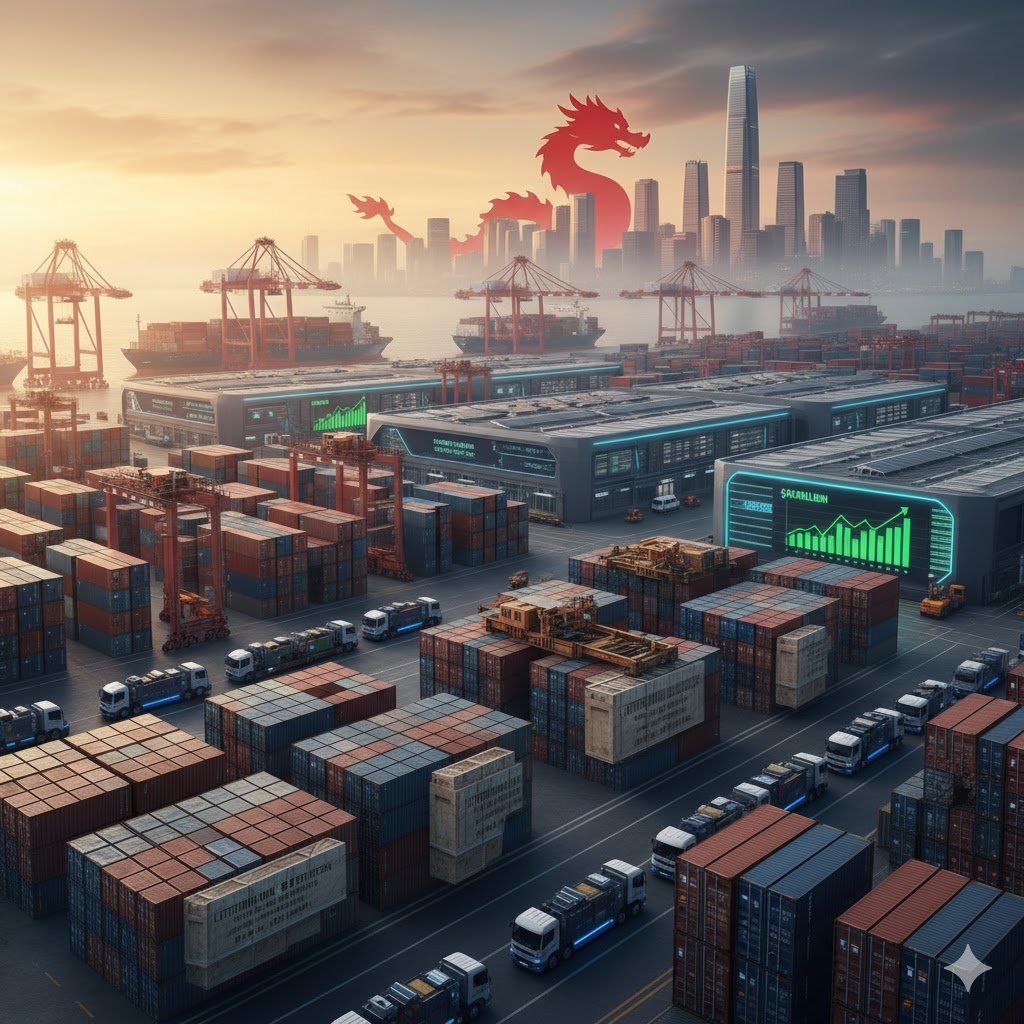
Beijing: China’s dominance in the global clean energy supply chain reached new heights as battery and battery energy storage system (BESS) exports soared 24% year-on-year in the first nine months of 2025, generating approximately $60 billion in revenue, according to fresh data from energy think tank Ember.Batteries have cemented their position as China’s most profitable clean-energy export since overtaking solar panels in mid-2022. The explosive growth comes despite escalating trade tensions, with the European Union imposing provisional tariffs of up to 37.6% on Chinese electric vehicles and launching probes into battery subsidies.Strong demand from Europe, Southeast Asia, and emerging markets for lithium-iron-phosphate (LFP) cells and large-scale energy storage systems drove the surge. Chinese manufacturers, led by CATL and BYD, now account for more than 70% of global battery production capacity and over 80% of BESS deployments worldwide.Analysts warn that continued export growth could trigger further protectionist measures, yet Beijing shows no signs of slowing investment. Domestic battery production capacity is projected to exceed 3 TWh by year-end, far surpassing global demand. Ember notes the $60 billion figure already rivals total 2024 solar module export revenue, underlining batteries as the new cornerstone of China’s green technology export strategy.

Ukraine Signs Historic Letter of Intent for Up to 100 French Rafale F4 Jets Amid Ongoing War
World

Ukraine Signs Historic Letter of Intent for Up to 100 French Rafale F4 Jets Amid Ongoing War

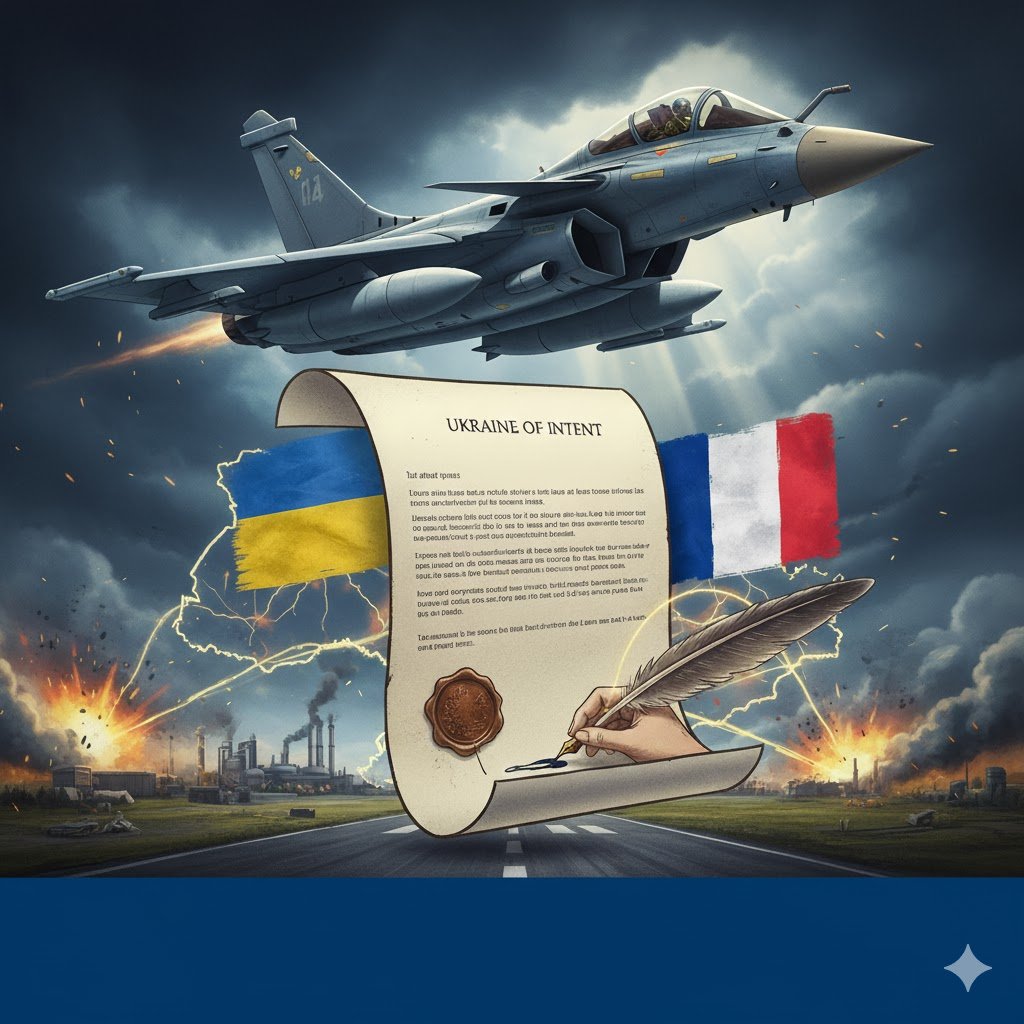
Paris, November 19, 2025 – In a landmark move to rebuild its air force, Ukrainian President Volodymyr Zelenskiy signed a letter of intent with French President Emmanuel Macron on Monday for the potential acquisition of up to 100 Dassault Rafale F4 fighter jets over the next decade, along with advanced air defense systems, drones, and munitions.The agreement, inked at Villacoublay military airbase near Paris in front of a Rafale jet, was hailed by Zelenskiy as “historic,” promising “one of the greatest air defenses in the world.” It includes eight next-generation SAMP/T systems, radars, air-to-air missiles, guided bombs, and joint drone production starting this year. Deliveries could begin within three years, with full Rafale rollout by 2035.The twin-engine Rafale, an “omnirole” aircraft capable of air superiority, deep strikes, reconnaissance, anti-ship missions, and even nuclear deterrence in French service, measures over 15 meters long with a Mach 1.8 top speed and 50,000-foot ceiling. Operational since 2004, it has seen combat in Afghanistan, Libya, Mali, Iraq, and Syria, with 533 firm orders globally, including major exports to India, Egypt, Qatar, Greece, Croatia, UAE, Indonesia, and Serbia.Shares in Dassault Aviation surged up to 8% following the announcement. The deal follows Ukraine’s recent receipt of F-16s and Mirages, plus a similar intent for Swedish Gripens, as Kyiv seeks a modern fleet to counter Russian aggression. Financing remains unclear but may involve EU funds and frozen Russian assets.

Scroll to Top