World

Zara Staff Across Europe Gear Up for Black Friday Demonstrations Over Scrapped Bonuses
World

Zara Staff Across Europe Gear Up for Black Friday Demonstrations Over Scrapped Bonuses

Madrid/Brussels: Employees of fast-fashion giant Zara are preparing coordinated demonstrations outside flagship stores in seven European nations on November 28, coinciding with Black Friday – one of the retail sector’s busiest shopping days. The action aims to pressure parent company Inditex into restoring a pre-pandemic profit-sharing bonus system for store and warehouse workers.Organized under the banner of Inditex’s European Works Council, the protests are being led by Spain’s prominent CCOO labor union in partnership with counterparts in Belgium, France, Germany, Italy, Luxembourg, and Portugal. Demonstrators plan to gather in high-traffic urban locations, highlighting what they describe as unfair distribution of the company’s substantial earnings amid rising living costs.A key spokesperson for CCOO at Inditex explained that the bonus program, which once rewarded frontline staff based on overall performance, was eliminated in the wake of COVID-19 disruptions. With Inditex now reporting robust post-pandemic recovery and record revenues, unions argue it’s time to reinstate equitable rewards for those driving sales.This isn’t the first time Zara workers have targeted peak shopping periods: similar actions in Spain during the 2022 Black Friday season successfully secured significant pay hikes months later. Inditex, the world’s leading fashion retailer by sales, has yet to issue an official response to the latest demands. Analysts suggest the timing could amplify visibility but risks disrupting consumer experiences during a critical revenue period for the industry.

Taliban Seeks Deeper Trade Ties with India, Bypassing Pakistan via Chabahar Route
World

Taliban Seeks Deeper Trade Ties with India, Bypassing Pakistan via Chabahar Route

Kabul/New Delhi, November 22, 2025 – In a significant diplomatic push amid strained relations with Pakistan, Afghanistan’s Taliban government has called on India to dramatically expand bilateral trade by establishing cargo hubs on Afghan soil and enhancing logistics through Iran’s Chabahar Port.During high-level talks in New Delhi this week, Acting Minister of Industry and Commerce Al-Haj Nooruddin Azizi urged Indian officials to scale up commercial exchanges and assist in launching scheduled shipping lines from the Indian-operated Chabahar Port. This strategic port in southeastern Iran serves as a vital gateway for landlocked Afghanistan, allowing direct access to global markets without relying on Pakistani routes, which have been disrupted by repeated border clashes and closures.Azizi, leading a large business delegation, proposed developing dry ports in Afghanistan’s southwestern Nimroz province, bordering Iran, to streamline cargo movement. He also requested smoother processing at India’s Nhava Sheva Port near Mumbai and faster visa issuance for Afghan traders. The minister highlighted cooperation in sectors like pharmaceuticals, cold storage, fruit processing, and industrial parks.The overtures come as Kabul redirects trade away from Pakistan following armed confrontations that halted cross-border traffic, causing millions in losses for exporters of perishable goods like fruits. Afghanistan has increasingly turned to Chabahar and Central Asian pathways, with freight volumes surging.India, which has provided extensive humanitarian aid since 2021, announced the imminent launch of dedicated air cargo services between Kabul, Delhi, and Amritsar. Officials described the discussions as reflecting shared commitment to economic cooperation, though New Delhi maintains no formal recognition of the Taliban regime.Experts view this as a geopolitical shift, countering Pakistan’s influence and China’s inroads in Afghanistan, while bolstering regional connectivity. Bilateral trade has neared $1 billion annually, with potential for further growth in mining, agriculture, and energy investments.

Indian Rupee Plunges to All-Time Low Amid Outflows and Trade Deal Stalemate
World

Indian Rupee Plunges to All-Time Low Amid Outflows and Trade Deal Stalemate

Mumbai: The Indian rupee cratered to a fresh all-time low on Friday, breaching the psychologically significant 89 level against the US dollar for the first time, as relentless foreign portfolio sell-offs, stalled negotiations on a bilateral trade pact with the United States, and a notable retreat by the Reserve Bank of India from aggressively defending a prior threshold fueled the sharp depreciation.Closing at 89.49 per dollar after touching an intraday nadir of 89.52, the currency marked its steepest single-day drop in six months, down 0.9%. This eclipsed the previous record low of 88.80 set earlier in the autumn, extending a bruising three-month slide triggered by escalating US tariffs on Indian goods imposed since late August.Foreign investors have yanked out a staggering $16.5 billion from Indian equities year-to-date, with outflows accelerating amid fears that prolonged trade friction could erode export competitiveness and widen the current account deficit. Uncertainty over a potential US-India deal—seen as critical to easing tariff pressures—has kept markets on edge, while importers rushed to hedge dollar exposures.The RBI, which had staunchly guarded the 88.80 mark through heavy interventions, appeared to ease its grip, allowing market forces greater play. Analysts view this as a strategic shift to preserve reserves amid fading Fed rate-cut hopes and a resilient dollar. A weaker rupee could bolster exports but risks stoking inflation via pricier imports, particularly oil. The currency also hit a record low of 12.60 against the offshore Chinese yuan.

Declining Oil Demand: West Africa-Focussed London Oil Producer's Shares Fall 35%
World

Declining Oil Demand: West Africa-Focussed London Oil Producer’s Shares Fall 35%

The West Africa-focussed oil producer, which is listed in London, Tullow Oil delivered a sobering trading update on November 21, 2025, cautioning investors that full-year production would hit the bottom of its guided range amid relentless field declines in Ghana and stalled payments from the government there. The company, now laser-focused on West Africa after divesting non-core assets in Kenya and Gabon earlier this year, said output for 2025 is expected around the lower end of 40,000-45,000 barrels of oil equivalent per day (boepd). Worse still, preliminary guidance for 2026 points to a further drop to 34,000-42,000 boepd, underscoring the challenges of maturing reservoirs at its flagship Jubilee and TEN fields. Natural decline rates, compounded by technical issues like water cut in wells, have eroded volumes despite resumed drilling activities. Cash flow is under severe strain from over $200 million in outstanding receivables owed by Ghana, including critical gas payments and development debts. Tullow reaffirmed $300 million in free cash flow for 2025 but raised year-end net debt expectations to $1.2 billion. With bonds maturing in May 2026, urgent talks are underway with bondholders and commodity traders for refinancing, alongside contingency plans like debt extensions. CEO Ian Perks emphasized operational efficiencies and cost cuts targeting $50 million in savings over three years. Shares plummeted up to 35% to an all-time low of 5.55 pence, slashing market capitalization below £100 million and highlighting investor fears over potential dilution or restructuring.

27th Constitutional Amendment elevates security safeguards for CPEC projects: Chinese Scholar
World

27th Constitutional Amendment elevates security safeguards for CPEC projects: Chinese Scholar

BEIJING: Pakistan’s 27th Constitutional Amendment, which elevates security safeguards for key cooperative projects to a constitutional level, stands as a landmark measure in protecting Chinese investments—especially those under the China-Pakistan Economic Corridor (CPEC), the flagship project of the Belt and Road Initiative (BRI). This legislative move not only addresses long-standing coordination bottlenecks between Pakistan’s federal and provincial authorities but also reinforces the strategic bedrock of China-Pakistan all-weather strategic cooperative partnership, APP reported. These views were expressed by Prof. Cheng Xizhong, Senior Research Fellow at the Charhar Institute, a non-governmental Chinese think-tank on diplomacy and international studies based in Beijing. He said that the core value of this amendment lies in its systematic optimization of security governance. Prior to its enactment, overlapping command structures among Pakistan’s military, police and provincial security forces often led to bureaucratic delays in responding to security threats. The amendment abolishes these redundant mechanisms and establishes a unified security command system, ensuring swift and coordinated responses. For Chinese investors, this institutional overhaul has delivered immediate and tangible benefits. The Karachi-Lahore Motorway expansion project, once hindered by prolonged security assessment procedures, recently obtained approval within just three months, with construction progressing 30% ahead of the original schedule. Similarly, the Gwadar Port Free Trade Zone, a vital node of CPEC, has accelerated its expansion plan, with three new industrial parks under construction to accommodate Chinese enterprises in logistics and manufacturing, he added. Prof Cheng said that more importantly, the amendment explicitly designates CPEC as a “national top priority,” legally binding all government agencies to prioritize project implementation—greatly consolidating investor confidence. Beyond safeguarding existing projects, the amendment’s essence—linking national stability with cooperative security—sets a pioneering precedent. As Chinese investment in Pakistan expands into emerging sectors like high-tech industrial parks and textile processing zones, this security framework provides a reliable guarantee for new collaborations. It also serves as a valuable model for Belt and Road cooperation globally, proving that targeted institutional innovation can effectively mitigate cross-border investment risks and enhance the sustainability of international cooperation, he added.

Crypto Market Extends Retreat as Bitcoin Plunges Below $86,000
World

Crypto Market Extends Retreat as Bitcoin Plunges Below $86,000

The cryptocurrency market deepened its month-long slide during Asian trading Friday, with bitcoin tumbling as much as 2.1% to below $86,000 for the first time since April amid evaporating momentum and risk-off sentiment.Bitcoin traded at $85,350.75 at one point, down from recent highs, while ether dropped over 2% to $2,777.39, its lowest in four months. The broader sell-off mirrors weakness in tech stocks, fueled by concerns over elevated valuations and fading hopes for aggressive Federal Reserve easing.U.S. spot bitcoin ETFs saw billions in outflows this month, exacerbating the decline. Whales following four-year cycle patterns are selling heavily, thinning liquidity.Total crypto market cap has shed over $1 trillion recently. Volatility remains elevated as macro factors dominate. Fundstrat’s Sean Farrell calls current levels a “potential value zone” for buyers, with oversold signals flashing.Analysts warn of further downside if panic intensifies, but a rebound could target prior supports. Institutional interest persists long-term despite short-term pain.

IMF Says Pakistan Could Unlock 6.5% GDP Boost by Tackling Corruption and Governance Issues
World

IMF Says Pakistan Could Unlock 6.5% GDP Boost by Tackling Corruption and Governance Issues

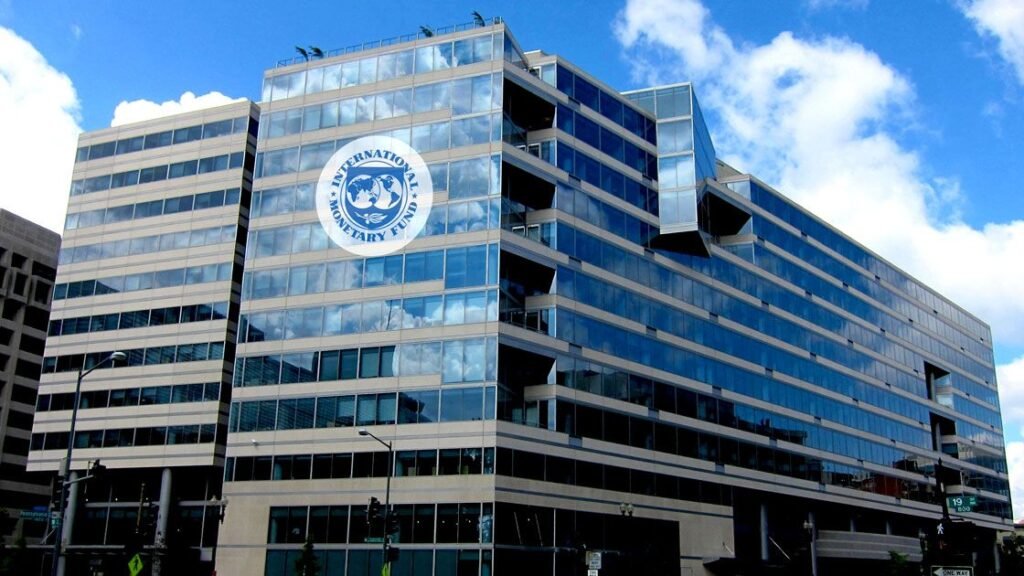
KARACHI – The International Monetary Fund (IMF) has revealed that Pakistan could achieve an additional 5-6.5% growth in its gross domestic product (GDP) over the next five years if it effectively addresses entrenched corruption and governance shortcomings, according to a newly released diagnostic report.The joint IMF-World Bank assessment, uploaded by Pakistan’s Finance Ministry, provides the most comprehensive analysis in recent years of how fragmented regulations, non-transparent budgeting, and political influence are deterring investment and undermining revenue collection. The report serves as a reform benchmark under Pakistan’s ongoing $7 billion IMF Extended Fund Facility programme.Key recommendations include overhauling the complex and distortionary tax system plagued by excessive exemptions and arbitrary statutory orders, restructuring the Federal Board of Revenue (FBR) with stronger internal controls and audits, and curbing reliance on supplementary grants that evade parliamentary scrutiny.The IMF also highlighted severe governance risks in state-owned enterprises, which control assets worth nearly half of Pakistan’s nominal GDP, citing political interference, opaque procurement practices, and weak oversight. Despite progress in exiting the FATF grey list in 2022, challenges persist in securing convictions for corruption-related money laundering. Additionally, judicial delays, case backlogs, and inconsistent rulings hamper contract enforcement. The Fund called for greater transparency regarding the Special Investment Facilitation Council (SIFC), established in 2023 to streamline investments.Pakistan aims for 4.2% growth this fiscal year and claims to be advancing digitisation of tax administration and state firm restructuring. However, the report underscores the urgent need for deeper structural reforms amid politically sensitive changes, including the recent 27th constitutional amendment. The Finance Ministry offered no official comment on the findings, while the IMF declined to respond to queries.

US Congress Report Praises Pakistan’s ‘Military Success’ Against India, Credits Chinese Weapons
World

US Congress Report Praises Pakistan’s ‘Military Success’ Against India, Credits Chinese Weapons

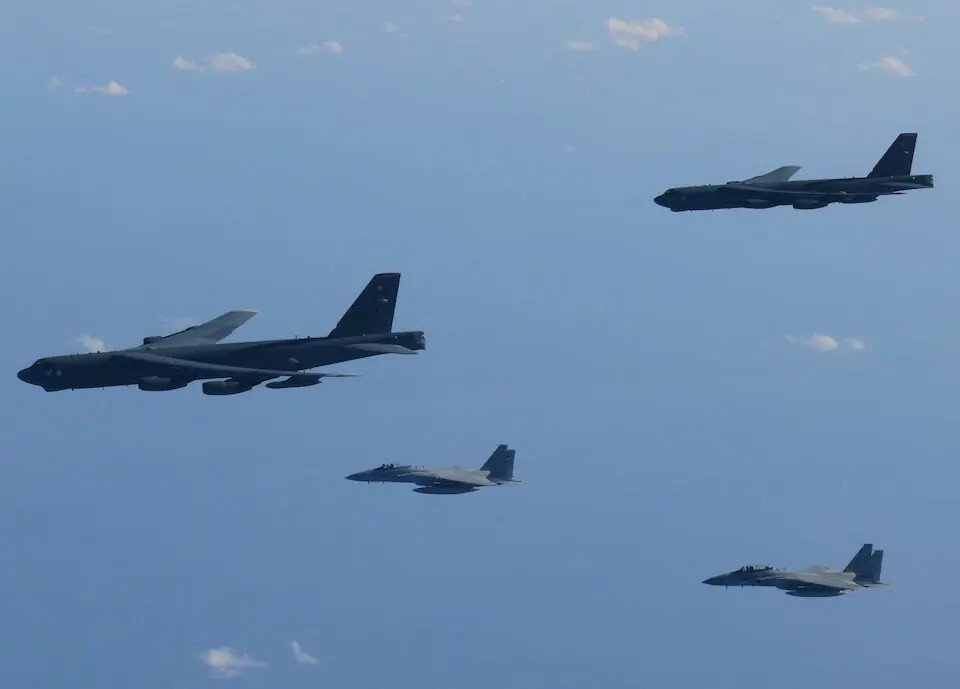
ISLAMABAD: A newly released report by the US-China Economic and Security Review Commission has described Pakistan’s performance in the May 2025 four-day aerial conflict with India as a “military success,” attributing the outcome primarily to the first-ever combat deployment of advanced Chinese weaponry.Submitted to the US Congress on Tuesday, the document states that Pakistan’s downing of up to seven Indian aircraft — with Islamabad claiming zero losses — showcased the battlefield effectiveness of Beijing’s HQ-9 air-defence systems, PL-15 air-to-air missiles, and J-10C fighters operated by the Pakistan Air Force. The clash, triggered by Indian air strikes on Punjab and Azad Jammu & Kashmir on May 7 following a terrorist attack in IIOJK, ended with US mediation on May 10.The commission noted that China seized the opportunity to demonstrate its arms superiority over Western systems, including French Rafale jets, and subsequently offered Pakistan 40 fifth-generation J-35 stealth fighters, KJ-500 AWACS, and ballistic missile defence systems in June 2025. The report also accused Beijing of running AI-generated disinformation campaigns to exaggerate the performance of its platforms.Highlighting deepening Sino-Pakistani military ties, it revealed China supplied 82% of Pakistan’s arms imports between 2019-2023, with joint exercises intensifying in 2024-2025. Pakistan responded by hiking its defence budget 20% to $9 billion despite overall fiscal constraints.

FBR Chief to Chinese Tile Firms: Accept AI Cameras or Shut Down Operations
World

FBR Chief to Chinese Tile Firms: Accept AI Cameras or Shut Down Operations

ISLAMABAD: Federal Board of Revenue (FBR) Chairman Rashid Langrial on Wednesday issued a stern ultimatum to four Chinese-owned ceramic tile companies, warning them to either accept installation of AI-enabled monitoring cameras or cease operations in Pakistan. The tough stance came during a fiery Senate Standing Committee on Finance meeting after Chinese representatives pleaded with senators to block the FBR’s camera plan, citing risks to trade secrets.Langrial disclosed that tile manufacturers are evading roughly Rs30 billion annually in sales tax by under-reporting production. He stressed that the government has already shown flexibility by reducing camera count from 16 to just five per factory, placed only at points that capture accurate output without exposing proprietary processes.“If your board of directors does not agree to install cameras, then stop work,” Langrial thundered, rejecting claims that the system would compromise commercial confidentiality. State Minister for Finance Bilal Azhar Kayani defended the initiative, saying AI-driven video analytics would eliminate physical FBR inspections while ensuring full tax compliance.The companies argued they operate in Saudi Arabia and elsewhere without such surveillance and criticised abrupt policy changes. Langrial countered that the decision followed complaints from the Pakistan Tiles Manufacturers Association about rampant under-reporting by competitors.Successful camera deployment in sugar and cement sectors is projected to yield Rs76 billion and Rs102 billion respectively this fiscal year, reinforcing the government’s resolve to extend monitoring to 18 high-risk sectors.

IMF Pushes Pakistan to Revamp SIFC Amid Transparency Concerns
World

IMF Pushes Pakistan to Revamp SIFC Amid Transparency Concerns

The International Monetary Fund (IMF), in its latest technical assistance report, has urged Pakistan to introduce major reforms to the Special Investment Facilitation Council (SIFC), warning that its existing structure and limited transparency could weaken public confidence and hinder efficient economic management. The SIFC was created to accelerate foreign investment and oversee key national projects, but the IMF notes that it functions with broad powers and insufficiently tested accountability mechanisms. According to the report, the council’s mandate overlaps with the Board of Investment, creating institutional ambiguity and raising concerns regarding the immunity granted to its staff during decision-making processes. The IMF recommends that the SIFC immediately release its first annual report, outlining all investment initiatives it has supported, the incentives and concessions offered—such as tax and regulatory relaxations—and the justification and results of each approved project. The Fund also calls for clear, formal procedures governing the council’s operations, along with stronger transparency frameworks to ensure adequate oversight. It further questions the necessity of maintaining the SIFC in its current form while the Board of Investment continues to operate, suggesting a review of the council’s legal basis to ensure it does not circumvent established regulatory checks. These recommendations are part of a wider 15-point reform strategy aimed at addressing longstanding governance deficiencies and corruption risks across Pakistan’s public institutions. The IMF believes that a comprehensive implementation of these reforms, including those related to the SIFC, could significantly improve institutional effectiveness and economic stability.

Scroll to Top