World

Gulf Stock Market Shutdown: US–Iran Tensions Triggered an Unprecedented Trading Halt
World

Gulf Stock Market Shutdown: US–Iran Tensions Triggered an Unprecedented Trading Halt

The Gulf Stock Market Shutdown has sent shockwaves across global financial systems, marking one of the most dramatic market responses in recent Middle Eastern history. Following a sudden escalation in geopolitical tensions after a US military strike on Iran, key stock exchanges across the Gulf region have taken emergency action to halt trading. Read More: https://theboardroompk.com/pakistan-inflation-february-2026-cpi-climbs-to-7-is-price-stability-slipping-again/ In a rare move, Boursa Kuwait became the first to suspend trading on March 1, 2026, citing “exceptional circumstances” and the need to protect investors. The decision reflects growing uncertainty and heightened risk across regional markets. UAE Joins Gulf Stock Market Shutdown With Two-Day Closure The ripple effect of the Gulf Stock Market Shutdown quickly spread to the United Arab Emirates. Under directives from the UAE Capital Markets Authority, both the Abu Dhabi Securities Exchange and Dubai Financial Market were closed for March 2–3, 2026. This decision effectively froze billions of dollars in listed assets, as regulators moved swiftly to contain panic and maintain financial stability. Authorities emphasized that the closure was a precautionary measure amid escalating regional conflict and investor uncertainty. Why the Gulf Stock Market Shutdown Happened The Gulf Stock Market Shutdown was triggered by a chain reaction of geopolitical and economic risks: • Military escalation: US-led strikes on Iran prompted retaliatory attacks across the region• Investor panic: Sharp sell-offs and declining indices across Gulf markets• Oil supply fears: Concerns over disruptions in the Strait of Hormuz, a critical global energy chokepoint• Regional instability: Broader fears of conflict spreading across GCC economies Markets that remained open experienced steep losses, with major indices dropping between 3% and 5%. Oil Prices Surge Amid Gulf Stock Market Shutdown One of the most immediate consequences of the Gulf Stock Market Shutdown has been a sharp surge in oil prices. As tensions escalated, crude prices jumped significantly amid fears of supply disruptions through the Strait of Hormuz responsible for nearly 20% of global oil flows. Energy markets reacted instantly: • Oil prices surged by up to 13%• Shipping routes faced disruptions• Insurance costs for maritime trade spiked This volatility underscores the Gulf region’s critical role in global energy markets and highlights how geopolitical tensions can rapidly translate into economic shocks. What This Means for Investors and Global Markets The Gulf Stock Market Shutdown is more than a regional event it signals broader risks for global investors. The temporary closure of major exchanges reflects a defensive strategy aimed at preventing market crashes and preserving liquidity during periods of extreme uncertainty. For investors, this means: • Short-term uncertainty and delayed trading activity• Increased volatility in energy and commodity markets• Potential ripple effects across global equities Analysts warn that continued escalation could deepen market instability, while a diplomatic resolution may help restore confidence. The Bigger Picture: A Test for Financial Resilience The Gulf Stock Market Shutdown highlights how quickly geopolitical tensions can disrupt financial ecosystems. From halted exchanges to surging oil prices, the events unfolding in the Gulf underscore the fragile balance between politics and markets. As regulators monitor developments closely, the key question remains: how long can markets remain insulated from escalating conflict?
Skyrocketing Freight, Insurance Hit Exports: Business Community Demands Govt Relief Package to Protect Trade Amid US-Israel Strike on Iran
World

Skyrocketing Freight, Insurance Hit Exports: Business Community Demands Govt Relief Package to Protect Trade Amid US-Israel Strike on Iran

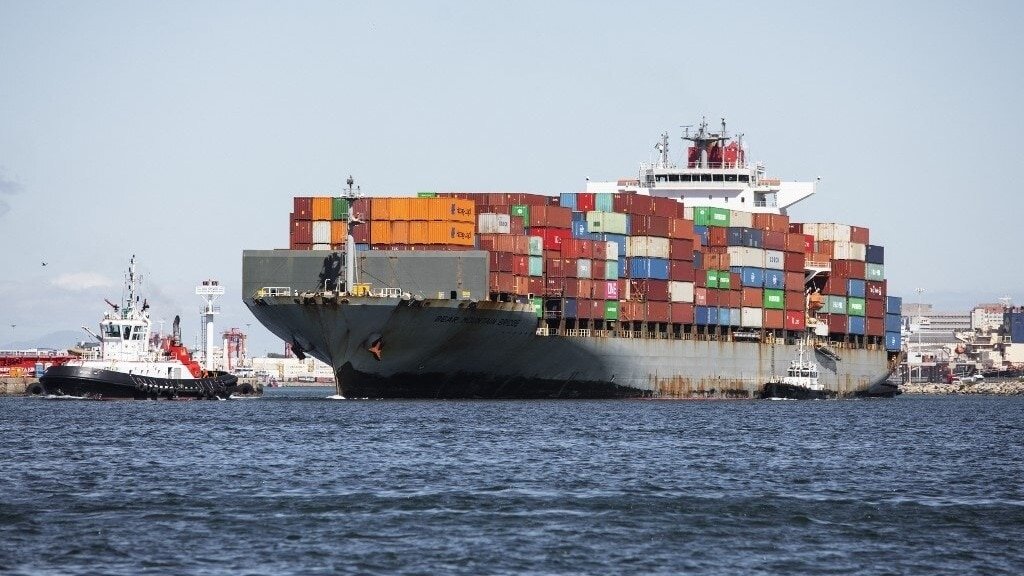
Karachi: Atif Ikram Sheikh, President of the Federation of Pakistan Chambers of Commerce and Industry (FPCCI), has called for the announcement of emergent measures aimed at insulating trade and industry of Pakistan to protect country’s economy and its people from the debilitating and burgeoning conflict in the Middle East. Read More: https://theboardroompk.com/multiple-us-fighter-jets-crash-in-kuwait-amid-iran-strikes/ Atif Ikram Sheikh warned that ongoing geopolitical volatility – particularly the disruptions in the Red Sea and the Strait of Hormuz – poses a severe threat to Pakistan’s fragile economic recovery, energy security and export competitiveness. FPCCI Chief explained that Pakistan’s trade and industry cannot afford to be the collateral damage in this regional conflict; with nearly 30% of global petroleum consumption passing through the Strait of Hormuz; any prolonged blockage or disruption will trigger massive supply chain shocks. We must proactively shield our economy; secure our energy lifelines and protect our exporters from skyrocketing logistics costs, he added. Mr. Atif Ikram Sheikh elaborated the country’s vulnerability vis-à-vis Middle Eastern supply chains – and, highlighted several alarming data points that necessitate immediate government intervention. The country has heavy reliance on Gulf energy as Pakistan imports over $5.7 billion in crude petroleum annually, primarily sourced from Saudi Arabia (approx. $3.2 billion) and the United Arab Emirates (approx. $2.3 billion) – and, when refined petroleum products are added, this amounted to $10.71 billion in FY25. FPCCI President stressed that skyrocketing freight and insurance costs can pose a huge challenge due to the Red Sea crisis as commercial shipping lines are being forced to reroute. This massive detour will add 15 to 20 days to transit times for Pakistani exports destined for our largest export markets; i.e. EU, UK and U.S. Mr. Atif Ikram Sheikh maintained that freight costs on key shipping routes – which may surge by up to 300% – and marine insurance premiums have spiked due to war-risk classifications. This threatens to severely inflate the cost of imported raw materials and erode the price competitiveness of Pakistani textiles and manufacturing exports, he added. Atif Ikram Sheikh has proposed that, to safeguard the national economy, the federal government shall immediately implement the protective measures and build petroleum reserves – and, prepare a backup plan through finalizing contingency agreements for backup oil supplies and deferred payment facilities with key allies like Saudi Arabia to ensure an uninterrupted flow of crude oil and diesel. Saquib Fayyaz Magoon, SVP FPCCI, stated that freight and insurance relief through the ministry of commerce and the State Bank of Pakistan (SBP) must be introduced – and, a targeted relief package to subsidize the exorbitant marine insurance premiums and freight hikes should be planned; which will cripple the country’s export earnings, if remained unaddressed. SVP FPCCI emphasized that Pakistan needs to maximize indigenous refining; and, domestic refineries must be supported to operate at their enhanced capacities. We need a localized, resilient strategy that protects our energy supplies and keeps our export engines running. The FPCCI stands ready to work with the government to navigate through this geopolitical storm, he added.

US-Isreal Strike on Iran, Chamber of Commerce Calls for Urgent Steps to Build Oil Reserves, Subsidize Freight and Insurance Costs
World

US-Isreal Strike on Iran, Chamber of Commerce Calls for Urgent Steps to Build Oil Reserves, Subsidize Freight and Insurance Costs

Karachi: Atif Ikram Sheikh, President of the Federation of Pakistan Chambers of Commerce and Industry (FPCCI), has called for the announcement of emergent measures aimed at insulating trade and industry of Pakistan to protect country’s economy and its people from the debilitating and burgeoning conflict in the Middle East. Read More: Atif Ikram Sheikh warned that ongoing geopolitical volatility – particularly the disruptions in the Red Sea and the Strait of Hormuz – poses a severe threat to Pakistan’s fragile economic recovery, energy security and export competitiveness. FPCCI Chief explained that Pakistan’s trade and industry cannot afford to be the collateral damage in this regional conflict; with nearly 30% of global petroleum consumption passing through the Strait of Hormuz; any prolonged blockage or disruption will trigger massive supply chain shocks. We must proactively shield our economy; secure our energy lifelines and protect our exporters from skyrocketing logistics costs, he added. Mr. Atif Ikram Sheikh elaborated the country’s vulnerability vis-à-vis Middle Eastern supply chains – and, highlighted several alarming data points that necessitate immediate government intervention. The country has heavy reliance on Gulf energy as Pakistan imports over $5.7 billion in crude petroleum annually, primarily sourced from Saudi Arabia (approx. $3.2 billion) and the United Arab Emirates (approx. $2.3 billion) – and, when refined petroleum products are added, this amounted to $10.71 billion in FY25. FPCCI President stressed that skyrocketing freight and insurance costs can pose a huge challenge due to the Red Sea crisis as commercial shipping lines are being forced to reroute. This massive detour will add 15 to 20 days to transit times for Pakistani exports destined for our largest export markets; i.e. EU, UK and U.S. Mr. Atif Ikram Sheikh maintained that freight costs on key shipping routes – which may surge by up to 300% – and marine insurance premiums have spiked due to war-risk classifications. This threatens to severely inflate the cost of imported raw materials and erode the price competitiveness of Pakistani textiles and manufacturing exports, he added. Atif Ikram Sheikh has proposed that, to safeguard the national economy, the federal government shall immediately implement the protective measures and build petroleum reserves – and, prepare a backup plan through finalizing contingency agreements for backup oil supplies and deferred payment facilities with key allies like Saudi Arabia to ensure an uninterrupted flow of crude oil and diesel. Saquib Fayyaz Magoon, SVP FPCCI, stated that freight and insurance relief through the ministry of commerce and the State Bank of Pakistan (SBP) must be introduced – and, a targeted relief package to subsidize the exorbitant marine insurance premiums and freight hikes should be planned; which will cripple the country’s export earnings, if remained unaddressed. SVP FPCCI emphasized that Pakistan needs to maximize indigenous refining; and, domestic refineries must be supported to operate at their enhanced capacities. We need a localized, resilient strategy that protects our energy supplies and keeps our export engines running. The FPCCI stands ready to work with the government to navigate through this geopolitical storm, he added.

Multiple US Fighter Jets Crash in Kuwait Amid Iran Strikes
World

Multiple US Fighter Jets Crash in Kuwait Amid Iran Strikes

Several American warplanes crashed in Kuwait on Monday morning, but all crew members survived, according to an official statement from the country’s Defence Ministry. Read More: https://theboardroompk.com/agreement-signing-and-launch-of-oj-drive-nexgen-engine-oil/ The incident unfolded as Iran continued its third day of retaliatory strikes across the Gulf region. Incident Details Kuwait’s Defence Ministry spokesman confirmed the crashes in a brief statement. “Several US warplanes crashed this morning,” he said. “Confirming that all crew members survived.” The cause remains under active investigation, with no immediate details released. Authorities launched immediate search and rescue operations at the crash sites. Crews were quickly evacuated and transported to nearby hospitals for checks. Medical evaluations showed their condition as stable, with treatment provided promptly. Regional Tensions Escalate The crashes occurred against the backdrop of heightened conflict involving Iran. Tehran has been launching strikes following earlier attacks by Israel and the US on Iranian targets. Videos circulating online showed at least one fighter jet plummeting and a pilot parachuting safely.Some reports, including from Iranian state media, claimed air defence systems downed a US F-15. Kuwait, a key US ally hosting American forces, intercepted hostile drones earlier in the day. Smoke was seen rising near the US embassy in Kuwait City amid siren alerts. Official Response and Implications The ministry emphasized coordination with US counterparts on the matter. No further elaboration came from the US Central Command initially. The event highlights risks to coalition aircraft in the volatile Gulf airspace.Markets reacted sharply, with regional stocks dipping on escalation fears. President Trump reportedly vowed to avenge related US casualties elsewhere. This incident adds to mounting pressure in the ongoing Iran-US-Israel confrontation. Rescue teams continue monitoring for any secondary hazards from the wreckage. All surviving crew are receiving necessary care, officials stressed. The full number and types of aircraft involved have not been disclosed yet. Investigators are examining potential technical, hostile fire, or operational factors. Kuwaiti authorities urged calm while promising transparency on findings. The Gulf region remains on high alert as strikes persist.

US-Israel Strikes Assassinate Iran's Supreme Leader Khamenei
World

US-Israel Strikes Assassinate Iran’s Supreme Leader Khamenei

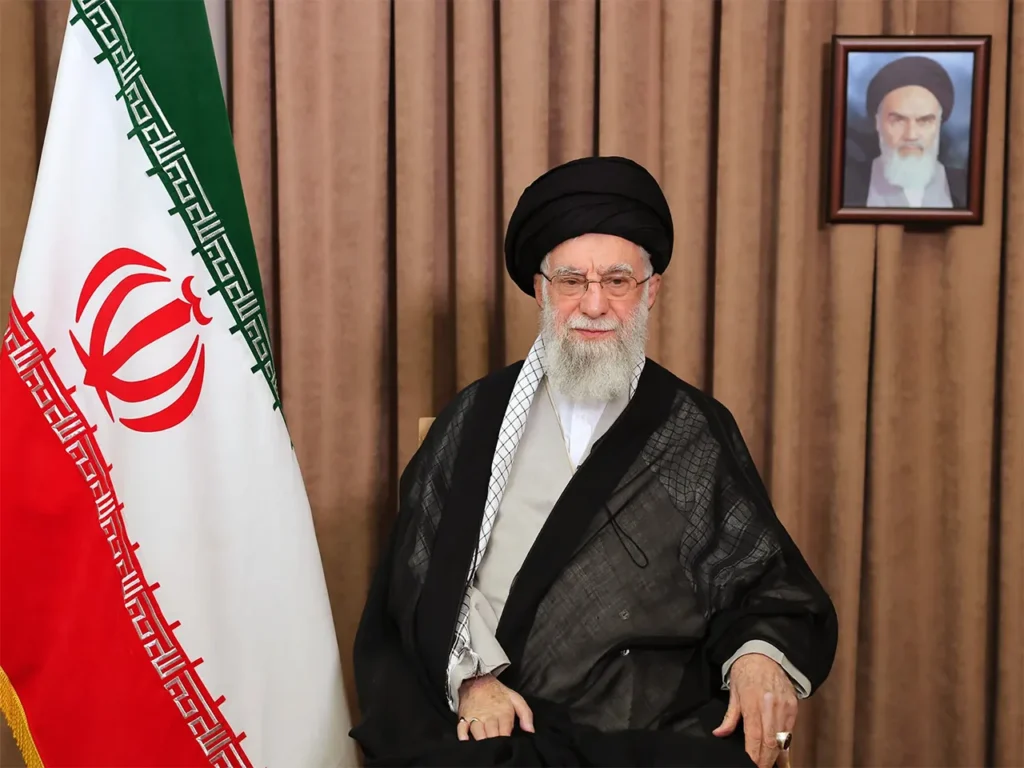
Iranian state television announced early Sunday that Ayatollah Ali Khamenei, 86, was martyred in US-Israeli airstrikes targeting the country. Read More: https://theboardroompk.com/spacex-prepares-confidential-ipo-filing-as-early-as-march-eyes-1-75-trillion-valuation/ The strikes began Saturday as part of a major joint operation, with US President Donald Trump declaring it a step toward peace in the Middle East. Confirmation and Immediate Fallout State media confirmed Khamenei’s death hours after initial reports from Israeli officials and Trump. Iran declared 40 days of national mourning. A three-member transitional council, including the president and chief justice, will oversee duties until a new supreme leader is chosen. Iran Vows Revenge The Islamic Revolutionary Guard Corps (IRGC) called Khamenei’s death martyrdom at the hands of “terrorists” and promised swift, major retaliation. Tehran has already launched retaliatory missile strikes on Israel and US bases in the region. Broader Context of the Attack The operation follows weeks of tension, including Iran’s refusal to abandon ballistic missiles and recent weakening of its regional proxies. Multiple senior officials, including top generals, were also killed in the strikes hitting Tehran and other sites. Global Reactions Pour In Trump described Khamenei as one of history’s most evil figures and warned against Iranian retaliation with overwhelming force. World leaders expressed concern, with some calling for restraint while others condemned the strikes as escalatory. The region braces for further conflict as fighting continues into a second day.

End of the Battle: Paramount Wins Warner Bros. with $110 Billion After Netflix Walks Away
World

End of the Battle: Paramount Wins Warner Bros. with $110 Billion After Netflix Walks Away

Paramount Skydance emerged victorious in a fierce contest for Warner Bros. Discovery, sealing a $110 billion deal that reshapes the entertainment landscape. The agreement ends months of negotiations after Netflix backed out, unwilling to escalate beyond its initial proposal. Read More: https://theboardroompk.com/spacex-prepares-confidential-ipo-filing-as-early-as-march-eyes-1-75-trillion-valuation/ Paramount’s $31-per-share cash offer outpaced Netflix’s $27.75 bid for select assets, prompting WBD’s board to declare it superior. This triggered Netflix’s withdrawal and a hefty termination payout to the streamer. Strategic Gains and Challenges Ahead The acquisition creates a media behemoth with unparalleled content assets, blending legendary film franchises, premium streaming services, and prominent news divisions like CNN and CBS. Executives highlight enhanced consumer choice and creative empowerment in a streaming-dominated era. However, the merger draws criticism for potential antitrust issues and market dominance. California officials are probing vigorously, citing risks to jobs and competition in Hollywood. The Writers Guild has called it a “disaster” for the industry. What It Means for the Future With $6 billion expected in synergies, the deal promises efficiencies but raises fears of cuts. The Ellison family’s deep involvement, backed by substantial funding, positions the new company to compete aggressively against rivals. Shareholder votes and regulatory clearances remain key hurdles before the anticipated Q3 2026 closing. This mega-merger signals continued consolidation as legacy media adapts to digital shifts.

Nominal GDP 2026: Largest Economies in the World Ranked by IMF
World

Nominal GDP 2026: Largest Economies in the World Ranked by IMF

Nominal GDP 2026 figures have once again reshaped the global economic narrative, offering a fascinating glimpse into the world’s most powerful economies. As international markets evolve and geopolitical shifts influence trade flows, the latest data from the International Monetary Fund (IMF) highlights which nations are driving global wealth creation and which ones are rapidly climbing the ranks. Read More: https://theboardroompk.com/pakistan-stock-market-decline-deepens-as-kse-100-slides-below-168100-ahead-of-imf-review/ From trillion-dollar powerhouses to emerging giants, these rankings reflect not only economic size but also strategic influence, industrial strength, and financial resilience. What Does Nominal GDP 2026 Really Tell Us? Before diving into the rankings, it’s important to understand what Nominal GDP 2026 represents. Nominal Gross Domestic Product measures the total value of goods and services produced within a country at current market prices, without adjusting for inflation. This metric matters because it: • Reflects a country’s current economic scale• Influences global investment flows• Impacts currency strength and borrowing capacity• Shapes geopolitical leverage In simple terms, Nominal GDP 2026 is a scoreboard of global economic power. Top 10 Largest Economies by Nominal GDP 2026 According to IMF estimates for 2026, the global economic hierarchy is led by familiar giants but with notable shifts gaining attention. The United States remains the undisputed leader in Nominal GDP 2026, powered by innovation, technology dominance, financial markets, and consumer spending. The U.S. economy alone represents nearly one-quarter of global output. China continues its economic ascent, driven by manufacturing, exports, infrastructure expansion, and a rapidly growing domestic market. Europe’s industrial backbone, Germany maintains its position through advanced manufacturing and export-led growth. India emerges as one of the fastest-growing major economies, fueled by digital transformation, demographics, and services expansion. Despite demographic challenges, Japan remains a technological and industrial powerhouse. The UK leverages financial services and global trade networks to sustain its economic position. France combines diversified industries with strong consumer markets. Italy’s strength lies in manufacturing, fashion, and exports. Russia’s GDP remains energy-driven, with hydrocarbons playing a dominant role. Canada benefits from natural resources, trade ties, and stable financial institutions. Emerging Economic Forces in Nominal GDP 2026 Rankings Beyond the top ten, several economies are making strategic gains: • Brazil – $2.3 Trillion• Spain – $2.0 Trillion• Mexico – $2.0 Trillion• Australia – $1.9 Trillion• South Korea – $1.9 Trillion• Turkey – $1.5 Trillion• Indonesia – $1.5 Trillion• Netherlands – $1.4 Trillion• Saudi Arabia – $1.3 Trillion• Poland – $1.1 Trillion These nations represent diversified economic models from energy-rich exporters to tech-driven manufacturing hubs and consumption-led emerging markets. Key Trends Behind Nominal GDP 2026 Growth Asia continues expanding its share of global output, with China and India playing central roles. Countries like Saudi Arabia, Russia, Canada, and Australia benefit from commodities in a volatile global environment. The United States, South Korea, Japan, and Germany maintain competitive advantages through advanced technology and R&D investment. India and Indonesia are positioned to benefit from younger populations and expanding middle classes. Why Nominal GDP 2026 Matters for Investors and Businesses For entrepreneurs, investors, and policymakers, Nominal GDP 2026 is more than a ranking it’s a roadmap. • It signals where consumer markets are expanding.• It highlights stable economies for long-term investment.• It identifies emerging opportunities in high-growth regions.• It shapes currency valuations and global capital flows. Businesses looking to expand internationally often align their strategies with high Nominal GDP markets, where purchasing power and infrastructure are strongest. The Bigger Picture: A Shifting Global Order While the United States remains the largest economy, the gap between established powers and emerging giants continues to narrow. India’s rise into the top four signals a long-term structural shift. Meanwhile, Europe maintains strong representation despite economic challenges. As Nominal GDP 2026 figures demonstrate, economic leadership is no longer concentrated in one region it is increasingly multipolar. The next decade will test resilience, innovation capacity, and demographic strength. One question lingers: which emerging economy will break into the top five next?

Pakistan Airspace Fully Operational – PAA Assures Safety Amid Tehran Airspace Closure
World

Pakistan Airspace Fully Operational – PAA Assures Safety Amid Tehran Airspace Closure

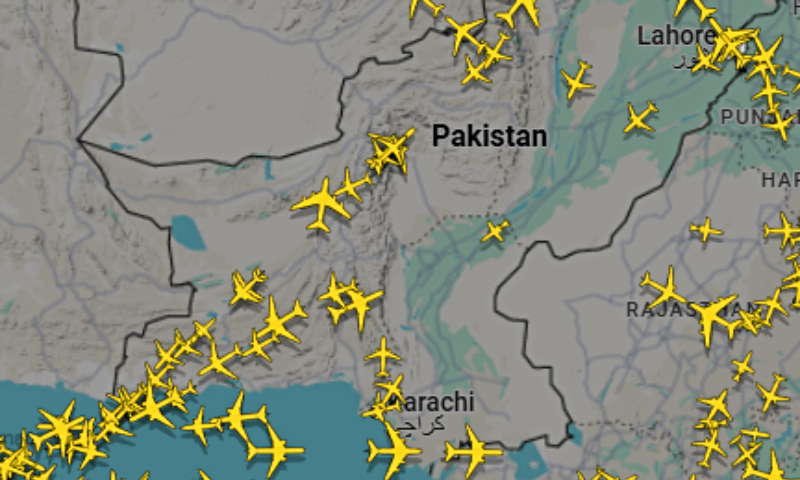
Pakistan Airspace Fully Operational this is the key message from the Pakistan Airports Authority (PAA) as it reassures airlines, passengers, and global aviation stakeholders amid temporary disruptions in neighbouring airspace. Read More: https://theboardroompk.com/pakistan-stock-market-decline-deepens-as-kse-100-slides-below-168100-ahead-of-imf-review/ From its headquarters at Jinnah International Airport, the authority issued a timely update highlighting that Pakistan’s skies remain safe, open, and fully functional despite evolving regional dynamics. Tehran Airspace Closure and Its Regional Impact on Pakistan Airspace Fully Operational Status According to a Notice to Airmen (NOTAM) issued by Tehran authorities, Iranian airspace is temporarily closed to civil aircraft between 11:30 AM and 5:00 PM Pakistan Standard Time (PKT). While this timeframe typically experiences lower volumes of east-west transit flights, the implications could grow if restrictions extend into peak hours. For global carriers operating long-haul routes between Asia, Europe, and beyond, such closures often trigger rerouting strategies. In this context, Pakistan Airspace Fully Operational becomes a critical alternative corridor for international aviation traffic. Pakistan Airspace Fully Operational: Prepared for Increased Overflight Traffic The PAA has emphasized that its air traffic management systems are fully equipped to handle any potential surge in rerouted flights. Should Iranian restrictions extend beyond the current window, airlines are expected to increasingly rely on Pakistani airspace particularly during nighttime operations when traffic density is higher. Importantly, authorities have confirmed that: Air traffic control systems are functioning seamlessly, ensuring smooth coordination for both domestic and international flights. There are currently no delays, restrictions, or congestion issues across Pakistan’s aviation network. Safety protocols remain robust, aligning with international aviation standards. This proactive readiness reinforces Pakistan’s growing importance as a strategic aviation corridor in the region. Aviation Safety and Reliability at the Core of Pakistan Airspace Fully Operational At a time when regional uncertainties can disrupt global travel schedules, Pakistan is positioning itself as a reliable and secure alternative. The PAA has reiterated its unwavering commitment to aviation safety, operational excellence, and international collaboration. Working closely with global aviation partners, Pakistan continues to maintain high standards of monitoring and response. This ensures that even in dynamic situations, airlines and passengers experience minimal disruption. The authority’s confidence underscores a broader message: Pakistan’s aviation infrastructure is resilient, adaptable, and ready to support shifting global air traffic patterns. Why Pakistan Airspace Fully Operational Matters for Global Aviation The temporary closure of Iranian airspace highlights how interconnected global aviation truly is. Even localized restrictions can ripple across continents, affecting airline routes, fuel costs, and travel times. In this environment, Pakistan’s fully operational airspace offers: Greater route flexibility for international airlines navigating regional disruptions.Reduced risk of delays due to efficient air traffic management systems.Enhanced confidence among carriers relying on stable and secure transit corridors. This positions Pakistan not just as a transit route, but as a dependable aviation partner in an increasingly complex global landscape. Final Thoughts As the situation evolves, all eyes remain on how regional airspace dynamics will shape international flight paths. For now, the message is clear and reassuring: Pakistan Airspace Fully Operational, with no compromise on safety, efficiency, or reliability. For passengers and airlines alike, that assurance makes all the difference.

Israel and US Launch Pre-Emptive Strikes on Iran: Explosions Rock Tehran
World

Israel and US Launch Pre-Emptive Strikes on Iran: Explosions Rock Tehran

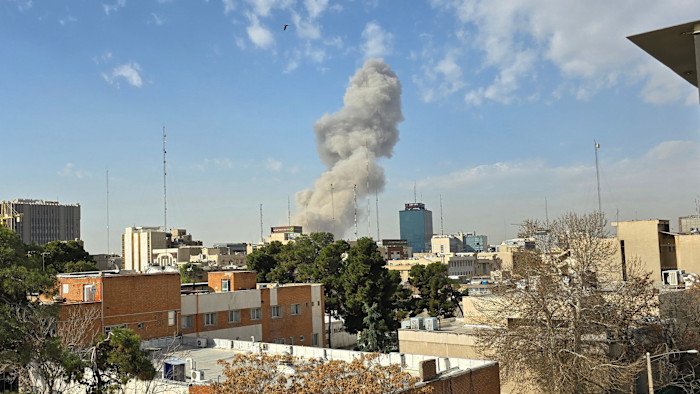
Israel and the United States have launched major military strikes against Iran on February 28, 2026. Read More: https://theboardroompk.com/illegal-immigration-pakistan-europe-agreement-new-legal-job-pathways-open-for-pakistanis/ Explosions echoed across Tehran, with smoke rising over the city as Iranian media reported blasts in the capital. People were seen running for cover amid the chaos in downtown areas. Israel described the operation as a “pre-emptive” attack to eliminate threats to its security. Defence Minister Israel Katz confirmed the strikes aimed to remove existential dangers from Iran. Prime Minister Benjamin Netanyahu stated the action prevents Iran from obtaining nuclear weapons. He added it could empower the Iranian people to shape their future. The operation was coordinated with the US, planned over months. An Israeli official revealed the launch date was set weeks earlier. In response, Iran’s air defenses activated in Tehran and other regions. Tehran state media reported ongoing engagements with hostile targets. An Iranian official vowed a “crushing” retaliation is being prepared. Sirens blared across Israel as a precaution against possible missile retaliation. The Israeli military imposed restrictions on public gatherings and work. Essential sectors were exempted from the emergency measures. The strikes follow failed diplomatic efforts on Iran’s nuclear program. Recent US-Iran talks in February collapsed over missile and enrichment issues. This escalation revives tensions after a previous air war in June. No immediate casualty figures have been confirmed from either side. The situation remains fluid with ongoing military activity.

Illegal Immigration Pakistan Europe Agreement New Legal Job Pathways Open for Pakistanis
World

Illegal Immigration Pakistan Europe Agreement New Legal Job Pathways Open for Pakistanis

The illegal immigration Pakistan Europe agreement is rapidly emerging as a game-changer, not just for policymakers but for thousands of Pakistanis dreaming of safer and legal opportunities abroad. A recent high-level conference in Islamabad has set the stage for a new era one that prioritizes legal migration while cracking down on dangerous, illegal routes. Read More: https://theboardroompk.com/pakistan-afghanistan-conflict-2026-a-dangerous-escalation-unfolds/ This shift comes after years of heartbreaking tragedies that exposed the human cost of illegal migration. Now, with European support, Pakistan is taking decisive steps toward safer alternatives. A United Front Against Illegal Migration At the center of this development is Mohsin Naqvi, who represented Pakistan at a key conference involving several European nations. Countries including Poland, Estonia, Latvia, Lithuania, and Finland have expressed strong support for Pakistan’s efforts. The agreement focuses on two major goals: • Discouraging illegal immigration and human trafficking• Promoting structured, legal employment opportunities for Pakistanis This dual approach reflects a broader understanding: migration cannot be stopped entirely but it can be made safer, legal, and mutually beneficial. Illegal Immigration Pakistan Europe Agreement: Why It Matters For years, illegal immigration has been driven by economic desperation and lack of opportunity. Many migrants from South Asia risk dangerous journeys across seas and borders, often falling prey to traffickers. The new agreement addresses this root cause directly. Instead of risking lives, Pakistanis may soon have access to official employment channels in Europe. This is a significant shift from reactive enforcement to proactive opportunity creation. Even more striking is Pakistan’s recent progress. According to officials, illegal migration from the country has dropped by 47%, largely due to intensified crackdowns on trafficking networks. From Crackdowns to Career Pathways The illegal immigration Pakistan Europe agreement is not just about enforcement it’s about transformation. European countries have agreed to: • Offer employment opportunities through official channels• Appoint focal persons within Pakistan’s interior ministry• Strengthen coordination to streamline legal migration This could open doors in sectors facing labor shortages across Europe, from construction to services and skilled trades. For Pakistan, it means remittances, reduced human trafficking, and improved international credibility. Beyond Immigration: A Broader Security Dialogue While immigration dominated the agenda, the conference also tackled broader concerns. Discussions included: • Internal security cooperation• Counter-terrorism strategies• Anti-narcotics measures This signals a deeper partnership between Pakistan and European nations one that extends beyond migration into long-term strategic collaboration. A Safer Future for Pakistani Migrants The tragedies of the past boat capsizes, exploitation, and loss of life have forced a rethink of migration policies. The illegal immigration Pakistan Europe agreement represents hope that such incidents can be minimized, if not eliminated. By replacing risky journeys with regulated pathways, this initiative could reshape migration patterns for years to come. For aspiring migrants, the message is clear: the future lies not in dangerous shortcuts, but in legal, structured opportunities. Conclusion: Opportunity Over Risk The illegal immigration Pakistan Europe agreement marks a critical shift in how migration is managed between Pakistan and Europe. It blends enforcement with opportunity cracking down on illegal networks while opening doors to legitimate employment. If implemented effectively, this initiative could become a model for other regions grappling with similar challenges.

Scroll to Top