World

Trump Revives Greenland Acquisition Discussion: Military Force 'Always an Option,' White House Says
World

Trump Revives Greenland AcquisitionDiscussion: Military Force ‘Always an Option,’ White House Says

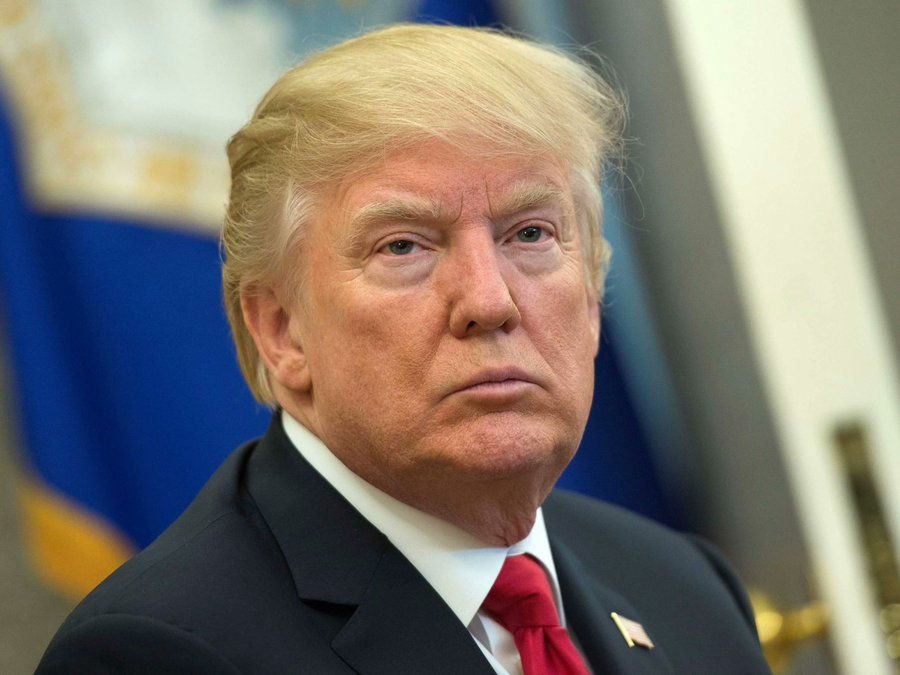
President Donald Trump has revived his long-standing interest in acquiring Greenland, with the White House confirming that advisers are actively exploring various pathways to make the Arctic territory part of the United States. This development, reported on January 6, 2026, stems from Trump’s view of Greenland as a critical national security asset to counter growing influence from Russia and China in the region. The island’s vast mineral resources, essential for high-tech and military applications, remain largely untapped due to infrastructure challenges, but Trump aims to establish American dominance in the Arctic. A White House spokesperson stated that “the president and his team are discussing a range of options,” including diplomacy, a potential purchase from Denmark, or a Compact of Free Association similar to U.S. arrangements with Pacific nations. Notably, the statement added that “utilizing the U.S. military is always an option at the commander-in-chief’s disposal.” This mention of military force has sparked immediate backlash, as Greenland is an autonomous territory of Denmark, a key NATO ally. Seizing it could fracture the alliance and isolate the U.S. internationally. Read More: https://theboardroompk.com/us-pakistan-partnership-2025-marks-a-transformational-year/ International Backlash and Strategic Implications Greenlandic leaders and Danish officials have firmly rejected any notion of sale or transfer, emphasizing that the territory “belongs to its people.” European powers and Canada have rallied in support, insisting only Greenland and Denmark can decide its future. U.S. Secretary of State Marco Rubio clarified in briefings that the primary goal is a negotiated purchase, downplaying invasion risks, while anonymous officials stressed Trump’s preference for “dealmaking.” This echoes Trump’s 2019 proposal, which was dismissed at the time. Revived amid recent U.S. actions like the arrest of Venezuelan President Nicolas Maduro, it underscores Trump’s expansive foreign policy vision. Critics in Congress, including bipartisan voices, urge respect for Danish sovereignty. As Arctic competition intensifies, Trump’s persistence signals potential prolonged tensions.

Bank Alfalah Afghanistan Operations Advance Toward Strategic Exit
World

Bank Alfalah Afghanistan Operations Advance Toward Strategic Exit

Bank Alfalah Afghanistan operations have taken a significant step forward as Bank Alfalah Limited (PSX: BAFL) has received in-principle approval from the State Bank of Pakistan (SBP), allowing Afghanistan-based Ghazanfar Bank to initiate due diligence on its Afghanistan business and operations. The development marks a critical milestone in Bank Alfalah’s planned divestment strategy in the region. The approval has also been endorsed by the Central Bank of Afghanistan, enabling Ghazanfar Bank to formally begin its review process. Together, these regulatory clearances pave the way for deeper assessment and potential acquisition of Bank Alfalah’s Afghanistan operations. Read More: https://theboardroompk.com/pakistani-rupee-exchange-rate-today-pkr-shows-marginal-stability-against-us-dollar/ Regulatory Approvals Strengthen Transaction Momentum The dual approvals from Pakistan’s and Afghanistan’s central banks reflect regulatory alignment on cross-border banking transactions, a crucial requirement for financial sector deals involving multiple jurisdictions. In practical terms, this means Bank Alfalah is now authorized to grant the intended buyer access to its Afghanistan-based financial records, operational frameworks, and compliance structures. The due diligence phase will allow Ghazanfar Bank to evaluate asset quality, risk exposure, branch performance, and regulatory compliance before proceeding further. This regulatory green light follows Bank Alfalah’s earlier Pakistan Stock Exchange (PSX) disclosure dated December 4, 2025, in which the bank announced receipt of a non-binding offer from Ghazanfar Bank for the acquisition of its Afghanistan operations. Bank Alfalah Afghanistan Operations and the Strategic Context The move to allow due diligence aligns with Bank Alfalah’s broader strategic focus on optimizing its international footprint. Over recent years, Pakistani banks have reassessed foreign operations amid rising compliance costs, geopolitical risk, and evolving regulatory environments. For Bank Alfalah, exiting Afghanistan could help strengthen capital efficiency, reduce operational risk, and refocus resources toward core and high-growth markets. Meanwhile, Ghazanfar Bank’s interest highlights confidence in Afghanistan’s local banking potential, particularly from regional players with on-ground familiarity. Transaction Still Subject to Key Conditions While progress has been made, it is important to note that the proposed acquisition of Bank Alfalah Afghanistan operations is not yet finalized. The transaction remains conditional on several critical factors. First, the due diligence must be completed to the satisfaction of Ghazanfar Bank. Second, both parties must agree on and execute definitive transaction agreements. Lastly, the deal will require full compliance with applicable laws and regulations, along with the receipt of all remaining regulatory and legal approvals from relevant authorities in Pakistan and Afghanistan. Only after these steps are successfully completed can the transaction move toward closure. Implications for Investors and the Banking Sector From an investor perspective, the development introduces cautious optimism. While no financial terms have been disclosed, the successful divestment of Bank Alfalah Afghanistan operations could positively impact the bank’s risk profile and balance sheet strength. For the broader banking sector, the transaction underscores an ongoing trend of strategic realignment and consolidation, particularly in frontier and high-risk markets. It also demonstrates continued regulatory cooperation between Pakistan and Afghanistan on financial matters, which is essential for regional economic stability. What Comes Next for Bank Alfalah The next phase will be closely watched by market participants, analysts, and regulators alike. Any updates on the completion of due diligence, signing of binding agreements, or changes in transaction terms are expected to be disclosed through the Pakistan Stock Exchange in line with transparency requirements. Until then, Bank Alfalah Afghanistan operations remain under evaluation, with the outcome likely to shape the bank’s international strategy and investor sentiment in the months ahead.

Alternative Routes Boost Afghan Economy Amid 2025 Pakistan Border Closures
World

Alternative Routes Boost Afghan Economy Amid 2025 Pakistan Border Closures

In 2025, Afghanistan demonstrated remarkable economic resilience despite repeated closures of key border crossings with Pakistan, driven by ongoing security disputes and tensions with Islamabad. These disruptions threatened to sever the landlocked nation’s primary access to seaports via established transit corridors that have been vital for decades. However, Afghan traders swiftly adapted by redirecting cargo through alternative pathways, primarily Iran’s Chabahar port and overland routes via Uzbekistan, Turkmenistan, and Tajikistan. This strategic pivot not only mitigated delays and political uncertainty but also allowed commerce to flourish amid strained bilateral relations. Read More: https://theboardroompk.com/pakistans-k-shaped-recovery-household-savings-crash-66-amid-widening-inequality/ According to Afghanistan’s commerce ministry data, total trade volume—combining exports and imports—climbed to nearly $13.9 billion in 2025, marking an increase from the previous year. Exports remained stable at approximately $1.8 billion, dominated by traditional goods such as dried fruits, coal, carpets, saffron, and agricultural produce destined for markets in India, Pakistan, and Central Asian states. Subheading 2: Growth in Imports and Long-Term Diversification Strategy Imports surged to over $12.1 billion, fueled by essential commodities like fuel, machinery, food staples, and industrial inputs sourced mainly from Iran, the United Arab Emirates, China, and regional neighbors. The shift to Chabahar port, supported by incentives including reduced tariffs and faster handling, along with expanded northern overland shipments, cushioned the economic impact of Pakistan’s border policies. Afghan officials emphasized accelerating efforts to reduce dependence on Pakistan, acknowledging it as the fastest sea route but prioritizing diversification for sustainability. This approach has enabled uninterrupted trade flows, strengthening ties with Iran and Central Asia while highlighting Afghanistan’s adaptability in a volatile regional landscape. As geopolitical challenges persist, these alternative corridors position the country for more robust economic stability in the future.

Maduro Pleads Not Guilty, Calls Capture 'Kidnapping' as Trump Vows to Run Venezuela
World

Maduro Pleads Not Guilty, Calls Capture ‘Kidnapping’ as Trump Vows to Run Venezuela

On January 5, 2026, deposed Venezuelan President Nicolás Maduro and his wife Cilia Flores appeared in a Manhattan federal court, pleading not guilty to serious narcotics charges including narco-terrorism, cocaine importation conspiracy, and weapons offenses. Shackled and in prison garb, Maduro defiantly proclaimed his innocence, stating, “I am innocent. I am not guilty. I am a decent man. I am still president of my country.” He described the US operation as a “kidnapping,” setting the stage for complex legal battles over the legitimacy of his capture during a US military raid on January 3. Trump’s Vision for Venezuela President Donald Trump defended the operation, insisting the US is “at war with drug traffickers, not Venezuela.” He emphasized the need to “fix the country first” before any elections, dismissing quick voting timelines as unrealistic. Trump outlined plans for American oil companies to rebuild Venezuela’s infrastructure, potentially with US subsidies, within 18 months. White House officials, including Deputy Chief of Staff Stephen Miller, asserted that “the United States of America is running Venezuela,” leveraging an oil embargo to dictate terms. In Caracas, Vice President Delcy Rodríguez was sworn in as interim leader, maintaining continuity in Maduro’s government without direct confrontation against the US. US intelligence reportedly views her as capable of preserving order, sidelining opposition figures like María Corina Machado.The raid has sparked global outrage, with Russia, China, and others condemning it at the UN Security Council as a violation of sovereignty and a dangerous precedent. Domestic critics, including Senate Democratic Leader Chuck Schumer, called US plans “vague and based on wishful thinking.” Trump hinted at further strikes if cooperation falters, raising fears of escalation.As litigation looms and Venezuela faces uncertainty, the incident tests international law and US foreign policy boundaries.

Venezuela Oil Political Upheaval Weighs on Global Crude Markets
World

Venezuela Oil Political Upheaval Weighs on Global Crude Markets

Venezuela oil political upheaval has emerged as a new source of volatility for global energy markets, pushing crude oil prices slightly lower as investors balance long-term supply potential against near-term geopolitical risks. The sudden overthrow of President Nicolás Maduro in a U.S.-backed political transition has reshaped expectations around Venezuela’s oil sector, one of the most resource-rich yet underperforming energy markets in the world. Read More: https://theboardroompk.com/pakistani-rupee-exchange-rate-shows-stability-amid-global-currency-movements/ On January 5, 2026, global benchmarks reflected cautious sentiment. Brent crude futures slipped by around half a percent to trade near $60 per barrel, while U.S. West Texas Intermediate (WTI) crude fell below $57 per barrel during Asian trading hours. The modest decline signals uncertainty rather than panic, as traders await clarity on sanctions, production timelines, and foreign investment policies. How Venezuela Oil Political Upheaval Is Impacting Prices The Venezuela oil political upheaval is forcing markets to reassess future supply dynamics. While regime change raises the possibility of increased production over time, immediate disruptions and policy ambiguity remain key concerns. Market participants are weighing two opposing forces. On one hand, political realignment with Washington could eventually unlock investment, technology transfer, and operational recovery. On the other hand, the transition period introduces risks related to governance stability, export logistics, and sanctions enforcement. This balancing act has kept oil prices under pressure rather than triggering a sharp rally. U.S. Strategy and Oil Sector Reinvestment Plans Speaking from Mar-a-Lago, U.S. President Donald Trump underscored that expanding American participation in Venezuela’s oil industry is a central objective of the post-Maduro transition. According to public statements, major U.S. oil companies are expected to commit billions of dollars to rehabilitate Venezuela’s severely degraded energy infrastructure. However, despite the political shift, the U.S. embargo on Venezuelan crude exports remains in place for now. This means that any meaningful increase in oil exports will take time and depend heavily on future policy decisions, regulatory approvals, and diplomatic developments. For markets, this reinforces the view that Venezuela’s oil recovery is a long-term story rather than an immediate supply shock. Venezuela’s Oil Reserves and OPEC Significance The Venezuela oil political upheaval carries broader implications because of the country’s strategic importance within the global energy system. Venezuela is a founding member of the Organization of the Petroleum Exporting Countries (OPEC) and holds the world’s largest proven crude oil reserves. According to U.S. Energy Information Administration estimates, Venezuela possesses approximately 303 billion barrels of proven oil reserves, accounting for nearly 17 percent of global reserves. Despite this enormous resource base, chronic underinvestment, sanctions, and mismanagement have crippled production capacity. Historically, Venezuela produced around 3.5 million barrels per day in the late 1990s. Today, output has fallen to roughly 800,000 barrels per day, highlighting the scale of decline and the complexity of any recovery effort. Chevron’s Role Amid Venezuela Oil Political Upheaval At present, Chevron remains the only major U.S. oil company operating in Venezuela. By the end of the fourth quarter of 2025, Chevron was exporting approximately 140,000 barrels per day, according to industry tracking data. This limited footprint underscores how constrained Venezuela’s oil exports remain despite regime change. Until sanctions are eased and infrastructure upgrades begin, production growth is expected to remain gradual rather than transformative. What This Means for Global Oil Markets The Venezuela oil political upheaval is unlikely to dramatically alter global oil supply in the near term. Instead, it introduces a layer of geopolitical uncertainty that is keeping prices capped while markets monitor developments in sanctions policy, foreign investment commitments, and OPEC coordination. For investors and energy analysts, Venezuela represents potential upside to global supply over the next several years but only if political stability, regulatory clarity, and capital inflows align. Until then, crude prices will continue to respond cautiously to headlines rather than fundamentals.

Al Meezan Investments Pakistan Strengthens Leadership as AUM Surpasses Rs700 Billion
World

Al Meezan Investments Pakistan Strengthens Leadership as AUM Surpasses Rs700 Billion

Al Meezan Investments Pakistan has officially strengthened its position as the largest Asset Management Company (AMC) in Pakistan, with its Assets Under Management (AUM) exceeding Rs700 billion, marking a historic milestone for the country’s Islamic financial services industry. This achievement underscores the growing confidence of investors in Shariah-compliant investment solutions and highlights Al Meezan’s sustained leadership in ethical wealth management. Read More: https://theboardroompk.com/psx-shatters-records-as-kse-100-surges-past-181000-milestone/ Al Meezan Investments Pakistan: A Landmark Achievement in Islamic Finance The crossing of the Rs700 billion AUM threshold is not just a numerical milestone,it represents the trust of more than 525,000 investors nationwide who have chosen Al Meezan Investments Pakistan as their preferred partner for faith-based investing. Over the years, Al Meezan has built a strong reputation through: • Consistent fund performance• Transparent governance structures• Strict adherence to Shariah principles• Investor-focused product innovation These factors have collectively positioned the company as a benchmark for Islamic asset management in Pakistan. Why Al Meezan Investments Pakistan Leads the AMC Industry Al Meezan’s leadership stems from a long-term commitment to ethical finance and customer trust. The company operates under a governance framework guided by renowned Shariah scholars, ensuring that every investment aligns with Islamic principles. Rather than relying on short-term market trends, Al Meezan Investments Pakistan has focused on sustainable growth, risk management, and investor education key drivers behind its expanding asset base. This approach has proven especially effective during periods of market volatility, when investors increasingly seek stable, values-driven financial solutions. Investor Confidence Driving Growth The growth in AUM reflects broad-based participation from retail investors, salaried individuals, institutions, and corporate clients. According to company statements shared on social media, Al Meezan expressed deep gratitude to its investor community, emphasizing that this success is a shared achievement. In practical terms, the Rs700 billion milestone demonstrates how investor trust, when combined with disciplined fund management, can translate into long-term financial resilience. Al Meezan Investments Pakistan at a Glance Instead of presenting raw figures in a table, the company’s scale can be understood through key highlights: Al Meezan currently manages over Rs700 billion in assets, serves more than 525,000 investors, and operates as Pakistan’s largest Shariah-compliant asset management company. Its product portfolio spans equity funds, income funds, money market funds, and pension solutions—making it one of the most diversified Islamic AMCs in the country. Shariah-Compliant Investing Gains Momentum in Pakistan The rise of Al Meezan Investments Pakistan also signals a broader shift in investor preferences. As awareness of Islamic finance grows, more Pakistanis are seeking investment avenues that align with their religious values without compromising on returns. This trend positions Shariah-compliant AMCs as a key pillar of Pakistan’s evolving financial landscape, particularly as regulators and policymakers encourage financial inclusion and formal savings. Future Outlook for Al Meezan Investments Pakistan With a strong investor base, proven governance model, and expanding product offerings, Al Meezan Investments Pakistan appears well-positioned for continued growth. Industry analysts expect Islamic asset management to gain further traction as digital onboarding, financial literacy, and retirement planning become national priorities. As Pakistan’s largest AMC, Al Meezan is likely to play a central role in shaping the future of ethical investing in the country. The milestone of Rs700 billion in AUM firmly cements Al Meezan Investments Pakistan as a dominant force in the asset management industry. More importantly, it reflects a growing belief in transparent, Shariah-compliant financial solutions that balance profitability with principles. For investors seeking ethical, well-governed, and performance-driven investment opportunities, Al Meezan’s journey stands as a powerful success story in Pakistan’s financial sector.

World Bank to Advise on Advanced Smart Metering for Five Power Discos
World

World Bank to Advise on Advanced Smart Metering for Five Power Discos

The Pakistani government has taken a significant step towards reforming the power sector by approving the installation of Advanced Metering Infrastructure (AMI) in five major electricity distribution companies (Discos). This initiative, operating under a Public Private Partnership (PPP) mode, targets Lahore Electric Supply Company (LESCO), Multan Electric Power Company (MEPCO), Peshawar Electric Supply Company (PESCO), Hazara Electric Supply Company (HAZECO), and Quetta Electric Supply Company (QESCO). The project aims to curb annual Transmission and Distribution (T&D) losses worth approximately Rs 265 billion (around USD 1 billion) by replacing outdated conventional meters with smart systems that enable real-time monitoring and accurate billing. Read More: https://theboardroompk.com/veon-group-invests-usd-20-million-in-mobilink-bank-to-accelerate-digital-islamic-banking-expansion/ World Bank Engaged as Transaction Advisor The Private Power and Infrastructure Board (PPIB) will lead the project, with the World Bank approached to act as the Transaction Advisor (TA). Following approval by the Public Private Partnership Authority (P3A) Board on December 16, 2025, the World Bank is expected to submit its proposal by January 14, 2026. The TA’s role includes comprehensive advisory services: diagnostics, business case development, PPP structuring, procurement support, and assistance until financial close. The engagement is capped at 12 months, with a success-fee-based payment model for the advisor. Expected Benefits and Sector-Wide Impact AMI implementation promises substantial improvements, including reduced technical and commercial losses, enhanced bill recoveries, greater system efficiency, and better visibility into consumption patterns. By addressing longstanding issues like theft, overbilling, and inefficiencies—currently contributing to 18% T&D losses—the project is poised to restore consumer confidence and support broader power sector reforms. Managed in coordination with entities like the Power Planning and Monitoring Company (PPMC) and Power Information Technology Company (PITC), this marks a landmark effort in modernizing Pakistan’s electricity distribution network through private sector involvement.

Iran's Foreign Trade Tops $85 Billion in First Nine Months Despite Value Decline
World

Iran’s Foreign Trade Tops $85 Billion in First Nine Months Despite Value Decline

Iran’s total foreign trade reached $85.394 billion during the first nine months of the Iranian calendar year 1404 (March 21–December 22, 2025), according to data released by the Islamic Republic of Iran Customs Administration (IRICA). While the value marked a 10.92% decrease compared to the same period last year, trade volume rose by 1.36% to 148.226 million tons. The figures reflect ongoing economic resilience amid persistent international pressures, with exports and imports showing divergent trends in volume and value Read More: https://theboardroompk.com/trump-netanyahu-to-discuss-gaza-ceasefire-progress-next-phase/ Export Performance Holds Steady in Volume Exports totaled 118.901 million tons valued at $41.243 billion, registering a modest 1% increase in weight but a 5.78% drop in value year-on-year. The higher volume suggests sustained demand for Iranian goods abroad, particularly in key categories like petrochemicals, minerals, and agricultural products, despite lower average prices possibly influenced by global market dynamics and sanctions-related constraints. Iran continues to prioritize export diversification to neighboring countries and major partners in Asia.Imports Decline Sharply in Value Amid Strategic Controls Imports amounted to 29.325 million tons worth $44.151 billion, with a 2.75% rise in volume offset by a significant 15.23% decrease in value. This reduction in import costs likely stems from tightened foreign exchange management, focus on essential goods, and efforts to curb non-priority purchases. The overall trade balance remained sli

Tesla Sales Plunge Down 66-71% in France and Sweden
World

Tesla Sales Plunge Down 66-71% in France and Sweden

Tesla faced stark contrasts in European markets at the close of 2025, with registrations plummeting sharply in France and Sweden while surging to a record high in Norway during December. According to official data released on January 2, 2026, Tesla registrations fell 66% year-on-year in France to 1,942 vehicles and 71% in Sweden to 821 vehicles. This contributed to full-year declines of 37% in France and 70% in Sweden. In contrast, Norway saw an 89% jump to 5,679 vehicles, helping Tesla achieve a new annual sales record with over 19% market share in the EV-dominant country. Broader European trends showed Tesla’s market share dropping to 1.7% (up to November) from 2.4% in 2024, even as overall battery-electric vehicle sales rose to 18.8% of the market. Declines Amid Rising Competition The sharp drops in France and Sweden reflect ongoing challenges for Tesla, including intensified competition from Chinese EV makers, an aging product lineup, and consumer backlash linked to CEO Elon Musk’s political statements. Despite the introduction of more affordable Model Y and Model 3 variants, demand has not rebounded significantly in these key markets. Norway’s EV Leadership Boosts Tesla Norway, where nearly 96% of new car sales were electric in 2025, continues to favor Tesla strongly, underscoring the benefits of supportive policies and infrastructure in the world’s most advanced EV market.

BYD Overtakes Tesla in Global EV Sales: A Turning Point for the Electric Vehicle Industry
World

BYD Overtakes Tesla in Global EV Sales: A Turning Point for the Electric Vehicle Industry

BYD overtakes Tesla in global EV sales, marking one of the most significant shifts in the electric vehicle (EV) market in recent years. China’s leading electric automaker has officially surpassed Elon Musk-led Tesla in worldwide electric vehicle deliveries, reshaping competitive dynamics across the global automotive industry. According to 2025 sales data, BYD delivered more than 2.25 million electric vehicles globally, while Tesla reported approximately 1.6 million battery-electric vehicle deliveries over the same period. This milestone positions BYD as the world’s largest EV manufacturer by volume and underscores the growing influence of Chinese automakers in the global transition toward electric mobility. BYD Overtakes Tesla in Global EV Sales: Key Numbers Explained Rather than viewing these figures in isolation, they reflect a broader structural shift within the EV industry. In simple terms, BYD’s sales leadership can be explained by three core factors. First, BYD’s wide-ranging product portfolio caters to both premium and mass-market consumers. Second, its cost-efficient production model enables competitive pricing. Third, its rapid international expansion has unlocked growth in emerging and developed markets alike. In comparison, Tesla continues to dominate the premium EV segment but faces mounting pressure in price-sensitive regions, particularly across Asia, Latin America, and parts of Europe. Why BYD Overtakes Tesla in Global EV Sales Market analysts suggest several interconnected reasons behind why BYD overtakes Tesla in global EV sales: Brand strategy and pricing pressure: Tesla’s brand, while still strong, has faced reputational headwinds in certain markets due to Elon Musk’s growing involvement in political and public policy debates. This has, in some regions, influenced consumer sentiment and purchasing behavior. Rising Chinese competition: Chinese EV manufacturers, led by BYD, have intensified competition through affordable pricing, localized manufacturing, and rapid model innovation. BYD’s ability to undercut competitors while maintaining quality has proven particularly effective. Vertical integration advantage: BYD’s business model sets it apart. Unlike most automakers, BYD manufactures its own batteries, power electronics, and key components. This vertical integration lowers costs, stabilizes supply chains, and enhances production scalability advantages that have become critical in a volatile global economy. BYD’s Business Model: A Competitive Edge in the EV Market BYD is not just an electric car manufacturer. The company is also a global leader in battery technology, electric buses, commercial EVs, and clean energy solutions. Its proprietary Blade Battery technology, known for improved safety and efficiency, has strengthened consumer trust and industry credibility. Additionally, BYD’s manufacturing scale allows faster market entry and quicker adaptation to regulatory and consumer demands across regions. This flexibility has enabled BYD to expand aggressively into Europe, Southeast Asia, the Middle East, and Latin America. What BYD Overtakes Tesla in Global EV Sales Means for the Industry The fact that BYD overtakes Tesla in global EV sales signals a broader shift in the electric vehicle landscape. Industry experts believe the global EV market is entering a new phase defined by: • Increased price competition• Faster technological innovation• Greater emphasis on affordability and scale• Strategic realignments among legacy automakers As Chinese EV makers continue to lead in production efficiency and cost control, global automakers may be forced to rethink pricing strategies, supply chain structures, and market positioning. Future Outlook: Intensifying Global EV Competition Looking ahead, competition between BYD, Tesla, and other global automakers is expected to intensify. Consumers are likely to benefit from wider model choices, improved battery technology, and more competitive pricing. While Tesla remains a technological and brand leader, BYD’s rise highlights a new reality: dominance in the EV market will increasingly be determined by scale, affordability, and operational efficiency not just innovation alone.

Scroll to Top