World

Trump Pushes Big Oil for $100B Venezuela Investment Amid Security Guarantees and Caution
World

Trump Pushes Big Oil for $100B Venezuela Investment Amid Security Guarantees and Caution

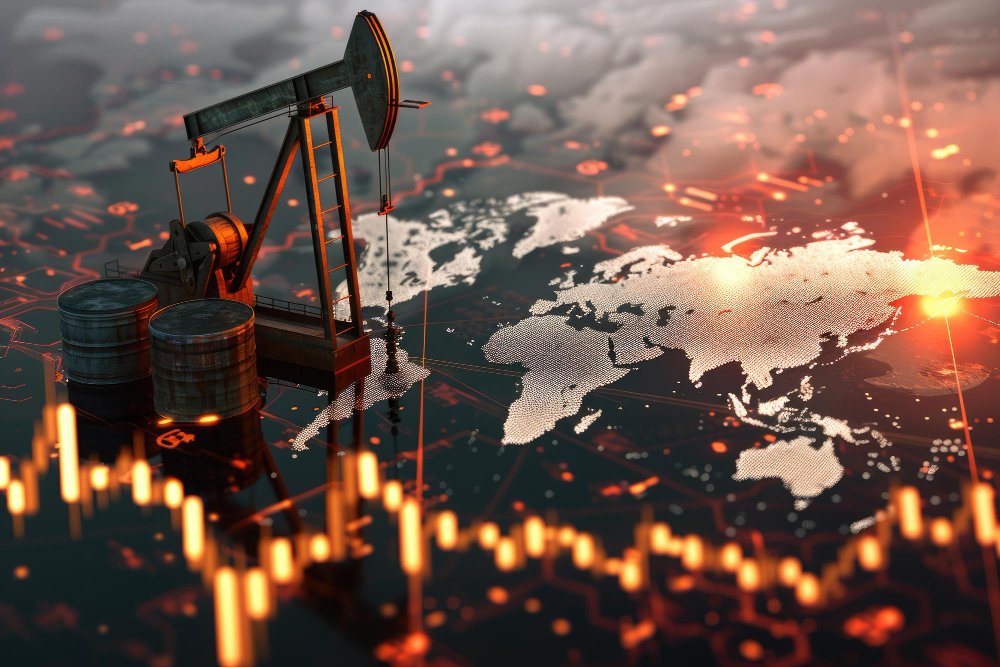
President Donald Trump hosted executives from major oil companies including Exxon Mobil, Chevron, and ConocoPhillips at the White House, urging them to commit at least $100 billion to rebuild Venezuela’s dilapidated energy infrastructure following the U.S. military’s seizure of former leader Nicolás Maduro on January 3. Trump promised U.S. guarantees for security and quick returns, emphasizing opportunities to boost production from the country’s vast reserves—the world’s largest—while aiming to lower global energy prices. The meeting comes as the administration enforces an oil embargo through tanker seizures and plans to market Venezuelan crude, with proceeds held in U.S.-controlled accounts. Opportunities and Administration Incentives Trump highlighted the potential for unprecedented production growth, with Energy Secretary Chris Wright noting the “real possibility” of funding through the U.S. Export-Import Bank. Chevron, the only major U.S. operator still active, is competing with traders like Vitol and Trafigura for licenses to market existing crude. Smaller independents expressed eagerness to invest, while the administration offered protections and profit-sharing arrangements benefiting Venezuela, the U.S., and companies. Risks and Corporate Hesitation Despite the pitch, major players remain cautious. Exxon Mobil’s CEO Darren Woods called Venezuela “uninvestable” currently due to past asset seizures, and both Exxon and ConocoPhillips are hesitant about large commitments amid political instability. Investors worry about high costs, history of nationalizations, and uncertainty in the post-Maduro transition. Analysts note that while smaller firms are enthusiastic, the big majors with the deepest pockets are moving slowly, prioritizing stability guarantees.

Sudan Hits 1,000 Days of War: Millions Still Trapped in World's Worst Humanitarian Crisis
World

Sudan Hits 1,000 Days of War: Millions Still Trapped in World’s Worst Humanitarian Crisis

Sudan reached a tragic milestone of 1,000 days since the outbreak of civil war in April 2023, between the Sudanese Armed Forces (SAF) and the paramilitary Rapid Support Forces (RSF). Aid agencies and international organizations, including the UN Office for the Coordination of Humanitarian Affairs (OCHA) and UNICEF, highlighted the unrelenting suffering of millions of civilians amid ongoing clashes, sieges, and attacks on infrastructure. The conflict has escalated into the world’s largest humanitarian crisis, characterized by massive displacement, acute food insecurity, and widespread violence, with no immediate end in sight despite repeated calls for peace. Escalating Violence and Civilian Toll Fighting continues across regions like Kordofan and Darfur, with sieges on towns such as Kadugli and Dilling cutting off access to food, healthcare, farms, and markets. Recent incidents include drone attacks and long-range strikes on civilian areas, such as one in Al Obeid, North Kordofan, where eight children were killed. OCHA spokesperson Jens Laerke described the situation as dire, noting that “fighting on the ground and drone attacks from the sky continue,” with strikes extending “far beyond the front lines.” Civilians face constant threats from unexploded ordnance in Khartoum and repeated displacement, with violence pursuing them wherever they flee. Humanitarian Catastrophe and Urgent Appeals The war has uprooted 9.3 million people internally and forced over 4.3 million to flee abroad, while more than 21 million face acute food insecurity. Children are especially vulnerable, with 5,000 displaced daily since the conflict began, many repeatedly, and at risk of rape, starvation, and recruitment. UNICEF emphasized that “behind every one of these numbers is a child, frightened, hungry, sick.” Women and girls endure rampant gender-based violence, with female-headed households three times more likely to be food insecure. Funding remains critically low—only 36% of last year’s $4.2 billion appeal was met—prompting urgent calls from UN officials for an immediate cessation of hostilities, protection of civilians, adherence to international humanitarian law, and renewed global funding to assist the 34 million in need.

https://theboardroompk.com/new-dams-approved-to-end-islamabad-rawalpindi-water-crisis/
World

New Dams Approved to End Islamabad, Rawalpindi Water Crisis

The government of Pakistan has taken decisive steps to combat the escalating water crisis in the twin cities of Islamabad and Rawalpindi. On January 10, 2026, Interior Minister Mohsin Naqvi chaired a high-level meeting with officials from the Capital Development Authority (CDA), WAPDA, Punjab government, and other stakeholders. The meeting focused on both immediate relief and sustainable solutions amid reports of worsening shortages, where current supply meets only a fraction of the demand (around 70 MGD against a requirement of approximately 220 MGD). Key decisions included launching an emergency action plan, ordering a strict crackdown on water theft and misuse, and approving new dam projects to boost long-term storage and supply. Emergency Measures and Short-Term Roadmap Minister Naqvi declared water supply to residents as his top priority and directed authorities to utilize all available resources for immediate needs. A comprehensive 10-day roadmap has been demanded to identify flaws in the existing distribution system, fix leaks, and ensure uninterrupted delivery. Officials were instructed to address gaps in infrastructure promptly, with a focus on overhauling the network and preventing wastage. This short-term strategy aims to provide quick relief while larger projects are underway. Long-Term Infrastructure Development For sustainable solutions, the CDA and Punjab government will collaborate on constructing new dams. The Dotara Dam, designed to store 110 million gallons per day (MGD), has been approved for completion within two years. Progress updates were also reviewed on the Chirah and Shahdara dam projects, with authorities fast-tracking feasibility, funding, and timelines (targeting completion by December 2027 for some). These initiatives are expected to significantly enhance water availability for both urban and rural areas in the capital region, addressing chronic shortages driven by population growth, declining groundwater levels, and inadequate storage.

Major Oil Firms Gather at White House on Reviving Venezuelan Crude
World

Major Oil Firms Gather at White House on Reviving Venezuelan Crude

Washington, January 9, 2026 – The White House is set to host a pivotal meeting on Friday with leading U.S. and international oil companies to explore investment opportunities in Venezuela’s energy sector, aiming to revitalize crude production in the sanctions-burdened nation following recent political upheaval. Read More: https://theboardroompk.com/crude-oil-prices-climbed-as-geopolitical-risks-rise-iran-unrest-venezuelan-supply-worries/ Broad Participation from Industry Leaders The gathering includes a diverse array of producers, refiners, traders, and oilfield services firms with historical or potential ties to Venezuela. Key attendees comprise Chevron Corp, Exxon Mobil, ConocoPhillips, Continental Resources, Halliburton, Valero Energy Corp, Marathon Petroleum Corp, Shell, Repsol, Eni, and traders such as Trafigura and Vitol Americas. Smaller players like HKN Inc., Aspect Holdings, Tallgrass Energy, Raisa Energy, and Hilcorp Energy are also invited. Senior Trump administration officials, including Secretary of State Marco Rubio, Energy Secretary Chris Wright, and Interior Secretary Doug Burgum, will join the discussions. A White House official confirmed the focus on potential investments to boost output, amid efforts to redirect Venezuelan oil flows toward U.S. interests. Context of Sanctions Relief and Production Revival The meeting follows U.S. actions that removed former President Nicolas Maduro and announcements of deals to access up to 50 million barrels of Venezuelan crude. While the article notes no explicit agenda on sanctions, the broader push involves selective rollback to facilitate American involvement. Industry sources indicate companies seek guarantees amid risks, with larger firms cautious while independents show eagerness. This initiative aligns with President Trump’s vision for U.S. firms to rebuild Venezuela’s infrastructure and tap its vast reserves.

Crude Oil Prices Climbed as Geopolitical Risks Rise: Iran Unrest & Venezuelan Supply Worries
World

Crude Oil Prices Climbed as Geopolitical Risks Rise: Iran Unrest & Venezuelan Supply Worries

Crude oil prices climbed sharply this week as global markets digested a mix of escalating geopolitical risks and supply uncertainties centered on Iran and Venezuela. These developments have triggered renewed investor concern over the stability of crude oil flows, lifting benchmark prices while reminding stakeholders of the fragile balance between supply and demand in 2026. Read More: https://theboardroompk.com/us-seizes-two-venezuela-linked-tankers-amid-escalating-oil-control-pushdramatic-atlantic-and-caribbean-operations-heighten-tensions/ Understanding the key drivers behind this price movement is essential for business leaders, investors, and supply chain professionals navigating today’s volatile energy landscape. What Happened With Oil Prices This Week? Recent market data shows: • Brent crude futures rose approximately 0.7%–1.3%, trading near $62–$63 per barrel.• West Texas Intermediate (WTI) also climbed by about 0.6%–1.3%, near $58 per barrel.• Both benchmarks posted their third weekly gain following two consecutive days of decline earlier in the week. These price moves reflect heightened risk premiums as traders reassess possible supply constraints. Key Drivers Behind the Oil Price Surge 1. Iran Unrest and Production Risks Civil unrest in Iran: including widespread protests and internet disruptions in major cities has sparked fears of potential disruptions to oil output or logistics. As one commodity analyst noted, protests “seem to be gathering momentum” and are seen by markets as a risk factor that could limit Iran’s ability to produce and export crude. Iran remains one of OPEC’s key producers, so any impact on its output can disproportionately affect global supply expectations. Even if physical production hasn’t been officially curtailed yet, market perceptions of risk are pushing prices higher. 2. Venezuela’s Supply Uncertainty and Strategic Negotiation While Venezuela’s oil industry has struggled under years of sanctions and declining production, recent political shifts have drawn intense market focus. U.S. negotiations with major oil companies and trading houses including Chevron, Vitol, and Trafigura to market some 50 million barrels of Venezuelan crude could reshape export dynamics. At the same time, uncertainty over Venezuela’s ability to reliably export crude including potential tanker seizures and logistical bottlenecks continues to support prices as traders weigh upside risks to supply. 3. Broader Geopolitical Tensions Oil markets are also watching the ongoing Russia–Ukraine conflict for potential impacts on Russian crude exports. Any deterioration in that situation could further restrict global supplies, adding to the current risk premium embedded in prices. Market Dynamics: Oversupply vs. Geopolitical Risk Despite recent price gains, analysts caution that structural oversupply remains a headwind. Strong output from major producers including the U.S., Saudi Arabia, and other OPEC+ members continues to press on inventories, limiting the upside potential of crude benchmarks. In fact, several forecasts suggest that global supply could outpace demand in 2026, applying downward pressure on prices unless geopolitical disruptions intensify further. Business Implications of Rising Crude Oil Prices For companies and markets, crude oil price movements have wide ripple effects: • Transportation and logistics costs rise with higher fuel prices.• Manufacturing across chemicals and plastics sectors may experience margin pressures.• Consumer energy prices can climb, affecting inflation and consumer spending.• Energy equities and commodities portfolios may face volatility depending on corporate exposure. Understanding the interplay between geopolitical risk and baseline supply/demand fundamentals is critical for effective risk management and pricing strategies. Takeaways for Energy Market Watchers • Crude Oil Prices Climbed this week due to escalating geopolitical risks tied to Iran and Venezuela.• Market leaders should monitor production reports from OPEC+ and global inventory data.• Geopolitical developments not just economics are currently the dominant catalyst in short-term oil pricing. By staying informed on these dual influences, business leaders can better anticipate price trends and mitigate risk in procurement, finance, and strategic planning.

Facebook Parent Company, Meta, Inks Nuclear Deals for 6.6 GW to Power AI Ambitions
World

Facebook Parent Company, Meta, Inks Nuclear Deals for 6.6 GW to Power AI Ambitions

Washington, January 9, 2026 – Meta Platforms has announced landmark 20-year agreements with three companies—Vistra, Oklo, and TerraPower—to secure up to 6.6 gigawatts of nuclear energy by 2035, positioning the tech giant as one of the largest corporate buyers of nuclear power in U.S. history amid surging demand for AI infrastructure. Partnerships with Existing and Emerging Nuclear Providers The deals include power purchase agreements with Vistra for output from three plants: Perry and Davis-Besse in Ohio, and Beaver Valley in Pennsylvania, supporting lifespan extensions and capacity increases. Additionally, Meta is backing small modular reactor (SMR) developments with Oklo (up to 1.2 GW in southern Ohio, potentially online by 2030) and TerraPower (initially 690 MW for two reactors, expandable to more by 2035, targeting 2032 start). These build on Meta’s 2025 agreement with Constellation to sustain an Illinois reactor. Joel Kaplan, Meta’s chief global affairs officer, stated the pacts will “make Meta one of the most significant corporate purchasers of nuclear energy in American history.” Executives from TerraPower and Oklo praised the support for accelerating deployments and early procurement. Driving Force: Explosive AI Power Needs The agreements address Big Tech’s escalating electricity requirements, as AI and data centers reverse two decades of flat U.S. power demand. Meta’s 2024 request for 1-4 GW of new nuclear capacity underscores this shift toward reliable, carbon-free sources. Market reactions were positive, with Oklo shares jumping nearly 20% and Vistra rising 8% in premarket trading. The moves highlight nuclear’s revival, including SMRs for cost efficiencies, though commercial U.S. deployments remain pending regulatory approvals.

US Seizes Two Venezuela-Linked Tankers Amid Escalating Oil Control Push Dramatic Atlantic and Caribbean Operations Heighten Tensions
World

US Seizes Two Venezuela-Linked Tankers Amid Escalating Oil Control Push,Dramatic Atlantic and Caribbean Operations Heighten Tensions

WASHINGTON — The United States seized two Venezuela-linked oil tankers on Wednesday, including one flying Russia’s flag, as President Donald Trump’s administration intensifies efforts to control Venezuelan oil flows following the capture of President Nicolas Maduro. U.S. Coast Guard and special forces boarded the Russian-flagged Marinera (formerly Bella-1) in the North Atlantic after a weeks-long pursuit, and intercepted the Panama-flagged M Sophia near South America. Read More: https://theboardroompk.com/saudi-arabia-negotiates-jf-17-purchase-for-2b-loans-on-pakistan/ The operations mark an escalation of Trump’s blockade on sanctioned vessels, imposed after Maduro’s dramatic raid capture in Caracas over the weekend. Officials described the tankers as part of a “shadow fleet” evading sanctions, with the Marinera shadowed by Russian vessels during the chase.China Decries ‘Bullying’ as Oil Prices Decline Beijing strongly condemned the seizures, calling them “bullying” and a threat to global energy security, as China remains Venezuela’s largest oil buyer. The moves coincide with a U.S.-Venezuela deal to redirect up to 50 million barrels of crude—worth around $2-3 billion—to American markets, diverting supplies previously headed to China. Global oil prices dropped over 1% on expectations of increased supply flooding the market. Analysts note the unlocked stranded cargoes could ease 2026 oversupply concerns. Russia protested the Marinera seizure, demanding crew safety, while the White House insisted the vessel was “stateless” despite its flag change. The actions underscore Trump’s strategy to leverage Venezuela’s vast reserves for U.S. benefit, promising to use proceeds for American products and industry revival. Critics warn of heightened geopolitical risks with Russia and China.

BYD New Energy Vehicle Sales 2025 Set New Global Benchmark
Breaking News, World

BYD New Energy Vehicle Sales 2025 Set New Global Benchmark

BYD New Energy Vehicle Sales 2025 have once again positioned the company as the world’s leading New Energy Vehicle (NEV) manufacturer, with global sales surpassing 4.6 million units. This achievement allows BYD to retain its No.1 global ranking, underscoring its dominance in the fast-growing electric and hybrid vehicle market. Read More: The milestone reflects BYD’s sustained momentum in a highly competitive automotive landscape, driven by technological innovation, superior product quality, and a strong commitment to customer-centric mobility solutions. BYD New Energy Vehicle Sales 2025 Highlight Global Leadership BYD’s performance in 2025 reinforces its long-standing leadership in the NEV sector. The company has successfully navigated shifting consumer preferences, regulatory transitions, and global sustainability demands by focusing on electric and plug-in hybrid technologies. A defining highlight of BYD New Energy Vehicle Sales 2025 is its international breakthrough. For the first time, BYD’s overseas sales crossed the one-million-unit mark in a single year, demonstrating strong global confidence in the brand. This expansion signals BYD’s transformation from a China-centric manufacturer into a truly global NEV powerhouse, with increasing presence across Asia, Europe, the Middle East, and emerging markets such as Pakistan. BYD Pakistan Growth Reflects Rising NEV Adoption Commenting on the company’s performance, Lei Jian, Country Head of BYD Pakistan, described 2025 as a landmark year. He highlighted that beyond record-breaking global sales, BYD is witnessing exceptional acceptance outside its home market. Since entering Pakistan in 2024, models including the BYD ATTO 3, BYD SEAL, and BYD SHARK 6 have generated strong consumer interest. Pakistani buyers are increasingly embracing advanced electric vehicle technologies that deliver efficiency, performance, and sustainability—aligning with BYD’s long-term vision for new energy mobility. BYD’s Technology Advantage Driving New Energy Vehicle Sales A major factor behind BYD New Energy Vehicle Sales 2025 is the company’s deep technological integration across the entire NEV value chain. Founded in 2003, BYD Auto operates as the automotive arm of BYD, a global high-tech enterprise focused on sustainable innovation. Unlike traditional automakers, BYD has developed in-house expertise in critical components, including batteries, electric motors, and electronic control systems. This vertical integration enables cost efficiency, quality control, and faster innovation cycles. Industry-Leading Innovations Powering BYD New Energy Vehicle Sales 2025 BYD has consistently introduced breakthrough technologies that set industry benchmarks. These include the Blade Battery, known for enhanced safety and longevity, and advanced hybrid systems such as DM-i and DM-p, which balance fuel efficiency with high performance. The company’s e-Platform 3.0, Cell-to-Body (CTB) integration, iTAC intelligent torque control, DiSus Intelligent Body Control System, and XUANJI Architecture collectively enhance vehicle stability, range, and driving intelligence. Notably, BYD became the first global automaker to fully discontinue fossil-fuel vehicle production, reinforcing its commitment to clean energy mobility. China Market Strength Supports Global Expansion In its home market, BYD has remained the top-selling new energy passenger vehicle brand in China for over a decade. This consistent domestic leadership provides the scale, financial strength, and manufacturing expertise that support its global expansion strategy. The strong performance in BYD New Energy Vehicle Sales 2025 confirms that the company’s China-led innovation model translates effectively into international markets. Future Outlook: BYD and Sustainable Mobility Looking ahead, BYD continues to invest heavily in research and development while expanding its international footprint. The company’s strategy focuses on delivering high-performance, technologically advanced NEVs tailored to diverse regional needs. With rising demand for electric mobility and supportive government policies worldwide, BYD New Energy Vehicle Sales 2025 represent not just a record year, but a foundation for long-term global leadership including accelerated growth in Pakistan.

Trump Announces Venezuela to Hand Over Up to 50 Million Barrels of Oil to US
World

Trump Announces Venezuela to Hand Over Up to 50 Million Barrels of Oil to US

US President Donald Trump has declared that Venezuela’s interim authorities will transfer between 30 and 50 million barrels of high-quality sanctioned oil to the United States, valued at around $2.8 billion, in a move tied to recent political upheaval in the South American nation. Details of the Oil Transfer Agreement In a post on Truth Social, Trump stated that the oil would be sold at market prices, with proceeds controlled by him to benefit both Venezuelans and Americans. This follows a US-backed military operation that ousted long-time President Nicolás Maduro, who was subsequently extradited to the US facing drug-trafficking and weapons charges. Delcy Rodríguez, Maduro’s former vice-president, was sworn in as interim president shortly before the announcement. Trump also expressed optimism about reviving Venezuela’s oil sector, predicting US industry operations there within 18 months and substantial investments. International Reactions and Historical Context China strongly condemned the US demands, including reported requirements for Venezuela to sever ties with Beijing, Moscow, Tehran, and Havana in exchange for an exclusive oil partnership. A Chinese foreign ministry spokesperson called it “bullying” and a violation of international law and sovereignty. Analysts note Venezuela holds the world’s largest proven reserves but production has plummeted due to sanctions and mismanagement. Historical disputes, including nationalizations under Hugo Chávez, complicate US claims of “stolen” oil assets. Major US firms like Chevron continue operations cautiously, while others monitor developments amid skepticism over quick production ramps-up due to infrastructure challenges.

Zuckerberg Turns 40: Wife Recreates Childhood Room and Iconic Harvard Dorm
World

Zuckerberg Turns 40: Wife Recreates Childhood Room and Iconic Harvard Dorm

For Mark Zuckerberg’s 40th birthday in 2024, his wife Priscilla Chan delivered a gift that resonated far beyond material value—one rooted in nostalgia, love, and shared history. Rather than opting for luxury, Chan meticulously recreated two pivotal spaces from Zuckerberg’s life: his childhood bedroom and the Harvard dorm room where Facebook was born. A Journey Back to Humble Beginnings The childhood bedroom recreation captured the essence of young Mark’s formative years—a space filled with computers, books, posters, and the desk where his passion for coding and invention first flourished. Every detail, from furniture placement to personal mementos, reflected Chan’s deep understanding of her husband’s origins. It served as a poignant reminder of the curious boy who tinkered endlessly, long before his ideas transformed the world. For Zuckerberg, stepping into this recreated room was like revisiting the quiet spark that ignited his extraordinary journey. Symbolism of the Harvard Dorm Recreation Even more symbolic was the recreated Harvard dorm room, the very place where late-night coding sessions turned into the foundation of a global platform. This was not just Zuckerberg’s turning point; it was where he and Chan first met, making it a cornerstone of their personal story too. The gesture honored not only his professional breakthrough but also their intertwined lives. The surprise quickly captured hearts online, going viral for its emotional depth. Netizens praised it as a masterclass in thoughtful gifting, proving that the most powerful presents celebrate identity, growth, and the unseen moments that shape success.

Scroll to Top