World

VEON May Launch Starlink in Pakistan This Year via Jazz Partnership
World

VEON May Launch Starlink in Pakistan This Year via Jazz Partnership

DUBAI/ISLAMABAD: VEON Group, the parent company of Pakistan’s leading mobile operator Jazz, is actively exploring the introduction of Starlink satellite connectivity in the country, potentially as early as this year. Read More: https://theboardroompk.com/pakistan-requests-saudi-oil-reroute-via-yanbu-to-bypass-hormuz-closure/ This follows VEON CEO Kaan Terzioglu’s comments at Mobile World Congress in Barcelona, where he expressed hope for a launch in at least one of Pakistan, Bangladesh, or Uzbekistan in 2026, building on successful integrations elsewhere. Strong Momentum from Ukraine and Kazakhstan In Ukraine, VEON’s subsidiary Kyivstar has rolled out Starlink services amid ongoing challenges, with current users at around 5 million. Terzioglu projected this figure to surge to approximately 12 million by year-end—representing roughly half of Kyivstar’s customer base. The service has proven essential for maintaining connectivity during power outages and in hard-to-reach areas, driving expectations for similar benefits in other markets. In Kazakhstan, VEON’s Beeline unit is on track for full Starlink operations by the end of March 2026, starting with messaging and expanding to data and voice. Pakistan’s Potential as Key Market Pakistan, with its vast rural and remote regions lacking reliable terrestrial coverage, stands out as a prime candidate for satellite-to-mobile technology. Jazz, serving tens of millions, could leverage Starlink Direct to Cell to deliver seamless SMS, voice, and data without traditional towers. The non-exclusive partnership with Starlink positions VEON to address coverage gaps in underserved parts of Pakistan, enhancing resilience for users in hilly terrains, flood-prone areas, and border regions. Terzioglu highlighted conditions like favorable pricing, taxation, and regulation as critical for rollout. Pakistan’s telecom authority would need to approve any deployment, aligning with ongoing efforts to boost digital inclusion. Longer-Term Vision for South Asia VEON sees satellite tech transforming connectivity in large-population, underserved markets across South Asia, Latin America, and Africa over the next 3-5 years. For Pakistan, this could mean improved access to education, e-commerce, banking, and emergency services. The group’s recent initiatives, including the “Invest in Pakistan, NOW!” campaign with JazzWorld, underscore commitment to digital growth and attracting investment. As competition in satellite-to-phone intensifies, VEON’s push into Pakistan could significantly narrow the digital divide, bringing reliable connectivity to millions.


After Pentagon Pact, OpenAI Considers Contract with NATO Networks
World

After Pentagon Pact, OpenAI Considers Contract with NATO Networks

BRUSSELS/WASHINGTON: OpenAI is exploring a contract to deploy its artificial intelligence technology on NATO’s unclassified networks, according to a person familiar with the matter, according to Reuters. The discussions come just days after the ChatGPT developer finalized an agreement with the U.S. Pentagon to use its models on classified defense networks. Read More: https://theboardroompk.com/ccp-clears-way-for-institutional-real-estate-investment-ise-towers-restructuring-gets-green-signal/ Recent Pentagon Deal Sets Precedent OpenAI announced the Pentagon partnership late last week, following U.S. President Donald Trump’s directive to halt federal work with rival Anthropic over concerns about AI safeguards. The deal allows deployment in classified environments with restrictions, including no use for domestic surveillance of U.S. persons or by intelligence agencies like the NSA. OpenAI CEO Sam Altman described the Pentagon arrangement as a “complex, but right decision” with short-term PR challenges, while emphasizing shared commitments to ethical boundaries. Clarification on NATO Scope The Wall Street Journal first reported the NATO opportunity, citing Altman telling staff that OpenAI aimed to deploy across all NATO classified networks. An OpenAI spokeswoman later clarified to the Journal that Altman misspoke—the potential contract targets only unclassified networks. This limitation aligns with cautious expansion into government and alliance settings while maintaining core principles on AI use. Broader Context and Implications NATO, a 32-member military alliance, did not immediately comment on the reports. The move could enhance AI tools for non-sensitive operations, such as logistics, analysis, or planning in unclassified environments. OpenAI, backed by Microsoft, Amazon, and others, has positioned its “OpenAI for Government” initiative (launched in 2025) to serve public sector needs beyond the U.S., with NATO marking potential European traction. Ethical and Strategic Considerations The Pentagon deal includes affirmations against mass surveillance or autonomous weapons without human oversight, amid rival Anthropic’s opposition to looser guardrails. Similar safeguards may apply if the NATO talks progress. Analysts see this as part of accelerating AI integration in defense alliances, though it risks backlash from users concerned about military applications. Discussions remain exploratory, with no confirmed timeline or final agreement. The development highlights OpenAI’s growing role in strategic government partnerships amid geopolitical shifts.

EU Capitals Resist Ukraine’s Bid for Fast-Track Membership
World

EU Capitals Resist Ukraine’s Bid for Fast-Track Membership

Ukraine’s ambition to secure a “fast-track” path into the European Union as a key component of a potential peace settlement has encountered significant resistance from member state governments. Read More: https://theboardroompk.com/fpcci-demands-50-fee-reduction-for-women-chambers-to-support-women-entrepreneurs/ President Volodymyr Zelenskyy has set a target date of 2027 for Ukraine’s accession, hoping this will provide his country with essential security, stability, and a clear path toward post-war prosperity. Concerns Over Institutional Stability Diplomats within the EU warn that an accelerated process could create a “Pandora’s box” of logistical and political complications. Heavyweights like France and Germany are reportedly skeptical about reforming the standard accession process, which is historically long and deeply bureaucratic. Officials fear that fast-tracking could undermine the integrity of the EU, potentially allowing new members to bypass critical democratic and economic reforms, such as anti-corruption measures, before they are fully integrated into the bloc’s decision-making frameworks. Balancing Peace and Standards While the European Commission has explored concepts like “reverse enlargement”—allowing countries to join before meeting every technical benchmark—these ideas face stiff opposition. Analysts suggest that the rise of anti-enlargement and populist movements across Europe makes it politically difficult for leaders to accelerate a process that lacks broad public consensus. Ukraine’s negotiators have proposed safeguards, including rigorous monitoring and transition periods for subsidies, but European officials remain wary, fearing that an expedited entry could set a destabilizing precedent for other candidate nations.

Qatar LNG Halt Due to the US-Iran War Offers Unexpected Relief to Pakistan's Gas Glut Crisis
World

Qatar LNG Halt Due to the US-Iran War Offers Unexpected Relief to Pakistan’s Gas Glut Crisis

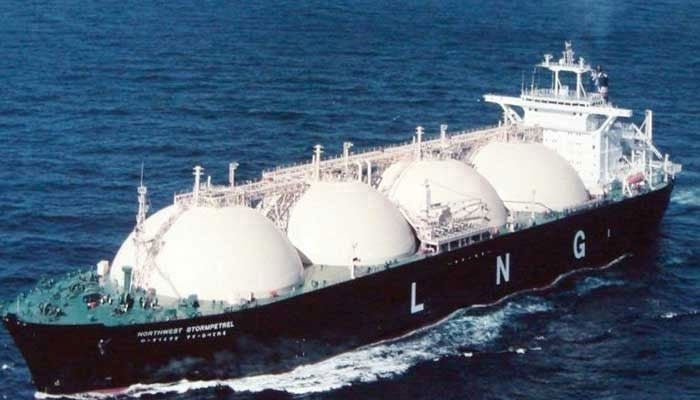
The Qatar LNG production halt amid the escalating Iran conflict has sent shockwaves through global energy markets, removing about 20% of worldwide supply and causing benchmark prices to surge sharply in Asia and Europe. Read More: https://theboardroompk.com/qatarenergy-lng-production-halt-sends-shockwaves-through-global-energy-markets/ While most Asian importers scramble for alternatives amid fears of shortages and blackouts, Pakistan stands out as an unexpected beneficiary due to its ongoing domestic LNG glut. Pakistan, which sources nearly all its LNG from Qatar, relies heavily on these imports. However, persistent oversupply in recent years—driven by weak domestic demand, surging solar adoption, and high contracted volumes—has forced local gas extraction companies to curtail output significantly. Pakistan’s LNG Glut Turns Delay into Relief Delivery delays from Qatar, triggered by the facility shutdowns at Ras Laffan and Mesaieed plus disrupted shipping through the Strait of Hormuz, could provide breathing room for Pakistan. The surplus has already led to reduced regasification at terminals and curtailed production from domestic fields, resulting in estimated annual losses of hundreds of millions of dollars for local producers. Officials plan to ramp up domestic natural gas output and further lower regasification rates to manage the situation. Unlike neighbors such as Bangladesh, which brace for potential power crises similar to post-2022 Ukraine disruptions, Pakistan avoids immediate pressure to chase expensive spot-market cargoes. Economic and Forex Benefits Emerge The glut has drained Pakistan’s foreign exchange reserves through costly imports amid low consumption. With fewer incoming cargoes in the short term, the country preserves precious forex that would otherwise go toward payments for unneeded volumes. This temporary reprieve eases strain on the balance of payments and supports efforts to renegotiate or defer long-term Qatar contracts. Industry sources note that while prolonged conflict risks eventual shortages if domestic production cannot fully compensate, the current delays align with Pakistan’s need to clear excess supply and revive curtailed local fields. The crisis highlights contrasting vulnerabilities across Asia: acute shortages for most, but a rare silver lining for oversupplied Pakistan.

Middle East Conflict Credit Risk: A Stress Test for Gulf Economies
World

Middle East Conflict Credit Risk: A Stress Test for Gulf Economies

Middle East Conflict Credit Risk is once again in the spotlight as geopolitical tensions escalate following recent strikes involving Iran, Israel, and the United States. According to Fitch Ratings, Gulf economies may be resilient in the short term but a prolonged conflict could reshape the region’s financial stability in ways investors cannot ignore. Middle East Conflict Credit Risk and Short-Term Resilience Despite rising tensions, most Gulf sovereigns appear financially equipped to absorb immediate shocks. Strong fiscal buffers, accumulated oil revenues, and strategic reserves provide a cushion against temporary disruptions. Fitch’s baseline scenario suggests the conflict could last less than a month, largely due to Iran’s constrained military capacity and Washington’s reluctance to engage in a prolonged war. However, even a short conflict brings heightened uncertainty, particularly as retaliatory actions from Iran and allied groups may intensify. In the near term, the region’s economic machinery may slow but not stall. Energy Flows: The Core of Middle East Conflict Credit Risk The biggest threat lies at the heart of global energy supply: the Strait of Hormuz. This narrow passage handles more than 20 million barrels of oil, refined products, and LNG daily making it one of the most critical chokepoints in the global economy. Fitch warns that even without direct infrastructure destruction, the Strait could effectively become inaccessible due to security threats, insurance challenges, and logistical disruptions. While major producers like Saudi Arabia and the UAE have alternative export routes and overseas reserves, others remain vulnerable. Countries such as Bahrain, Kuwait, Qatar, and Iraq depend heavily on this route, exposing them to short-term export shocks. That said, rising oil prices could partially offset revenue losses, softening the immediate fiscal blow. Economic Ripple Effects Beyond Oil The Middle East Conflict Credit Risk extends beyond energy markets. Non-oil sectors often seen as the future of Gulf diversification are also at risk. Air travel disruptions, reduced tourism, declining consumer confidence, and potential expatriate outflows could temporarily weaken key industries like real estate and hospitality. For nations positioning themselves as global business hubs, even short-term instability can have lasting reputational consequences. Investor sentiment is fragile, and perception often matters as much as reality in global markets. Sovereign Credit Ratings Under Pressure Fitch highlights that geopolitical risks are already embedded in sovereign ratings across the region. However, escalation could trigger further downgrades. Countries with strong reserves and diversified revenue streams are better positioned to maintain stability. In contrast, nations with higher dependency on a single export route or sector face elevated risks. Meanwhile, Israel faces a different challenge. Sustained military mobilization, particularly involving reservists, could strain public finances and economic output. Fitch has already assigned a Negative Outlook, signaling potential rating pressure if the conflict drags on. The Uncertainty Factor: What Happens Next? At its core, Middle East Conflict Credit Risk is driven by uncertainty. While a short-lived conflict may leave only temporary scars, prolonged instability could have deeper consequences. Two critical factors will determine the region’s financial trajectory: • The duration and intensity of the conflict• The extent of disruption to energy exports and infrastructure Additionally, any shifts in Iran’s internal political stability could introduce new variables into an already volatile equation. Final Thoughts: Resilient-but Not Immune Gulf economies have proven their resilience time and again, supported by vast reserves and strategic foresight. However, resilience is not immunity. The current crisis serves as a reminder that even the strongest economies are interconnected with geopolitical realities. As markets watch closely, the balance between conflict containment and escalation will define not just regional stability but global economic sentiment.

Gold Price Globally Surge Amid Middle East Conflict
World

Gold Price Globally Surge Amid Middle East Conflict

The gold price globally surge amid Middle East conflict is capturing global attention as investors rush toward safe-haven assets in response to escalating geopolitical tensions. With uncertainty gripping financial markets, gold has once again proven its enduring appeal as a store of value during times of crisis.Spot gold prices climbed sharply, rising by 1.52% to $5,356.34 per ounce as of mid-morning trading, reflecting heightened demand among investors seeking stability in volatile conditions. Read More: https://theboardroompk.com/qatarenergy-lng-production-halt-sends-shockwaves-through-global-energy-markets/ Rising Geopolitical Tensions Fuel Gold Price Surge The gold price globally surge am the id Middle East conflict is closely tied to intensifying military developments involving United States, Israel, and Iran. Reports of potential escalation into a prolonged regional conflict have rattled markets worldwide. Statements from Donald Trump reaffirming that military operations would continue “as long as necessary” have further deepened investor concerns. The conflict has expanded beyond borders, affecting multiple countries in the region, including Iran, Israel, and Lebanon, and raising fears of broader instability. As a result, investors are shifting capital into traditional safe-haven assets primarily gold triggering a sustained upward movement in prices. Strait of Hormuz Crisis Amplifies Safe-Haven Demand A critical factor behind the gold price globally surge amid Middle East conflict is the escalating threat to global energy supply chains. Iranian media reports suggest that the strategically vital Strait of Hormuz has been closed, with warnings issued to any vessels attempting to pass through. This development carries massive implications for global trade. The Strait of Hormuz is responsible for nearly 20% of the world’s oil shipments. Any disruption could send crude oil prices soaring, increase inflationary pressures, and further destabilize global markets. The uncertainty surrounding oil flows has intensified risk aversion among investors, reinforcing gold’s position as a hedge against geopolitical and economic shocks. Strong Dollar Fails to Deter Gold Rally Interestingly, the gold price globally surge amid Middle East conflict is unfolding despite strength in the U.S. dollar. Typically, a stronger dollar makes gold more expensive for international buyers, limiting demand. However, in times of extreme uncertainty, both gold and the dollar can rise simultaneously. Investors often treat both as safe-haven assets, leading to parallel demand spikes. The dollar recently hovered near a five-week high, yet gold continued its upward trajectory highlighting the severity of current market fears. Precious Metals Follow Gold’s Upward Trend The gold price globally surge amid Middle East conflict has also lifted other precious metals, signaling a broader shift toward defensive investment strategies. Silver rose by 1.4% to $90.67 per ounce, benefiting from both safe-haven demand and industrial use expectations. Platinum recorded a modest increase of 0.6% to $2,316.50, while palladium led gains among its peers, climbing 1.6% to $1,795.08. This synchronized movement across metals indicates that investors are diversifying within the precious metals space to hedge against prolonged instability. Market Outlook: Will the Gold Price Globally Surge Continue? The trajectory of the gold price globally surge amid Middle East conflict will largely depend on how the geopolitical situation evolves in the coming days and weeks. If tensions escalate further or the Strait of Hormuz remains closed, gold prices could continue to climb. On the other hand, any signs of de-escalation or diplomatic breakthroughs may ease market fears and lead to a pullback in gold prices. For now, uncertainty remains the dominant theme and in such an environment, gold continues to shine. The gold price globally surge amid Middle East conflict underscores a fundamental truth of global markets: during times of crisis, investors prioritize safety over risk. With geopolitical tensions intensifying and critical trade routes under threat, gold has reasserted itself as the ultimate safe-haven asset. As the situation unfolds, market participants will closely monitor developments in the Middle East, currency movements, and energy markets all of which will shape the next phase of gold’s rally.

Drone Strike Hits US Embassy in Riyadh Amid Escalating Tensions
World

Drone Strike Hits US Embassy in Riyadh Amid Escalating Tensions

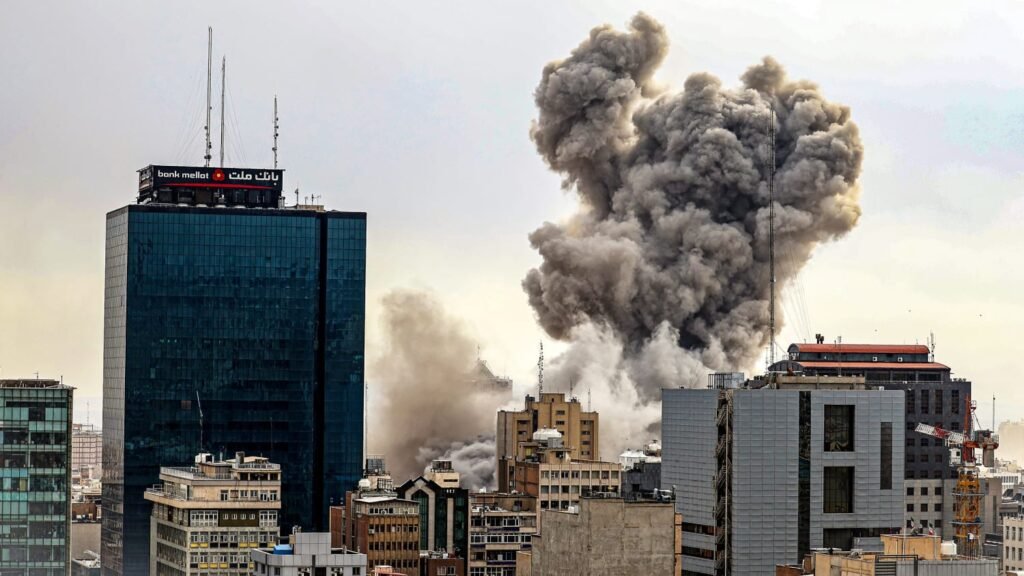
Early Tuesday morning, two drones struck the US Embassy in Riyadh, causing a limited fire and minor material damage. The Saudi Defence Ministry confirmed the incident via a post on X, describing it as an initial assessment. Read More: https://theboardroompk.com/qatarenergy-lng-production-halt-sends-shockwaves-through-global-energy-markets/ A loud blast echoed through the area, with witnesses reporting flames and black smoke rising over the Diplomatic Quarter. The embassy compound houses foreign missions and was largely empty at the time of the attack. No injuries were reported, according to sources familiar with the matter. Regional Retaliation Context This drone attack follows US and Israeli strikes on Iran over the weekend. Iran has launched missile and drone retaliatory actions targeting Gulf states hosting US bases. The strikes appear part of a broader escalation in the ongoing conflict. Saudi air defenses later intercepted and destroyed eight additional drones near Riyadh and Al-Kharj. The incident highlights vulnerabilities in diplomatic security despite existing fortifications. US Response and Security Measures The US Embassy issued a “shelter in place” alert for American citizens in Riyadh, Jeddah, and Dhahran. It advised avoiding the embassy until further notice due to the ongoing threat. An embassy spokesperson did not immediately comment on the attack.The Saudi government media office also remained silent on additional details. This event raises concerns about the safety of US personnel and allies in the region.

QatarEnergy LNG Production Halt Sends Shockwaves Through Global Energy Markets
World

QatarEnergy LNG Production Halt Sends Shockwaves Through Global Energy Markets

QatarEnergy LNG production halt has abruptly shaken global energy markets, igniting fears of supply shortages and sending prices soaring. The sudden disruption comes after coordinated drone attacks targeted critical infrastructure in Qatar, escalating geopolitical tensions across the Gulf. Read More: https://theboardroompk.com/pakistan-inflation-february-2026-cpi-climbs-to-7-is-price-stability-slipping-again/ The state-owned giant QatarEnergy confirmed that its facilities in Ras Laffan Industrial City and Mesaieed Industrial City were struck, forcing a complete suspension of liquefied natural gas (LNG) production. QatarEnergy LNG Production Halt: What Happened? The QatarEnergy LNG production halt was triggered by two drone strikes, reportedly launched from Iran, according to Qatar Ministry of Defence. One drone hit a water tank at a power plant in Mesaieed, while the second targeted a major energy installation in Ras Laffan home to some of the world’s largest LNG export facilities. Despite the scale of the attack, authorities confirmed no casualties. However, the operational impact was immediate and severe, halting LNG output and related production lines. Global Markets React to QatarEnergy LNG Production Halt The QatarEnergy LNG production halt sent an immediate shock through international markets. European natural gas prices surged by nearly 50% within hours of the announcement, underscoring the world’s dependence on Qatar’s energy exports. As one of the largest LNG suppliers globally, Qatar plays a critical role in meeting demand across Europe and Asia. Any disruption especially sudden creates ripple effects across supply chains, energy pricing, and economic stability. Energy analysts warn that prolonged outages could: • Tighten global LNG supply• Increase energy costs for consumers• Intensify inflationary pressures worldwide Rising Gulf Tensions Add to Supply Fears The QatarEnergy LNG production halt is not an isolated incident. The broader region is witnessing a dangerous escalation in attacks on energy infrastructure. In neighboring Saudi Arabia, authorities reported attempted drone strikes on the Ras Tanura refinery one of the world’s largest oil processing facilities. While the drones were intercepted, a minor fire broke out, causing limited damage. Visuals verified by Al Jazeera showed smoke rising from the refinery, highlighting the vulnerability of critical energy assets in the region. Why the QatarEnergy LNG Production Halt Matters The significance of the QatarEnergy LNG production halt extends far beyond regional politics. It underscores a fragile global energy system heavily reliant on a few key exporters. Qatar’s LNG exports are particularly vital for: • Europe, which has diversified away from pipeline gas dependencies• Asian economies with high LNG import demand• Global energy markets balancing supply shortages A disruption at this scale raises urgent questions about energy security and resilience. What Comes Next? Authorities in Qatar have stated that damage assessments are underway, with further updates expected. The timeline for resuming operations remains uncertain, keeping markets on edge. If the QatarEnergy LNG production halt continues, analysts anticipate: • Sustained volatility in gas prices• Strategic reserve releases by importing nations• Increased geopolitical risk premiums in energy markets Final Thoughts The QatarEnergy LNG production halt marks a pivotal moment for global energy stability. As geopolitical tensions intensify, the incident serves as a stark reminder: energy security is no longer just an economic issue it is deeply intertwined with global security dynamics.

Global Oil Prices Surge Amid U.S.-Iran Tensions
World

Global Oil Prices Surge Amid U.S.-Iran Tensions

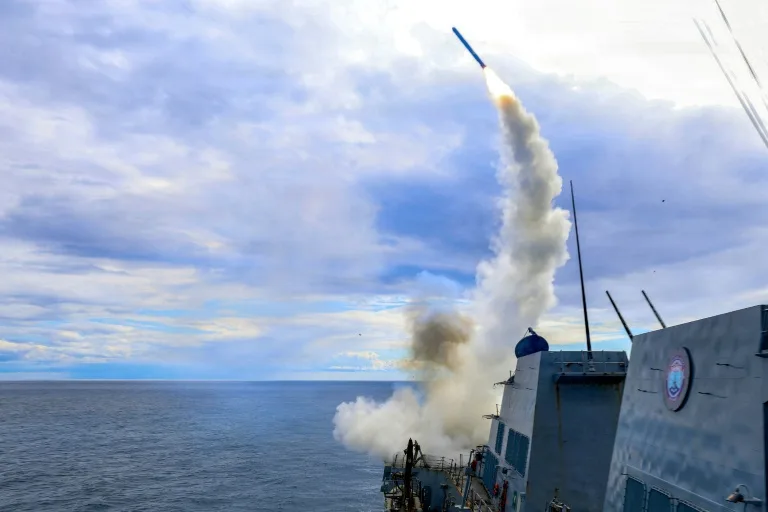
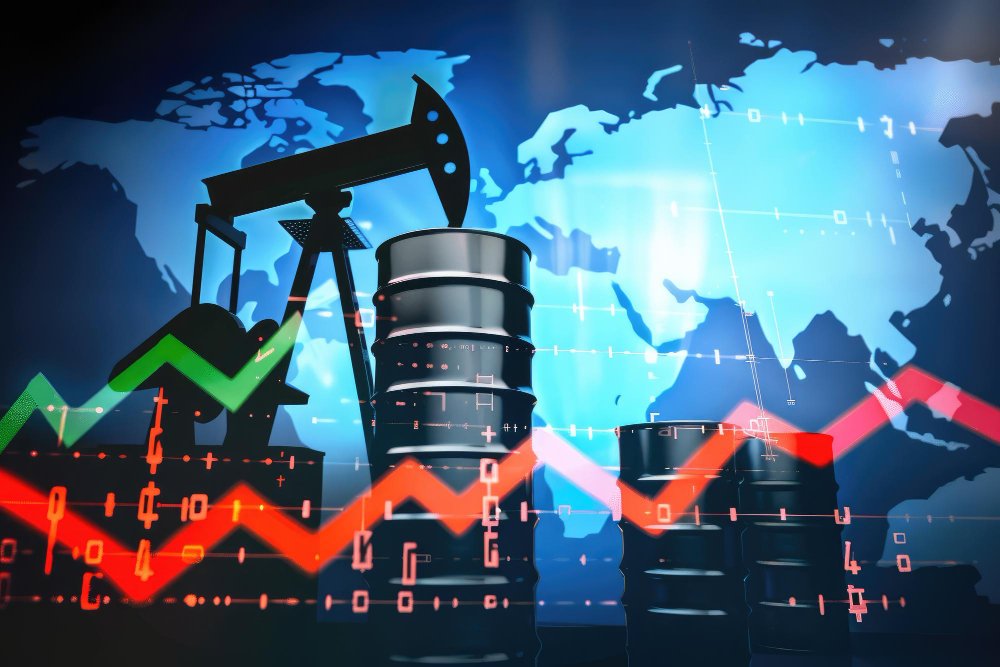
Global oil prices surged dramatically this week as escalating military tensions between the United States and Iran sent shockwaves through energy markets. The sharp rise highlights the fragile balance of global oil supply and raises concerns over potential disruptions in the Middle East. U.S. crude gained more than 8%, climbing $5.55 to settle at $72.57 per barrel, while global benchmark Brent Crude jumped nearly 9% to $79.41 per barrel, reflecting fears over the stability of global oil flows. By the morning of reporting, Brent crude futures edged up by $0.12 (0.17%) to $71.88 per barrel, while West Texas Intermediate (WTI) crude futures rose $3.98 (5.94%) to $71.00 per barrel, according to Mettis Global data. How U.S.-Iran Tensions Are Driving Global Oil Prices The surge in oil prices comes after a series of coordinated airstrikes reportedly carried out by the U.S. and Israel against Iranian targets. This development has intensified geopolitical uncertainty in the region and raised critical questions about Tehran’s leadership stability and potential impacts on Iran’s oil production the fourth-largest in OPEC. Analysts point out that energy markets are particularly sensitive to developments around the Strait of Hormuz, a vital chokepoint for global oil trade. This narrow waterway handles over 14 million barrels per day, roughly one-third of the world’s seaborne crude exports, with major shipments bound for Asia, including China, India, Japan, and South Korea. Supply Chain Concerns and Shipping Slowdowns Heightened security risks have prompted several international shipping lines to scale back or reroute operations in the Middle East. Vessels are reportedly hesitant to transit the Strait of Hormuz, creating a bottleneck that has intensified fears of a supply crunch. Energy consulting firms warn that any prolonged disruption in tanker traffic could tighten global supply dramatically. Combined with Iran’s domestic production of 3.3 million barrels per day, even a partial loss of output could push oil prices higher, especially as demand remains steady. Market Reactions Across Commodities and Equities The geopolitical shockwaves have rippled beyond oil markets: • Gold prices jumped 2.5% to $5,400 per ounce as safe-haven demand surged.• Asian equity markets fell, with Japanese stocks down 1.9% and South Korean shares declining 2%.• Crude oil recorded its largest single-day gain in four years, highlighting the severity of supply disruption fears. Investors are now watching closely to gauge whether tensions escalate further or if diplomatic channels can stabilize the situation. Global banks have already warned that crude prices could continue their upward trajectory if the conflict intensifies. What Comes Next for Global Oil Prices The near-term path of global oil prices will depend on two key factors: Any prolonged disruption could significantly tighten supply and create volatility for energy markets worldwide. For now, traders and investors remain highly sensitive to geopolitical news, with oil prices expected to fluctuate sharply until clarity emerges. In short, global oil prices have entered a highly volatile phase, underscoring the geopolitical risks embedded in energy markets. This is a critical moment for policymakers, traders, and consumers alike, as even small shifts in Middle East stability can ripple across the global economy.

Scroll to Top