World

Delegations Finalize Priority Agenda for Mohammed bin Salman's Pakistan Visit
World

Delegations Finalize Priority Agenda for Mohammed bin Salman’s Pakistan Visit

A high-level Saudi delegation has arrived in Pakistan to advance bilateral cooperation and prepare the ground for an anticipated visit by Saudi Crown Prince and Prime Minister Mohammed bin Salman. The move underscores strengthening economic ties between the two nations, focusing on investment, trade, and sectoral partnerships. Read More: https://theboardroompk.com/gen-z-election-bangladesh-votes-to-shape-future-after-hasina-ouster/ Preparations for Crown Prince’s Visit The delegation includes Ibrahim Al-Mubarak, Assistant Minister of Investment of Saudi Arabia, who is currently in Islamabad. A separate team from the office of Mohammad Al-Tuwaijri, Advisor at the Royal Court and Chair of the Pak–KSA Task Force, is also present. Their primary goal is to conduct a final review workshop of sectoral working groups to finalize the SP-ECF framework. A key joint sectoral session on finance, commerce, and energy is scheduled for February 13, 2026, in Islamabad. Senior Pakistani officials, including secretaries from the Finance, Petroleum, Power, and Commerce divisions, will present overviews, with Saudi counterparts sharing their inputs for deliberations. High-profile attendees include Pakistan’s Minister for Finance, Minister of State for Finance, Commerce Minister, Ministers for Petroleum and Power, Minister for Climate Change Dr. Musadik Malik, Minister for Economic Affairs Ahad Khan Cheema, and others such as the Chairman Federal Board of Revenue and Deputy Governor of the State Bank of Pakistan. Focus on Trade, Investment, and Key Sectors Recent discussions between Federal Minister for Commerce Jam Kamal Khan and Ibrahim Al-Mubarak highlighted an investment-led approach. Both sides emphasized leveraging Pakistan’s production capacity and Saudi Arabia’s capital, market access, and connectivity to explore regional markets in Central Asia, Africa, and ASEAN. Saudi interest was expressed in corporate farming for rice, with investments in mechanization, storage, and logistics for long-term exports. Broader agriculture talks covered fodder, meat, and agri-products, potentially supported by Saudi financing for export-linked projects with guaranteed off-take. Human resource development emerged as a priority, with Saudi shortages in nurses, caregivers, technicians, and hospitality staff. Proposals include train-to-deploy models linking Pakistani vocational training to employment opportunities. Other areas include building materials like limestone and marble, pharmaceuticals, sports goods, footwear, and light manufacturing through joint ventures and contract manufacturing. The talks aim to boost competitiveness, value chains, and employment via follow-up workshops and business engagements.

9 Dead in Canada's Deadliest School Shooting: 18-Year-Old Suspect Identified in Remote B.C. Town
World

9 Dead in Canada’s Deadliest School Shooting: 18-Year-Old Suspect Identified in Remote B.C. Town

Canada is reeling from a tragic mass shooting at Tumbler Ridge Secondary School in remote British Columbia on February 10, 2026, one of the deadliest school attacks in the nation’s history. At least nine people died, including the suspect who died by apparent suicide, with over 25 others injured in the incident that spanned the school and a nearby residence. Official Response and Ministerial Deployment Prime Minister Mark Carney, visibly emotional, addressed the nation, describing the event as a “terrible” tragedy and promising the country would “get through this” and “learn from this.” He postponed international travel, ordered flags on government buildings flown at half-mast for seven days, and announced that Public Safety Minister Gary Anandasangaree was heading to the scene in Tumbler Ridge to coordinate federal support alongside provincial authorities. Carney emphasized national unity, stating it was time for Canadians to “come together… to support each other, to mourn together and to grow together.” A moment of silence was observed in the House of Commons, where Carney reiterated the nation’s shock and mourning. Details of the Attack and Investigation Police identified the suspect as 18-year-old Jesse Van Rootselaar, a local resident and former student who had dropped out years earlier. Authorities noted prior mental health-related police contacts at her home. The shooter first killed her mother and stepbrother at a residence before entering the school, where victims included five students (aged 12-13) and one teacher. The Royal Canadian Mounted Police responded swiftly, crediting quick action with preventing further loss of life. The motive remains under investigation, with no additional details released. British Columbia Premier David Eby indicated reviews of mental health system interactions with the suspect. The small coal-mining community of Tumbler Ridge (population around 2,400) has been left devastated, with the incident marking Canada’s deadliest school shooting since 1989 and one of the worst mass killings overall since 2020.

Belt and Road International General Practitioners Training Course Concludes in Kashgar
World

Belt and Road International General Practitioners Training Course Concludes in Kashgar

The Belt and Road International General Practitioners Training Course has once again placed Kashgar at the center of regional healthcare collaboration. The third session of this flagship medical training initiative recently concluded at the First People’s Hospital of Kashgar, bringing together doctors from Pakistan and Tajikistan alongside 90 grassroots general practitioners from Kashgar’s medical consortiums. Read More: https://theboardroompk.com/pakistan-external-debt-servicing-hits-4-07-billion-in-q2-fy2026/ But this was more than just another training workshop it was a strategic step toward reshaping primary healthcare cooperation under the Belt and Road framework. A Practical Approach to Modern Healthcare The Belt and Road International General Practitioners Training Course focused on transforming theoretical knowledge into practical solutions. Through special lectures, clinical case analysis, and hands-on medical practice, participants explored: • Foundations of general practice and clinical reasoning• Integrated medical and preventive models for chronic disease management• Prevention and control strategies for zoonotic infectious diseases• Coordination mechanisms between primary and specialist hospitals• First-aid and emergency response skills• Public health emergency preparedness• Community-based health education strategies Rather than presenting rigid academic theory, the program emphasized making Chinese medical expertise “learnable, applicable, and replicable” a principle that aligns closely with developing countries seeking scalable healthcare models. Pakistan’s Role in Strengthening Primary Healthcare One of the most compelling aspects of the Belt and Road International General Practitioners Training Course was the active participation of Pakistani doctors. During the session, they shared practical insights into delivering primary healthcare under limited-resource conditions a challenge common across many Belt and Road partner countries. Their contribution highlighted the real-world realities of rural healthcare systems, offering valuable lessons in adaptability, efficiency, and community trust-building. This exchange turned the training into a two-way knowledge partnership rather than a one-sided learning experience. Building Momentum Since 2024 This latest session builds on two successful editions hosted by the First People’s Hospital of Kashgar: • August 2024: The inaugural session brought together medical professionals from Kyrgyzstan and local Kashgar practitioners for customized general practice training.• May 2025: Co-hosted with the Fifth Affiliated Hospital of Sun Yat-sen University, the second session welcomed doctors from Gilgit-Baltistan and Kashgar. Experts from Guangdong and Xinjiang introduced China’s “prevention-treatment-management” primary healthcare model. Each session has progressively strengthened China-Pakistan medical cooperation, laying a structured foundation for long-term healthcare collaboration. Why This Training Matters for the Region The Belt and Road International General Practitioners Training Course reflects a broader shift in global health diplomacy. Instead of focusing solely on infrastructure development, China is increasingly investing in human capital particularly in primary healthcare systems. For Pakistan, Tajikistan, and Central Asian countries, the implications are significant: • Improved chronic disease management frameworks• Better coordination between rural clinics and tertiary hospitals• Enhanced preparedness for infectious disease outbreaks• Stronger community health education systems In an era where public health crises can disrupt economies overnight, strengthening frontline healthcare capacity is both a medical and economic imperative. A Model for Replicable Healthcare Cooperation The Kashgar training program demonstrates how cross-border knowledge exchange can deliver tangible results. By focusing on general practitioners the backbone of any healthcare system the Belt and Road International General Practitioners Training Course is quietly building resilience at the grassroots level. As regional cooperation deepens under the Belt and Road Initiative, healthcare diplomacy is emerging as a powerful pillar alongside trade and infrastructure. For Pakistan and its neighbors, this partnership may well redefine the future of primary healthcare delivery. The real question now is: could this model become the blueprint for broader medical collaboration across Asia?

Oil Prices Climb on Fragile US-Iran Talks and Rising India Demand
World

Oil Prices Climb on Fragile US-Iran Talks and Rising India Demand

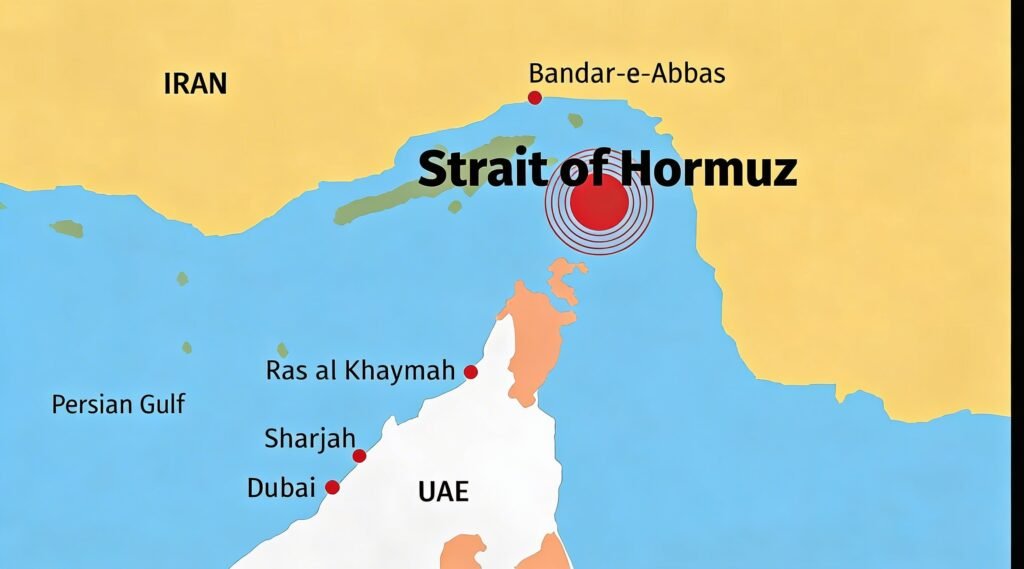
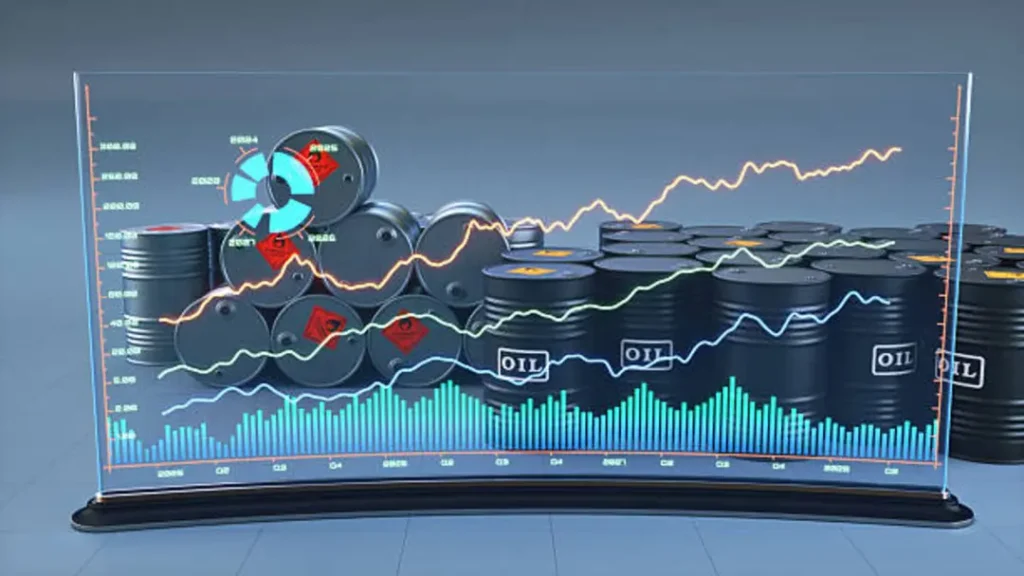
Oil prices rose on February 11, 2026, supported by persistent geopolitical risks from fragile US-Iran diplomatic talks and improved demand signals from India. Read More: https://theboardroompk.com/saudi-arabia-targets-corporate-farming-investments-in-pakistan-for-long-term-food-security/ Brent crude futures climbed 55 cents (0.80%) to $69.35 per barrel by 0356 GMT, while US West Texas Intermediate (WTI) gained 57 cents (0.89%) to $64.53 per barrel. The gains reversed some prior session softness, with markets absorbing recent surplus while awaiting fresh US inventory data. Geopolitical Risks Fuel Bullish Sentiment Escalating tensions in US-Iran relations provided a key risk premium. Talks held in Oman last week showed some consensus to continue diplomacy, but fragility persists amid ongoing sanctions, tariff threats on Iranian trade, and a heightened US military presence in the region. Reports of potential US deployment of a second aircraft carrier to the Middle East if negotiations fail dashed hopes for quick resolution. LSEG analysts noted that oil retains a “bullish tail-risk bid” due to the tenuous talks, Strait of Hormuz concerns, and sanctions pressure. Iran’s foreign ministry indicated the discussions help gauge US seriousness, yet uncertainty keeps traders cautious. India Demand and Supply Dynamics Support Prices Better demand from India contributed to easing surplus concerns. Indian refiners have shifted away from Russian oil to facilitate a potential trade pact with Washington, increasing purchases from the Middle East and West Africa. Vortexa analyst Xavier Tang highlighted that mainstream oil on water has normalized, with rising Indian demand likely to keep prices supported near-term. This pivot helps absorb barrels previously in surplus from late 2025. Markets also eyed upcoming US Energy Information Administration inventory data, with API figures showing a 13.4 million barrel crude build for the week ended February 6, offset by draws in distillates and gasoline. Overall, the combination of geopolitical tail risks and demand-side strength underpins near-term oil stability amid broader market waiting.

Oil Prices Today Ease as U.S.–Iran Tensions and Global Economic Data Keep Markets Guessing
World

Oil Prices Today Ease as U.S.–Iran Tensions and Global Economic Data Keep Markets Guessing

Oil prices today opened Tuesday on a cautious note, slipping slightly in Asian trading as global markets weighed rising geopolitical risks against critical economic signals from the world’s biggest oil consumers. While crude prices had surged more than 1% in the previous session, traders appeared unwilling to extend gains amid lingering uncertainty surrounding U.S.–Iran relations and upcoming inflation and employment data from the U.S. and China. The oil market, already sensitive to political flashpoints and monetary policy shifts, is now navigating a perfect storm of diplomacy, data, and demand expectations keeping investors glued to every headline. Oil Prices Today: Market Snapshot at a Glance In early Asian hours, Brent crude futures for April edged down 0.1% to $68.99 per barrel, while West Texas Intermediate (WTI) slipped 0.2% to $64.06 per barrel. The modest pullback followed a strong rally a day earlier, when prices jumped after reports suggested Washington was adopting a more cautious stance toward Iran. Instead of listing figures in a table, it’s worth noting that Brent remains just below the psychologically important $70 mark, while WTI continues to trade comfortably above $64, reflecting resilience despite short-term volatility. A softer U.S. dollar earlier in the week also provided some relief to commodity markets, although the greenback recovered slightly on Tuesday, limiting upside momentum for oil prices today. U.S.–Iran Tensions Add a New Risk Premium to Oil Prices Today One of the biggest drivers behind recent price swings is escalating concern over Middle East security. On Monday, the U.S. Department of Transportation’s Maritime Administration issued a stark advisory urging U.S.-flagged vessels to stay as far away from Iranian waters as possible while transiting the Strait of Hormuz and the Gulf of Oman. The advisory specifically recommended ships remain close to Omani territorial waters, citing heightened risks of Iranian forces boarding vessels. This warning reignited fears of supply disruptions in one of the world’s most critical oil transit routes, through which nearly one-fifth of global oil flows. Although recent weekend talks between Washington and Tehran showed signs of diplomatic progress, tensions remain unresolved. Iran’s rejection of calls to halt nuclear enrichment a core U.S. demand has kept geopolitical risk firmly embedded in oil prices today. Economic Data Takes Center Stage for Oil Prices Today Beyond geopolitics, markets are bracing for a wave of economic indicators that could redefine demand expectations. U.S. Data and Interest Rate Outlook In the United States, January nonfarm payrolls are due midweek, followed by consumer price index (CPI) inflation data on Friday. These readings will heavily influence expectations around U.S. interest rates, particularly as speculation grows over an upcoming leadership change at the Federal Reserve. Stronger labor and inflation data could dampen oil demand optimism by reinforcing a higher-for-longer rate environment, while weaker numbers may revive hopes of monetary easing potentially supporting oil prices today. China’s CPI and Lunar New Year Effect In China, the world’s largest oil importer, CPI data is also scheduled for release on Friday, just ahead of the week-long Lunar New Year holiday. Historically, this period sees a spike in travel, fuel consumption, and industrial activity. Analysts expect Chinese travel and fuel demand to rebound sharply, offering a potential cushion for oil prices today if economic data signals stabilization in the world’s second-largest economy. What This Means for Oil Prices Today and Beyond The oil market is currently balancing on a tightrope. On one side are geopolitical risks and maritime security threats, which tend to push prices higher. On the other are macroeconomic uncertainties, including inflation, interest rates, and global growth concerns. For now, oil prices today reflect a wait-and-watch mood where every diplomatic signal and data release has the power to swing sentiment. As tensions simmer in the Middle East and economic indicators roll in from Washington and Beijing, volatility is likely to remain the defining feature of the oil market in the days ahead.

Pakistan Reaffirms GSP Plus Commitment in High-Level EU Trade Review
World

Pakistan Reaffirms GSP Plus Commitment in High-Level EU Trade Review

Islamabad: Deputy Prime Minister and Foreign Minister Senator Mohammad Ishaq Dar chaired a high-level inter-ministerial meeting on Monday to review steps for bolstering Pakistan’s trade and economic ties with the European Union Read More: https://theboardroompk.com/apna-microfinance-bank-mobilink-microfinance-merger-moves-into-spotlight/ The session focused on leveraging the GSP Plus scheme to enhance mutual benefits. Commitment to GSP Plus Obligations Ishaq Dar highlighted the EU as a vital economic partner for Pakistan, especially through the GSP Plus framework. He noted that Pakistan has successfully completed four biennial reviews under the scheme. This achievement underscores the country’s dedication to implementing international conventions on human rights, labour standards, environmental protection, and good governance. The minister reaffirmed Pakistan’s full commitment to meeting all obligations under GSP Plus. Such compliance is seen as essential to expanding duty-free access for Pakistani exports to the European market and fostering long-term trade growth. Inter-Ministerial Coordination and Broader Cooperation The meeting brought together key figures, including Federal Minister for Law and Justice Azam Nazeer Tarar, Special Assistant to the Prime Minister Tariq Bajwa, Secretary Foreign Affairs Ambassador Amna Baloch, and secretaries from commerce, interior, overseas Pakistanis, and human rights ministries. Pakistan’s ambassador to the EU and senior officials from federal and provincial departments also participated. Discussions emphasized deepening engagement beyond trade, including investment, development, security, migration, and climate change. This aligns with recent interactions, such as Prime Minister Shehbaz Sharif’s meeting with EU Ambassador Raimundas Karoblis in late January, where similar commitments were expressed. The government views sustained GSP Plus benefits as critical for export sectors like textiles and leather goods. Continued compliance will help maximize trade opportunities amid evolving global dynamics.

Pakistan, US Gear Up for High-Level Bilateral Talks This Week
World

Pakistan, US Gear Up for High-Level Bilateral Talks This Week

Pakistan and the United States are set to engage in high-level bilateral talks early this week, covering a broad spectrum of international and bilateral matters, with a particular emphasis on trade and investment opportunities. Read More: https://theboardroompk.com/pakistan-stock-exchange-weekly-review-a-calm-surface-hiding-powerful-undercurrents/ Preparations and Scope of Discussions Pakistan’s Ministry of Foreign Affairs (MoFA) has actively coordinated by requesting detailed talking points and briefing materials from numerous ministries and divisions. These include Finance, Commerce, Economic Affairs, Energy, Education, Human Rights, Industries, IT and Telecommunication, Interior, Food Security, Health Services, National Security, Planning, Religious Affairs, Science and Technology, the Special Investment Facilitation Council, and the Pakistan Virtual Assets Regulatory Authority. This wide-ranging input indicates a comprehensive agenda aimed at addressing multifaceted issues beyond just economic ties. Context Amid Regional Tensions The talks are unfolding against a backdrop of heightened regional uncertainty, particularly stemming from the ongoing standoff between Iran and the United States. Despite mediation efforts through Oman, tensions persist in the area. Deputy Prime Minister and Foreign Minister Ishaq Dar has dismissed earlier media reports of a US delegation visiting Pakistan as “disinformation,” clarifying that no such visit is confirmed. The venue for the current discussions has not been publicly disclosed, and the US Embassy in Islamabad has not issued a response on the matter. Broader Diplomatic Engagements These bilateral exchanges coincide with Pakistan’s active international diplomacy. Prime Minister Shehbaz Sharif recently participated in Davos, where he endorsed the “Board of Peace” charter—an initiative linked to US President Donald Trump focused on Gaza peace and reconstruction. Upcoming visits include the Munich Security Conference in Germany from February 13-15, followed by a trip to Vienna, Austria. Such engagements underscore Pakistan’s efforts to strengthen relations with global partners amid complex geopolitical dynamics. The anticipated discussions reflect ongoing commitment to deepening Pakistan-US cooperation in trade, investment, and security, potentially paving the way for enhanced economic collaboration and regional stability contributions.

Pakistan and Iran Target Enhanced Bilateral Cooperation Amid Regional Talks
World

Pakistan and Iran Target Enhanced Bilateral Cooperation Amid Regional Talks

Pakistan and Iran have reaffirmed their strong commitment to deepening economic cooperation, emphasizing the need to boost bilateral trade volumes. Read More: https://theboardroompk.com/iphone-17e-release-date-why-apples-next-budget-iphone-is-creating-buzz/ This development came during a high-level meeting between Pakistan’s Federal Minister for Finance and Revenue, Senator Muhammad Aurangzeb, and Iran’s Minister of Economic Affairs and Finance, Dr. Seyed Ali Madanizadeh. The discussions took place on the sidelines of the AlUla Conference 2026 for Emerging Market Economies in Saudi Arabia. Strengthening Bilateral Trade Ties Both ministers aligned their efforts with the vision and directives of the top leadership in Pakistan and Iran. They stressed sustained engagement, trade facilitation measures, and the removal of existing bottlenecks to unlock greater economic potential. The focus was on enhancing overall trade volume through practical steps and consistent dialogue. Exploring Investment and Collaboration Opportunities The Iranian side presented specific sector-based proposals for investment and market partnerships, aiming to create mutually beneficial outcomes and further integrate the two economies. Senator Aurangzeb welcomed these ideas positively. Mutual invitations were extended for official visits— the Iranian minister invited his Pakistani counterpart to Iran, while the gesture was reciprocated for a visit to Islamabad. This exchange signals intent for continued high-level interactions to advance shared economic goals. The meeting reflects ongoing efforts to elevate Pakistan-Iran economic relations amid regional dynamics, building on prior targets like achieving higher trade milestones. Such commitments could pave the way for expanded collaboration in trade, investment, and related sectors, benefiting both nations through stronger connectivity and reduced barriers.

South Korean Exchange Bithumb Sends $44 Billion in Bitcoin to Users in Promo Blunder
World

South Korean Exchange Bithumb Sends $44 Billion in Bitcoin to Users in Promo Blunder

South Korean cryptocurrency exchange Bithumb suffered a major operational blunder on February 6, 2026, accidentally transferring 620,000 bitcoins—valued at approximately $44 billion—to 695 users as part of a promotional giveaway. Read More: https://theboardroompk.com/site-industrial-water-crisis-sparks-alarm-across-pakistans-economic-nerve-center/ The exchange intended to distribute small cash rewards of 2,000 Korean won ($1.37) or more but mistakenly credited winners with at least 2,000 bitcoins each, triggering immediate chaos and a brief market selloff. Massive Error in Promotional Rewards The incident stemmed from a glitch during a “random box” style promotion aimed at rewarding users with modest fiat amounts in Korean won. Instead of small cash prizes, the system erroneously sent vast quantities of Bitcoin, totaling 620,000 BTC. Bithumb acted swiftly, detecting the mistake and restricting trading and withdrawals for the affected 695 accounts within 35 minutes. The exchange emphasized that the error was internal and not the result of any external hacking or security breach, stating: “There are no problems with system security or customer asset management.” Rapid Recovery and Market Impact Bithumb successfully recovered 99.7% of the distributed bitcoins, mitigating most of the potential loss. The blunder caused Bitcoin prices on the platform to slump 17% temporarily to 81.1 million won before recovering to around 104.5 million won. The exchange issued an apology on February 7, 2026, reassuring users of asset safety. As South Korea’s second-largest crypto platform behind Upbit, Bithumb faces scrutiny over internal controls despite the quick resolution. No details emerged on potential legal repercussions or compensation for affected users, though the incident highlights risks in high-volume promotional systems amid volatile crypto markets.

Made in Uzbekistan Exhibition Opens New Doors for Pakistan–Uzbekistan Trade
World

Made in Uzbekistan Exhibition Opens New Doors for Pakistan–Uzbekistan Trade

The Made in Uzbekistan Exhibition emerged as a powerful symbol of deepening economic diplomacy when it was inaugurated in Islamabad during the Pakistan–Uzbekistan Business Forum. Far more than a ceremonial ribbon-cutting, the exhibition marked a strategic moment—one that signals a shift from political goodwill to tangible commercial outcomes between the two regional partners. Federal Minister for Commerce Jam Kamal Khan officially inaugurated the Made in Uzbekistan Exhibition, reinforcing Pakistan’s intent to transform regional connectivity into real trade, investment, and industrial collaboration. With decision-makers, investors, and manufacturers under one roof, the exhibition set the stage for what many see as a new chapter in Central and South Asian trade integration. Made in Uzbekistan Exhibition Highlights Growing Regional Economic Ambitions The inauguration ceremony drew strong representation from both governments. Alongside Jam Kamal Khan were Uzbekistan’s Minister of Trade, Federal Minister for Communications Abdul Aleem Khan, Federal Minister for National Food Security and Research Rana Tanveer Hussain, and Special Assistant to the Prime Minister on Industries and Production Haroon Akhtar Khan. As Jam Kamal Khan toured the exhibition stalls, he praised the quality, innovation, and export readiness of Uzbek products. From textiles and leather goods to pharmaceuticals, engineering solutions, food products, and consumer goods, the exhibition demonstrated Uzbekistan’s growing industrial depth while revealing strong complementarities with Pakistan’s own export-driven economy. Why the Made in Uzbekistan Exhibition Matters for Pakistan According to the Commerce Minister, exhibitions like Made in Uzbekistan are not just showcases they are deal-making platforms. He emphasized that Pakistan is actively working to expand bilateral trade through structured mechanisms such as the Preferential Trade Agreement (PTA), the Pakistan–Uzbekistan Joint Business Council, and regular business forums. Previous Pakistan–Uzbekistan Business Forums have already resulted in multiple MoUs, commercial agreements, and sectoral understandings. This exhibition, officials believe, could accelerate cooperation across key sectors including: • Textiles and apparel manufacturing• Leather and footwear• Agriculture and food processing• Pharmaceuticals and healthcare products• Engineering and light manufacturing• Consumer goods and logistics Rather than listing figures and charts, the exhibition tells its own story—one of industrial capability meeting market opportunity. Connectivity, Corridors, and the Trade Future A recurring theme during the event was regional connectivity. Jam Kamal Khan reaffirmed Pakistan’s commitment to facilitating Uzbek trade and transit, even amid regional logistical challenges. He stressed the urgency of developing alternative trade corridors to ensure uninterrupted commercial flows between Central Asia and South Asia. Federal Minister Abdul Aleem Khan echoed this sentiment, highlighting the role of infrastructure and transport connectivity in sustaining rising trade volumes. Improved road, rail, and logistics cooperation, he noted, could unlock Pakistan’s role as a natural trade gateway for Uzbekistan. Agriculture and Industry Take Center Stage Federal Minister Rana Tanveer Hussain pointed to agriculture and food processing as low-hanging fruit for bilateral cooperation. With Pakistan’s fertile lands and Uzbekistan’s evolving agri-technology, both sides see potential in value-added agri-exports and food security partnerships. Meanwhile, SAPM Haroon Akhtar Khan emphasized industrial cooperation, manufacturing alliances, and investment in priority sectors suggesting that the exhibition could evolve into long-term joint production ventures rather than one-off trade deals. Made in Uzbekistan Exhibition: A Strategic Signal, Not Just a Showcase Held from February 5–6, 2026, the Made in Uzbekistan Exhibition does more than display products it reflects a broader shift in regional economic thinking. Uzbekistan’s industrial rise and Pakistan’s export ambitions are increasingly aligned, creating a foundation for sustainable trade growth. As political ties mature into commercial partnerships, this exhibition may well be remembered as a turning point where curiosity sparked conversations, conversations sparked deals, and deals reshaped regional trade dynamics.

Scroll to Top