Uncategorized

Netflix Collapses During Stranger Things 5 Release
Uncategorized

Netflix Collapses During Stranger Things 5 Release

Los Angeles: Netflix experienced a widespread outage across the United States on Wednesday evening, leaving millions of subscribers unable to stream just as the highly anticipated fifth and final season of Stranger Things launched globally at 3:00 AM ET (12:00 AM PT).The disruption, which lasted approximately one hour from 3:15 AM to 4:20 AM ET, affected users on smart TVs, mobile devices, gaming consoles, and web browsers. Thousands reported errors including “Netflix is not available” and endless buffering on DownDetector and social media.“Worst timing imaginable,” one user posted on X. “The Upside Down opened and took Netflix with it.”Netflix acknowledged the issue on its official status page, citing “a technical issue during a high-traffic event.” Service was fully restored by 4:25 AM ET. The platform has not confirmed if the surge in concurrent viewers attempting to watch Stranger Things triggered the crash. No data breach was reported.

SBP Governor Urges Private Sector to Start Exports or Stay Stuck at 3-4% Growth
Uncategorized

SBP Governor Urges Private Sector to Start Exports or Stay Stuck at 3-4% Growth

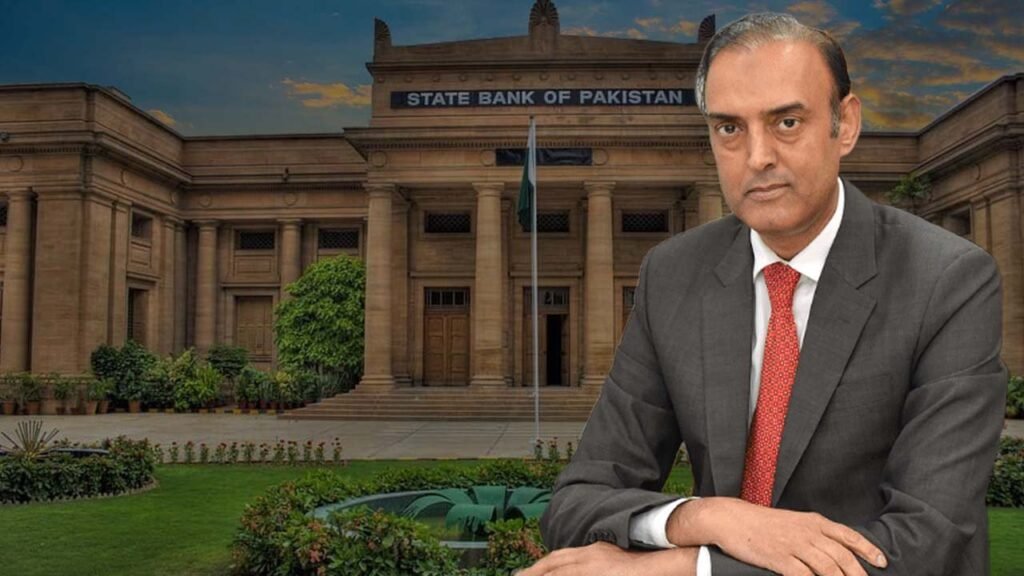
Governor State Bank of Pakistan (SBP), Jameel Ahmad has emphasized the urgent need for Pakistan to transition from short-lived stabilization efforts to a durable, sustainable, and outward-looking growth model. Speaking at the opening session of the Pakistan Business Council’s (PBC) ‘Dialogue on the Economy,’ Jameel Ahmad highlighted that while Pakistan has repeatedly cycled through phases of growth followed by painful stabilization, this moment presents a genuine opportunity for long-term transformation, provided policy continuity and private sector adaptability remain at the forefront.Ahmad outlined why the current stabilization phase stands apart from previous cycles. He noted that macroeconomic discipline is now underpinned by well-coordinated and forward-looking monetary and fiscal policies, avoiding the premature easing that historically undermined stability. The central bank’s enhanced forecasting capacity, he added, has allowed policymakers to anchor decisions in eight-quarter projections rather than short-term indicators. ’Inflation has not only fallen in line with our forecast but is expected to remain within the 5–7 percent target band over the medium term,’ he affirmed.A major pillar of improved stability, Ahmad stressed, is the qualitative strengthening of external buffers. Unlike past reliance on debt-driven inflows, recent reserve accumulation reflects strategic FX purchases and reduced forward liabilities. Public sector external debt has remained broadly stable since 2022, while the external debt-to-GDP ratio has declined from 31 percent to 26 percent. During the same period, SBP’s FX reserves have risen from a critically low USD2.9 billion to roughly USD 14.5 billion, a nearly fivefold increase. He shared that there is a growing recognition that sustainable growth will remain elusive until policymaking is reoriented towards a long-term vision of achieving socioeconomic prosperity for our people instead of looking for short-term consumption led growth spurts of the past. He added that this shift is reflected in the long-term reforms initiated by the government and the SBP under our homegrown policy framework. On the fiscal side, the Governor noted that the government’s consistent achievement of primary surpluses over the last three years has helped put public debt indicators on a sustainable path—an outcome rarely seen in the past. He added that the government is implementing long-term structural reforms, including increasing tax to GDP ratio through documentation and widening of the tax base, and energy sector reforms to lower the cost of energy. The Governor added that these reforms are complemented by the SBP continued efforts to address gaps in financial intermediation and increasing financial inclusion across the country.Looking ahead, Ahmad underscored that Pakistan’s economic model must evolve to prevent yet another boom-bust cycle. He added that historical growth averages—hovering around 3–4 percent—can no longer support a nation of over 250 million people. ‘Pakistan stands at an inflection point,’ he said, calling on the private sector to embrace global competitiveness rather than depend on subsidies or domestic market protection.Governor urged businesses to integrate into global value chains, modernize production, leverage emerging opportunities from partners such as the US, China, and Middle Eastern economies, and invest in innovation. ‘Rapid digitalization, the green transition, and global supply-chain realignments offer windows of opportunity—if our firms are willing to adapt,’ he noted. He encouraged businesses to diversify funding sources by tapping domestic and international capital markets and adopting advanced digital tools in financial operations. He placed special emphasis on documenting supply chains—an essential step for improving productivity, access to finance, and supply-chain resilience.Concluding his remarks Mr. Jameel Ahmad said: ‘We cannot expect different results by doing more of the same. The stability we have achieved must now serve as the foundation for long-term prosperity. Only by moving together—government, SBP, and the private sector—we can secure a future of sustained and inclusive growth.’

Pakistan, Iran Vow to Hit $10bn Trade Target, Revive Gas Pipeline
Uncategorized

Pakistan, Iran Vow to Hit $10bn Trade Target, Revive Gas Pipeline

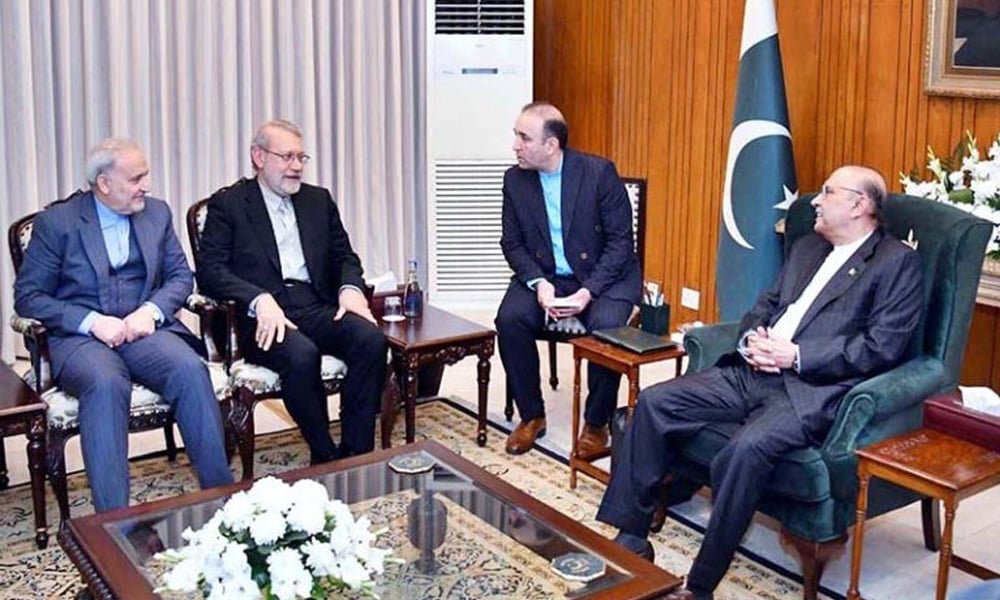
ISLAMABAD: Pakistan and Iran on Tuesday set an ambitious $10 billion bilateral trade target, pledging to fast-track economic ties and resolve long-stalled energy projects during a high-level meeting at Aiwan-e-Sadr.Iran’s Secretary of the Supreme National Security Council, Dr Ali Ardeshir Larijani, who called on President Asif Ali Zardari, conveyed warm greetings from Supreme Leader Ayatollah Ali Khamenei and President Masoud Pezeshkian. He thanked Pakistan for its “unwavering diplomatic and moral support” during Iran’s recent 12-day conflict, declaring that “Pakistan’s victory is our victory.”President Zardari reciprocated Iran’s solidarity after Pakistan’s floods and its consistent backing on Kashmir and Palestine, while praising Tehran’s resilience against “Israeli aggression.”Both sides agreed to grant Pakistani goods preferential market access in Iran and prioritise rail connectivity to boost trade and facilitate Zaireen pilgrimage. Reviving the delayed Iran-Pakistan Gas Pipeline featured prominently, with Zardari stressing a “mutually workable solution” amid Pakistan’s acute energy crunch. Recent technical talks in Islamabad were welcomed, with follow-up discussions slated for Tehran.The leaders described frequent high-level exchanges as evidence of deepening fraternal ties rooted in shared history, faith and culture, vowing enhanced cooperation in security, counter-terrorism and regional stability.

Pakistan’s Solar Power Capacity Expected to Surpass National Grid Demand by Next Year
Uncategorized

Pakistan’s Solar Power Capacity Expected to Surpass National Grid Demand by Next Year

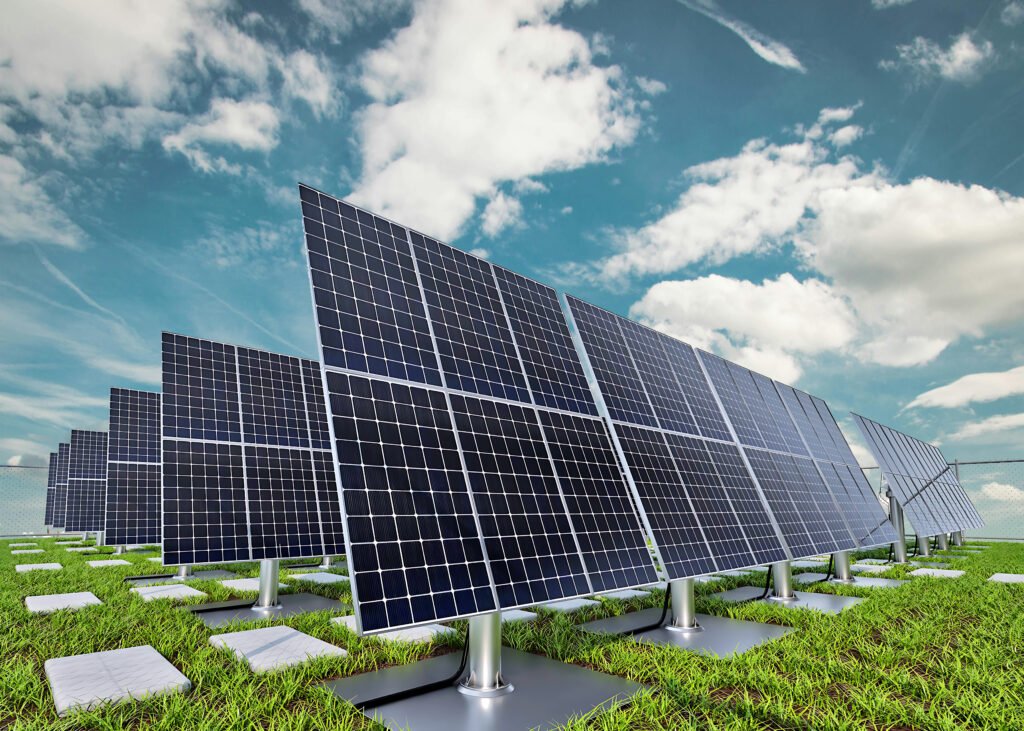
Pakistan is undergoing a rapid solar energy transformation, and it could lead to a surreal milestone as early as next year. According to government officials, rooftop solar power in industrial hubs like Lahore, Faisalabad, and Sialkot may drive daytime electricity production so high that it actually exceeds what the national grid demands. Aisha Moriani, the Secretary of the Ministry of Climate Change and Pakistan’s lead at COP30, explained that in some daylight hours, solar output from homes and businesses could fully offset, or even go beyond, the grid’s need for electricity. She described this phenomenon as “negative grid-linked demand,” a scenario rarely seen in developing markets but more common in parts of Europe and Australia. This surge comes against a backdrop of mounting interest in solar energy, fueled by persistent power cuts and rising electricity tariffs. More and more Pakistanis are turning to solar panels for reliability and savings, and in doing so, the country has become one of the top global importers of solar equipment. In fact, its solar generation has surpassed neighboring China in some respects. But this boom isn’t without its challenges. The growing oversupply of solar power is creating financial stress for Pakistan’s utilities, many of which are already grappling with debt. As the grid demand drops during sunny hours, revenue declines, prompting concern about grid maintenance and sustainability. To address this, the government is proposing new policies. Solar users — especially large-scale adopters — could face revised tariffs to ensure everyone contributes fairly to grid upkeep. At the same time, Pakistan is rethinking its energy import strategy. Officials report they’re negotiating more flexible LNG contracts, aiming for pricing and terms that better suit the shifting demand dynamics. Their goal? To balance affordability, stability, and evolving energy needs — and try to recalibrate Pakistan’s energy future around the solar revolution that’s already under way.

Reko Diq Edges Toward Launch as Funding Finalizes and Progress Hits 20%
Uncategorized

Reko Diq Edges Toward Launch as Funding Finalizes and Progress Hits 20%

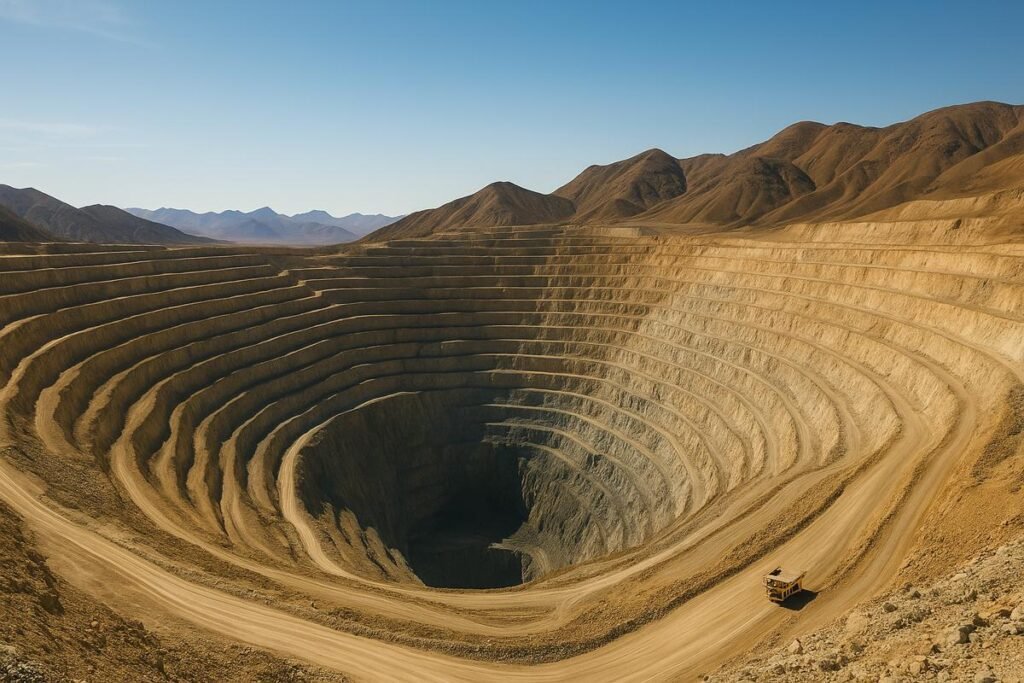
The multibillion-dollar Reko Diq copper and gold project has advanced significantly toward execution, with the Petroleum Division informing the Senate Standing Committee on Petroleum that financing arrangements are close to completion and physical progress has reached 20 percent. Officials reiterated that Phase 1 of the project remains firmly on schedule for late 2028. The first phase requires an investment of $7.7 billion, of which $2.5 billion has already been secured. Committee members were also invited to visit the project site for a detailed on-ground review.Despite the encouraging progress, several senators raised concerns over the absence of representatives from Barrick Gold, the project’s operating partner. They emphasized that a member of the operational team must attend future committee sessions to ensure transparency, accountability, and consistent oversight.According to the briefing, Reko Diq is expected to yield substantial long-term economic gains over its projected 37-year lifespan. The mine is estimated to generate $26 billion in benefits for Balochistan, $11 billion for the federal government, and nearly $15 billion for Pakistani partner companies, positioning it among the country’s most strategic mineral ventures.The meeting took a tense turn when the Petroleum Division was unable to present basic production figures for the Sui gas fields. Senators Quratulain Marri and Bilal Ahmed repeatedly sought current data, but even the DG Petroleum Concessions admitted he lacked the information, citing his recent appointment. Lawmakers warned that the matter may be escalated to the president and prime minister.Officials also briefed the committee on declining LNG demand, reduced imports, and current gas production levels. Senators stressed that Balochistan must receive priority under Article 158 before gas is supplied elsewhere.

Bangladesh Ex-PM Sheikh Hasina Sentenced to Death for Deadly Crackdown
Uncategorized

Bangladesh Ex-PM Sheikh Hasina Sentenced to Death for Deadly Crackdown

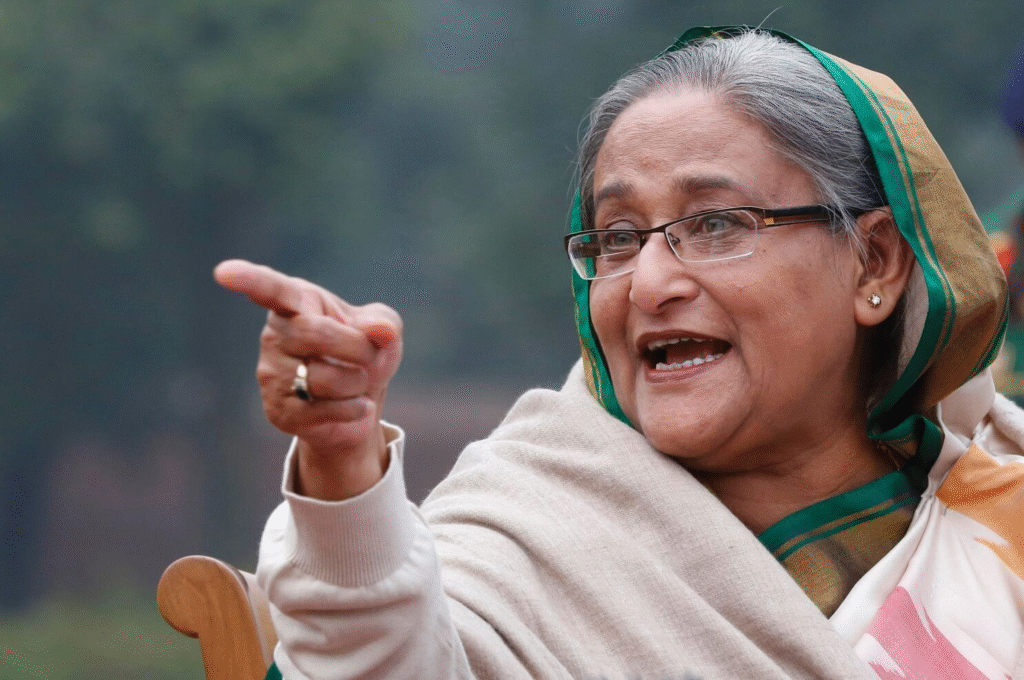
A Bangladesh war crimes court has sentenced ousted Prime Minister Sheikh Hasina to death for ordering a deadly crackdown on a student-led uprising last year. The verdict, delivered on Monday, concludes a months-long trial that found her guilty of crimes against humanity. Hasina, who fled to India in August 2024, was not present in court. The International Crimes Tribunal found Hasina responsible for the deaths of numerous people during the protests, which resulted in over 1,400 deaths and thousands of injuries. The court also sentenced her to life imprisonment for crimes against humanity. The verdict can be appealed in the Supreme Court. The ruling comes ahead of parliamentary elections expected in early February, which Hasina’s Awami League party has been barred from contesting. The verdict has sparked fears of fresh unrest. Hasina’s son has stated that they will not appeal unless a democratically elected government takes office with the Awami League’s participation. The country remains tense, with bomb explosions and torched vehicles reported in recent days.

Hidden Caliphate: Sufi Saints Beyond the Oxus and Indus.
Uncategorized

IBA KARACHI HOSTED PUBLIC LECTURE BY DR. WALEED ZIAD ON HIS BOOK

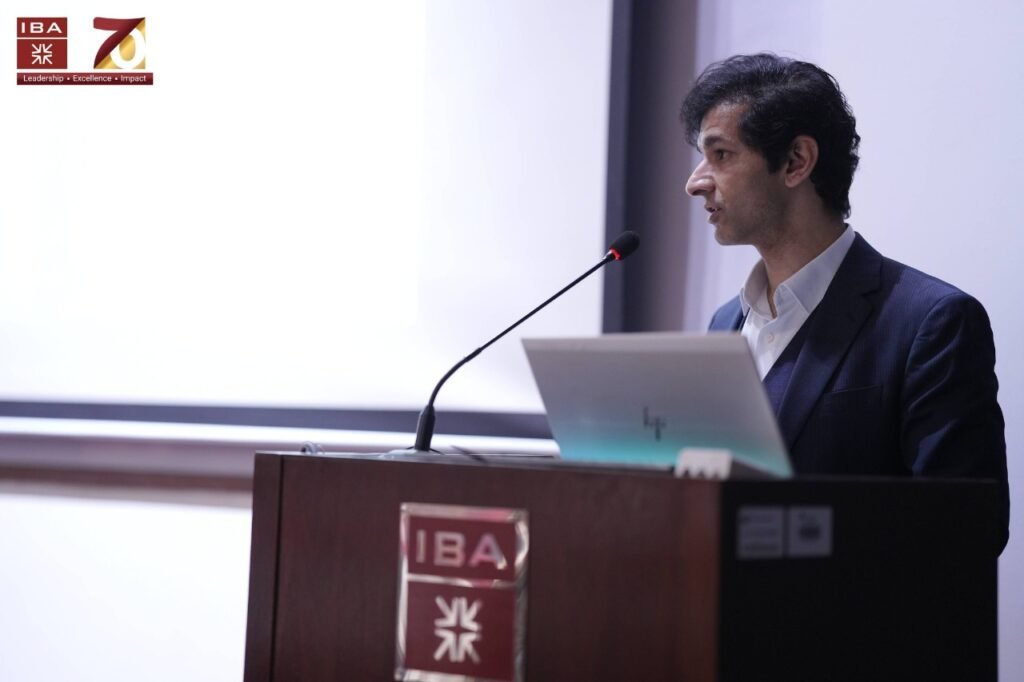
“HIDDEN CALIPHATE: SUFI SAINTS BEYOND THE OXUS AND INDUS” November 07, 2025: IBA hosted an insightful public lecture by Dr. Waleed Ziad, Associate Professor of History, Georgetown University (Qatar). The session, held at the City Campus and organized by the School of Economics and Social Sciences (SESS), centered on Dr. Ziad’s acclaimed book, “Hidden Caliphate: Sufi Saints Beyond the Oxus and Indus.” In his talk, Dr. Ziad explored the Naqshbandi-Mujaddidi Sufi networks that connected Central and South Asia between the 18th and early 20th centuries. He revealed how these Sufi scholars exercised their sacro-political authority to shape religious thought and community life, while also engendering a cultural resilience that transcended regional boundaries Dr. S Akbar Zaidi, Executive Director, IBA Karachi, also attended the session and commended the School of Economics and Social Sciences for organizing intellectually stimulating dialogues that promote interdisciplinary learning. The lecture was moderated by Dr. Ali Gibran Siddiqui, Assistant Professor, SESS, who facilitated an engaging discussion between the speaker and the audience. The event drew an engaging audience comprising students, faculty members, researchers, and individuals deeply interested in South and Central Asian history, religion, and culture. Participants appreciated the depth of scholarship and the relevance of Dr. Ziad’s work to understanding contemporary cultural connections across the Muslim world. The session concluded with an interactive Q&A segment, allowing attendees to explore themes related to transnational spirituality, historical continuity, and the enduring impact of Sufi thought on regional societies.

Uncategorized

Singapore Allocates Land on Jurong Island for Green Energy and Data Centres

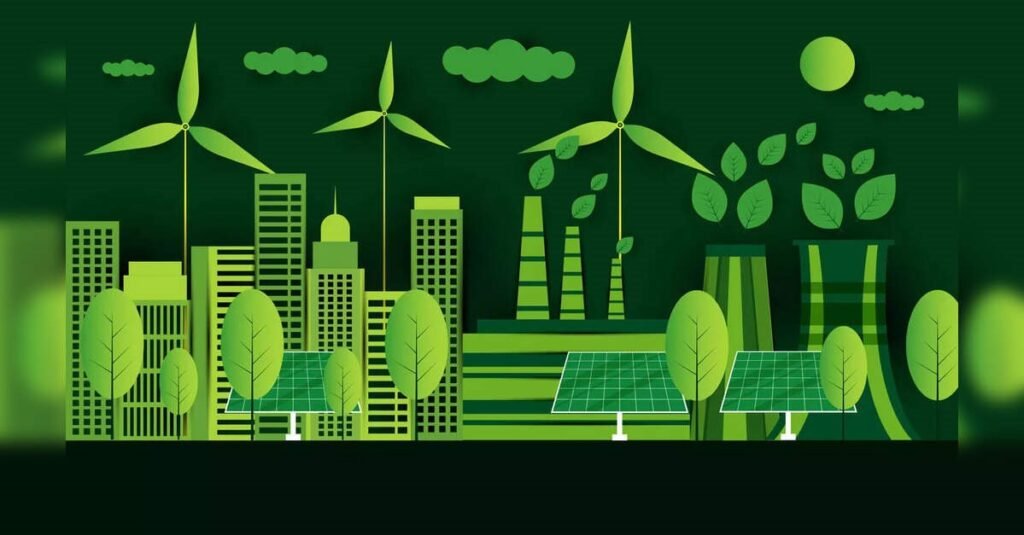
Singapore Singapore is bolstering its green ambitions by allocating about 300 hectares—roughly 10% of Jurong Island’s 3,000-hectare area—for renewable energy facilities and low-carbon fuel production, announced the Economic Development Board (EDB) and JTC Corporation. The western-side land will support solar power, sustainable aviation fuel, zero-carbon ammonia for energy and shipping, battery storage, and hydrogen-ready plants. Separately, 20 hectares will host Singapore’s largest low-carbon data centre park, with up to 700 megawatts capacity, aligning with the 2024 Green Data Centre Roadmap. Minister Tan See Leng hailed Jurong Island as a global testbed for low-carbon tech at the Singapore International Energy Week, fostering specialty chemicals growth and over 1,000 jobs.

Scroll to Top