Pakistan

Water Supply Suspension Halts Industrial Production in Karachi
Pakistan

Water Supply Suspension Halts Industrial Production in Karachi

KARACHI: President of the Korangi Association of Trade and Industry (KATI), Muhammad Ikram Rajput, has said that the suspension of water supply in several industrial areas of Karachi has severely disrupted industrial production, raising serious concerns about potential economic losses for both the city and the national economy. Read More: https://theboardroompk.com/supreme-court-rejects-pti-plea-for-immediate-meeting-with-imran-khan/ Rajput said that ongoing disputes between the Water and Sewerage Corporation and subsoil water contractors have led to continuous interruptions in water supply, forcing many factories across the city’s industrial zones to operate partially or shut down completely. As a result, export orders are being affected and production costs are rising further, he added. The KATI president noted that Karachi is Pakistan’s largest industrial, commercial, and economic hub, contributing a significant share to national revenue and exports. However, the lack of a basic facility such as water has pushed the industrial sector into a serious crisis. He warned that if the water supply is not restored immediately, prolonged industrial shutdowns could not only affect exports but also threaten the livelihoods of millions of workers, causing wider economic repercussions. Ikram Rajput urged Chief Minister Sindh Syed Murad Ali Shah, Mayor Karachi Murtaza Wahab, and the relevant authorities, particularly the Chief Executive Officer of the Water and Sewerage Corporation to resolve the issues between the Water Corporation and subsoil contractors without delay and ensure the urgent restoration of water supply to industrial areas. He further called on the government and senior officials to take immediate steps to guarantee uninterrupted water provision to industries through subsoil sources and other alternative arrangements. He pointed out that industries in Karachi are already facing high costs of electricity, gas, and water, while weekly gas load-shedding has already forced factories to remain closed for two days each week. The uncertainty in water supply and the need to purchase expensive tanker water have become a serious threat to industrial productivity, he added. Rajput stressed that unless the availability of essential utilities is ensured, the competitiveness of the industrial sector will weaken further and the investment senario will also suffer. He urged the government to prioritize reducing industrial costs and ensuring the provision of basic utilities so that industrial activity can continue smoothly and the national economy can be protected from further losses. He said that industrialists across all industrial zones of Karachi are awaiting an immediate resolution of the issue and expect the government to address the matter on an emergency basis.

Pakistan Fiscal Surplus 1HFY26 Signals a Rare Economic Turning Point
Pakistan

Pakistan Fiscal Surplus 1HFY26 Signals a Rare Economic Turning Point

For the first time in recent history, Pakistan Fiscal Surplus 1HFY26 has entered the economic conversation with unexpected optimism. In the first half of fiscal year 2026, Pakistan posted a fiscal surplus of Rs542 billion, equivalent to 0.4% of GDP a sharp and symbolic reversal from the Rs1.5 trillion deficit (1.2% of GDP) recorded during the same period last year. Read More: https://theboardroompk.com/turning-saplings-into-trees-is-real-victory-dg-sepa-stresses-care-in-new-plantation-campaign/ According to the Finance Division of the Government of Pakistan, this surplus is not the result of a single windfall. Instead, it reflects a carefully stitched mix of revenue growth, falling debt costs, and tighter expenditure controls, hinting at a shift toward more disciplined fiscal management. What Drove the Pakistan Fiscal Surplus 1HFY26? The story behind Pakistan Fiscal Surplus 1HFY26 is best understood through two powerful forces moving in opposite directions spending coming down and revenues climbing up. Total government expenditures declined by 10.27%, while overall revenues expanded by 9.42%. This rare alignment created the fiscal breathing room Islamabad has struggled to achieve for years. A standout factor was the sharp reduction in debt servicing costs. Markup payments fell by 30.69%, primarily due to a 33.92% decline in domestic debt servicing, which stood at Rs3.1 trillion during the period. In plain terms, lower interest burdens gave the government room to stabilize its books without slashing critical development or social spending. Revenue Engines Behind Pakistan Fiscal Surplus 1HFY26 Revenue performance played an equally decisive role in shaping the Pakistan Fiscal Surplus 1HFY26. The Federal Board of Revenue (FBR) collected Rs6.1 trillion, posting a 10% year-on-year increase, signaling improved tax administration and compliance. Non-tax revenues surged to Rs3.8 trillion, largely driven by Rs2.4 trillion in profits transferred from the State Bank of Pakistan. Energy-related levies also delivered a surprise boost. Petroleum Development Levy (PDL) collections jumped 50% to Rs823 billion, providing the federal government with a critical cushion amid volatile global energy markets. At the provincial level, fiscal performance added further momentum. Provincial tax receipts rose 28% to Rs569 billion, while non-tax revenues increased 8% to Rs155 billion, reinforcing the broader national surplus. Pakistan Fiscal Surplus 1HFY26 and the Primary Balance Breakthrough Beyond the headline surplus, Pakistan also recorded a primary surplus of Rs4.1 trillion, equivalent to 3.2% of GDP, during 1HFY26 an improvement from Rs3.6 trillion in the same period last year. This means that excluding interest payments, the government generated a sizable surplus, reflecting stronger underlying fiscal health and improved budgetary discipline. Spending Priorities Remain Intact Despite tighter controls, essential spending was not sidelined. Provincial current expenditure stood at Rs2.8 trillion, while primary current spending reached Rs3.2 trillion. Development expenditure amounted to Rs950 billion, supported mainly by higher allocations from Punjab, Sindh, and Balochistan. Crucially, spending on social protection and energy subsidies, including BISP and power sector support, remained aligned with program targets suggesting that fiscal consolidation did not come at the cost of vulnerable segments. Debt Management: The Silent Contributor One of the quieter but most impactful contributors to Pakistan Fiscal Surplus 1HFY26 was proactive debt management. The early retirement of Rs1.62 trillion in domestic debt generated Rs1.59 trillion in savings on future debt servicing, easing pressure on upcoming budgets. Why Pakistan Fiscal Surplus 1HFY26 Matters Going Forward While challenges remain, Pakistan Fiscal Surplus 1HFY26 sends a strong signal to markets, multilaterals, and investors: fiscal discipline is no longer just a promise it’s showing up in the numbers. If sustained, this trajectory could lower borrowing costs, strengthen investor confidence, and provide the government with greater flexibility to support growth without reopening the deficit floodgates. For now, Pakistan’s fiscal books tell a story few expected but many will be watching closely.

Turning Saplings into Trees is Real Victory: DG SEPA Stresses Care in New Plantation Campaign
Pakistan

Turning Saplings into Trees is Real Victory: DG SEPA Stresses Care in New Plantation Campaign

KARACHIThe Sindh Environmental Protection Agency (SEPA) formally launched its Spring Tree Plantation Campaign on Sunday through a hands-on and forward-looking plantation activity held near Hill Park, Karachi, in collaboration with renowned urban forester Shehroz Siraj Read More: https://theboardroompk.com/sindh-land-records-digitization-and-the-farmers-daily-struggle/ The activity followed the Miyawaki forest model, under which five different plant species were planted close together instead of a single sapling. This approach allows plants to support each other, grow faster, and develop into a dense, self-sustaining green ecosystem. The plantation drive saw active participation from Director General SEPA Waqar Hussain Phulpoto, Urban Forester Shehroz Siraj, SEPA officers and staff, the District East team of SEPA led by Adnan Sheikh, Assistant Director (Technical), social media activists, and a large number of environmentally conscious citizens. Participants planted saplings themselves, many dedicating them to the names of their loved ones, adding a strong social and emotional dimension to the initiative. The event concluded with DG SEPA, Waqar Hussain Phulpoto, planting a sapling to mark both the symbolic and practical start of the campaign. Addressing tree plantation activists on the occasion, he said:“During the Spring Tree Plantation Campaign, SEPA will fully support plantation efforts across Sindh wherever they are carried out in the true sense. True plantation does not mean merely planting saplings; it means ensuring their proper care, watering, and protection so that they grow into healthy, mature trees.” The DG SEPA further noted that as climate change continues to intensify, trees play a critical role not only in reducing its impacts but also in helping communities adapt to changing environmental conditions. He appreciated the commitment shown by all participants and encouraged them to continue such activities with the same dedication and sense of responsibility. Later, Shehroz Siraj gave the DG SEPA a detailed tour of the plantation site and briefed him on the Miyawaki method, explaining its long-term ecological benefits and implementation process. The activity reflects SEPA’s active and leadership-oriented role not only in environmental policy and regulation but also in promoting practical, on-ground environmental action through collaboration between government institutions and citizens, aimed at building a sustainable and greener future for Sindh.

Sindh Land Records Digitization and the Farmer’s Daily Struggle
Pakistan

Sindh Land Records Digitization and the Farmer’s Daily Struggle

Sindh Land Records Digitization was envisioned as a game-changing reform for millions of farmers but on the ground, the story remains painfully incomplete. Read More: https://theboardroompk.com/byd-lawsuit-against-us-tariffs-signals-a-turning-point-in-global-ev-trade/ For a small or medium-sized farmer in Sindh, land records are more than paperwork; they are identity, livelihood, and survival. Without timely access to these records, farmers cannot mortgage land, secure agricultural loans, transfer ownership, or even correct basic clerical errors. Despite years of digitization efforts, accessing land records remains a maze of offices, officials, and outdated procedures. Why Sindh Land Records Digitization Matters More Than Ever Agriculture in Sindh is dominated by small and medium landholders. Any delay in accessing land records directly impacts crop cycles, cash flow, and food security. While the provincial government scanned revenue records over the past decade, the core procedures never evolved. Processes such as: • Mortgaging farmland• Issuing passbooks• Sales certificates• Farm credit documentation still depend heavily on manual intervention through the Tapedar and Mukhtiarkar system structures that date back decades. The result? Digitized data sitting in servers, while farmers continue to queue outside offices. From LARMIS to Reality: A Gap That Hurts Farmers After the 2007 destruction of revenue records during widespread arson attacks, Sindh launched the Land Administration and Revenue Management Information System (LARMIS). The goal was simple: protect records, eliminate forgery, and modernize land governance. Sindh’s Board of Revenue (BoR) linked LARMIS with the Provincial Record Cell (PRC) and introduced e-stamps, significantly reducing fake stamp papers and boosting government revenue. Courts, including the Sindh High Court, backed automation to curb tampering and fraud. Yet for farmers, the everyday experience barely changed. People’s Service Centres and the Missing Farmer People’s Service Centres (PSCs), introduced after 2008, were expected to serve as one-window solutions. In practice, they mostly handle: • Computerised Form-VII (agricultural land)• Form-II (urban property)• Urban property mutations For agricultural land transactions sale, purchase, mortgages, and loan facilitation farmers are still sent back to manual routes. Instead of one counter, farmers must visit: • Post offices for passbooks• Tapedar offices for verification• Mukhtiarkar offices for mutation• Assistant commissioners for approvals Each step means lost days, transport costs, and, often, unofficial payments. Sindh vs Punjab: Two Digitization Stories While Sindh struggles, Punjab took a different route. Punjab established the Punjab Land Records Authority (PLRA) in 2017, operating under the Board of Revenue but with autonomous digital workflows. Farmers there complete land documentation at tehsil-level service centres without manual record handling. Banks in Punjab directly verify land ownership digitally, allowing farmers to secure loans quickly. In contrast, Sindh farmers often miss planting seasons because loan approvals stall due to missing or delayed land records. Sindh Land Records Digitization and the Credit Crisis According to Sindh Abadgar Board President Mahmood Nawaz Shah, Sindh receives a disproportionately low share of agricultural credit nationwide. The main reason is simple: banks cannot process loans without timely BoR documentation. This bottleneck disrupts: • Input purchases (seeds, fertilizer, fuel)• Crop planning• Yield optimization Farmers remain trapped in a cycle of low productivity and high dependency. A New Pilot Project: Hope or Another Delay? The Sindh government, after partnering with the Punjab Information Technology Board (PITB), has now placed digitization under the Sindh Information Technology Company (SITC). A cabinet-approved pilot project executed with IBA Sukkur is currently underway in three dehs across Matiari and Sukkur. Officials aim to: • Redesign land record automation• Issue secure digital access credentials to farmers• Identify system weaknesses before province-wide rollout If successful, this model could finally bring Sindh Land Records Digitization closer to its original promise. The Road Ahead for Sindh Land Records Digitization Sindh has over 6,090 dehs across 138 talukas, many lacking basic digital infrastructure. Scaling reforms will not be easy but without it, farmers will continue paying the price for bureaucratic inertia. True digitization is not about scanned files it’s about access, speed, and trust. Until farmers can retrieve land records as easily as urban property owners, Sindh’s agricultural potential will remain underutilized.

Gold price in Pakistan continues its relentless climb
Pakistan

Gold price in Pakistan continues its relentless climb

The gold price in Pakistan has once again captured public attention after a sharp rise at the start of the week, reinforcing gold’s status as the country’s most trusted hedge against economic uncertainty. On Monday, prices surged significantly, reflecting a mix of domestic demand pressures and global market signals that investors can no longer ignore. According to the All-Pakistan Gems and Jewelers Sarafa Association (APGJSA), 24-karat gold climbed to Rs524,762 per tola, marking a day-on-day increase of Rs5,300. This latest jump adds fuel to an already bullish trend that has been building momentum over recent weeks. For consumers, investors, and market watchers alike, the big question is no longer whether prices will rise but how far they could go. Gold price in Pakistan: Breaking down the latest rates Looking beyond headline numbers, the rise in the gold price in Pakistan is visible across all major weight categories. The price of 24-karat gold per 10 grams increased by Rs4,544, settling at Rs449,898. Meanwhile, 22-karat gold, commonly used in jewelry, was quoted at Rs412,421 per 10 grams, reflecting strong retail and wedding-season demand. In practical terms, this means buyers today are paying tens of thousands of rupees more than they were just a month ago an increase that has transformed gold from a traditional savings asset into a fast-moving investment play. Silver joins the rally as precious metals heat up It’s not just gold stealing the spotlight. Silver prices in Pakistan also moved decisively higher, confirming a broader rally in precious metals. 24-karat silver rose to Rs8,615 per tola, up Rs346 in a single day, while 10 grams of silver climbed to Rs7,385, gaining Rs296. Although silver’s gains appear smaller in absolute terms, the percentage increase signals renewed speculative and industrial interest. Historically, silver often follows gold’s lead and current trends suggest that correlation is firmly back in play. Short-term, monthly, and year-to-date trends explained To truly understand the scale of this surge in the gold price in Pakistan, it helps to look beyond daily movements. Over the past one month, gold prices have jumped by Rs51,500 per tola, highlighting how rapidly sentiment has shifted. From the start of the fiscal year to date (FYTD), gold has gained an eye-catching Rs174,562 per tola, while calendar year to date (CYTD) gains stand at Rs67,800. Silver tells a similar story. Monthly gains are modest at Rs150 per tola, but FYTD figures show an impressive Rs4,833 increase, underscoring long-term upward pressure. In simple terms, anyone who bought gold earlier in the year is now sitting on substantial unrealized gains. Global cues shaping the gold price in Pakistan International markets remain a powerful driver of local prices. Globally, spot gold traded near $5,026 per ounce, slightly lower by $8.3 or 0.16% compared to the previous session. The minor dip was largely attributed to movements in the US dollar. However, despite this marginal global pullback, the gold price in Pakistan remained firmly upward due to currency dynamics, import costs, and sustained domestic demand especially as investors seek safety amid inflationary concerns. What this means for investors and consumers The current trajectory of the gold price in Pakistan sends a clear message: volatility is here to stay. For investors, gold continues to serve as a hedge against currency depreciation and economic uncertainty. For consumers, especially jewelry buyers, timing purchases has become more critical than ever. If global uncertainty persists and the rupee remains under pressure, analysts believe gold prices could test even higher levels in the coming weeks. Final thoughts: Is this the new normal for gold prices? As gold repeatedly breaks new records, it’s becoming clear that elevated prices may no longer be a temporary phase. Instead, the gold price in Pakistan appears to be entering a new range one shaped by global instability, local currency pressures, and shifting investor behavior. Whether you’re buying, holding, or simply watching from the sidelines, one thing is certain: gold is once again at the center of Pakistan’s financial conversation.

Pakistan Banking System Outlook Enters a New Phase of Stability
Pakistan

Pakistan Banking System Outlook Enters a New Phase of Stability

The Pakistan banking system outlook has entered a critical new chapter. Global credit rating agency Moody’s Ratings has revised its outlook for Pakistan’s banking sector from positive to stable, a move that reflects cautious optimism mixed with realism about the country’s ongoing economic challenges. Read More: https://theboardroompk.com/ksa-eyes-pakistani-tech-professionals-for-technological-transformation/ At first glance, “stable” may not sound exciting but for Pakistan’s financial ecosystem, this shift carries deeper implications. It signals that while the worst may be over, the road to robust growth remains gradual, complex, and highly dependent on macroeconomic discipline. Why Moody’s Revised the Pakistan Banking System Outlook Moody’s decision is rooted in a careful assessment of Pakistan’s evolving operating environment. According to the agency, economic conditions are slowly improving, supported by stabilization measures and relatively better financial conditions. However, the pace of recovery remains measured rather than rapid. This balance between progress and pressure explains why the Pakistan banking system outlook is no longer classified as positive. Moody’s sees limited room for near-term improvement in banks’ performance due to ongoing structural constraints. Pakistan Banking System Outlook and Bank Performance Expectations Over the next 12 to 18 months, Moody’s expects Pakistani banks to maintain stable performance rather than post notable gains. Several factors are shaping this outlook: Instead of showing accelerating profitability or expanding risk appetite, banks are likely to remain cautious. Elevated interest rates continue to suppress credit demand, while higher borrowing costs raise the probability of loan stress. At the same time, the government’s tight fiscal position restricts the broader economic momentum needed to drive banking-sector expansion. In simpler terms, the system is holding steady—but not yet sprinting forward. Key Pressures Shaping the Pakistan Banking System Outlook Moody’s analysis highlights a cluster of interconnected risks that continue to weigh on the sector. These include: • High interest rates, which protect margins in the short term but strain borrowers over time• Elevated credit risks, especially in vulnerable sectors of the economy• A constrained sovereign fiscal position, limiting policy flexibility• Lingering inflationary pressures that reduce purchasing power and investment appetite Together, these factors form the backbone of why the Pakistan banking system outlook remains stable rather than improving. Pakistan Banking System Outlook and GDP Growth Projections One of the most closely watched signals in Moody’s statement is its real GDP growth forecast of around 3.5% for 2026. This projection suggests that Pakistan’s economy is moving out of crisis mode and into a phase of controlled recovery. Stabilization policies, improved external financing conditions, and tighter monetary management have helped reduce volatility. However, Moody’s cautions that risks remain firmly on the table particularly those tied to external funding needs, inflation control, and consistent policy execution. If reforms slow or external shocks emerge, the fragile balance supporting the Pakistan banking system outlook could be tested. What the Stable Pakistan Banking System Outlook Means for Stakeholders For investors, a stable outlook reduces uncertainty but does not yet unlock aggressive growth expectations. For businesses, it signals continuity in credit availability, albeit under tight lending standards. For policymakers, it serves as a reminder that stability must be converted into momentum through structural reforms. Think of the outlook like a financial health report card: Pakistan’s banking system has passed the danger zone, but it still needs disciplined management to reach stronger grades. The Road Ahead for Pakistan’s Banking Sector The shift in the Pakistan banking system outlook underscores a broader truth about the economy: resilience has improved, but vulnerability remains. Banks are better positioned than before, yet they operate within a system still exposed to fiscal, inflationary, and external financing risks. The coming year will be decisive. Continued reforms, policy consistency, and macroeconomic discipline could eventually push the outlook back toward positive territory. Until then, stability is both a reassurance and a warning not to lose momentum.

SITE Industrial Water Crisis Sparks Alarm Across Pakistan’s Economic Nerve Center
Pakistan

SITE Industrial Water Crisis Sparks Alarm Across Pakistan’s Economic Nerve Center

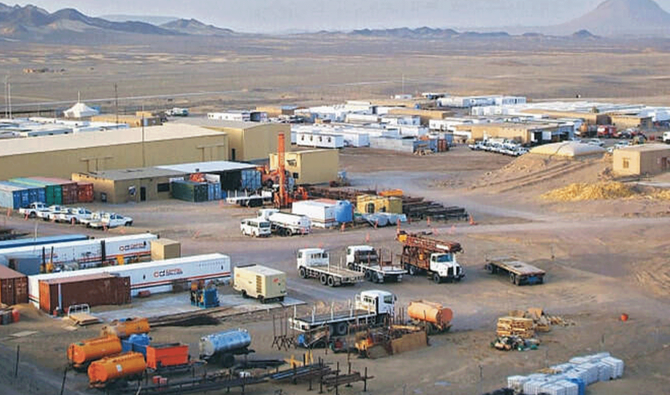
The SITE industrial water crisis has triggered a complete shutdown of industrial activity in Karachi’s Sindh Industrial Trading Estate (SITE), sending shockwaves through Pakistan’s already fragile economy. What began as a suspension of water supply late Friday has rapidly escalated into a national economic concern one that policymakers can no longer afford to ignore. Karachi, Pakistan’s financial and industrial backbone, contributes the largest share of tax revenue, exports, and employment. When its factories stop, the country feels the tremors far beyond Sindh’s borders. Why the SITE Industrial Water Crisis Is a National Emergency According to SITE Association of Industry President Ahmed Azeem Alvi, industrial operations in the SITE area have been completely paralysed due to the unavailability of water an essential input for manufacturing. Water is not just a utility for industries; it is a production lifeline. From textiles and chemicals to engineering and pharmaceuticals, nearly every industrial process in SITE depends on a stable water supply. Without it, machinery sits idle, supply chains break, and export orders stall. The immediate consequences of the SITE industrial water crisis include: • Suspension of factory operations• Daily financial losses running into millions• Heightened risk of permanent factory closures• Threats to thousands of industrial jobs If prolonged, this disruption could turn into irreversible economic damage. Industrial Paralysis in Karachi: What’s Really at Stake Exports, Employment, and Investor Confidence Karachi’s industries are among Pakistan’s largest exporters. When factories shut down: • Export shipments are delayed or cancelled• Foreign buyers lose confidence• Global supply contracts shift to competitor countries At the same time, industrial workers many of whom depend on daily wages face immediate unemployment risks. A prolonged SITE industrial water crisis could trigger mass layoffs, reducing household incomes and slowing consumption nationwide. Why Reliance on the Water Board Is No Longer Sustainable One of the most pressing concerns highlighted by industry leaders is the limited capacity of the Karachi Water and Sewerage Corporation (KWSC). Industrial demand far exceeds what the utility can realistically supply. Historically, industries have relied on sub-soil water sources to maintain operations. The suspension or disruption of these sources has left factories with no viable alternatives. Without immediate resolution of sub-soil water issues, restarting industrial production remains impossible no matter how strong the demand. Rising Costs Are Pushing Industries to the Brink The SITE industrial water crisis comes at a time when manufacturers are already under severe financial pressure. Karachi industries face: • The highest electricity tariffs in Pakistan• Elevated gas prices• Escalating industrial water charges Recent increases in water tariffs have added fuel to the fire, making production increasingly unviable. Manufacturers argue that the cost structure now forces a painful question:Should industries operate at a loss or shut down altogether? SITE Industrial Water Crisis Demands Immediate Government Action Industry leaders have urged Sindh Chief Minister Syed Murad Ali Shah, Karachi Mayor Murtaza Wahab, and senior water authorities to intervene urgently. Key demands include: • Immediate restoration of water supply to SITE industries• Priority resolution of sub-soil water issues• A realistic industrial water policy aligned with production needs• Reduction in utility tariffs to prevent industrial flight Without swift corrective measures, the damage will not remain confined to Karachi. A slowdown in industrial output directly impacts national revenue, exports, and GDP growth. The Bigger Picture: A Defining Moment for Pakistan’s Economy The SITE industrial water crisis is more than a local infrastructure failure it is a stress test for Pakistan’s economic governance. The government now faces a defining choice:Support industry and protect economic growth, or allow rising costs and utility failures to push factories into closure. As Pakistan navigates economic recovery, ensuring uninterrupted industrial utilities is no longer optional it is essential.

Pakistan Narrowly Avoid Defeat from Netherlands After Dramatic Collapse in T20 World Cup 2026
Pakistan

Pakistan Narrowly Avoid Defeat from Netherlands After Dramatic Collapse in T20 World Cup 2026

In a thrilling curtain-raiser to the 2026 T20 World Cup, Pakistan edged past the Netherlands by three wickets in Colombo on February 7, 2026, avoiding a potential upset in their Group A opener. Read More: https://theboardroompk.com/india-rejects-allegations-in-islamabad-mosque-bombing-that-killed-31/ The 2009 champions chased 148 with nerves frayed until Faheem Ashraf’s late fireworks secured the result, underscoring the importance of wins against associate nations amid their boycott of the India clash. Netherlands Post Competitive Total Opting to bowl first, Pakistan restricted the Netherlands to 147 all out with one ball remaining. The Dutch started brightly, reaching 50-2 in the powerplay with Michael Levitt (24) aggressive. Middle-order contributions from Bas de Leede (30) and captain Scott Edwards (37) built momentum, but Pakistan’s death bowling—led by Salman Mirza (3-24)—triggered a collapse, with six wickets falling for 20 runs in the final phase. Fielding brilliance, including a stunning boundary catch by Babar Azam and Shaheen Afridi, kept the total modest. Dramatic Chase Ends in Relief Pakistan’s reply began promisingly with Saim Ayub (24) and Sahibzada Farhan (47 off 31) reaching 98-2. However, a middle-order meltdown saw them slip to 114-7, needing 34 off the last few overs. Aryan Dutt and others squeezed the run rate, raising upset hopes. Faheem Ashraf’s unbeaten 29 off 11—including a six and boundary to finish—turned the tide after O’Dowd’s costly drop. Pakistan reached 148-7 in 19.3 overs. The result provides vital momentum for Pakistan, while the Netherlands earn praise for pushing a former champion to the brink.

Shabbar Zaidi Calls for Economic Reform and Relocation of FBR Headquarters to Karachi
Pakistan

Shabbar Zaidi Calls for Economic Reform and Relocation of FBR Headquarters to Karachi

Karachi: Former Federal Board of Revenue (FBR) Chairman Shabbar Zaidi has called for major structural and economic reforms in Pakistan, including the relocation of the Federal Board of Revenue (FBR) headquarters from Islamabad to Karachi. Read More: https://theboardroompk.com/suicide-bomber-kills-31-injures-169-at-islamabad-imambargah-during-prayers/ Speaking at a discussion on his book “32 Onkar Road” on the second day of the 17th Karachi Literature Festival, Shabbar shared his views on governance, history, economics and society.He said: “The State Bank of Pakistan (SBP) performs 100 times better than the FBR, despite both being government institutions.” According to him, one key reason is that the State Bank’s headquarters is in Karachi, whereas the FBR operates from Islamabad. He suggested: “If the government wants to improve the performance of the FBR, its headquarters should be shifted to Karachi.” Explaining why he wrote the book, Shabbar said he had spent most of his life in Karachi and Lahore, two cities that are culturally and socially different. Within the chartered accountancy profession, he said, many voices remain unheard in society. He also observed that Pakistan’s history is often recorded emotionally rather than strategically. The book also reflects his personal views on religion. However, he acknowledged removing certain pages, stating that the society has “a certain level of tolerance”.Shabbar also shared his perspective on Pakistan’s economic direction and said the country did not free itself from the supremacy of the Western economic system. He argued that independence in 1947 was political rather than economic. He claimed that the International Monetary Fund (IMF) does not seek to address Pakistan’s core economic issues. Discussing leadership and governance, he said there is no comparison between former Prime Ministers Shaukat Aziz and Dr Manmohan Singh, adding that placing the two in the same bracket would be unfair to Dr Singh. He underscored Dr Singh’s distinguished academic background and teaching career before entering politics, noting that Shaukat Aziz did not have a comparable academic trajectory. He also reflected on their lives after leaving office, pointing out that the former Indian Prime Minister returned to Chandigarh, whereas Shaukat Aziz chose to settle in New York. In this context, he raised a broader question about where one ultimately considers one’s true home. Shabbar also said that individuals without dual citizenship in Pakistan often feel like “second-grade citizens”, describing this as a dilemma faced by many members of the younger generation who seek opportunities abroad to feel like first-class citizens in their own country. On political leadership, he said, Imran Khan cannot be compared with Benazir Bhutto and Nawaz Sharif, arguing that Imran Khan’s rise was based on his personal struggle, while Benazir Bhutto inherited a political legacy and Nawaz Sharif’s rise is widely known. Reflecting on history and social divisions, he said that differentiating people on the basis of religion is among the gravest wrongs. He referred to demographic changes during Partition, noting the significant shifts in population in Punjab and cities such as Lahore and Amritsar, and described the long-term impact of Partition on the region.

K-Electric shares jump 7.58% as CEO Moonis Alvi Resigns After Months Long Harassment Fiasco
Pakistan

K-Electric shares jump 7.58% as CEO Moonis Alvi Resigns After Months Long Harassment Fiasco

K-Electric (KEL), the sole power distributor for Karachi, witnessed a sharp 7.58% surge in its share price on February 6, 2026, closing at Rs8.94 per share. This rally occurred on the same day the company announced the resignation of its long-serving CEO, Moonis Alvi, via a formal disclosure to the Pakistan Stock Exchange (PSX). Read More: https://theboardroompk.com/k-electric-ceo-resignation-officially-confirmed-to-stock-market/ The stock hit an intra-day high of Rs9.16 — its highest level in the past 52 weeks — amid exceptionally high trading volume exceeding 517 million shares. While the broader KSE-100 index declined nearly 2%, K-Electric bucked the trend, drawing significant investor interest. CEO Resignation Details Moonis Alvi, who joined K-Electric in 2008 and served as CEO since June 2018 (reappointed in July 2025), stepped down after nearly 18 years with the utility. In a statement posted on X, he described his tenure as an honor, pledging support for a smooth transition. The board, chaired by Mark Gerard Skelton, accepted the resignation and shortlisted three candidates for the role. A board meeting is scheduled for February 10, 2026, to finalize the successor. Market Reaction and Implications Analysts attribute the price jump to investor optimism about fresh leadership and potential strategic shifts. Muhammad Awais Ashraf of AKD Securities noted the rise aligned with hopes of a new management era. Positive sentiment was further fueled by K-Electric’s recent warning to the federal Power Division to halt tariff review actions, backed by Sindh High Court interim orders. Alvi’s exit follows months of controversy, including a now-overturned Ombudsman order on workplace harassment allegations. The leadership change may influence future governance, tariff negotiations, and operational stability for Karachi’s power supply.

Scroll to Top