Pakistan

KICT Says Allegations of Holding 38,000 Containers 'Completely Misleading'
Pakistan

KICT Says Allegations of Holding 38,000 Containers ‘Completely Misleading’

Karachi International Container Terminal (KICT) categorically rejects the inaccurate and misleading claims recently published in print media. The report presents an incorrect portrayal of terminal operations and does not reflect verified operational facts. Read More: https://theboardroompk.com/psx-transitions-to-the-t1-trade1-day-settlement-cycle/ KICT confirms that there is no examination backlog at the terminal. At no stage has KICT stopped or held any Customs released containers from delivery. The allegation that KICT is holding 38,000 undelivered containers is a complete misstatement. KICT’s real time yard inventory is significantly lower, and the figure quoted exceeds more than double the total container holding capacity of the terminal, making such assertions operationally impossible and factually incorrect. These claims misrepresent the actual situation on ground. The news that Collectorate of Customs Appraisement West Pakistan Customs has issued a warning notice to KICT is also inaccurate. KICT works closely with Pakistan Customs and regularly takes improvement measures as advised by the authorities. KICT remains fully compliant with all regulatory requirements and continues to work in close coordination with Customs authorities. The reference made to Delay & Detention Certificate (DDC) matters in the report is equally misleading. All DDC-related matters are sub-judice and currently pending before competent courts. KICT stands committed to comply with the decision of the court. KICT maintains a strong working relationship with the Karachi Port Trust (KPT), which continues to provide additional yard space to manage overflow cargo during periods of high import volumes. This coordination ensures uninterrupted operations and demonstrates proactive capacity planning by both organizations. To support trade facilitation, KICT has implemented several proactive measures, including increase in labour resources and deployed additional equipment, and strengthened 24/7 operational coverage. KICT regrets the publication of an unverified and factually incorrect report that undermines the collective efforts of KICT, Pakistan Customs, and trade unions who continue to facilitate trade under challenging conditions. KICT reiterates that there is no examination backlog and no operational crisis at the terminal. The terminal’s gates, systems, and records remain fully open for verification by any competent authority. KICT reassures the trading community of uninterrupted service and smooth operations. With a long term view of supporting Pakistan’s trade growth, KICT shareholders are already engaged with the Government on future expansion plans and modernization of equipment and facilities to further enhance container handling efficiency at the terminal.

JazzWorld Hires 100 Associates for AI, Data Science, and Fintech Roles in Pakistan
Pakistan

JazzWorld Hires 100 Associates for AI, Data Science, and Fintech Roles in Pakistan

Karachi – Feb 10, 2026: JazzWorld, Pakistan’s leading integrated digital ServiceCo, is hiring 100 associates under the JazzWorld AI Associate Program 2026. Read More: https://theboardroompk.com/nestle-pakistans-100-million-investment-in-sustainability-yields-results-wins-oicci-award/ Recruitment focuses on AI capabilities alongside high-demand areas such as fintech, cybersecurity, data science & analytics, and software development, with associates encouraged and assessed on applying AI-driven thinking within their respective domains — reinforcing JazzWorld’s AI-first transformation. The JazzWorld AI Associate Program 2026 is a group-wide, AI-native, one-year talent development initiative designed to systematically build future leaders and specialists across the JazzWorld ecosystem — including Jazz, JazzCash, Mobilink Bank, Garaj, Tamasha, SIMOSA, FikrFree, GameNow, Zarr, Apna Clinic, and more. Based in Islamabad, the program provides early-career professionals with hands-on exposure, structured mentorship, and practical learning across all key domains. Commenting on the initiative, Tazeen Shahid, Chief People Officer at JazzWorld, said: “Jazz is strengthening the capabilities that will define the future of digital services in Pakistan. Through the JazzWorld AI Associate Program 2026, we are bringing in early-career talent with AI-first skillsets – alongside fintech, data science, cybersecurity & analytics – to help build smarter products, stronger digital trust, and better customer experiences at scale. This program is designed to turn potential into performance through real ownership, structured mentorship, and meaningful work.” This hiring drive aligns with Jazz’s recent push to embed AI across its products and services ecosystem, supported by dedicated leadership and enterprise-wide capability building. As part of the company’s broader transformation under the JazzWorld identity, Jazz has also created the role of Chief Artificial Intelligence Officer (CAIO) to accelerate practical and responsible AI adoption across the organization and drive innovation across platforms. Eligible candidates include recent graduates (within the past two years) and students graduating in June 2026, who are looking to begin their careers in a fast-paced environment with exposure to real business challenges and cross-functional learning pathways. Applications are currently open, with the last date to apply set for 31st March 2026.

Pakistani Businessman Wins Gold Medal at Dubai 2026 World Stamp Exhibition
Pakistan

Pakistani Businessman Wins Gold Medal at Dubai 2026 World Stamp Exhibition

Karachi: Pakistan achieved a historic milestone in the world of philately as renowned businessman and stamp collector Muhammad Arif Balgamwala has once again been honoured with a gold medal at the prestigious Dubai 2026 World Stamp Exhibition. Read More: https://theboardroompk.com/pta-declares-toll-free-0800-calls-free-for-all-mobile-users/ Arif Balgamwala’s award-winning exhibit showcased a rare and meticulously researched collection of Pakistan Postal Stationery from 1947 to 1949, offering a compelling narrative of the country’s early postal history. His collection stood out among entries from leading philatelists representing countries including the United States, the United Kingdom and France, earning high praise from international jurors and enthusiasts alike. The achievement marks a significant moment for Pakistan on the global philatelic stage, reinforcing the country’s rich historical and cultural legacy through stamps and postal artefacts. Speaking after receiving the award, Mr. Balgamwala said the honour belonged not to him alone but to the entire nation. “This success is the result of years of dedication, research and passion to preserve Pakistan’s rare postal heritage and present it to the world as a complete historical story,” he said. Philatelic experts and collectors have lauded Mr. Balgamwala’s contributions, terming the win a landmark in Pakistan’s philatelic history. Several have urged the government to recognise his services with a high national award and to consider establishing a modern stamp museum in Pakistan. They also recommended involving him in the design and issuance of future commemorative stamps to help preserve national heritage and inspire interest among younger generations. Arif Balgamwala is no stranger to international success. In 2022, he earned the rare distinction of winning three consecutive gold medals at major global stamp exhibitions, including Dubai Expo 2022, London 2022, and Helvetia 2022 in Lugano, Switzerland. He also made history by becoming the first Pakistani to present a collection at Monaco Phil 2022, further elevating Pakistan’s profile in the international philatelic community.

Pakistani Rupee Exchange Rate Sends Mixed Signals: What’s Really Happening?
Pakistan

Pakistani Rupee Exchange Rate Sends Mixed Signals: What’s Really Happening?

The Pakistani Rupee exchange rate delivered a mixed performance on Tuesday, subtly strengthening against the US dollar while losing ground against major global currencies. At first glance, a gain of just a few paisas may look insignificant but beneath the surface, the currency market is telling a far more intriguing story about capital flows, global pressures, and Pakistan’s economic direction. As investors, importers, exporters, and policymakers watch every tick closely, this seemingly modest movement is sparking fresh debate: is the rupee quietly stabilizing, or is this just another pause before renewed volatility? Pakistani Rupee Exchange Rate vs US Dollar: A Marginal but Meaningful Gain In the interbank market, the Pakistani Rupee exchange rate appreciated by 2.91 paisa, closing at PKR 279.67 per US dollar, compared to the previous close of 279.70. During the trading session, the rupee experienced mild volatility, touching an intraday high near the 280.40 level and dipping to around 280.75. In the open market, exchange companies quoted the dollar at PKR 280.30 for buying and PKR 280.75 for selling, reflecting stable demand and controlled liquidity conditions. While the movement appears marginal, currency experts note that even fractional gains signal improving sentiment especially in a market historically prone to sharp swings. Why the Pakistani Rupee Exchange Rate Is Falling Against Global Currencies Despite its slight gain against the dollar, the Pakistani Rupee exchange rate weakened noticeably against major international currencies, revealing the impact of global monetary dynamics. Against the Euro, the rupee fell by Rs1.27, closing at PKR 333.02, as European economic resilience and higher yields supported the common currency. The British Pound also outperformed PKR, gaining Rs1.62, with the rupee ending the day at PKR 382.31. Losses were even sharper against the Swiss Franc, where PKR depreciated by Rs2.58, highlighting the franc’s status as a global safe-haven asset. Meanwhile, the rupee weakened against the Japanese Yen, losing 1.20 paisa, as Asian currency movements added pressure. The rupee also slipped against the Chinese Yuan, declining by 8.83 paisa, reflecting shifting regional trade and currency settlement dynamics. Gulf Currencies Offer Stability for the Pakistani Rupee Exchange Rate In contrast to Western currencies, the Pakistani Rupee exchange rate showed mild strength against Gulf currencies. The rupee appreciated slightly against both the Saudi Riyal and the UAE Dirham, gaining less than one paisa against each. This stability matters more than it seems. With Pakistan’s heavy reliance on remittances from the Middle East, even small gains against Gulf currencies help support foreign inflows and reduce pressure on external accounts. Pakistani Rupee Exchange Rate Performance: Fiscal Year vs Calendar Year Looking at a broader horizon, the Pakistani Rupee exchange rate has improved meaningfully against the US dollar during the current fiscal year. PKR has strengthened by Rs4.09, translating into a 1.46% appreciation so far in FY26. On a calendar-year basis, the rupee has posted a modest gain of 45 paisa, indicating gradual stabilization rather than dramatic recovery. Analysts believe disciplined monetary policy and improved current-account management are playing a quiet but important role. Money Market Update: What Interest Rates Are Signaling The money market added another layer to the narrative. The benchmark 6-month Karachi Interbank Offered Rates (KIBOR) edged up by 1 basis point, settling around 10.28% (bid) and 10.53% (offer). This slight uptick suggests cautious liquidity management and signals that interest rates may remain elevated longer than previously expected an important factor influencing the Pakistani Rupee exchange rate going forward. What This Means for Businesses and Investors For importers, exporters, and investors, the current Pakistani Rupee exchange rate reflects a delicate balancing act. Stability against the dollar offers short-term relief, but weakness against global currencies could raise import costs and inflationary pressures. The key takeaway? The rupee is no longer in free fall but it’s not out of the woods either. As global interest rates, commodity prices, and geopolitical risks evolve, the coming weeks will be critical in determining whether this calm is sustainable or merely the eye of the storm.

Pakistan Reforms Report 2026: IPP Renegotiations Set to Save Rs1.4 Trillion in Power Sector
Pakistan

Pakistan Reforms Report 2026: IPP Renegotiations Set to Save Rs1.4 Trillion in Power Sector

The Pakistan Reforms Report, 2026, released by Mishal Pakistan—the Country Partner Institute of the World Economic Forum—highlights significant progress in governance reforms during 2025. Read More: https://theboardroompk.com/nepra-introduces-prosumer-regulations-2026-shift-from-net-metering-to-net-billing-begins/ The report documents over 600 reforms across 135 institutions, a notable increase, with the energy sector leading at around 40% of total activity. Major Savings Projected from IPP Renegotiations Fiscal and energy reforms are expected to generate PKR 1.4 trillion in savings in the power sector through renegotiated contracts with Independent Power Producers (IPPs). This forms a key part of efforts to address inefficiencies, reduce capacity payments, and ease the burden on the national exchequer and consumers. The report emphasizes a shift from short-term crisis management to building long-term institutional capacity. Broader Reform Landscape Over 200 reforms were implemented via digital platforms, boosting transparency and minimizing bureaucratic discretion. The focus aligns with UN SDG-16, covering rule of law, accountability, and public access to information. Energy reforms include unlocking indigenous resources like the USD 6 billion Reko Diq project and new exploration policies targeting USD 5 billion in investments. Launch and Official Views Federal Minister for Climate Change Dr Musadik Malik launched the report on February 10, 2026. He praised the energy sector’s 118 reforms for improving efficiency and governance, plus tariff reductions for industry and worker relief. He stressed that transparent, fact-based reporting builds public trust and enhances Pakistan’s credibility with investors. Additional Highlights The report notes issuance of 12,600 international tech certificates to Pakistani youth. Mishal Pakistan’s CEO Amir Jahangir described it as creating “institutional memory” for tracking reforms over time. Co-Founder Puruesh Chaudhary highlighted improvements in access, transparency, and citizen services. While the IPP renegotiations promise substantial relief, the report frames them within a maturing reform process toward execution and digitization.

NEPRA Introduces Prosumer Regulations 2026: Shift from Net Metering to Net Billing Begins
Pakistan

NEPRA Introduces Prosumer Regulations 2026: Shift from Net Metering to Net Billing Begins

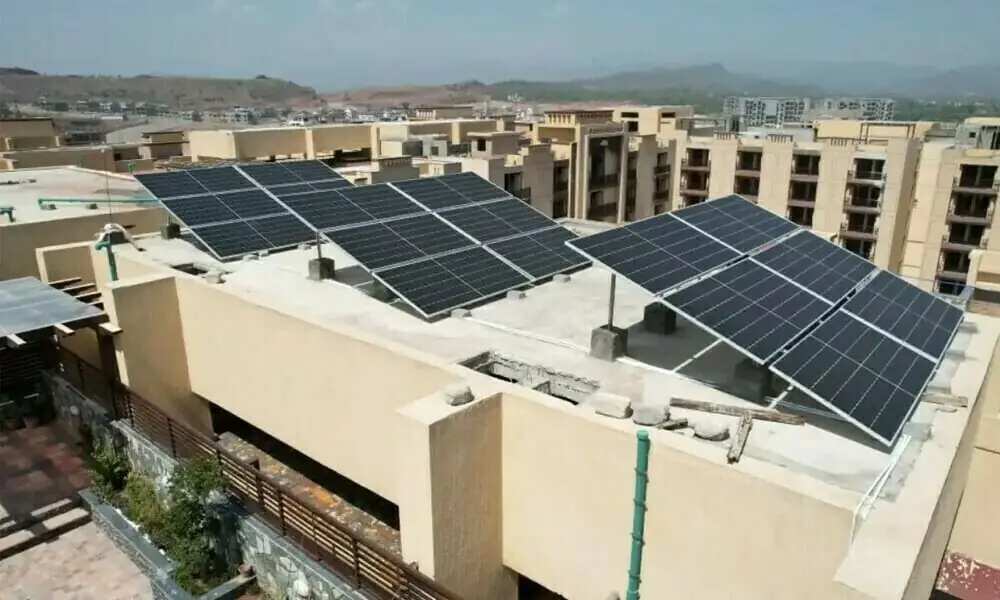
The National Electric Power Regulatory Authority (NEPRA) has officially notified the Prosumer Regulations, 2026, marking a major update to Pakistan’s renewable energy landscape. Read More: https://theboardroompk.com/pakistan-commits-1b-to-ai-development-by-2030-pm-shehbaz-unveils-ambitious-plan/ Issued on February 9, 2026, and effective immediately, these rules replace the decade-old net metering system with a net billing framework for distributed generation up to 1 MW. Key Features of the New Regulations Prosumers—consumers who generate their own electricity using clean sources like solar panels, wind turbines, or biogas plants—can now interconnect with the grid under structured agreements. Eligible participants include domestic, commercial, industrial, and agricultural users connected at 400V or 11kV. The regulations allow generation capacities from small rooftop setups to 1 MW, promoting shared energy partnerships. Transition and Billing Changes The old 2015 net metering regulations have been repealed. Surplus electricity supplied to the grid will be credited at the national average energy purchase price (around Rs11 per unit in recent estimates), while grid consumption is billed at the full applicable consumer tariff. Monthly adjustments apply, with credits carried forward or paid quarterly if supply exceeds use. Existing net metering agreements remain valid until expiry, after which they transition to the new net billing model. Approval and Safety Requirements Applicants must apply through their local distribution company (licensee) for technical studies and interconnection. NEPRA provides formal concurrence to ensure compliance with safety, technical, and legal standards. Agreements last five years (renewable), and prosumers must maintain grid stability with protective equipment and bidirectional metering. This shift aims to support sustainable energy while addressing grid challenges. Critics, including consumers at a recent public hearing, have raised concerns over the rapid implementation and potential impact on solar adoption benefits.

Pakistan Workers’ Remittances January 2026: Why a Monthly Dip Still Signals Economic Strength
Pakistan

Pakistan Workers’ Remittances January 2026: Why a Monthly Dip Still Signals Economic Strength

Pakistan workers’ remittances January 2026 tell a story that goes far beyond a single month’s numbers. While inflows slipped slightly to $3.46 billion, down 3.6% from December 2025, the broader trend reveals something far more powerful: overseas Pakistanis are sending more money home than ever before on an annual basis. According to the State Bank of Pakistan (SBP), remittances jumped 15.4% year-on-year, up from $3 billion in January 2025, reinforcing their role as one of Pakistan’s most stable economic lifelines. In an economy navigating inflation pressures, currency volatility, and external financing challenges, remittances remain a quiet but formidable force. Why the Monthly Dip in Pakistan Workers’ Remittances January 2026 Isn’t a Red Flag Seasonal fluctuations are common in remittance flows, particularly after year-end holidays. December often benefits from bonus payments and festive transfers, making January comparisons naturally softer. Despite the month-on-month decline, Pakistan workers’ remittances January 2026 remained comfortably above the $3.4 billion mark, a level many economies would consider exceptional. More importantly, the cumulative picture is bullish. 7MFY26 Remittances Signal Sustained Momentum During the first seven months of FY26, Pakistan received $23.20 billion in workers’ remittances, compared to $20.85 billion in the same period last year. This 11.3% growth highlights three key developments explained below: • Strong labor demand in Gulf and Western economies• Increased use of formal banking channels• Greater trust in Pakistan’s regulated remittance systems Instead of listing figures, think of this as nearly $2.4 billion in additional foreign exchange flowing into Pakistan within just seven months supporting reserves, stabilizing the rupee, and boosting household consumption. Saudi Arabia Remains the Backbone of Pakistan Workers’ Remittances January 2026 Saudi Arabia continued to dominate as Pakistan’s largest remittance corridor, sending $739.58 million in January 2026. Although marginally lower than December, Saudi inflows still grew 2% year-on-year, underlining the Kingdom’s enduring importance for Pakistani workers. This consistency matters. Saudi Arabia alone contributes over one-fifth of Pakistan’s monthly remittance inflows, providing predictability in an otherwise volatile global environment. UK, UAE, and Europe Strengthen Pakistan’s Remittance Map The United Kingdom emerged as a standout performer, contributing $572.09 million, with both monthly and annual growth. A 29% year-on-year surge suggests stronger earnings and improved transfer channels for UK-based Pakistanis. The United Arab Emirates, Pakistan’s third-largest source, sent $694.16 million, with Dubai accounting for the lion’s share. While marginally lower month-on-month, UAE inflows were 12% higher than January 2025, reflecting steady employment conditions. Meanwhile, European Union countries collectively sent $479.58 million, marking an impressive 36% year-on-year increase. Italy led the bloc, followed by Spain, Germany, and France an indicator of diversification beyond traditional Gulf corridors. North America and Asia Add Quiet Strength Remittances from the United States stood at $294.68 million, slightly softer than December but still robust. Countries like Australia ($109.71m) and Canada ($67.13m) continued to contribute meaningful inflows, while smaller but growing contributions from Japan, South Korea, Malaysia, and South Africa highlight Pakistan’s expanding diaspora footprint. Together, these regions form a stabilizing second layer beneath Gulf-led remittances. What Pakistan Workers’ Remittances January 2026 Mean for the Economy The latest data reinforces three critical takeaways: • Remittances remain Pakistan’s most reliable external inflow• Geographic diversification is reducing dependence on any single region• Annual growth momentum suggests continued strength into FY26 In a global economy facing uncertainty, Pakistan workers’ remittances January 2026 offer reassurance not just to policymakers, but to markets, households, and businesses alike. The monthly dip may grab headlines, but the underlying trend tells a far more optimistic story.

KSE-100 Index Faces Turbulence as Volatility Shakes Investor Confidence
Pakistan

KSE-100 Index Faces Turbulence as Volatility Shakes Investor Confidence

The KSE-100 Index sent shockwaves through Pakistan’s equity market on Monday, closing at 182,340.38 points, down 1,789.20 points (0.97%). While the headline number suggests a routine pullback, a deeper look reveals a trading session marked by extreme volatility, sector-wide pressure, and mixed investor sentiment that has reignited debate over the market’s short-term direction. Despite ending in the red, the KSE-100 Index told a far more dramatic story during the day one that reflects the nervous pulse of Pakistan’s capital markets amid profit-taking and shifting sector leadership. KSE-100 Index Intraday Swings Signal Market Unease The KSE-100 Index traded within a massive 4,657-point range, underlining heightened uncertainty. Early optimism pushed the index to an intraday high of 185,650.59 points, gaining over 1,500 points at one stage. However, aggressive selling later erased gains, dragging the benchmark to a session low of 180,992.79 points before a modest recovery at close. This sharp reversal suggests investors are increasingly selective, booking profits after recent rallies while remaining cautious about near-term economic signals. Total traded volume in the KSE-100 Index stood at 597.7 million shares, reflecting active participation despite the downturn. Market Breadth Weakens as Losers Dominate Out of 100 index-listed companies, only 33 stocks closed higher, while 66 ended in negative territory and one remained unchanged highlighting broad-based selling pressure. Top Losers Weighing on the KSE-100 Index Heavyweights led the decline, with Allied Bank (AKBL) plunging over 9%, followed by Lotte Chemical, Faysal Bank, Nishat Mills, and OGDC. These stocks not only fell sharply in percentage terms but also exerted significant downward pressure on the index. In terms of index points, OGDC alone wiped out nearly 243 points, while Meezan Bank, PPL, UBL, and Lucky Cement collectively erased hundreds more turning banking and energy into the day’s biggest drags. KSE-100 Index Finds Support from Select Defensive Plays Despite the broader weakness, select stocks provided relief. AGP surged by a full 10%, while K-Electric, Sazgar Engineering, Nestlé Pakistan, and Abbott Laboratories attracted strong buying interest. These companies added stability to the KSE-100 Index, with Sazgar, MCB, Nestlé, AGP, and National Bank collectively contributing over 325 points, preventing a deeper market slide. Sector Analysis: Banks and Energy Pull the KSE-100 Index Lower Sector-wise performance reveals the real story behind Monday’s decline: • Commercial Banks emerged as the biggest drag, shaving off nearly 767 points, signaling investor caution toward financials.• Oil & Gas Exploration, Cement, Power Generation, and Technology sectors also faced sustained selling pressure. On the brighter side, Automobile Assemblers, Pharmaceuticals, and Food & Personal Care Products offered resilience, hinting at defensive positioning and selective risk-taking by investors. Broader Market Mirrors KSE-100 Index Weakness The All-Share Index followed the benchmark lower, closing down 916 points (0.83%) at 109,847.66. Market activity slowed, with total traded volume falling to 931 million shares, while traded value slipped to Rs58.88 billion. Out of 481 traded companies, decliners significantly outnumbered advancers another sign that caution dominated the session. High-volume stocks such as K-Electric, Bank of Punjab, AGHA Steel, NBP, and PPL remained active, reflecting speculative interest even amid declining prices. Big Picture: KSE-100 Index Still a Long-Term Winner While Monday’s sell-off rattled nerves, the broader trend remains impressive. The KSE-100 Index has gained 56,713 points (45.14%) during the current fiscal year and is up 4.76% so far in the calendar year a reminder that short-term volatility does not erase long-term momentum. What’s Next for the KSE-100 Index? The latest session underscores a market at a crossroads. Investors appear torn between locking in profits after historic gains and positioning for further upside. With global cues, macroeconomic signals, and corporate earnings in focus, the KSE-100 Index may continue to experience sharp swings before finding a clear direction. For now, volatility not complacency is the market’s defining theme.

Symmetry Group Approves Rs1.25bn Investment Plan for Growth and Acquisitions
Pakistan

Symmetry Group Approves Rs1.25bn Investment Plan for Growth and Acquisitions

Symmetry Group Limited, a leading digital technology and experiences company in Pakistan, has approved an aggregate investment plan of up to Rs1,250 million. The decision was announced on Monday, February 9, 2026, through a notice to the Pakistan Stock Exchange. The funds will drive strategic expansions in the digital, media, and technology sectors. Read More: https://theboardroompk.com/abhi-microfinance-bank-1link-to-launch-1go-raast-person-to-merchant-p2m-services-for-merchants/ Acquisitions Target US and Local Tech Firms A key part of the plan includes acquiring a US-based technology firm to enhance global capabilities. The company will also invest in a local AI and data-driven digital company. These moves aim to bolster expertise in emerging technologies and expand market reach. Symmetry Group emphasized that the investments align with its core focus on innovative digital products and services. Scaling Operations and Supporting Long-Term Engagements The remaining funds will scale operational capacity to handle increased demand. They will support execution of recently secured long-term client engagements. Additional allocations include strengthening technology infrastructure and meeting working capital needs for improved profitability. The company stated that further details will be communicated in due course. This initiative reflects Symmetry Group’s commitment to sustained growth in a competitive digital landscape, building on its established presence in technology solutions.

Scroll to Top