Pakistan

From Rs 25K to Rs 250K: Proposed Renewal Fees Spark Punjab Arms Debate
Pakistan

From Rs 25K to Rs 250K: Proposed Renewal Fees Spark Punjab Arms Debate

The Punjab government is set to review a proposal that would significantly increase renewal fees for various categories of firearm licenses. Read More: https://theboardroompk.com/uae-golden-visa-return-emirates-steps-up-to-bring-residents-home-safely/ This move aims to strengthen and make the arms licensing system more effective, according to sources familiar with the matter. No final decision has been made, and the recommendation is expected to come under official consideration soon. Proposed Fee Structure Under the suggested revisions, renewal costs would rise substantially depending on the type of weapon: Shotgun licenses: Rs 25,000Pistols and revolvers: Rs 50,000Semi-automatic rifles: Rs 100,000Automatic rifles: Rs 250,000 These figures represent proposed hikes, though current renewal fees are not detailed in the report for direct comparison. The changes target different weapon categories, potentially distinguishing between non-prohibited bore (NPB) items like shotguns and pistols versus higher-caliber or prohibited bore arms. Rationale and Context The primary goal cited is to enhance the overall effectiveness of Punjab’s arms licensing framework. This proposal arrives amid broader scrutiny of weapon ownership in the province, including past concerns over licenses issued to non-tax filers (as highlighted by a Senate committee earlier in 2026, noting disparities in issuance). Recent years have seen efforts to computerize licenses, halt manual renewals, and enforce stricter regulations to curb proliferation. While no explicit link to revenue generation is stated, higher fees could deter casual ownership or informal use while funding better administration and verification processes. Potential Implications If approved, the increases could impact thousands of license holders across Punjab, raising renewal costs considerably and possibly encouraging surrenders or non-renewals for some. Critics, including public comments on related reports, have questioned how fee hikes alone would improve licensing integrity or security. The proposal reflects ongoing provincial attempts to regulate arms more stringently in a context of public safety and administrative reforms. Licensees are advised to monitor official announcements from the Punjab Home Department for updates, as no timeline for finalization has been confirmed.

Govt Unveils 10-Year Roadmap to Wipe Out Rs 3.4 Trillion Gas Circular Debt
Pakistan

Govt Unveils 10-Year Roadmap to Wipe Out Rs 3.4 Trillion Gas Circular Debt

The Pakistani government has developed a comprehensive 10-year strategy to eradicate the gas sector’s circular debt, which has ballooned to approximately Rs 3.4 trillion (including Rs 1.8 trillion in principal liabilities). Read More: https://theboardroompk.com/pakistan-government-borrowing-surges-a-closer-look-at-fiscal-year-debt-trends/ The plan focuses on financial restructuring, policy measures, and phased interventions to stabilize the sector amid ongoing energy challenges. Key Elements of the Plan The initiative targets the elimination of over Rs 1.5 trillion in liabilities through immediate settlements and long-term mechanisms. This includes waiving around Rs 1.6 trillion in government surcharges to relieve pressure on gas companies, alongside bank refinancing for remaining amounts. Sources indicate the plan proposes a Rs 5 per litre levy on petrol and diesel to generate dedicated funds for clearing these obligations. Funding Sources and Timeline Short-term actions aim to settle roughly Rs 1.5 trillion promptly, while the broader debt resolution unfolds over the decade. Funding draws from dividends and payouts by major state-owned energy companies, savings from LNG imports, and the proposed petroleum product levy. The remaining portion of the debt is tied up in tax refunds and legal disputes, limiting full immediate clearance. IMF Approval and Sector Implications The strategy requires approval from the International Monetary Fund (IMF), with hopes for endorsement before the next federal budget to incorporate provisions. This reflects efforts to address surging circular debt amid regional instability and supply issues. Successful implementation could stabilize gas companies like Sui Northern and Sui Southern, reduce fiscal strain, and prevent further accumulation of liabilities. However, the proposed fuel levy may raise consumer costs for petroleum products, adding to economic pressures in an already challenging environment.

Pakistan Launches Direct Feeder Shipping Link from Karachi to UAE Ports
Pakistan

Pakistan Launches Direct Feeder Shipping Link from Karachi to UAE Ports

Pakistan has launched a new feeder shipping service connecting Karachi Port to key ports in the United Arab Emirates (UAE), marking a significant boost to bilateral trade and maritime connectivity. Read More: https://theboardroompk.com/pakistan-government-borrowing-surges-a-closer-look-at-fiscal-year-debt-trends/ The initiative links Karachi Gateway Terminal (KGTL) with Fujairah and Khorfakkan, two major transshipment hubs in the UAE. This development comes as Pakistan seeks to enhance access to global shipping networks amid regional dynamics. Launch and Key Announcement Federal Minister for Maritime Affairs Junaid Anwar Chaudhry announced the commencement of regular operations. The first feeder vessel arrived at KGTL on March 11, 2026, officially kicking off the service. The minister highlighted it as an important step toward building transshipment capabilities at Karachi Port. Parties Involved and Infrastructure The service operates through Karachi Gateway Terminal (Private) Limited (KGTL), a key partner of Karachi Port Trust (KPT) and part of AD Ports Group’s international arm, Noatum Ports. Officials from KPT, including Chairman Shahid Ahmed, and KGTL CEO Khurram Aziz emphasized the collaboration’s role in supporting Pakistan’s trading community. The route leverages the UAE’s advanced logistics infrastructure, including integrated road and rail corridors. Benefits for Trade and Economy This feeder service provides reliable connectivity for Pakistani importers and exporters to international container networks. It strengthens supply chain resilience, improves trade efficiency, and positions Karachi Port as a stronger player in regional and global maritime trade. Minister Chaudhry noted that Pakistan’s economy heavily depends on sea routes, and this link adds vital resilience for businesses. The service focuses exclusively on cargo, particularly containers, with no passenger component mentioned. Official Statements Chaudhry stated: “The new feeder service marks an important step toward trans-shipment,” and added that it links Karachi with major hubs for dependable global access. Aziz remarked that it reflects KGTL’s commitment to enhancing maritime connectivity and supporting traders. Ahmed highlighted improved connectivity to meet Pakistan’s growing trade needs. This launch aligns with efforts to deepen Pakistan-UAE economic ties through better maritime links, potentially reducing reliance on indirect routes and lowering costs for cargo movement.

Pakistan Government Borrowing Surges: A Closer Look at Fiscal Year Debt Trends
Pakistan

Pakistan Government Borrowing Surges: A Closer Look at Fiscal Year Debt Trends

Pakistan Government Borrowing has once again captured the spotlight after the federal government added a substantial Rs317.37 billion in fresh debt during the week ending March 06, 2026. This sudden spike has pushed net borrowing for fiscal year 2026 to Rs627.49 billion, raising critical questions about fiscal sustainability, banking sector exposure, and the country’s economic outlook. Read More: https://theboardroompk.com/pakistan-food-security-strategy-shehbaz-sharif-pushes-export-driven-agricultural-vision/ As policymakers navigate an evolving financial landscape, the latest borrowing figures reveal not just the scale of funding needs but also the changing dynamics of debt management and institutional financing. Pakistan Government Borrowing: Understanding the Three Key Categories To better understand Pakistan Government Borrowing, it is important to look at how government debt is structured. Borrowings are broadly divided into budgetary support, commodity operations, and other financing needs. During the latest reporting week, budgetary support accounted for the overwhelming majority of borrowing, reflecting the government’s urgent need to finance fiscal expenditures and maintain liquidity in public finances. At the same time, modest repayments were recorded under commodity operations and other categories, signaling selective efforts to manage short-term obligations. This trend highlights the government’s increasing reliance on debt instruments primarily to bridge budget gaps rather than finance commodity procurement or miscellaneous expenses. Fiscal Year Borrowing Trend Signals Growing Pressure With the latest addition, cumulative borrowing for fiscal year 2026 now stands significantly higher in the budgetary support segment, while net retirements continue in commodity operations and other financing areas. In practical terms, this means the government is actively prioritizing funding for development spending, debt servicing, and operational expenses, even as it attempts to reduce exposure in other borrowing streams. Such patterns often indicate tightening fiscal space a factor closely watched by investors, financial institutions, and international stakeholders assessing economic resilience. The Role of Banks in Pakistan Government Borrowing A key feature of Pakistan Government Borrowing is the role played by the country’s banking system. Financing for budgetary support largely comes from the central bank and scheduled commercial banks, forming a critical lifeline for fiscal operations. Interestingly, the government has reduced its reliance on direct central bank borrowing during the current fiscal year, retiring a significant net amount of liabilities. This shift reflects a broader policy emphasis on market-based financing and monetary discipline. Conversely, borrowing from commercial banks has surged, with the federal government accounting for the majority of fresh lending. Provincial governments, meanwhile, have adopted a more cautious stance by retiring portions of their bank debt. This divergence underscores how different tiers of government are responding to fiscal pressures in distinct ways. Why Pakistan Government Borrowing Matters for the Economy Rising public sector borrowing is more than just a statistical milestone it carries far-reaching implications for inflation, interest rates, and private sector investment. When governments borrow heavily from banks, it can potentially crowd out private sector credit, limiting business expansion and economic growth. At the same time, a shift away from central bank financing may help stabilize inflation expectations and strengthen policy credibility. For market participants, the latest borrowing figures serve as a key indicator of future tax policies, spending priorities, and macroeconomic reforms. Ultimately, managing fiscal debt effectively will be crucial for ensuring long-term economic stability and investor confidence. Outlook: Balancing Growth and Fiscal Discipline The trajectory of Pakistan Government Borrowing in the coming months will depend on revenue collection performance, global economic conditions, and domestic policy choices. If borrowing continues to rise at the current pace, policymakers may face difficult trade-offs between stimulating growth and maintaining fiscal prudence. However, strategic debt management and structural reforms could help ease pressure on public finances while supporting sustainable development. For now, the latest data offers a clear message: Pakistan’s fiscal path remains a defining factor in shaping its economic future.

Pakistan Gas Shortage Expected in April 2026: LNG Disruptions Threaten Power Supply
Pakistan

Pakistan Gas Shortage Expected in April 2026: LNG Disruptions Threaten Power Supply

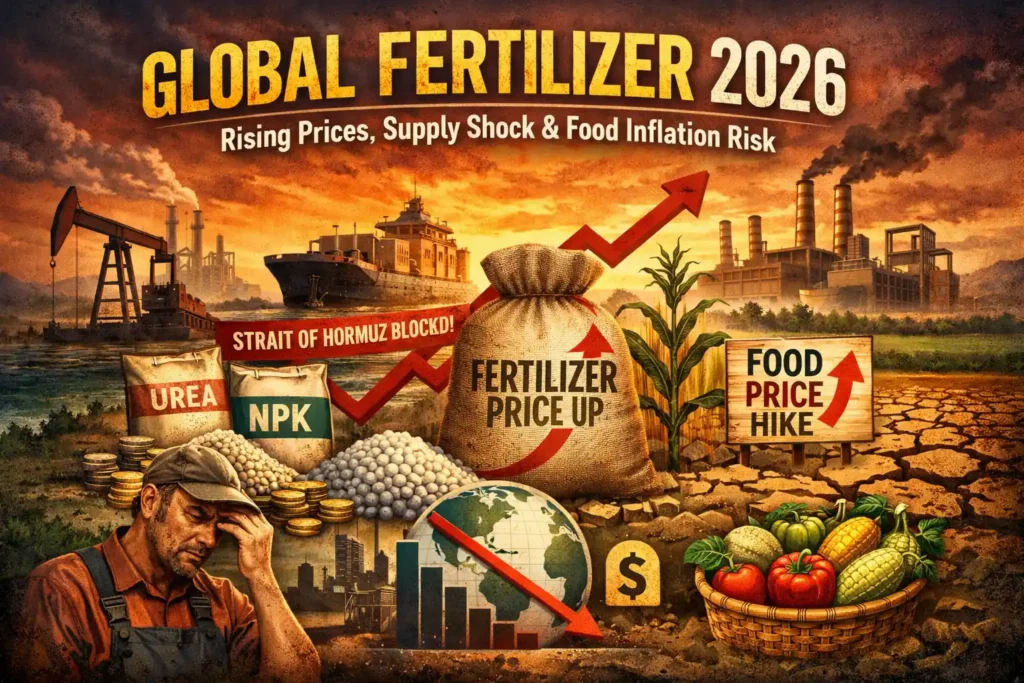
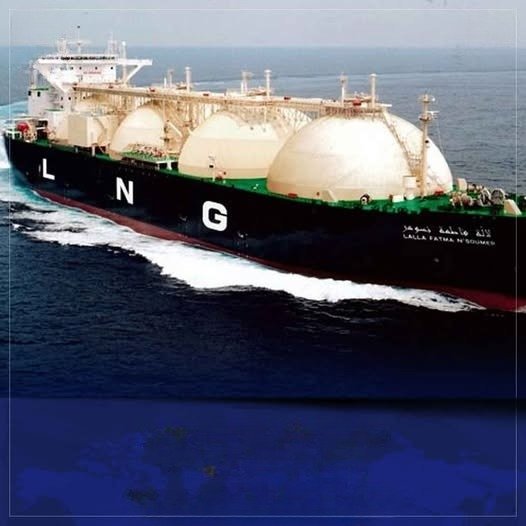
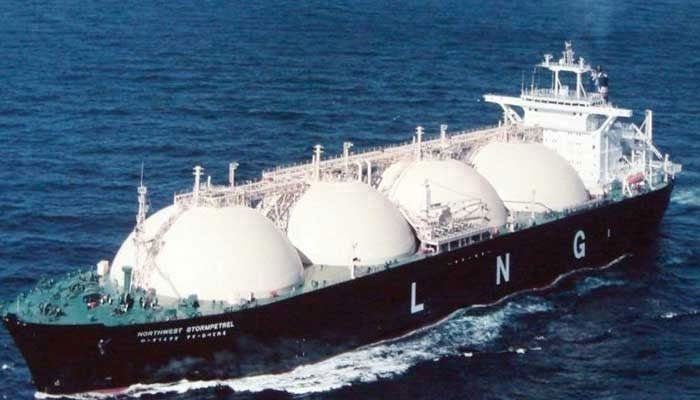
Pakistan Gas Shortage April 2026 is rapidly emerging as one of the most serious energy challenges the country has faced in recent years. With global geopolitical tensions disrupting liquefied natural gas (LNG) shipments from Qatar, Pakistan may face an alarming situation where gas supplies could drop to near zero after April 14. Read More: https://theboardroompk.com/pakistan-food-security-strategy-shehbaz-sharif-pushes-export-driven-agricultural-vision/ The sudden disruption in LNG cargo deliveries is expected to create a ripple effect across the power sector, industrial output, and overall economic stability. Energy planners and policymakers are now scrambling to manage the fallout as the country braces for a potential power crisis. Pakistan Gas Shortage April 2026 Linked to LNG Supply Disruptions The Pakistan Gas Shortage April 2026 is largely being driven by interruptions in LNG shipments originating from Qatar. These shipments typically pass through the strategically vital Strait of Hormuz, a critical maritime route for global energy trade. However, escalating tensions and conflict in the Middle East have disrupted shipping routes and created logistical uncertainties for LNG exporters and importers alike. In March 2026 alone, Pakistan was scheduled to receive eight LNG cargoes to meet domestic demand. Yet six of these shipments were missed, leaving the country with a significant supply deficit. The situation is expected to worsen in April. Out of six LNG cargoes originally planned for the month, at least three are already projected to fail to arrive, raising fears of an acute gas shortage in the coming weeks. Power Generation at Risk as Gas Supply Shrinks The energy sector is particularly vulnerable to the Pakistan Gas Shortage April 2026, as natural gas remains one of the primary fuels used for electricity generation in the country. Gas-fired power plants play a critical role in stabilizing Pakistan’s electricity grid. With LNG imports shrinking dramatically, these power plants may struggle to maintain production levels, potentially leading to widespread electricity shortages. Energy experts warn that if additional LNG cargoes fail to arrive, the country could experience severe power outages during peak demand periods. This scenario could place additional pressure on already strained power infrastructure. Economic Impact of Pakistan Gas Shortage April 2026 Beyond electricity generation, the Pakistan Gas Shortage April 2026 carries broader economic implications. Natural gas is a key input for several industries, including fertilizer production, textiles, and manufacturing. Any disruption in gas supply could slow industrial output and increase production costs. Higher energy costs and supply constraints may also contribute to rising inflation across multiple sectors. Food prices could be particularly vulnerable if fertilizer production declines, potentially impacting agricultural yields in upcoming crop cycles. Economic analysts caution that an extended energy crisis could dampen investor confidence and slow economic recovery efforts. Government Races to Implement Contingency Measures To mitigate the effects of the Pakistan Gas Shortage April 2026, the government has begun exploring several emergency measures. Authorities are actively seeking alternative fuel supplies in global energy markets. However, LNG spot prices remain volatile due to geopolitical tensions and rising demand from other importing countries. At the same time, policymakers are considering energy conservation measures similar to those implemented during the COVID-19 pandemic. These could include reduced operating hours for certain sectors, energy-saving policies, and restrictions on non-essential fuel consumption. Another strategy being pursued involves maximizing domestic energy production. Local gas reserves and alternative power sources are being utilized more aggressively to bridge the supply gap. Short-Term Fuel Stocks Offer Temporary Relief Despite the escalating situation, government officials have indicated that Pakistan currently has limited fuel reserves available to cushion the immediate impact of the crisis. These reserves may provide temporary stability to the power sector and essential industries during the early phase of the shortage. However, analysts emphasize that this buffer is short-lived and cannot fully offset prolonged LNG disruptions. If LNG shipments fail to normalize soon, the Pakistan Gas Shortage April 2026 could evolve into a broader energy emergency affecting households, businesses, and economic activity nationwide. A Critical Test for Pakistan’s Energy Security The unfolding Pakistan Gas Shortage April 2026 highlights the country’s growing dependence on imported energy and the vulnerabilities within global fuel supply chains. As geopolitical tensions reshape global energy flows, Pakistan’s ability to diversify its energy mix and strengthen domestic production will likely become an urgent national priority. For policymakers, businesses, and consumers alike, the coming weeks may prove crucial in determining how deeply this energy crisis will impact Pakistan’s economy and daily life.

Pakistan Food Security Strategy: Shehbaz Sharif Pushes Export-Driven Agricultural Vision
Pakistan

Pakistan Food Security Strategy: Shehbaz Sharif Pushes Export-Driven Agricultural Vision

Pakistan Food Security has taken centre stage in the government’s economic and agricultural agenda, as Prime Minister Shehbaz Sharif unveiled a renewed push to closely monitor essential food supplies while unlocking fresh export opportunities for surplus produce. Read More: https://theboardroompk.com/automobile-financing-in-pakistan-gains-momentum-as-consumer-credit-expands/ The move signals a dual-track policy approach: protecting domestic consumers from shortages while positioning Pakistan’s agricultural sector as a competitive player in regional and global markets. For businesses, investors, and farmers alike, this evolving strategy could reshape the country’s trade landscape in the months ahead. Pakistan Food Security at the Heart of Policy Planning At a high-level review meeting in Lahore, the prime minister directed relevant authorities to maintain constant oversight of food supply and demand trends nationwide. The objective is clear prevent shortages, stabilize prices, and maintain uninterrupted access to essential commodities. Officials briefed the premier that current stock levels of key food items remain adequate, offering reassurance to both markets and consumers. However, the government’s emphasis on Pakistan Food Security goes beyond maintaining reserves. It also involves building resilience against global disruptions that have recently unsettled supply chains. The prime minister underscored that effective monitoring systems, real-time data analysis, and coordinated policymaking would be critical to ensuring that Pakistan’s food ecosystem remains stable and responsive. Export Opportunities Emerging from Global Supply Shifts While safeguarding domestic consumption remains a priority, the government is also keenly focused on turning global supply challenges into economic opportunity. Disruptions in international food trade have opened doors for Pakistani products in regional markets, particularly in the Gulf region. Authorities highlighted that Pakistan’s agricultural sector spanning crops, livestock, poultry, dairy, and seafood holds strong export potential when supported by improved logistics and forward-looking policies. The government aims to harness this potential by facilitating smoother trade flows and strengthening marketing efforts abroad. The prime minister stressed the need to strike a delicate balance: expanding exports without compromising Pakistan Food Security at home. This approach reflects a broader ambition to transform agriculture into a growth engine for the national economy. Strategic Focus on Gulf Markets and Trade Partnerships A major pillar of the Pakistan Food Security roadmap is prioritizing exports to Gulf countries, long regarded as vital economic partners. The government has instructed authorities to craft a comprehensive strategy that enables surplus food shipments to these markets while ensuring domestic supply stability. To support export logistics, the prime minister called on the Pakistan National Shipping Corporation to enhance sea-route transportation capacity. Efficient shipping solutions are expected to reduce costs, improve delivery timelines, and boost competitiveness for Pakistani exporters. Quality assurance is another cornerstone of the plan. Maintaining high standards for exported food products is essential not only for securing international market share but also for strengthening Pakistan’s brand reputation globally. Strengthening Oversight and Market Intelligence To ensure continuous evaluation of the food situation, a dedicated monitoring committee has been formed. This body will review daily supply levels, track price trends, and recommend timely policy interventions where necessary. Additionally, Pakistani ambassadors and trade officers stationed in Gulf countries have been tasked with actively promoting agricultural exports. Their role will include facilitating business partnerships, gathering market insights, and advocating for Pakistani products in competitive markets. Economic Implications: Stability at Home, Growth Abroad The government’s renewed focus on Pakistan Food Security is not merely a policy adjustment it is a strategic effort to stabilize the domestic economy while increasing foreign exchange earnings. By expanding agricultural exports and reinforcing supply chain management, Pakistan aims to create a win-win scenario for producers, traders, and consumers. If executed effectively, this export-driven approach could strengthen rural incomes, boost national revenues, and enhance food availability across the country. For businesses operating in agriculture, logistics, and trade, the evolving strategy offers new avenues for growth and investment.

Govt Declares 4-Day Eid ul-Fitr Break: March 20-23 Holidays Announced
Pakistan

Govt Declares 4-Day Eid ul-Fitr Break: March 20-23 Holidays Announced

The federal government of Pakistan has announced public holidays for Eid ul-Fitr 2026, declaring March 20 (Friday) and March 21 (Saturday) as official days off. Read More: https://theboardroompk.com/third-drone-hit-on-dubai-hub-spotlights-escalating-gulf-aviation-risks/ This applies to all government offices following five- or six-day work weeks, as per a notification from the Cabinet Division approved by Prime Minister Shehbaz Sharif. Extended Break for Celebrations With March 22 falling on Sunday—a regular weekly holiday—and March 23 observed as Pakistan Day, the public can enjoy four consecutive days off from March 20 to 23. This creates a perfect long weekend for families to celebrate the end of Ramadan with joy and togetherness. Many citizens are planning visits to relatives, shopping for Eid outfits, and enjoying festive meals after a month of fasting. Experts predict Eid on March 21 based on astronomical calculations from Suparco, though the final confirmation depends on the Ruet-e-Hilal Committee’s moon sighting on March 19. The announcement brings relief and excitement nationwide as preparations intensify. Businesses and schools will remain closed during this period, allowing everyone to focus on religious and cultural traditions. Joyful Festive Atmosphere Ahead Eid ul-Fitr marks victory over self-discipline and gratitude for blessings received during Ramadan. Mosques will host special prayers, while markets buzz with shoppers buying sweets, new clothes, and gifts. Families exchange greetings of “Eid Mubarak,” strengthening bonds and community spirit across Pakistan. This four-day holiday break promises relaxation, travel, and memorable moments for millions. The government’s timely notification ensures smooth planning for the festive occasion.

Scroll to Top