
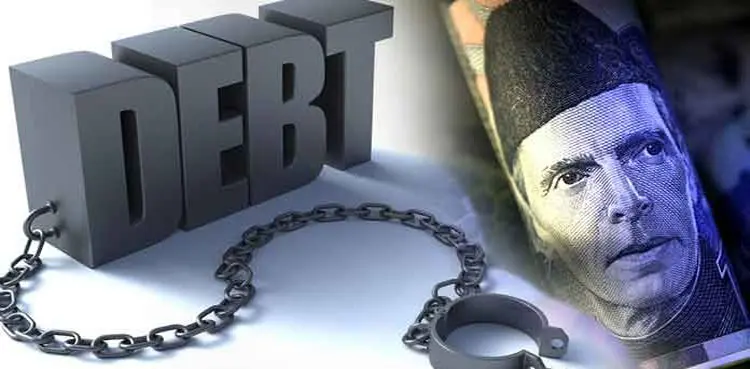
Pakistan Government Borrowing has once again captured the spotlight after the federal government added a substantial Rs317.37 billion in fresh debt during the week ending March 06, 2026. This sudden spike has pushed net borrowing for fiscal year 2026 to Rs627.49 billion, raising critical questions about fiscal sustainability, banking sector exposure, and the country’s economic outlook.
As policymakers navigate an evolving financial landscape, the latest borrowing figures reveal not just the scale of funding needs but also the changing dynamics of debt management and institutional financing.
Pakistan Government Borrowing: Understanding the Three Key Categories
To better understand Pakistan Government Borrowing, it is important to look at how government debt is structured. Borrowings are broadly divided into budgetary support, commodity operations, and other financing needs.
During the latest reporting week, budgetary support accounted for the overwhelming majority of borrowing, reflecting the government’s urgent need to finance fiscal expenditures and maintain liquidity in public finances. At the same time, modest repayments were recorded under commodity operations and other categories, signaling selective efforts to manage short-term obligations.
This trend highlights the government’s increasing reliance on debt instruments primarily to bridge budget gaps rather than finance commodity procurement or miscellaneous expenses.
Fiscal Year Borrowing Trend Signals Growing Pressure
With the latest addition, cumulative borrowing for fiscal year 2026 now stands significantly higher in the budgetary support segment, while net retirements continue in commodity operations and other financing areas.
In practical terms, this means the government is actively prioritizing funding for development spending, debt servicing, and operational expenses, even as it attempts to reduce exposure in other borrowing streams.
Such patterns often indicate tightening fiscal space a factor closely watched by investors, financial institutions, and international stakeholders assessing economic resilience.
The Role of Banks in Pakistan Government Borrowing
A key feature of Pakistan Government Borrowing is the role played by the country’s banking system. Financing for budgetary support largely comes from the central bank and scheduled commercial banks, forming a critical lifeline for fiscal operations.
Interestingly, the government has reduced its reliance on direct central bank borrowing during the current fiscal year, retiring a significant net amount of liabilities. This shift reflects a broader policy emphasis on market-based financing and monetary discipline.
Conversely, borrowing from commercial banks has surged, with the federal government accounting for the majority of fresh lending. Provincial governments, meanwhile, have adopted a more cautious stance by retiring portions of their bank debt.
This divergence underscores how different tiers of government are responding to fiscal pressures in distinct ways.
Why Pakistan Government Borrowing Matters for the Economy
Rising public sector borrowing is more than just a statistical milestone it carries far-reaching implications for inflation, interest rates, and private sector investment.
When governments borrow heavily from banks, it can potentially crowd out private sector credit, limiting business expansion and economic growth. At the same time, a shift away from central bank financing may help stabilize inflation expectations and strengthen policy credibility.
For market participants, the latest borrowing figures serve as a key indicator of future tax policies, spending priorities, and macroeconomic reforms.
Ultimately, managing fiscal debt effectively will be crucial for ensuring long-term economic stability and investor confidence.
Outlook: Balancing Growth and Fiscal Discipline
The trajectory of Pakistan Government Borrowing in the coming months will depend on revenue collection performance, global economic conditions, and domestic policy choices.
If borrowing continues to rise at the current pace, policymakers may face difficult trade-offs between stimulating growth and maintaining fiscal prudence. However, strategic debt management and structural reforms could help ease pressure on public finances while supporting sustainable development.
For now, the latest data offers a clear message: Pakistan’s fiscal path remains a defining factor in shaping its economic future.