Pakistan

Pak-Qatar Family Takaful IPO Takes Off: Oversubscribed on Day One
Pakistan

Pak-Qatar Family Takaful IPO Takes Off: Oversubscribed on Day One

In a strong show of confidence from Pakistan’s capital market, Pak-Qatar Family Takaful Limited (PQFTL) made an impressive debut with its Initial Public Offering (IPO) being oversubscribed on the very first day of book building. The overwhelming investor interest underscores the company’s solid fundamentals and its position as a market leader in the fast-growing takaful industry. A Powerful Market Response on Day One: According to Shahid Ali Habib, CEO of Arif Habib Limited, a substantial volume of funds has already been deposited during the book-building process. He shared on his X (formerly Twitter) account that many more investors are expected to place their final bids on the last day of the offer a sign that sentiment around the IPO remains highly positive. The IPO consists of 50 million shares, representing 21.67% of post-IPO paid-up capital, with a floor price of Rs14 per share. Using the Dutch auction method, PQFTL will allocate 75% of shares to successful bidders while 25% is reserved for retail investors. A Market Leader With a Strong Track Record: Founded in 2006, Pak-Qatar Family Takaful is Pakistan’s first and largest dedicated Family Takaful operator. Today, it dominates the sector with: • 44% share of the overall family takaful market• Over 90% share of the dedicated takaful segment Such commanding strength doesn’t happen overnight. PQFTL has built its reputation by delivering consistent growth in net income and profit-after-tax (PAT). Its single-contribution products have played a vital role in accelerating asset accumulation while maintaining low acquisition costs of just 5% in FY24, a notable advantage in a competitive industry. A Forward-Looking Company With Long-Term Vision: The company’s ambition for innovation and diversification became clearer in 2022, when it became Pakistan’s first takaful operator to receive a Voluntary Pension Scheme (VPS) license. This strategic move positions PQFTL to capture long-term retirement savings, giving it a sustainable growth path for the coming decades. What the Oversubscription Really Means: The immediate oversubscription of PQFTL’s IPO indicates three important trends in Pakistan’s financial markets: For investors, PQFTL represents a rare opportunity to invest in a high-growth segment of Pakistan’s financial industry, one that continues to expand even during economic volatility. Pak-Qatar Family Takaful’s IPO success story is more than a market event, it’s a reflection of how Islamic finance, digital distribution, and long-term savings products are reshaping Pakistan’s financial landscape. As bids continue flowing in, all eyes are on the final book-building results, which are expected to set new benchmarks for future Shariah-compliant IPOs.
Pakistan Opens Karachi & Gwadar Ports to Turkmenistan, Unlocking a New Era of Central Asian Trade
Pakistan

Pakistan Opens Karachi & Gwadar Ports to Turkmenistan, Unlocking a New Era of Central Asian Trade

In a significant move that could reshape regional trade dynamics, Pakistan has officially offered Turkmenistan access to its deep-sea ports in Karachi and Gwadar. The development came during Prime Minister Shehbaz Sharif’s two-day visit to Ashgabat, where he met Turkmen President Serdar Berdimuhamedov on the sidelines of an international forum. The proposal marks a strategic shift toward closer regional integration, opening new land and sea routes that could transform Pakistan into a major commercial gateway for Central Asia. A New Trade Corridor for Central Asia: Turkmenistan, a landlocked nation heavily dependent on overland routes, has long sought diversified access to global markets. Pakistan’s offer aims to create: • New alternative trade corridors• Reliable access to South Asia, the Middle East, and the wider global market• Expanded land-and-sea connectivity that benefits both countries According to official statements, the ports of Karachi and Gwadar are well positioned to support Turkmenistan’s growing trade ambitions, particularly as Central Asian nations look to reduce their logistical dependence on traditional routes. Strategic Diplomacy in Ashgabat: Prime Minister Shehbaz Sharif and President Berdimuhamedov met during international celebrations marking 30 years of Turkmenistan’s permanent neutrality, a globally recognized UN designation. During the meeting, the Pakistani premier highlighted how both ports especially Gwadar, located near vital shipping lanes can serve as high-value gateways for Central Asian exports and imports. Sharif also expressed gratitude to the Turkmen government for assisting in the evacuation of Pakistani citizens from Iran earlier this year during heightened tensions between Iran and Israel. High-Level Delegation from Pakistan: The Pakistani delegation included:• Ishaq Dar – Deputy Prime Minister• Awais Leghari – Federal Minister for Energy• Atta Tarar – Federal Minister for Information Their presence signals Pakistan’s intention to expand cooperation in energy, logistics, and trade infrastructure, even though no formal agreements or investment figures were announced during this round of talks. Energy Cooperation: A Long-Term Opportunity: Turkmenistan is one of the world’s major natural gas exporters, while Pakistan continues to face unresolved energy challenges. Both nations have previously explored major energy projects such as the TAPI gas pipeline, which is proposed to run through Afghanistan. While progress has been slow, renewed diplomatic engagement may help revive long-term energy cooperation discussions. Invitations for High-Level Visits in 2026: Prime Minister Shehbaz Sharif extended formal invitations to:• President Serdar Berdimuhamedov, and• Former President Gurbanguly Berdimuhamedov, now recognized as the National Leader of the Turkmen People for official state visits to Pakistan in 2026. These visits could push forward economic agreements, investment frameworks, and energy partnerships. Participation in Global Peace Forum: Shehbaz Sharif is also attending the International Forum on Peace and Trust, organized to mark the UN’s declaration of 2025 as the International Year of Peace and Trust. The forum reflects Turkmenistan’s long-standing diplomatic identity centered around neutrality and peaceful cooperation. Why This Matters for Regional Business & Investment: Pakistan’s offer has the potential to:• Position Karachi and Gwadar as regional trade hubs• Strengthen economic ties between South Asia and Central Asia• Enhance Pakistan’s relevance in global supply chains• Open doors to future energy, logistics, and infrastructure investments If fully realized, the collaboration could reshape commercial flows across the region, making Pakistan a central player in Central Asian trade connectivity.

Pakistani Rupee Holds Firm Against US Dollar
Pakistan

Pakistani Rupee Holds Firm Against US Dollar

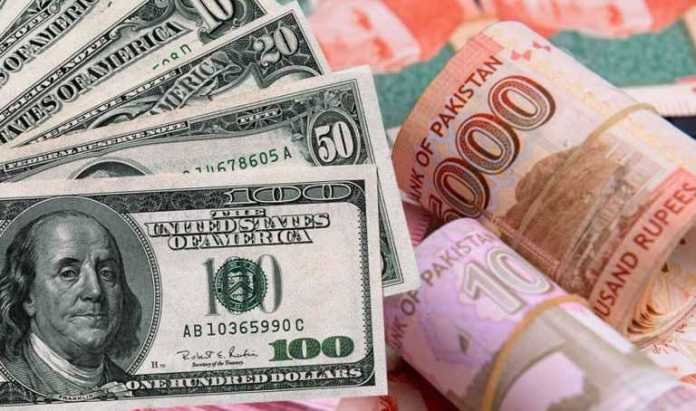
The Pakistani rupee (PKR) continued its steady trajectory on Thursday, posting a marginal gain against the US dollar in the interbank market. The local currency appreciated by 1.14 paisa, closing the day at PKR 280.36 per USD, slightly stronger than the previous close of 280.37. Despite the modest move, the rupee showed relative stability throughout the session, touching an intraday high (bid) of 280.40 and a low (ask) of 281.40, reflecting a calm trading environment amid improving sentiment in the currency market. Open Market: Dollar Remains Range-Bound: In the open market, exchange companies quoted the US dollar at:• Buying: PKR 280.60• Selling: PKR 281.40 The close alignment between interbank and open-market rates highlights increased supply and better liquidity, which has helped reduce volatility over the past few weeks. PKR Shows Mixed Movement Against Major Global Currencies: While the rupee held firm against the dollar, it showed a divergent trend when compared to other major international currencies. Euro (EUR)• PKR depreciated by 1.49 rupees (0.46%)• Closed at PKR 328.08 vs. previous 326.59 British Pound (GBP)• PKR weakened by 1.20 rupees (0.32%)• Settled at PKR 374.83 versus 373.63 earlier Swiss Franc (CHF)• PKR dropped by 2.47 rupees (0.71%)• Closed at PKR 350.83 Japanese Yen (JPY)• PKR slipped by 0.77 paisa (0.43%)• Closed at PKR 1.7977 compared to 1.7900 previously Chinese Yuan (CNY)• PKR eased by 1.67 paisa (0.04%)• Finished at PKR 39.72 Interestingly, the rupee showed slight strength against Gulf currencies: Saudi Riyal (SAR)• Gained 0.70 paisa (0.01%)• Closed at PKR 74.71 UAE Dirham (AED)• Gained 0.73 paisa (0.01%)• Closed at PKR 76.33 Rupee’s Performance in FY25 and CY25: The Pakistani rupee has displayed a mixed but improving pattern this year. Current Fiscal Year (FY25)• PKR has appreciated by 3.40 rupees (1.21%) against the USD Calendar Year (CY25)• PKR has depreciated 1.81 rupees (0.65%) so far The overall trend shows that while global currency pressures remain, Pakistan’s local unit is benefiting from better inflows, improved sentiment, and tighter administrative measures. Outlook: Stability Continues Amid Global and Local Shifts: The rupee’s slight gain against the dollar and its controlled movement across major currencies signal a market that is gradually stabilizing. With improving foreign exchange reserves, restrained imports, and steady remittance flows, analysts expect the PKR to maintain a narrow trading range in the near term. However, external factors such as global oil prices, geopolitical developments, and Federal Reserve rate decisions will continue to influence PKR’s direction.

Pakistan Mutual Fund Industry Crosses PKR 4.3 Trillion
Pakistan

Pakistan Mutual Fund Industry Crosses PKR 4.3 Trillion

Karachi, December 11, 2025 – Pakistan’s mutual fund industry has shattered another milestone, crossing the PKR 4.3 trillion mark for the first time in history. According to data released by Optimus Capital Management, total Assets Under Management (AUM) jumped 2.2% month-on-month to a record PKR 4,306 billion as of November 30, 2025, adding a massive PKR 90 billion in fresh inflows in just 30 days. The surge was powered by aggressive risk-taking by investors: equity funds grew 3.5% MoM and their share in total industry AUM climbed to an all-time high of 14.4% (up 20 basis points). Shariah-compliant income and equity funds remained the biggest beneficiaries, attracting the lion’s share of new money. Read More: https://theboardroompk.com/retail-investors-fuel-pakistan-stock-exchanges-40-surge-in-2025-highest-turnover-since-2017/ Al Meezan Investments retained its dominant position with PKR 667 billion (+4.1% MoM), while NBP Funds (PKR 509 bn) and HBL Asset Management (PKR 360 bn) held second and third spots respectively. Notably, HBL Asset Management overtook MCB Funds for the first time. Smaller players stole the show on growth: Lucky Cement-backed Lucky Investment Ltd surged 8.0% MoM, JS Investments rose 4.8%, and Lakson Investments gained 4.5%. Meanwhile, money market funds witnessed marginal outflows for the second consecutive month as investors rotated toward higher-yielding equity and income categories amid expectations of further policy rate cuts. Industry officials described the PKR 4.3 trillion milestone as a “turning point” for capital market depth in Pakistan. “Retail participation has never been this strong. The jump in equity allocation to 14.4% reflects growing confidence in the stock market rally and falling fixed-income yields,” said a senior fund manager. With the KSE-100 up over 80% year-to-date, analysts expect the industry to comfortably breach PKR 4.5 trillion before March 2026.

SICPA Pakistan Marks 30 Years of Excellence and Strategic Partnership in Secure Identification and Brand Protection
Pakistan

SICPA Pakistan Marks 30 Years of Excellence and Strategic Partnership in Secure Identification and Brand Protection

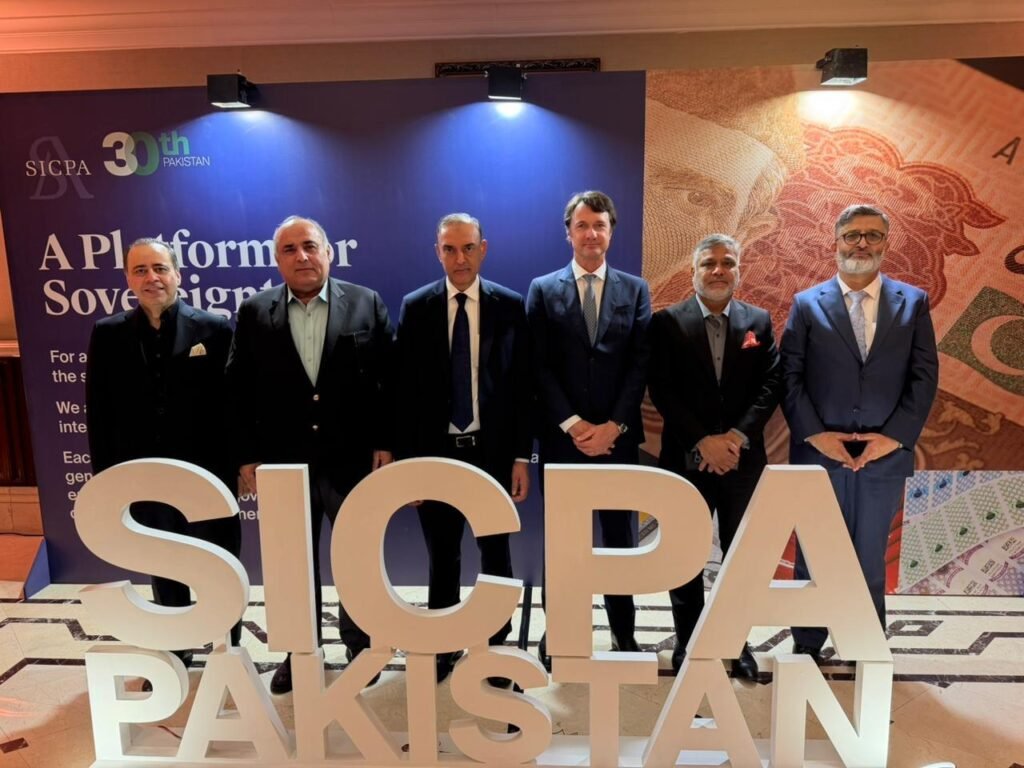
SICPA Pakistan, a trusted leader in secure identification, authentication, and traceability solutions, celebrated its 30th anniversary, marking three decades of dedicated service and strategic partnership in Pakistan. A prestigious ceremony was held in Karachi to commemorate the milestone. The event was graced by Governor State Bank of Pakistan (SBP) Jameel Ahmed as the chief guest, alongside senior SBP officials, representatives from the Pakistan Security Printing Corporation (PSPC) and SICPA’s leading brand-protection partners from across the country. State Bank Governor Praises SICPA’s Role in National Security Printing: Addressing the ceremony, SBP Governor Jameel Ahmed congratulated SICPA on completing 30 successful years in Pakistan and commended its vital contribution to supplying high-quality security inks used in the printing of Pakistani currency. He expressed satisfaction over the productive partnership between SICPA and the Pakistan Security Printing Corporation, highlighting the successful technology transfer and the local production of various security ink categories. The Governor also encouraged SICPA Pakistan to explore opportunities for becoming a regional hub for security ink exports to neighboring countries, strengthening Pakistan’s position in the secure printing and authentication industry. He acknowledged SICPA’s ongoing technical support for the country’s upcoming new banknote series, praising the company’s innovative solutions. Highlighting a Legacy Built Over 30 Years: In his opening address, Rizwan Butt, Managing Director of SICPA Inks Pakistan (Private) Limited, reflected on the company’s remarkable journey and longstanding collaboration with the State Bank of Pakistan and PSPC. He noted that since its establishment in 1995 as a supplier of security inks for banknote printing, SICPA Pakistan has significantly expanded its technological capabilities and operational footprint. Key milestones include: • 2007: Expansion into brand-protection solutions• 2012: Large-scale facility upgrades• 2022: Introduction of advanced QUAZAR® technology Today, SICPA Pakistan provides brand-protection services to over 60 leading brands across diverse industries. Butt emphasized that these investments reflect the company’s commitment to supporting the State Bank’s goals of enhancing cash automation, authentication, and security standards across Pakistan’s financial ecosystem. SICPA Switzerland Recognizes Pakistan Team’s Excellence: Arnaud Laurence, Managing Director, Currency Services and Solutions at SICPA Switzerland, applauded SICPA Pakistan for establishing itself as a trusted name in secure printing and brand protection within the region. He praised the leadership of Managing Director Rizwan Butt and the relentless dedication of the SICPA Pakistan team, which he said had strengthened the company’s presence not only in Pakistan but across the broader region. Laurence reaffirmed SICPA’s commitment to investing in next-generation technologies and advanced digital solutions. He added that SICPA is proud to remain a reliable partner for Pakistan’s future security-printing needs and stands fully prepared to support the launch of the new banknote series as well as the growing demand for brand-protection solutions across industries. A Strategic Milestone for Pakistan’s Secure Future: SICPA Pakistan’s 30-year celebration underscores its enduring contribution to the nation’s financial security infrastructure. From secure banknote inks to advanced traceability and authentication technologies, the company continues to play a pivotal role in strengthening trust, transparency and protection across Pakistan’s economic landscape. As SICPA looks ahead, it remains committed to building innovative solutions that support Pakistan’s secure, digital and economically resilient future.

Sazgar Engineering Reports Steady Production Growth in November 2025
Pakistan

Sazgar Engineering Reports Steady Production Growth in November 2025

Sazgar Engineering Works Limited (PSX: SAZEW), one of Pakistan’s leading automotive manufacturers, has posted another steady month of production and sales performance for November 2025. The company continues to show resilience in a challenging market environment, strengthening its position in both the three-wheeler and four-wheeler segments. Four-Wheeler Production & Sales, November 2025: In November, SAZEW manufactured 1,357 four-wheelers, including its popular off-road models and passenger vehicles. Sales for the same category stood at 1,109 units, reflecting the company’s consistent demand in the local market. While sales showed a slight dip compared to October 2025 where the company sold 1,379 units, the production increase signals steady supply chain improvement and market confidence for future growth. Three-Wheeler Segment Shows Stronger Momentum: The three-wheeler category once again proved to be a strong performer. In November 2025: • Production: 1,742 units• Sales: 1,749 units This slight outperformance in sales over production points to healthier demand and strong dealer movement. However, these numbers are lower than October 2025, when SAZEW produced 2,575 units and sold 2,344 units. Despite the month-to-month variation, the segment maintains strong traction in urban and semi-urban mobility markets. SAZEW’s Growing Footprint in Local & International Markets: Sazgar Engineering Works remains one of the most dominant players in Pakistan’s automotive landscape, best known for its: • CNG 4-stroke auto rickshaws• Three-wheelers• Automotive wheel rims• Expanding range of off-road and passenger vehicles With modern production facilities and a rapidly growing international dealer network, the company continues to diversify and expand its footprint in both domestic sales and global export markets. As the mobility landscape evolves, Sazgar Engineering’s steady production numbers reflect strong operational capability and consistent market demand. With the three-wheeler segment performing solidly and the four-wheeler category showing stable growth, SAZEW is positioned to continue strengthening its market share through 2026.

SBP Receives $1.2 billion IMF Tranche
Pakistan

SBP Receives $1.2 billion IMF Tranche

Pakistan has received a significant financial boost at a critical time, as the State Bank of Pakistan (SBP) confirmed an inflow of US$1.2 billion from the International Monetary Fund (IMF). The disbursement has arrived under the Fund’s Extended Fund Facility (EFF) and the Resilience and Sustainability Facility (RSF), two programs designed to support economic reforms and strengthen resilience against long-term challenges. This development marks an important milestone in Pakistan’s ongoing efforts to stabilize its economy, rebuild confidence, and strengthen its foreign exchange reserves. IMF Completes Second Review, Approves Major Disbursement: On 8 December 2025, the IMF Executive Board completed the second review of Pakistan’s Extended Fund Facility. Following the review, the Board approved: • SDR 760 million under the EFF• SDR 154 million as the first tranche under the RSF These approvals came after months of technical discussions and policy negotiations between Pakistan and the IMF teams in Karachi, Islamabad, and Washington, led by mission chief Iva Petrova. As a result, Pakistan received a total of SDR 914 million, equivalent to roughly US$1.2 billion, on 10 December 2025. Why This IMF Inflow Matters for Pakistan’s Economy: For a country grappling with sluggish economic growth, high inflation, and persistent foreign exchange shortages, the IMF’s financial support acts as a critical stabilizing anchor. Pakistan has been relying on IMF programs to restore macroeconomic stability, and earlier entered a short-term Stand-By Arrangement (SBA) to keep its economic framework intact while introducing necessary structural reforms. These reforms include restoring fiscal discipline, stabilizing the exchange rate, improving energy-sector management, and strengthening governance. A Much-Needed Boost for Reserves and Stability: The fresh IMF funds are expected to: • Strengthen Pakistan’s foreign exchange reserves• Reduce pressure on the balance of payments• Improve confidence in the country’s external financing outlook• Provide breathing room for the government to manage debt repayments• Support financial markets by enhancing currency stability For businesses, investors, and financial institutions, this inflow signals greater short-term predictability and reduced volatility, key ingredients for economic planning and investment decisions. Looking Ahead: Cautious Optimism for 2026: While the IMF inflow provides immediate relief, Pakistan’s long-term economic stability will depend on consistent implementation of reforms, improved export competitiveness, and sustained investor confidence. But for now, the US$1.2 billion boost offers a timely cushion and a clearer path as the country moves toward economic recovery.

PPL Strikes Major Oil & Gas Discovery in Kohat – A Breakthrough That Could Transform Pakistan’s Energy Outlook
Pakistan

PPL Strikes Major Oil & Gas Discovery in Kohat – A Breakthrough That Could Transform Pakistan’s Energy Outlook

In a promising development for Pakistan’s energy sector, Pakistan Petroleum Limited (PSX: PPL) has announced a major oil and gas discovery at the Baragzai X-01 (Slant) exploratory well, located in the Nashpa Block of district Kohat, Khyber Pakhtunkhwa. The discovery marks a significant step forward in strengthening Pakistan’s indigenous energy resources at a time when the country is seeking reliable, local solutions to its rising energy demands. A Joint Effort Led by Industry Leaders: The Baragzai X-01 well is operated by Oil & Gas Development Company Limited (OGDCL), which holds a 65% working interest in the project. PPL owns a 30% stake, while Government Holdings (Private) Limited (GHPL) carries the remaining 5%. This collaboration brings together three leading players in Pakistan’s upstream energy sector—each contributing technical expertise, capital and strategic oversight. Journey to Discovery: From Drilling to Breakthrough: Drilling operations for Baragzai X-01 began on 24 December 2024, targeting deep formations in the Nashpa Block. The drilling team eventually reached an impressive depth of 5,170 meters in the Kingriali Formation, a geological layer that had never before delivered a hydrocarbon find in this block.Following the drilling phase, experts analyzed open-hole wireline logs and moved forward with a cased-hole Drill Stem Test (DST) a critical step to evaluate the formation’s productivity. The test delivered highly encouraging results. Strong Production Flow Rates Confirm Commercial Potential: The well produced:• 2,280 barrels of oil per day• 5.6 million standard cubic feet of gas per day• Choke size: 32/64″• Wellhead flowing pressure: 2,400 psi These strong flow rates highlight the well’s commercial viability and place Baragzai X-01 among the more promising discoveries in recent years. A First for the Kingriali Formation in Nashpa: Perhaps the most remarkable aspect of this discovery is that it is the first-ever hydrocarbon find from the Kingriali Formation within the Nashpa Block. This success significantly reduces exploration risk for deeper, yet-to-be-tested prospects in the surrounding region. For exploration teams and investors, this means new opportunities and potentially new energy corridorsin previously under-estimated geological zones. Boosting Pakistan’s Energy Security and Hydrocarbon Reserves: With energy imports placing immense pressure on Pakistan’s foreign exchange reserves, this discovery couldn’t have come at a better time. The new production is expected to: • Expand Pakistan’s indigenous hydrocarbon supply• Reduce reliance on imported fuels• Strengthen national reserve levels• Support energy security through domestic production For Pakistan’s economy, the long-term impact could be substantial as more discoveries like this help stabilize the country’s energy landscape. A Milestone Discovery with Long-Term Benefits: PPL’s latest breakthrough at Baragzai X-01 is more than just another drilling success, it represents a strategic step toward a more secure and self-reliant energy future for Pakistan. As deeper prospects in the Nashpa Block are evaluated with renewed confidence, this discovery may pave the way for a new chapter in the country’s upstream exploration narrative.

Fingerprint Issues Over – NADRA Pak-ID App Now Handles Passport Biometrics- A Step by Step Guide
Pakistan

Fingerprint Issues Over – NADRA Pak-ID App Now Handles Passport Biometrics- A Step by Step Guide

Islamabad, December 11, 2025 – The Directorate General of Immigration & Passports (DGIP) has rolled out a new biometric verification system that eliminates the recurring technical glitches faced by online passport applicants, especially Pakistanis living abroad. Applicants can now complete fingerprint verification directly through NADRA’s official Pak-ID mobile app. In case fingerprints cannot be captured (due to worn ridges, poor lighting, or age-related issues), the app automatically offers a secure facial recognition alternative. Read More: https://theboardroompk.com/nadra-introduces-new-simplified-process-for-address-update-on-cnic/ Speaking on the launch, Director General Passports Mustafa Jamal Qazi said overseas Pakistanis and senior citizens had been the worst affected by the previous system’s frequent failures. “This upgrade is a game-changer for millions of Pakistanis abroad and elderly citizens at home,” he added. The new facility is part of DGIP’s aggressive push toward full digitisation and citizen-centric services. “We are introducing every possible modern tool to make passport issuance fast, transparent and hassle-free,” the DG stated. How the new process works: Begin your application on the DGIP Online Passport portal and note the Tracking ID shown at the biometric step. Open the NADRA Pak-ID app → Select “Online Passport” option. Enter your CNIC/NICOP number and the Tracking ID. Capture fingerprints using the app’s camera-guided tool. If fingerprint capture fails, switch to live facial verification. Upon successful verification, the DGIP portal is updated instantly, allowing you to proceed with fee payment and final submission. The department says the camera-based system has drastically reduced verification rejections and completely removed the need to visit embassies or NADRA centres just for biometrics.

US Approves $686 Million F-16 Upgrade Package for Pakistan Air Force
Pakistan

US Approves $686 Million F-16 Upgrade Package for Pakistan Air Force

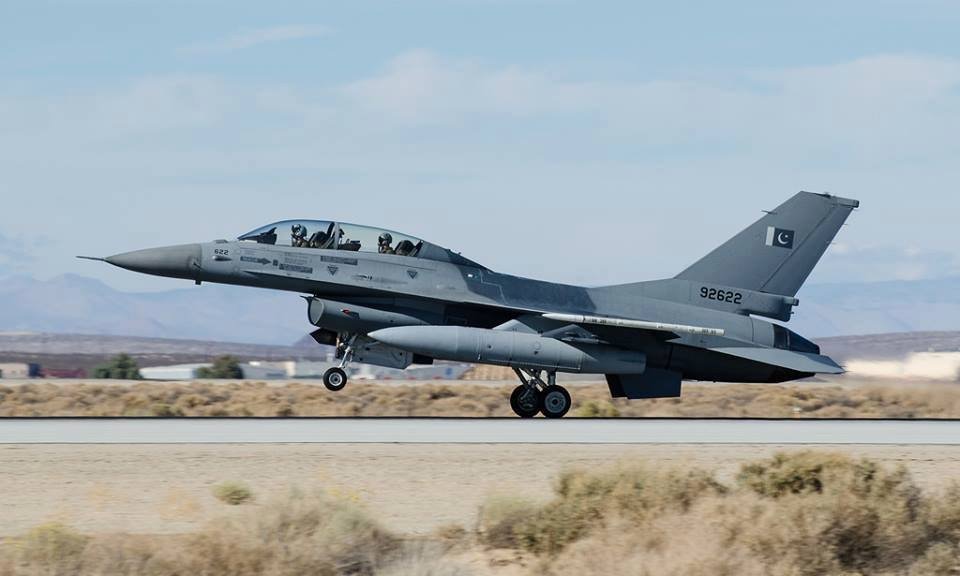
Washington/Islamabad– The United States has formally notified Congress on December 8 of a $686 million foreign military sale to upgrade and sustain the Pakistan Air Force’s F-16 fleet, triggering the mandatory 30-day Congressional review period. The Defense Security Cooperation Agency (DSCA) stated that the package includes advanced Link-16 data-link systems, secure cryptographic equipment, avionics upgrades, pilot training, spare parts, and long-term logistical support. The upgrades will extend the operational life of Pakistan’s Block-52 and Mid-Life Update F-16s through 2040 while addressing critical flight-safety issues. Read More: https://theboardroompk.com/centre-for-aerospace-and-security-studies-demands-overhaul-pakistans-aviation-to-rescue-5-6b-gdp-lifeline/ “This proposed sale will support the foreign policy and national security objectives of the United States by allowing Pakistan to retain interoperability with U.S. and partner forces in ongoing counterterrorism efforts,” the DSCA letter read. It added that the enhancements would enable “more seamless integration” between the Pakistan Air Force and U.S. Air Force during combat operations, exercises, and training. The decision comes amid a year after the Trump administration unfroze $397 million in Foreign Military Financing for Pakistan’s F-16 sustainment programme in February 2025, with the explicit condition that the jets be used only for counterterrorism and not against India. Relations between Washington and Islamabad have visibly warmed since President Donald Trump’s recent meetings with Prime Minister Shehbaz Sharif and Chief of Defence Forces Field Marshal Syed Asim Munir. The notification revives memories of the 2019 Balakot crisis when Pakistan was accused of using U.S.-supplied F-16s in an aerial engagement with India, prompting temporary suspension of security assistance. U.S. officials say the new package includes stricter end-use monitoring provisions. Congress now has until early January 2026 to block or modify the sale, though no formal objections have been announced yet.

Scroll to Top