Pakistan

AGP Exposes Rs669bn Irregularities At PSO
Pakistan

AGP Exposes Rs669bn Irregularities At PSO

The Auditor General of Pakistan (AGP) has uncovered audit observations worth Rs669.302 billion against Pakistan State Oil (PSO) for FY2023-24, with Rs472.033 billion identified as recoverable. The audit highlights serious concerns over financial management, governance, procurement practices, operational safety, and legal compliance at Pakistan’s largest oil marketing company. AGP Flags Massive Recoverable Amounts According to the audit report for 2024-25, PSO faces significant financial challenges stemming from weak internal controls and delayed recoveries. The largest audit observation relates to Rs467.708 billion in outstanding receivables from bulk consumers, retailers, and other entities. The AGP noted that delayed recoveries forced PSO to rely heavily on bank borrowings, increasing the company’s financing costs by approximately Rs12.557 billion during the financial year. Outstanding Receivables Continue to Fuel Circular Debt The audit revealed that trade debts stood at Rs439.430 billion as of June 30, 2024. Among the major outstanding amounts were: The audit attributed the situation to management weaknesses, while PSO informed auditors that it had recovered around 81 percent of the flagged amount. The Departmental Accounts Committee (DAC) directed the company to continue recovery efforts. Delayed Payment Surcharges Not Recognized The AGP also highlighted that PSO did not execute a tripartite agreement with SNGPL and SSGC, resulting in the non-recognition of Rs176.125 billion in delayed payment surcharges, including Rs78.577 billion relating to FY2023-24. Meanwhile, the company incurred Rs39.774 billion in financing costs due to delayed recoveries, reflecting the ongoing impact of Pakistan’s circular debt crisis on the energy sector. Audit Highlights Weak Internal Controls The report also pointed to internal control failures involving Rs243.746 million in irregular transactions conducted through PSO fuel cards. Auditors identified unusually large transactions and weak security controls, raising concerns over fraud risks. The matter has been referred to the Federal Investigation Agency (FIA), while PSO reported that partial recoveries have been made and certain amounts have been withheld pending investigation. Governance Concerns Remain The AGP concluded that persistent weaknesses in receivables management, financial controls, and governance continue to expose PSO to higher financing costs and operational risks. The audit recommends stronger internal controls, faster recovery of outstanding dues, improved oversight, and enhanced compliance measures to safeguard public resources and improve the company’s financial health.

Faysal Bank Accelerates Groundbreaking of Branch in Digitally Enabled Village Papnakha
Pakistan

Faysal Bank Accelerates Groundbreaking of Branch in Digitally Enabled Village Papnakha

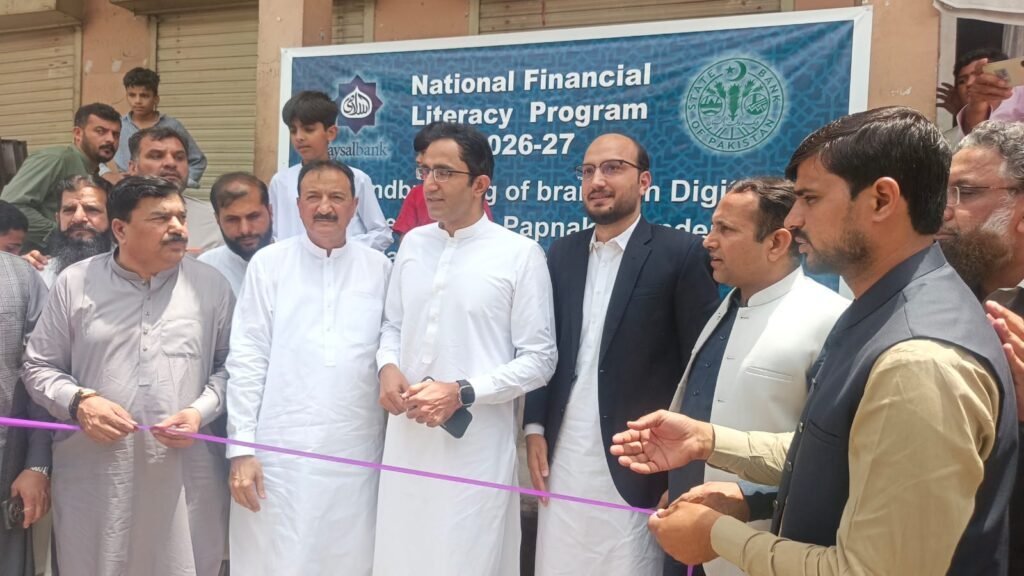
Faysal Bank (FBL) has initiated a rural financial inclusion drive in Papnakha Village, Gujranwala, as part of its ongoing efforts aligned with the State Bank of Pakistan’s National Financial Inclusion Strategy 2024-28. The initiative marks another step toward expanding access to digital banking services in underserved areas while supporting Pakistan’s transition toward a more inclusive digital economy. Faysal Bank Launches Rural Financial Inclusion Initiative The initiative is aimed at transitioning Papnakha Village toward a cashless, digitally enabled ecosystem, in line with broader national efforts to promote financial inclusion and reduce reliance on informal cash-based transactions. As part of the programme, Faysal Bank has broken ground on a dedicated branch in Papnakha Village, which is expected to improve access to formal banking services for local residents. The branch will support account opening, digital transactions, and other essential financial services. New Branch to Expand Access to Banking Services The upcoming branch is designed to bring convenient and secure financial services closer to the local community. By establishing a physical banking presence in the village, Faysal Bank aims to improve financial accessibility while encouraging greater adoption of digital payment solutions and formal banking channels. The initiative supports broader efforts to integrate underserved communities into Pakistan’s formal financial system. Financial Literacy Sessions Promote Digital Banking Alongside the branch groundbreaking, Faysal Bank conducted financial literacy sessions for community members, focusing on the use of digital financial tools and responsible banking practices. The engagement attracted participation from local residents, reflecting growing interest in formal financial services and digital banking solutions at the grassroots level. The programme is intended to enhance awareness of digital financial products while equipping community members with the knowledge needed to manage their finances more effectively. Supporting Pakistan’s National Financial Inclusion Goals The initiative has been implemented despite operational constraints, with stakeholders describing it as an early example of how targeted interventions can support financial inclusion in rural markets. The development comes as Pakistan continues to advance financial inclusion through public-private collaboration, with banks playing an increasingly important role in expanding outreach and accelerating digital adoption in remote areas. Outlook Faysal Bank’s initiative in Papnakha Village reflects the banking sector’s growing focus on extending financial services beyond urban centres. As more rural communities gain access to digital banking infrastructure and financial literacy programmes, such efforts are expected to contribute to higher financial inclusion, greater digital payment adoption, and stronger economic participation across Pakistan.

ITANZ Technologies Bonus Shares: ITANZ Approves 10 Percent Bonus Issue and Plans Rs5 Billion Capital Expansion
Pakistan

ITANZ Technologies Bonus Shares: ITANZ Approves 10 Percent Bonus Issue and Plans Rs5 Billion Capital Expansion

Investors in ITANZ Technologies Bonus Shares received encouraging news after the company’s Board of Directors approved a 10 percent interim bonus share issue for the financial year ending June 30, 2026. Alongside rewarding shareholders, the board also proposed a substantial increase in the company’s authorized share capital, highlighting management’s confidence in the company’s financial strength and long-term expansion strategy. The announcement, disclosed through a notification submitted to the Pakistan Stock Exchange (PSX), reflects ITANZ Technologies Limited’s commitment to strengthening shareholder value while preparing the business for future growth opportunities. ITANZ Technologies Bonus Shares to Reward Existing Shareholders The board approved an interim bonus share issue that will grant shareholders 10 additional shares for every 100 shares held. The bonus shares will be issued by capitalizing the company’s retained earnings and free reserves, meaning shareholders will receive additional shares without making any further investment and without any cash leaving the company’s business. The decision follows detailed discussions by the board regarding the company’s financial performance, sustained profitability, and earnings growth over the previous financial year as well as the latest half-year results. Directors concluded that the company’s financial position supports rewarding shareholders while maintaining a healthy capital structure. The bonus issue has been approved under the provisions of the Companies (Further Issue of Shares) Regulations, 2020, read together with the Companies Act, 2017. Why the Bonus Share Issue Matters Although a bonus issue does not immediately increase the overall market value of an investor’s holdings, it often signals management’s confidence in the company’s financial stability and future earnings potential. According to the board, the bonus issue is expected to: Improved liquidity often attracts greater investor participation, making a company’s shares more actively traded on the Pakistan Stock Exchange. Company Plans Massive Increase in Authorized Share Capital In another significant development, the board proposed increasing the company’s authorized share capital from Rs1.2 billion to Rs5 billion. The proposed capital structure would consist of 500 million ordinary shares with a face value of Rs10 each, compared with the current authorized capital of 120 million ordinary shares of Rs10 each. The increase will require shareholder approval through a special resolution. Following approval, the company will amend the relevant clauses of its Memorandum and Articles of Association, subject to all required regulatory approvals. This proposed expansion provides ITANZ Technologies with greater flexibility to raise capital in the future, support business expansion, pursue strategic investments, and meet long-term financing requirements without repeatedly seeking changes to its capital structure. Important Dates for Shareholders Shareholders interested in receiving the ITANZ Technologies Bonus Shares should note the important eligibility dates announced by the company. The Share Transfer Books will remain closed for one day on Tuesday, July 21, 2026, to determine shareholder entitlement. Investors whose names appear in the Register of Members or in their Central Depository System (CDS) sub-accounts and participant accounts at the close of business on Monday, July 20, 2026, will qualify for the bonus shares. Eligible shares will be credited directly into shareholders’ respective CDS accounts. Outlook The latest announcement reflects growing confidence within ITANZ Technologies regarding its operational performance and future business prospects. A bonus share issue combined with a substantial increase in authorized share capital is often interpreted by investors as a sign that management expects continued business expansion and intends to strengthen the company’s financial foundation. While the proposal to increase authorized capital still requires shareholder approval, the board’s decisions indicate that ITANZ Technologies is positioning itself for sustained growth while rewarding existing investors. Market participants will closely monitor the company’s future financial performance and strategic initiatives as it moves into its next phase of expansion.

Crypto Currency Fatwa: Mufti Taqi Usmani Declares Cryptocurrency Trading Impermissible Under Islamic Law
Pakistan

Crypto Currency Fatwa: Mufti Taqi Usmani Declares Cryptocurrency Trading Impermissible Under Islamic Law

Pakistan’s digital finance debate has taken a significant turn after renowned Islamic scholar Mufti Muhammad Taqi Usmani issued a Crypto Currency Fatwa declaring that buying and selling cryptocurrencies is not permissible under Islamic Shariah. The ruling is expected to spark widespread discussion among investors, Islamic finance experts, fintech companies, and policymakers, particularly as Pakistan continues to witness growing public interest in digital assets. The latest religious opinion has once again raised important questions about the future of cryptocurrency adoption in Pakistan and how Islamic financial principles apply to emerging digital technologies. Crypto Currency Fatwa Applies to All Digital Assets According to an announcement shared online by scholars affiliated with Darul Uloom Karachi, the ruling applies equally to cryptocurrencies, crypto tokens, and stablecoins. The statement makes it clear that changing the terminology of a digital asset does not alter its religious status. Whether a digital asset is described as a cryptocurrency, crypto token, virtual currency, or a stablecoin such as USDT, the same Shariah ruling applies. This clarification aims to remove confusion among investors who may believe that certain categories of digital assets fall under different Islamic rulings because of their names or technical structures. Why the Crypto Currency Fatwa Declares Trading Impermissible The central argument presented in the Crypto Currency Fatwa is that cryptocurrencies do not qualify as “Maal” (recognized wealth or property) under Islamic jurisprudence. According to the ruling, because these digital assets do not meet the Shariah criteria of a legally recognized and ownable asset, their purchase and sale cannot be considered permissible. The announcement specifically states that cryptocurrencies are not recognized as property under Islamic principles. As a result, trading in cryptocurrencies, crypto tokens, and stablecoins is considered impermissible. The scholars further emphasized that merely assigning different labels to the same category of digital assets does not change their underlying nature or their Shariah ruling. Crypto Currency Fatwa May Influence Pakistan’s Digital Finance Debate The ruling arrives at a time when cryptocurrencies continue to attract global investment despite ongoing regulatory uncertainty in many countries. Pakistan has also witnessed increasing public interest in Bitcoin, Ethereum, stablecoins, and other blockchain-based digital assets, particularly among younger investors looking for alternative investment opportunities. While the Crypto Currency Fatwa represents a religious opinion rather than government regulation, it carries significant influence among Muslims seeking to ensure their financial activities comply with Islamic principles. For many individuals and businesses operating within Pakistan’s Islamic financial ecosystem, the ruling could influence future investment decisions and encourage greater demand for Shariah-compliant digital financial products. What the Ruling Means for Investors The announcement serves as a reminder that religious and regulatory perspectives on cryptocurrencies remain distinct issues. While governments determine the legal framework for digital assets, Islamic scholars evaluate them through the lens of Shariah principles. Investors who prioritize Shariah compliance may reconsider their exposure to cryptocurrencies following the latest ruling. At the same time, the broader debate surrounding blockchain technology, tokenized assets, and digital finance is expected to continue as financial innovation evolves. Crypto Currency Fatwa Expected to Shape Future Discussions The latest Crypto Currency Fatwa is likely to remain an important reference point in discussions about Islamic finance and digital assets, particularly in countries where religious guidance plays a meaningful role in investment decisions. Mufti Muhammad Taqi Usmani’s latest Crypto Currency Fatwa concludes that cryptocurrencies, crypto tokens, and stablecoins share the same underlying characteristics and therefore fall under a single Shariah ruling. According to the fatwa, these digital assets do not constitute recognized property under Islamic law, making their purchase and sale impermissible. As cryptocurrency adoption expands globally, the ruling is expected to influence ongoing discussions about Islamic finance, digital innovation, and the future of virtual assets in Pakistan.

Pakistan Cotton Cultivation Decline Raises Fresh Concerns for Textile Industry and Economy
Pakistan

Pakistan Cotton Cultivation Decline Raises Fresh Concerns for Textile Industry and Economy

Pakistan’s agricultural landscape is undergoing a significant transformation, and the latest findings from the 7th Agricultural Census 2024 reveal one of the country’s most alarming trends. The Pakistan Cotton Cultivation Decline has accelerated, reducing the country’s cotton-growing area to just 6.51 million acres, raising serious concerns for farmers, textile manufacturers, exporters, and policymakers alike. Pakistan Cotton Cultivation Decline Signals a Major Shift in Agriculture According to the Pakistan Bureau of Statistics (PBS), cotton now occupies only 7.9 percent of Pakistan’s total cropped area of 82.77 million acres. In comparison, wheat dominates the agricultural landscape by covering 43.3 percent of cultivated land, while rice accounts for 12.9 percent and fodder crops make up 9.5 percent. The figures indicate more than a simple reduction in cotton acreage. They highlight a structural transformation in Pakistan’s farming sector, where growers are increasingly shifting towards crops that offer greater food security or more predictable returns. This trend is particularly significant because cotton has historically been one of Pakistan’s most valuable cash crops, supplying raw material to the textile industry and generating billions of dollars in export earnings. Punjab Remains the Largest Cotton Producer Despite Falling Acreage Punjab continues to dominate cotton production, accounting for 3.83 million acres, or 58.89 percent, of the country’s total cotton cultivation. Sindh follows with 1.83 million acres, representing 28.10 percent, while Balochistan contributes 0.84 million acres, or 12.95 percent. Although Punjab remains the country’s cotton hub, Sindh continues to demonstrate a stronger dependence on the crop within its own agricultural system. Cotton represents approximately 14 percent of Sindh’s total cultivated area, compared with the national average of around 8 percent. This highlights the province’s continued reliance on cotton despite the nationwide decline in cultivated acreage. Wheat Continues to Strengthen Its Position While cotton continues to lose ground, wheat has further strengthened its position as Pakistan’s dominant crop. The Agricultural Census recorded 35.82 million acres under wheat cultivation nationwide. Punjab contributes 57.66 percent of the country’s wheat-growing area, followed by Sindh with 14.93 percent, while Khyber Pakhtunkhwa accounts for 14.65 percent. The growing preference for wheat reflects farmers’ increasing focus on food production amid changing economic conditions, fluctuating commodity prices, climate-related challenges, and concerns over agricultural profitability. Textile Industry Faces Growing Supply Challenges The continued Pakistan Cotton Cultivation Decline presents serious challenges for Pakistan’s textile industry, which depends heavily on a stable domestic cotton supply. As local production continues to shrink, textile manufacturers have become increasingly dependent on imported cotton to meet production requirements. Although cotton imports help factories maintain operations, they also increase production costs, place additional pressure on foreign exchange reserves, and reduce the competitiveness of Pakistani textile exports in international markets. Industry experts have repeatedly warned that unless domestic cotton production recovers, Pakistan may face greater exposure to global price fluctuations and supply chain disruptions. Rice Production Remains Concentrated in Punjab and Sindh The census also reveals that rice cultivation follows a similar geographical pattern. Punjab and Sindh together account for 88.56 percent of Pakistan’s total rice-growing area, reinforcing their importance as the country’s primary grain and fibre-producing regions. However, while rice cultivation remains relatively stable, the balance between rice and cotton continues to shift, further illustrating the changing priorities within Pakistan’s agricultural economy. Why the Latest Census Matters The 2024 Agricultural Census provides the first comprehensive, geo-tagged farm-level agricultural data since 2010, offering policymakers, investors, and industry leaders a clearer picture of Pakistan’s evolving farming landscape. The latest figures reinforce long-standing concerns that declining cotton cultivation is no longer a temporary challenge but a structural issue with far-reaching implications for agriculture, exports, employment, and industrial growth. Unless productivity improves and farmers regain confidence in cotton cultivation through better seed technology, water management, pricing mechanisms, and policy support, Pakistan’s dependence on imported cotton is likely to increase in the coming years. The latest census serves as a timely reminder that reversing the Pakistan Cotton Cultivation Decline will require coordinated efforts across agriculture, industry, and government to protect one of the country’s most strategically important economic sectors.

Karandaaz and DigiKhata Launch Pakistan's First Embedded Finance Facility for Small Retailers
Pakistan

Karandaaz and DigiKhata Launch Pakistan’s First Embedded Finance Facility for Small Retailers

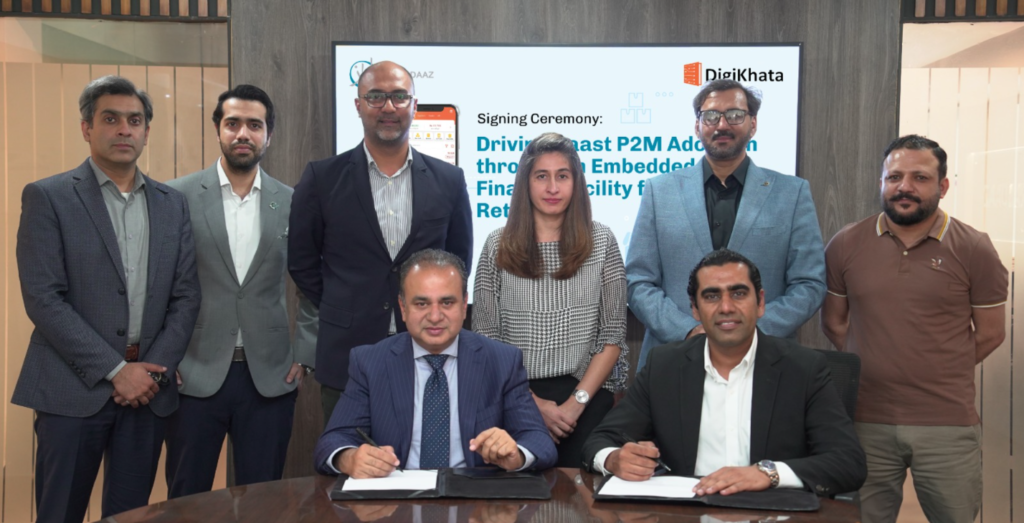
Karandaaz Pakistan and DigiKhata Financial Services (DKFS) have signed a strategic partnership to launch an Embedded Finance Facility (EFF), the first initiative of its kind in Pakistan that transforms everyday merchant payments into a pathway to formal credit for small retailers. Embedded Finance to Boost Digital Payments and Access to Credit The model is designed to address two major challenges facing Pakistan’s retail sector: low adoption of digital payments and limited access to formal financing. Pakistan’s retail and wholesale trade is a significant contributor to the country’s GDP and MSME sector, yet it remains largely cash-based. Without a verifiable digital financial history, many merchants remain invisible to lenders and are unable to access the financing needed to expand their businesses. Digital Transactions to Build Merchant Credit Profiles The Embedded Finance Facility introduces a feedback loop model in which every digital transaction contributes to building a merchant’s credit profile. This enables more accurate credit scoring and allows retailers to qualify for progressively larger financing facilities as their digital transaction history grows. The initiative also aims to transform Raast from a payment infrastructure into a broader gateway for financial inclusion while supporting the formalisation of Pakistan’s retail economy. Karandaaz Highlights Financial Inclusion Benefits Waqas ul Hasan, Chief Executive Officer of Karandaaz Pakistan, said the initiative embeds credit directly into the digital payments journey, creating a self-reinforcing cycle. He noted that merchants adopt digital payments to gain access to financing, while the financing enables them to grow, formalise their businesses, and participate more actively in Pakistan’s digital economy. DigiKhata Brings Merchant Network and Data Adnan Aslam, CEO and Founder of DigiKhata, said the partnership combines the lending infrastructure of financial institutions with DigiKhata’s extensive merchant network and transaction data. He added that, as one of Pakistan’s largest small-business platforms, DigiKhata provides the scale, data insights, and merchant trust needed to make embedded finance successful at the last mile. Initiative Aims to Transform Small Business Financing The partnership is expected to deliver long-term economic benefits for participating retailers while providing a scalable model for the next phase of digital financial inclusion in Pakistan. By linking digital payments with formal financing, the Embedded Finance Facility has the potential to accelerate financial inclusion, strengthen small businesses, and support the country’s transition towards a more digital and formal economy.

SEAFOOD EXPORTS HIT RECORD $568M, MARITIME MINISTER
Pakistan

Seafood Exports Hit Record $568 Million, Says Maritime Minister

Islamabad: Federal Minister for Maritime Affairs Muhammad Junaid Anwar Chaudhry on Thursday said Pakistan’s exports of fish and fish preparations reached a record US$568 million during fiscal year 2025-26. Seafood Exports Reach Historic High The Maritime Minister said seafood exports climbed to a record US$568 million, reflecting improved export performance and the growing competitiveness of Pakistan’s fisheries industry in global markets. The milestone underscores the sector’s increasing contribution to the country’s export earnings and blue economy. Government Focuses on Fisheries Development The minister highlighted the government’s efforts to modernize the fisheries sector through infrastructure upgrades, improved processing facilities, and better compliance with international quality and food safety standards. These initiatives are aimed at expanding market access and increasing the value of seafood exports. Expanding Global Market Access Officials noted that strengthening fisheries management and improving export standards have helped Pakistani seafood gain wider acceptance in international markets. The government also plans to further enhance cold chain infrastructure, port facilities, and regulatory oversight to support sustained export growth. Blue Economy Remains a Key Growth Driver The Maritime Minister said the continued growth of seafood exports demonstrates the untapped potential of Pakistan’s maritime economy. He emphasized that further investment in fisheries, coastal infrastructure, and value-added seafood processing could boost exports, create employment, and strengthen Pakistan’s position in the global seafood trade.

Pakistan Tractor Population Surges to Nearly One Million as Farm Mechanisation Transforms Agriculture
Pakistan

Pakistan Tractor Population Surges to Nearly One Million as Farm Mechanisation Transforms Agriculture

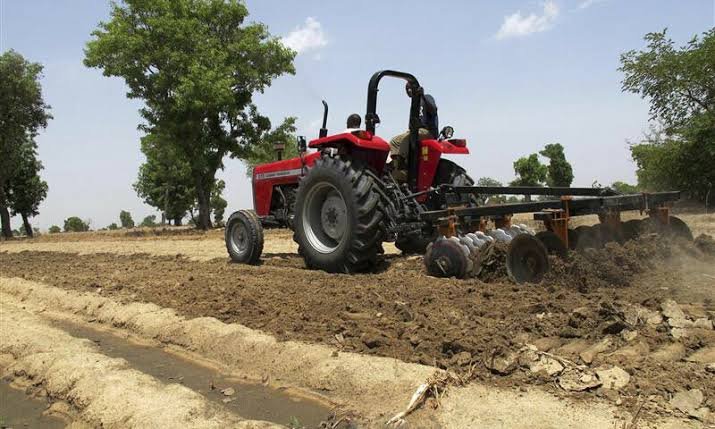
Pakistan’s agricultural landscape is undergoing one of its biggest transformations in decades. The latest figures from the Pakistan Bureau of Statistics (PBS) reveal that the Pakistan Tractor Population has reached an unprecedented 986,998 units under the 7th Agricultural Census 2024, highlighting the country’s accelerating shift toward mechanised farming. The milestone reflects far more than an increase in machinery. It signals changing farming practices, stronger investment in agricultural technology, rising demand for modern equipment, and new business opportunities across the rural economy. At a time when food security, climate resilience, and agricultural productivity have become national priorities, the rapid expansion of Pakistan’s tractor fleet is emerging as one of the strongest indicators of structural change in the country’s farming sector. Pakistan Tractor Population Records Historic Growth The latest census data shows that Pakistan’s tractor fleet has expanded dramatically over the past three decades. The country had only 252,861 tractors in 1994, which increased to 401,663 in 2004 before almost reaching the one-million mark in 2024. More importantly, the pace of growth has accelerated significantly. Between 1994 and 2004, tractor numbers increased by around 59 percent. However, during the following two decades, growth surged by approximately 146 percent, demonstrating that farm mechanisation has become a central feature of Pakistan’s agricultural development. The figures indicate that farmers are increasingly investing in machinery to improve productivity, reduce dependence on manual labour, and manage larger cultivated areas more efficiently. Punjab Continues to Dominate Pakistan Tractor Population Punjab remains the backbone of Pakistan’s agricultural machinery market. The province accounts for 777,404 tractors, representing nearly 79 percent of the national tractor population. Sindh follows with 85,895 tractors, while Khyber Pakhtunkhwa and Balochistan each account for just over 61,000 units. Within Punjab, the Faisalabad Division holds the largest share of tractors, reflecting its position as one of Pakistan’s most productive agricultural regions. Meanwhile, Dera Ghazi Khan Division contributes a comparatively smaller portion of the provincial fleet. In Sindh, Hyderabad Division leads tractor ownership, whereas Karachi records the smallest share because of its predominantly urban economy. Balochistan Emerges as the Fastest Growing Market Although Punjab remains the largest market, the biggest surprise in the census comes from Balochistan. The province recorded an extraordinary 564 percent increase in tractor numbers between 2004 and 2024. While this expansion started from a relatively small base, it highlights growing investment in agriculture and improving access to mechanised farming across previously underdeveloped farming regions. For tractor manufacturers, financial institutions, and agricultural equipment suppliers, Balochistan is rapidly becoming one of Pakistan’s most promising emerging markets. Individual Farmers Continue to Drive Machinery Investment The census shows that Pakistan’s agricultural machinery market remains overwhelmingly dominated by private ownership. Out of the country’s total tractor fleet, more than 778,000 tractors are individually owned, while around 207,000 are jointly owned. Cooperative societies own only a very small fraction of the total fleet. This ownership pattern suggests that individual farmers continue to make independent investment decisions, creating sustained demand for agricultural financing, tractor leasing, and rural credit programs. Solar Irrigation Creates New Business Opportunities The census also highlights another major transformation taking place alongside the growth of the Pakistan Tractor Population. The number of tubewells and lift pumps has climbed to 1.83 million, representing a 97 percent increase since 2004. More significantly, solar energy has become the leading power source for tubewells, with more than 912,000 solar-powered units now operating nationwide. This exceeds both diesel-powered and electric-powered systems. The growing adoption of solar irrigation reflects rising fuel costs, increasing energy shortages, and government efforts to encourage renewable energy solutions in agriculture. It also opens significant opportunities for banks, solar companies, equipment manufacturers, and agricultural technology providers looking to expand into Pakistan’s rural economy. Digital Agricultural Census Signals Smarter Policy Planning The 7th Agricultural Census marks another milestone as Pakistan’s first fully digital agricultural census. According to the Pakistan Bureau of Statistics, the newly collected mechanisation data will support future policymaking for agricultural machinery manufacturing, import substitution, rural financing, and farm productivity initiatives. Reliable digital data is expected to help both policymakers and private investors make better-informed decisions regarding agricultural development, manufacturing capacity, and technology adoption. Why Pakistan Tractor Population Matters for the Economy The rapid expansion of the Pakistan Tractor Population is more than a statistical achievement. It reflects increasing confidence in mechanised agriculture and signals long-term growth opportunities for tractor manufacturers, auto assemblers, agricultural equipment suppliers, renewable energy companies, banks, and rural financing institutions. As Pakistan moves toward modern farming practices, mechanisation and clean energy adoption are likely to remain central drivers of agricultural productivity, investment, and economic growth. If this momentum continues, the country’s agriculture sector could become significantly more competitive while strengthening food security and creating new opportunities across the rural economy.


Water Ministry, WAPDA Face Rs7bn Financial Irregularities in AGP Audit
Pakistan

Water Ministry, WAPDA Face Rs7bn Financial Irregularities in AGP Audit

An audit conducted by the Auditor General of Pakistan (AGP) has uncovered Rs7.02 billion in financial irregularities in the Ministry of Water Resources and its affiliated organizations, including the Water and Power Development Authority (WAPDA), during the financial year 2024-25. The findings have renewed concerns over the management of delayed and over-budget public sector development projects, particularly major water and hydropower schemes that are considered vital to Pakistan’s energy and water security. Audit Reviews Rs554 Billion in Transactions The audit examined the financial affairs of 112 formations under the Ministry of Water Resources. During the review period, auditors scrutinized Rs359.6 billion in expenditure and Rs194.2 billion in receipts, representing a total financial review of more than Rs553 billion. Despite identifying irregularities amounting to Rs7.02 billion, the audit noted that only Rs2.821 million had been recovered and verified between January and December, indicating limited progress in addressing the financial issues highlighted by auditors. The report stated that the low recovery rate reflected weaknesses in accountability mechanisms and follow-up action. Financial Management Emerges as Biggest Concern The WAPDA Audit Irregularities report revealed that financial management accounted for the largest number of audit observations. Auditors recorded 24 separate cases involving delayed construction of powerhouses, electricity generation losses, unrecovered receivables and the failure to establish dedicated bank accounts for retention money. The report warned that such weaknesses increase financial risks and may result in unnecessary losses to the national exchequer. It also noted that repeated financial irregularities raised concerns about the effectiveness of internal audit systems operating within both the Ministry of Water Resources and WAPDA. Contract Management Problems Highlighted Contract administration was identified as another major area of concern. The audit documented 18 cases related to poor contract management practices. Among the issues highlighted were projects initiated without proper feasibility studies or detailed engineering designs, excessive use of variation orders beyond original contract values and project scope changes that lacked the required approvals. According to the auditors, these shortcomings contributed to project delays, cost escalations and inefficient use of public funds. They stressed that stronger planning and oversight mechanisms are essential before launching large-scale infrastructure projects. Procurement Rules Violated The report also identified several violations of procurement regulations. Auditors recorded four procurement-related cases involving departures from the Public Procurement Regulatory Authority (PPRA) rules and Pakistan Engineering Council (PEC) guidelines. The violations included non-compliance with standard bidding procedures as well as excess and overpayments made to contractors. The audit recommended strict enforcement of procurement laws to improve transparency and prevent financial losses in future government projects. Human Resource and Asset Management Issues The audit further highlighted weaknesses in human resource management. Five cases involved employee-related issues, including recruitment processes lacking transparency and payments of unauthorized or non-compliant allowances. Asset management also emerged as a concern. Auditors identified four cases involving weak monitoring of government land and buildings, unresolved property disputes and poor inventory management. The report emphasized that stronger controls are required to safeguard public assets and prevent misuse or encroachments. Project Planning Failures Led to Delays Poor planning was another recurring issue identified during the audit. The report documented four cases where unrealistic surveys, inadequate planning and weak project execution resulted in significant cost overruns and delays. In addition, auditors reported three operational weaknesses affecting civil, electrical and mechanical works. The findings indicate that deficiencies at the planning stage continued to affect project implementation throughout the execution phase. Recovery Ordered From Contractors The Departmental Accounts Committee (DAC) has directed the management of the concerned organizations to immediately recover and adjust Rs1.339 billion from defaulting contractors. The committee also instructed officials to strengthen financial controls and ensure that future contracts comply with applicable rules and regulations. The audit noted that timely recoveries are essential to minimize losses to the public treasury. Major Hydropower Projects Behind Schedule The WAPDA Audit Irregularities report also expressed concern over the slow pace of work on several strategic water and hydropower projects. Among the projects highlighted were the Diamer-Bhasha Dam, Dasu Hydropower Project, and Mohmand Dam. The audit revealed that the Dasu Hydropower Project had achieved only 26.08% physical progress, compared with the planned target of 70.60% by the end of the review period. The slower-than-expected progress raises concerns over future project timelines, additional financing requirements and the timely completion of key infrastructure needed to address Pakistan’s growing energy demand. AGP Recommends Stronger Oversight The Auditor General has advised the Principal Accounting Officer to establish a strict monitoring system for all ongoing projects. The report recommends closer supervision of project timelines, strict enforcement of procurement regulations, improved contract management and faster resolution of land acquisition and legal disputes affecting project execution. The audit also called for stronger internal audit mechanisms to detect financial irregularities at an earlier stage and reduce the risk of losses to public funds. The findings underscore the importance of improving governance, financial discipline and project management across the Ministry of Water Resources and WAPDA as Pakistan continues to invest heavily in critical water and energy infrastructure.

NEPRA Approves New Performance Benchmarks for K-Electric's BQPS-III Plant
Pakistan

NEPRA Approves New Performance Benchmarks for K-Electric’s BQPS-III Plant

The National Electric Power Regulatory Authority (NEPRA) has approved revised performance benchmarks for K-Electric’s 900-megawatt (MW) Bin Qasim Power Station-III (BQPS-III) following independent testing of both generating units, aligning the plant’s operational standards with its actual field performance. The revised benchmarks, approved through an order issued on July 6, 2026, establish updated net generation capacity and net heat rate standards that will be used to assess the plant’s efficiency and determine future electricity tariffs. According to the regulator, the revised benchmarks are based on findings from independent engineers who evaluated the plant under standardized operating conditions. Independent Testing Conducted The decision follows comprehensive performance tests carried out on the 900MW combined-cycle power plant, which comprises two 450MW generating units. The facility primarily operates on Re-gasified Liquefied Natural Gas (RLNG), with high-speed diesel (HSD) serving as a backup fuel during emergencies or interruptions in gas supply. NEPRA said the tests were conducted after the plant had accumulated several years of commercial operating hours to assess its actual efficiency under normal operating conditions. The regulator noted that updating the benchmarks is necessary to ensure tariff calculations reflect the plant’s current operating performance rather than its original engineering specifications. Performance Degradation Considered According to NEPRA, the plant has experienced natural performance degradation over time compared with the original engineering, procurement, and construction (EPC) guarantees provided during commissioning. Independent engineers informed the regulator that gradual efficiency losses are common in combined-cycle gas turbine power plants as equipment ages. The authority accepted this assessment and revised the operational benchmarks accordingly to better represent the plant’s current performance. Operational Factors Affect Efficiency NEPRA also noted that multiple operational and environmental factors influence the efficiency of modern power plants. These include ambient weather conditions, fuel quality, grid stability, and operational practices such as frequent shutdowns and restarts. The regulator further observed that variations in RLNG quality can directly affect electricity generation capacity and fuel efficiency. These considerations were incorporated while determining the revised benchmarks. Revised RLNG Performance Benchmarks For RLNG-based operations, NEPRA approved a net generation capacity of 453.40MW for Unit-1, exceeding K-Electric’s requested benchmark of 449.808MW. The regulator also approved a net heat rate of 6,384.46 British thermal units (Btu) per kilowatt-hour (kWh) for Unit-1, marginally lower than the company’s proposed 6,386.92 Btu/kWh, indicating slightly better fuel efficiency. For Unit-2, NEPRA approved a net capacity of 454.92MW, also higher than the requested 449.808MW. The approved net heat rate for Unit-2 remained 6,388.13 Btu/kWh, matching the company’s proposed benchmark. These figures will serve as the official performance standards for RLNG operations at the power station. Benchmarks Approved for Diesel Operations NEPRA also finalized revised benchmarks for operations using high-speed diesel (HSD), which is utilized as an alternative fuel. For Unit-1, the regulator approved a net generation capacity of 359MW, compared with K-Electric’s requested 357.479MW. The net heat rate was set at 6,661.85 Btu/kWh, improving upon the company’s proposed 6,738.56 Btu/kWh. For Unit-2, NEPRA approved the requested net capacity of 357.479MW. However, it reduced the approved net heat rate to 6,681.86 Btu/kWh, compared with K-Electric’s proposed 6,739.63 Btu/kWh, reflecting improved expected fuel efficiency during diesel operations. Updated Degradation Factors Approved As part of the order, NEPRA also approved revised degradation factors to account for the gradual decline in plant performance over time. The regulator set the degradation factor at 1.000 for zero operating hours. After 1,790 operating hours, the approved degradation factor was 1.00685 for net capacity and 0.9961 for net heat rate. These values will be used in future assessments of the plant’s performance and corresponding tariff calculations. Importance of BQPS-III The Bin Qasim Power Station-III is one of K-Electric’s most significant generation assets. The 900MW combined-cycle facility was developed to improve electricity generation efficiency while reducing dependence on expensive furnace oil and other high-cost fuels. Operating primarily on RLNG enables the plant to lower fuel costs, improve efficiency, and reduce emissions compared with older thermal power stations. The facility also plays a vital role in supplying electricity to Karachi, Pakistan’s largest commercial and industrial center. Impact on Future Tariffs The revised performance benchmarks are expected to play an important role in future tariff determinations for K-Electric. These benchmarks are used by NEPRA to calculate fuel costs, operational efficiency, and allowable revenues under the utility’s tariff framework. By updating the benchmarks based on independent technical evaluations, the regulator aims to ensure tariff calculations accurately reflect the plant’s actual operating performance rather than theoretical design specifications.

Scroll to Top