
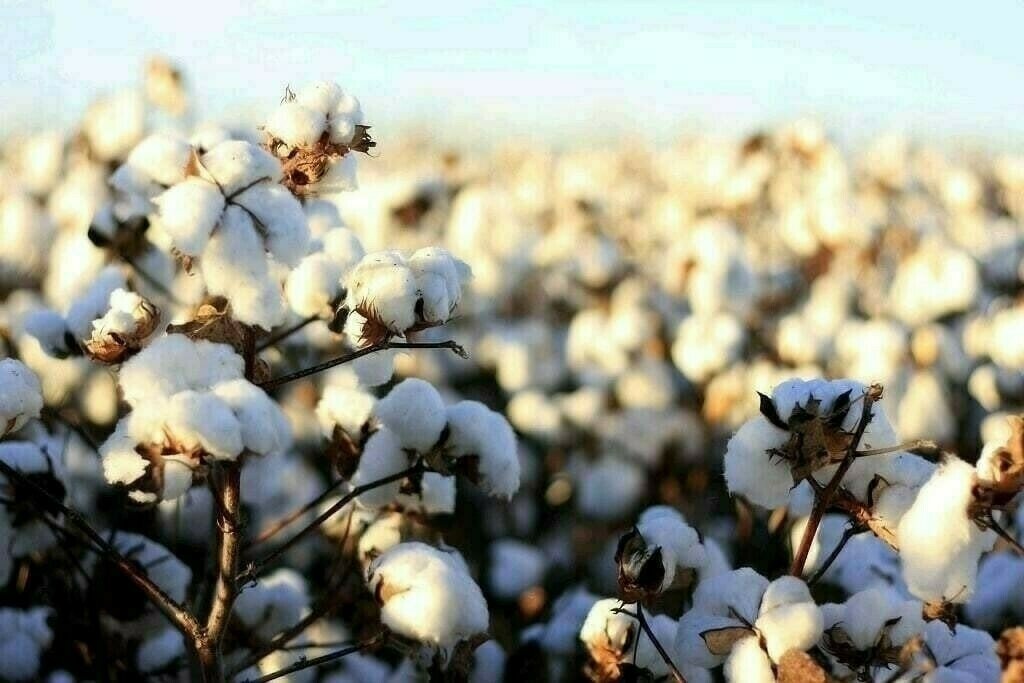
Pakistan’s agricultural landscape is undergoing a significant transformation, and the latest findings from the 7th Agricultural Census 2024 reveal one of the country’s most alarming trends. The Pakistan Cotton Cultivation Decline has accelerated, reducing the country’s cotton-growing area to just 6.51 million acres, raising serious concerns for farmers, textile manufacturers, exporters, and policymakers alike.
Pakistan Cotton Cultivation Decline Signals a Major Shift in Agriculture
According to the Pakistan Bureau of Statistics (PBS), cotton now occupies only 7.9 percent of Pakistan’s total cropped area of 82.77 million acres. In comparison, wheat dominates the agricultural landscape by covering 43.3 percent of cultivated land, while rice accounts for 12.9 percent and fodder crops make up 9.5 percent.
The figures indicate more than a simple reduction in cotton acreage. They highlight a structural transformation in Pakistan’s farming sector, where growers are increasingly shifting towards crops that offer greater food security or more predictable returns.
This trend is particularly significant because cotton has historically been one of Pakistan’s most valuable cash crops, supplying raw material to the textile industry and generating billions of dollars in export earnings.
Punjab Remains the Largest Cotton Producer Despite Falling Acreage
Punjab continues to dominate cotton production, accounting for 3.83 million acres, or 58.89 percent, of the country’s total cotton cultivation. Sindh follows with 1.83 million acres, representing 28.10 percent, while Balochistan contributes 0.84 million acres, or 12.95 percent.
Although Punjab remains the country’s cotton hub, Sindh continues to demonstrate a stronger dependence on the crop within its own agricultural system. Cotton represents approximately 14 percent of Sindh’s total cultivated area, compared with the national average of around 8 percent. This highlights the province’s continued reliance on cotton despite the nationwide decline in cultivated acreage.
Wheat Continues to Strengthen Its Position
While cotton continues to lose ground, wheat has further strengthened its position as Pakistan’s dominant crop.
The Agricultural Census recorded 35.82 million acres under wheat cultivation nationwide. Punjab contributes 57.66 percent of the country’s wheat-growing area, followed by Sindh with 14.93 percent, while Khyber Pakhtunkhwa accounts for 14.65 percent.
The growing preference for wheat reflects farmers’ increasing focus on food production amid changing economic conditions, fluctuating commodity prices, climate-related challenges, and concerns over agricultural profitability.
Textile Industry Faces Growing Supply Challenges
The continued Pakistan Cotton Cultivation Decline presents serious challenges for Pakistan’s textile industry, which depends heavily on a stable domestic cotton supply.
As local production continues to shrink, textile manufacturers have become increasingly dependent on imported cotton to meet production requirements. Although cotton imports help factories maintain operations, they also increase production costs, place additional pressure on foreign exchange reserves, and reduce the competitiveness of Pakistani textile exports in international markets.
Industry experts have repeatedly warned that unless domestic cotton production recovers, Pakistan may face greater exposure to global price fluctuations and supply chain disruptions.
Rice Production Remains Concentrated in Punjab and Sindh
The census also reveals that rice cultivation follows a similar geographical pattern. Punjab and Sindh together account for 88.56 percent of Pakistan’s total rice-growing area, reinforcing their importance as the country’s primary grain and fibre-producing regions.
However, while rice cultivation remains relatively stable, the balance between rice and cotton continues to shift, further illustrating the changing priorities within Pakistan’s agricultural economy.
Why the Latest Census Matters
The 2024 Agricultural Census provides the first comprehensive, geo-tagged farm-level agricultural data since 2010, offering policymakers, investors, and industry leaders a clearer picture of Pakistan’s evolving farming landscape.
The latest figures reinforce long-standing concerns that declining cotton cultivation is no longer a temporary challenge but a structural issue with far-reaching implications for agriculture, exports, employment, and industrial growth.
Unless productivity improves and farmers regain confidence in cotton cultivation through better seed technology, water management, pricing mechanisms, and policy support, Pakistan’s dependence on imported cotton is likely to increase in the coming years.
The latest census serves as a timely reminder that reversing the Pakistan Cotton Cultivation Decline will require coordinated efforts across agriculture, industry, and government to protect one of the country’s most strategically important economic sectors.