Pakistan

Pakistan Railways Reclaims 3,509 Sq Ft in Rawalpindi Anti-Encroachment Drive
Pakistan

Pakistan Railways Reclaims 3,509 Sq Ft in Rawalpindi Anti-Encroachment Drive

Pakistan Railways has successfully reclaimed 3,509 square feet of valuable railway land in its Rawalpindi Division through a targeted anti-encroachment drive launched at the start of the new year. The operation, valued at several million rupees, involved the demolition of 11 illegally constructed commercial shops — some fully and others partially — to clear illegal occupations by land grabbers. Conducted on the explicit directives of Federal Minister for Railways Muhammad Hanif Abbasi, the effort marks the beginning of an intensified nationwide campaign to safeguard national assets. The joint operation was executed in collaboration with the Railway Police and supervised by senior officials, including the Divisional Engineer-I, Deputy Director (Land), and Superintendent of Railway Police, ensuring full transparency Read More: https://theboardroompk.com/pakistan-railways-freight-sector-generates-rs17-billion-in-first-half-of-fy2025-26/ Operation Details and Humanitarian Balance While the focus was on removing commercial encroachments, certain residential and commercial portions were spared on humanitarian grounds, reflecting a balanced approach. The drive aligns with a renewed push that began on January 1, 2026, to eliminate illegal structures across the railway network and protect vital infrastructure. Commitment to Ongoing Action Pakistan Railways has reaffirmed its zero-tolerance policy toward encroachments, vowing to continue decisive measures nationwide. This latest retrieval underscores the ministry’s priority to recover and preserve land essential for railway development, operations, and future expansion in the Rawalpindi region.

Pakistan regards Taiwan as inalienable part of China: FO
Pakistan

Pakistan regards Taiwan as inalienable part of China: FO

Pakistan’s Foreign Office firmly reiterated its unwavering commitment to the One-China principle, describing Taiwan as an inalienable part of China. The statement came in response to media queries regarding ongoing developments in the Taiwan Strait. Foreign Office Spokesperson Tahir Andrabi emphasized the deep-rooted bilateral ties, calling Pakistan and China “iron-clad friends and all-weather strategic cooperative partners.” He highlighted Pakistan’s consistent support for Beijing on all core national interests, including the Taiwan issue. This reaffirmation underscores Islamabad’s long-standing diplomatic alignment with Beijing, especially as the two nations prepare to mark 75 years of diplomatic relations in 2026 and ahead of high-level engagements, including the upcoming China-Pakistan Foreign Ministers’ Strategic Dialogue. Read More: https://theboardroompk.com/byd-overtakes-tesla-in-global-ev-sales-a-turning-point-for-the-electric-vehicle-industry/ Reaffirmation of Core Principles Andrabi stated clearly: “We will continue to adhere to the One-China principle and regard Taiwan as an inalienable part of China.” This position has been a consistent feature of Pakistan’s foreign policy for decades, rooted in strong political mutual trust and shared strategic interests. The spokesperson’s remarks reinforce Pakistan’s opposition to any external interference in what it views as China’s internal affairs, aligning fully with Beijing’s stance on sovereignty and territorial integrity. Strategic Partnership in Focus The statement arrives at a time of heightened regional tensions in the Taiwan Strait, where military drills and geopolitical posturing continue. By publicly restating its support, Pakistan signals its readiness to stand with China on sensitive matters. The declaration also reflects the broader momentum in bilateral relations, including deepened cooperation under frameworks like the China-Pakistan Economic Corridor (CPEC), as both countries navigate global challenges together.

KSE-100 Index All-Time High Signals Renewed Confidence in Pakistan Stock Market
Pakistan

KSE-100 Index All-Time High Signals Renewed Confidence in Pakistan Stock Market

The KSE-100 Index all-time high has marked a historic milestone for Pakistan’s capital markets, as the benchmark index closed Friday’s trading session at 179,034.93 points, gaining 2,679.44 points or 1.52%. This record-breaking rally reflects growing optimism among investors, driven by strengthening macroeconomic indicators and improving corporate performance. The index remained firmly positive throughout the trading session, touching an intraday high of 179,467.83 points, while the day’s low stood at 176,709.51 points still well above the previous close. Sustained buying interest across heavyweight sectors kept market sentiment bullish from opening to closing bell. Economic Outlook Drives KSE-100 Index All-Time High The latest economic outlook report played a critical role in pushing the KSE-100 Index all-time high, highlighting several positive developments for Pakistan’s economy. Rising industrial activity, easing inflationary pressures, and consistent growth across key sectors have significantly strengthened investor confidence. Adding to the momentum, Oil Marketing Companies (OMCs) reported a 6% increase in sales during December, signaling a rebound in energy demand and economic activity. These encouraging indicators collectively fueled buying pressure, helping the market breach the psychologically important 179,000-point level for the first time in history. Total trading volume on the KSE-100 reached 513.44 million shares, underlining strong participation from both institutional and retail investors. Market Breadth and Stock Performance Out of the 100 companies listed on the KSE-100 Index, 64 stocks closed higher, 35 declined, and one remained unchanged, reflecting broad-based buying interest across sectors. Top Gainers Supporting the KSE-100 Index All-Time High Stocks leading the rally included Engro Fertilizers, which surged over 8%, followed by Javedan Corporation, Bank of Punjab, United Bank Limited, and International Steels, each posting gains between 4% and 5%. These stocks significantly contributed to the index’s upward trajectory. Stocks That Weighed on the Index On the downside, select stocks such as Bhanero Woolen Mills, Dawood Hercules Power, K-Electric, Kohinoor Textile Mills, and Packages Limited experienced modest declines, though their impact remained limited amid broader market strength. Index Point Contribution: Key Drivers of the Rally From an index-point perspective, United Bank Limited emerged as the biggest contributor, adding over 625 points alone. Other major contributors included Engro Fertilizers, Engro Holdings, Pakistan Petroleum Limited, and Oil & Gas Development Company, collectively reinforcing the KSE-100 Index all-time high. Conversely, minor drag came from cement sector stocks such as Lucky Cement, Maple Leaf Cement, and DG Khan Cement, reflecting selective profit-taking in cyclical sectors. Sector-Wise Performance Behind KSE-100 Index All-Time High The rally was largely sector-driven. Commercial banks led the charge, contributing more than 1,200 points, followed by fertilizer, oil and gas exploration, investment companies, and power generation sectors. These sectors benefited from improving earnings outlooks, lower inflation expectations, and stable policy signals. Meanwhile, the cement, textile composite, paper and packaging, and automobile parts sectors slightly underperformed, exerting marginal pressure on the index. Broader Market Performance and Trading Activity Beyond the benchmark, the All-Share Index closed at 107,392.73 points, gaining 1,297.66 points or 1.22%. Total market volume stood at 1.11 billion shares, while traded value jumped to Rs64.34 billion, reflecting increased investor participation. Trading activity remained robust, with over 511,000 trades recorded across 484 companies. More than 250 stocks advanced, underscoring the widespread nature of the rally. Among the most actively traded stocks, Bank of Punjab and K-Electric dominated volumes, each crossing the 100 million share mark, while select mid-cap stocks posted double-digit percentage gains. KSE-100 Index Performance: Fiscal and Calendar Year Snapshot The KSE-100 Index all-time high also highlights impressive longer-term gains. During the ongoing fiscal year, the index has surged by 53,408 points, representing a remarkable 42.51% increase. On a calendar-year basis, it has already added nearly 5,000 points or 2.86%, signaling sustained upward momentum. Conclusion: What the KSE-100 Index All-Time High Means for Investors The KSE-100 Index all-time high underscores renewed confidence in Pakistan’s equity market amid improving economic fundamentals, strong sectoral earnings, and rising investor participation. While short-term volatility cannot be ruled out, the broader trend suggests a constructive outlook for equities, particularly in banking, energy, and fertilizer sectors.


Pakistani Rupee Exchange Rate Shows Stability Amid Global Currency Movements
Pakistan

Pakistani Rupee Exchange Rate Shows Stability Amid Global Currency Movements

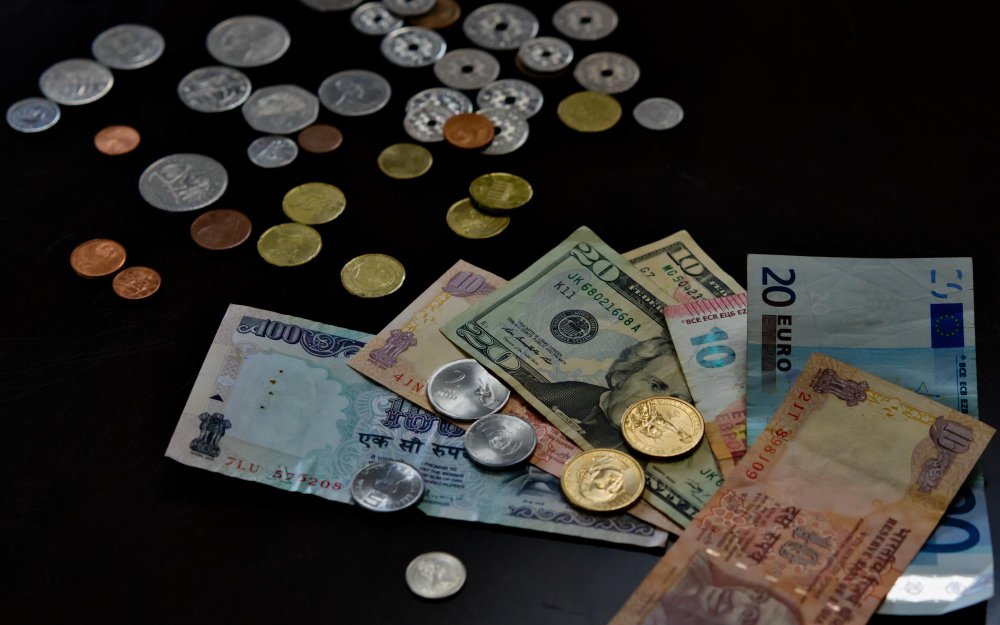
The Pakistani rupee exchange rate remained largely stable in Friday’s interbank trading session, posting a marginal appreciation against the US dollar while gaining strength against most major global currencies. The performance reflects relative calm in the foreign exchange market, supported by easing money market rates and controlled dollar demand. At the close of trading, the rupee settled at PKR 280.11 per US dollar, compared to the previous close of PKR 280.12, marking a gain of 1.11 paisa. Market participants described the session as range-bound, with limited volatility throughout the day. Pakistani Rupee Exchange Rate Against the US Dollar During intraday trading, the rupee recorded a high bid of PKR 280.60 and a low ask of PKR 281.15, indicating stable liquidity conditions in the interbank market. In the open market, exchange companies quoted the dollar at PKR 280.50 for buying and PKR 281.15 for selling, reflecting a narrow spread and steady demand-supply dynamics. On a broader basis, the local currency has strengthened by PKR 3.65, or 1.30%, during the current fiscal year, underscoring gradual recovery sentiment. However, on a calendar-year basis, the rupee has recorded a modest gain of 1.11 paisa so far, highlighting cautious market optimism. Pakistani Rupee Exchange Rate Versus Major Global Currencies Beyond the US dollar, the Pakistani rupee exchange rate posted gains against several major international currencies, signaling improved short-term confidence. The rupee appreciated 9.70 paisa (0.03%) against the euro, closing at PKR 328.75 compared to PKR 328.85 previously. Against the British pound, it strengthened by 12.70 paisa (0.03%) to PKR 377.04, while also gaining 8.08 paisa (0.02%) against the Swiss franc, which closed at PKR 353.14. The most notable percentage movement came against the Japanese yen, where the rupee gained 0.27%, closing at PKR 1.7843. Meanwhile, the rupee also improved marginally against the Chinese yuan, settling at PKR 40.05, reflecting stable trade-related currency flows. Pakistani Rupee Exchange Rate Against Regional Currencies In the regional currency market, the rupee recorded small but positive movements. It rose 0.19 paisa against the Saudi riyal to PKR 74.69 and gained 0.93 paisa (0.01%) against the UAE dirham, closing at PKR 76.27. These movements align closely with the rupee’s performance against the US dollar due to the peg of Gulf currencies. Money Market Trends Supporting the Pakistani Rupee Exchange Rate Supporting currency stability, Pakistan’s money market witnessed a decline in short-term rates. The benchmark 6-month Karachi Interbank Offered Rate (KIBOR) fell by 7 basis points, with bid and offer rates settling at 10.33% and 10.58%, respectively. Lower interbank rates typically reduce speculative pressure on the rupee by easing domestic liquidity conditions, which may help maintain exchange rate stability in the near term. 52-Week Perspective on the Pakistani Rupee Exchange Rate From a longer-term view, the rupee continues to trade within a defined band against major currencies. Against the US dollar, the rupee has remained within a 52-week range of PKR 278.56 to PKR 284.97, currently trading closer to the stronger end of this band. Similar stabilization trends are evident against the euro, pound, and dirham, suggesting reduced volatility compared to mid-2025 levels. Outlook: What Lies Ahead for the Pakistani Rupee Exchange Rate Market analysts expect the Pakistani rupee exchange rate to remain broadly stable in the short term, supported by controlled imports, steady remittances, and prudent monetary management. However, global interest rate movements, oil prices, and external financing developments will continue to influence currency direction in the coming weeks.

K-Electric adds nearly 140MW for industries during 2025 amid higher economic growth
Pakistan

K-Electric adds nearly 140MW for industries during 2025 amid higher economic growth

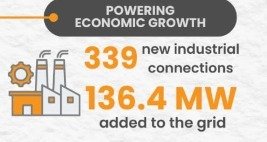
KARACHI: K-Electric (KE) added a sanctioned load of nearly 140MW through 339 new industrial connections during 2025 as Pakistan moved towards economic stabilisation amid the ongoing IMF programme.“These connections supported sectors including manufacturing, textiles, FMCG, ports, and export-oriented industries, reinforcing Karachi’s role as Pakistan’s economic engine,” KE said in a statement.Years of inflation and high power tariffs had stalled Pakistan’s economic engines. However, during 2025, analysts say some economic stability returned as inflation eased and interest rates settled. The Pakistan Stock Exchange’s (PSX) benchmark KSE-100 Index is trading near record highs, and the economy grew by 3.71 per cent in the first quarter (July-September) of the current fiscal year, a sizable increase from 1.56pc recorded in the same period last year. The year-on-year quarterly growth was mainly driven by a 9. Read More: https://theboardroompk.com/pakistan-scales-back-disco-privatisation-only-gepco-for-outright-sale/

Shield Corporation Voluntary Delisting from PSX Signals Strategic Shift
Pakistan

Shield Corporation Applies for Voluntary Delisting from PSX Citing Low Liquidity and Ongoing Losses

Shield Corporation voluntary delisting from PSX has formally entered the regulatory process after the company submitted an application to the Pakistan Stock Exchange (PSX), citing prolonged low trading liquidity, sustained financial losses, and the need to refocus management resources on core operations. The move reflects a growing trend among thinly traded listed companies in Pakistan that are reassessing the cost-benefit balance of remaining publicly listed amid challenging market conditions. Shield Corporation Voluntary Delisting from PSX: Regulatory Background According to an official application filed with the PSX on January 2, 2026, Shield Corporation Limited has sought approval for voluntary delisting under Regulation 5.14.3 of the PSX Rule Book (Voluntary Delisting Regulations). The application follows a Board of Directors’ resolution dated November 19, 2025, where the board approved the decision to pursue delisting. The company is currently a public limited company listed on the PSX, with its registered office located on Shahrah-e-Faisal, Karachi. Read More: https://theboardroompk.com/pakistan-launches-advanced-speed-breeding-facilities-to-boost-crop-security/ Why Shield Corporation Is Seeking Voluntary Delisting from PSX The decision behind the Shield Corporation voluntary delisting from PSX is primarily driven by three structural challenges: Extremely Low Trading Liquidity Over the past year, Shield Corporation’s shares recorded an average daily trading volume of just 923 shares, making it difficult for investors to enter or exit positions efficiently. Continued Financial Losses The company has incurred losses over the last two financial years, eroding shareholder returns and weakening investor interest in the stock. No Dividend Since 2021 Shield Corporation has not paid dividends since 2021, further reducing the attractiveness of the stock for long-term investors seeking income. Management believes that delisting will reduce regulatory compliance costs, minimize administrative burdens, and allow leadership to focus on operational performance rather than public market obligations. Shield Corporation Share Capital and Ownership Structure Shield Corporation Limited has an authorized share capital of Rs150 million, divided into 15 million ordinary shares with a face value of Rs10 per share. Out of this, the company has issued 3.9 million fully paid ordinary shares, translating into a paid-up capital of Rs39 million. All issued shares are currently eligible for trading through the Central Depository System (CDS) of the Central Depository Company of Pakistan. Exit Offer for Minority Shareholders To protect investor interests during the Shield Corporation voluntary delisting from PSX, the company’s sponsors have proposed a structured buyback plan. Minority shareholders will be offered an exit price of Rs465.17 per share, determined in accordance with Regulation 5.14.1 of the PSX Voluntary Delisting Regulations. This buyback will cover 209,598 ordinary shares, representing approximately 5.37% of the company’s paid-up capital. The sponsors have stated that this offer provides a fair and reasonable exit, especially given the stock’s limited liquidity and recent performance. Purchase Agent and Process Transparency To ensure transparency and regulatory compliance, Habib Limited has been appointed as the Purchase Agent. The firm will facilitate the acquisition of shares from minority shareholders as part of the delisting mechanism. Shield Corporation has also confirmed its willingness to provide any additional documentation or disclosures required by the PSX to complete the delisting process smoothly. What Shield Corporation Voluntary Delisting from PSX Means for Investors For investors, the Shield Corporation voluntary delisting from PSX presents both closure and clarity. Minority shareholders are offered a defined exit route at a regulated price, while long-term sponsors regain operational flexibility outside the public market. From a broader market perspective, the move underscores the growing importance of liquidity, governance costs, and profitability in sustaining public listings on the PSX. Company Snapshot Shield Corporation Limited is an ISO 9001 and ISO 14001 certified company, with its headquarters based in Karachi. The company operates within internationally recognized quality and environmental management standards.

Gold Price in Pakistan Rises Sharply Amid Global Market Uncertainty
Pakistan

Gold Price in Pakistan Rises Sharply Amid Global Market Uncertainty

Gold price in Pakistan continued its upward momentum on Friday, reflecting strong global cues and persistent economic uncertainty. According to the All-Pakistan Gems and Jewelers Sarafa Association (APGJSA), the price of 24-karat gold surged by Rs5,700 per tola, taking the new rate to Rs460,262 per tola, one of the highest levels recorded in recent weeks. The rally in local bullion prices mirrors international market trends, where gold remains a preferred safe-haven asset amid expectations of monetary easing and ongoing geopolitical risks. Gold Price in Pakistan Today – Latest Rates The increase in gold prices was observed across all major purity levels in the domestic market. The 24-karat gold price per 10 grams rose by Rs4,887, settling at Rs394,600, while 22-karat gold was quoted at Rs361,729 per 10 grams, highlighting broad-based strength in the precious metals segment. In simple terms, compared to Thursday’s rates, buyers in Pakistan paid significantly more for gold on Friday, driven by both global price appreciation and currency-related pressures. Read More: https://theboardroompk.com/gold-price-in-pakistan-declines-sharply-amid-market-volatility/ Silver Prices Follow Gold’s Upward Trend Alongside gold, silver prices in Pakistan also posted notable gains. The price of 24-karat silver increased by Rs227 per tola, reaching Rs7,862, while silver per 10 grams rose by Rs195 to Rs6,740. This synchronized movement suggests increased investor interest in precious metals as a hedge against inflation and financial volatility. Gold Price in Pakistan – Performance Snapshot From a broader perspective, gold has delivered strong returns over multiple timeframes. On a day-on-day basis, gold gained Rs5,700 per tola. Over the past month, prices are up by Rs17,100, while fiscal year-to-date (FYTD) gains stand at a substantial Rs110,062 per tola. On a calendar year-to-date (CYTD) basis, gold has added Rs3,300, reinforcing its long-term value proposition for investors. Silver has shown a similar pattern, with Rs1,777 gained over one month, Rs4,080 FYTD, and Rs144 CYTD, indicating consistent upward pressure across precious metals. Global Gold Market Supporting Local Prices The surge in the gold price in Pakistan is closely tied to international market movements. In the global bullion market, spot gold traded near $4,388 per ounce, marking an increase of $40.2 or 0.92% from the previous session. This global rise is being fueled by: • Heightened geopolitical and economic uncertainty• Expectations of monetary easing by major central banks later in 2026• Sustained investor demand for safe-haven assets These factors collectively provide strong support to both international and domestic gold prices. Outlook: Will Gold Prices in Pakistan Rise Further? Market analysts believe that if global uncertainty persists and interest rate cuts materialize in major economies, the gold price in Pakistan may continue to remain elevated in the near term. Additionally, fluctuations in the Pakistani rupee and import-related costs could further influence local bullion rates. For investors, gold continues to serve as a reliable store of value, particularly during periods of economic transition and policy uncertainty. Why Gold Still Matters for Pakistani Investors • Acts as a hedge against inflation• Protects wealth during currency volatility• Strong historical performance in uncertain times• High liquidity in local markets

Pakistan Trade Deficit December 2025 Surges to $3.7 Billion Amid Import Spike
Pakistan

Pakistan Trade Deficit December 2025 Surges to $3.7 Billion Amid Import Spike

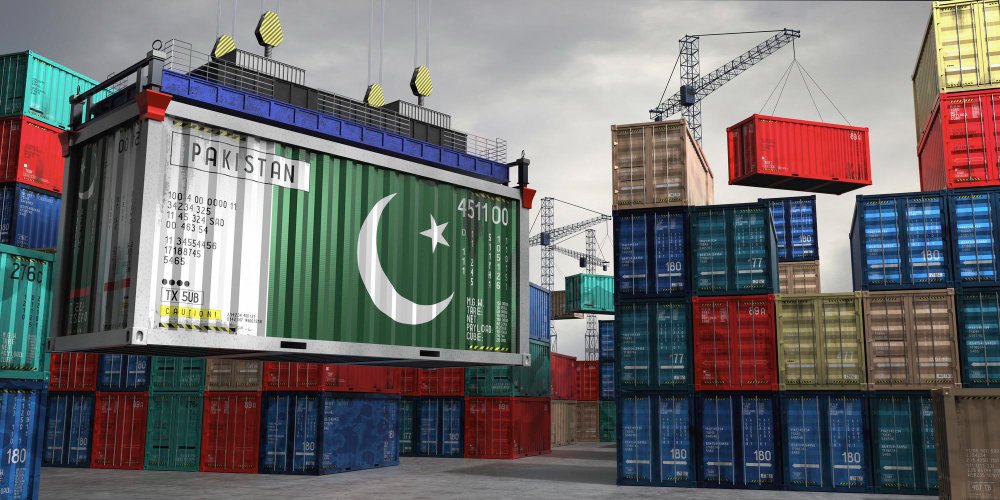
Pakistan Trade Deficit December 2025 widened sharply, signaling renewed pressure on the country’s external sector as imports surged while exports continued to struggle. According to provisional data released by the Pakistan Bureau of Statistics (PBS), the trade deficit expanded by 28.38% month-on-month (MoM) to $3.705 billion, compared to $2.886 billion in November 2025. The latest figures underline persistent structural challenges in Pakistan’s trade landscape, particularly declining export competitiveness and rising import dependence, which continue to strain the balance of payments. Read More: https://theboardroompk.com/port-qasim-to-construct-two-modern-mooring-boats/ Pakistan Trade Deficit December 2025: Monthly Trade Performance A closer look at the monthly data reveals a clear imbalance between imports and exports in December 2025. Exports during the month stood at $2.317 billion, reflecting a 4.26% decline MoM. This contraction highlights ongoing challenges for Pakistan’s export sector, including weak global demand, energy constraints, and cost pressures affecting key industries such as textiles and manufacturing. In contrast, imports surged to $6.022 billion, marking a 13.49% increase MoM. The sharp rise in imports driven by higher demand for energy products, raw materials, and machinery significantly outweighed the fall in exports, resulting in the wider monthly trade gap. In practical terms, for every dollar Pakistan earned from exports in December, it spent more than two and a half dollars on imports, amplifying external vulnerabilities. Year-on-Year Analysis of Pakistan Trade Deficit December 2025 On a year-on-year (YoY) basis, the Pakistan Trade Deficit December 2025 expanded by 23.79%, rising from $2.993 billion in December 2024 to $3.705 billion. Exports posted a steep 20.41% YoY decline, falling from $2.911 billion last year to $2.317 billion. This sharp contraction reflects weaker export orders, currency volatility, and challenges in maintaining market share in key international destinations. Meanwhile, imports edged higher by 2.0% YoY, increasing from $5.904 billion to $6.022 billion. Although the annual rise in imports appears modest, it was sufficient when combined with falling exports to significantly widen the trade deficit. Pakistan Trade Deficit December 2025: FY26 Cumulative Trend The cumulative picture for the first half of the fiscal year further reinforces concerns. From July to December FY26, Pakistan’s exports totaled $15.184 billion, representing an 8.7% decline YoY. During the same period, imports climbed 11.28% YoY to $34.388 billion. As a result, the cumulative trade deficit ballooned to $19.204 billion, a 34.57% increase compared to the corresponding period last year. This widening gap highlights a growing mismatch between export earnings and import payments, increasing reliance on external financing and foreign inflows. Key Drivers Behind the Pakistan Trade Deficit December 2025 Several structural and cyclical factors contributed to the deteriorating trade balance: Despite some month-to-month fluctuations, the overall trend indicates sustained pressure on Pakistan’s external accounts. Economic Implications and Outlook The widening Pakistan Trade Deficit December 2025 poses significant challenges for economic stability. A larger trade gap places downward pressure on foreign exchange reserves and complicates monetary and fiscal management. It also raises concerns over the country’s ability to meet external financing needs without increasing debt. Going forward, sustainable improvement will require boosting export competitiveness, expanding value-added production, and managing import growth through targeted policy interventions.

Pakistan Manufacturing PMI December Shows Strong Momentum in Industrial Growth
Pakistan

Pakistan Manufacturing PMI December Shows Strong Momentum in Industrial Growth

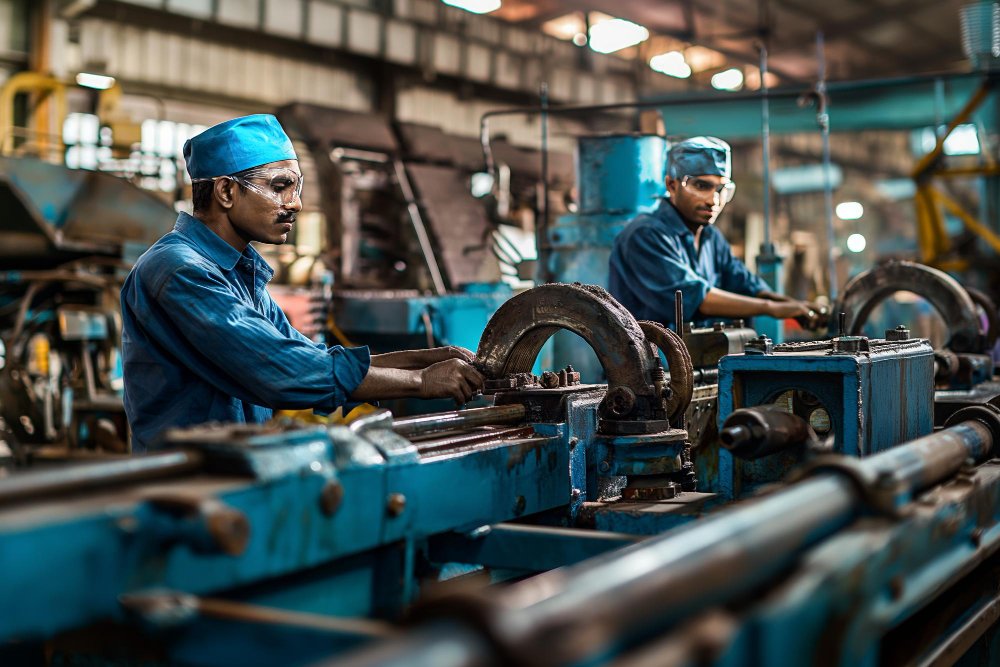
Pakistan Manufacturing PMI December delivered a positive signal for the country’s industrial outlook, as manufacturing activity accelerated to its strongest level since February. According to the latest data released by S&P Global, the HBL Pakistan Manufacturing Purchasing Managers’ Index (PMI) climbed to 52.8 in December, up from 52.3 in November, indicating expanding business conditions across the sector. A PMI reading above 50 reflects expansion, and December’s improvement underscores growing confidence in Pakistan’s manufacturing economy amid stabilizing inflation and improving demand dynamics. Read More: https://theboardroompk.com/pakistan-textile-council-calls-for-export-emergency-amid-sharp-decline-in-shipments/ Pakistan Manufacturing PMI December Driven by Production and New Orders The rise in Pakistan Manufacturing PMI December was primarily supported by robust growth in production and a sharp acceleration in new orders. Manufacturers reported the fastest increase in new business since March, signaling a rebound in domestic demand and improving market conditions. Production levels increased as firms responded to stronger order books, reflecting improved capacity utilization without triggering excessive operational pressure. This balance suggests that manufacturers are expanding output efficiently while maintaining control over costs and delivery timelines. Export Orders Turn Positive After Six Months A notable highlight of the Pakistan Manufacturing PMI December report was the return to growth in new export orders, which expanded for the first time in six months. This turnaround was attributed to: • Stronger international demand• Improved product quality and compliance with global standards• Better competitiveness in selected export-oriented industries The revival in export orders provides an encouraging signal for Pakistan’s external sector, particularly as manufacturers seek to capitalize on recovering global supply chains. Employment Rises as Workloads Increase Employment in the manufacturing sector increased for the second consecutive month, aligning with higher production needs and expectations of continued demand growth. Firms reported: • Longer working hours• Increased staffing to manage rising workloads• Forward-looking hiring decisions based on anticipated order inflows This improvement in employment reflects growing business confidence and supports broader economic recovery through job creation. Input Purchases and Inventories Surge Manufacturers significantly increased input purchases during December, largely as a precautionary measure against potential price increases. As a result, inventories rose at the fastest pace since the PMI survey began, highlighting proactive supply chain management. Despite higher output and stock accumulation, capacity pressures remained subdued, with work backlogs declining at one of the fastest rates on record. This indicates that firms are effectively managing demand without operational strain. Business Confidence at Multi-Month High Commenting on the data, Humaira Qamar, Head of Equities & Research at HBL, noted that business confidence reached its highest level since July. Optimism was driven by expectations of: • Improved macroeconomic conditions• Manageable inflation levels• A supportive monetary policy environment She also highlighted the State Bank of Pakistan’s surprise 50 basis point policy rate cut, which reinforced market confidence. The central bank signaled expectations of inflation averaging within the 5–7% target range and progress toward achieving its June 2026 foreign exchange reserve goals. Why Pakistan Manufacturing PMI December Matters The Pakistan Manufacturing PMI December serves as a leading indicator of economic momentum. Based on monthly surveys of private-sector firms, the PMI tracks changes iin • Output levels• New domestic and export orders• Employment trends• Input purchases and inventories Sustained expansion in PMI readings often signals upcoming growth in industrial output, investment, and employment making it a critical barometer for policymakers, investors, and business leaders. Outlook: Manufacturing Sector Enters 2026 on Strong Footing With rising production, renewed export growth, improving employment, and supportive monetary conditions, Pakistan’s manufacturing sector enters the new year with cautious optimism. If demand conditions remain stable and inflation stays under control, the sector could play a pivotal role in strengthening Pakistan’s overall economic recovery in 2026.

VEON Group Invests USD 20 Million in Mobilink Bank to accelerate digital Islamic banking expansion
Pakistan

VEON Group Invests USD 20 Million in Mobilink Bank to accelerate digital Islamic banking expansion

Karachi – January 02, 2026: Global digital operator VEON Group has announced an investment of USD 20 million in Mobilink Bank to support its growth and digital Islamic banking expansion in Pakistan. The investment builds on USD 15 million capital deployed by VEON in January 2025 and underscores its confidence in Mobilink Bank’s growth momentum and its integrated digital financial ecosystem with JazzCash, amid the rapid expansion of Pakistan’s digital banking and microfinance sector. Mobilink Bank is a part of VEON Group, a global digital operator that provides services to over 150 million connectivity customers and over 140 million monthly active digital users. VEON Group (Nasdaq: VEON) is a Nasdaq-listed company that operates across five countries that are home to more than 6% of the world’s population. Read More: https://theboardroompk.com/jazzcash-reaches-57-million-customers-processes-massive-pkr-15-trillion-in-2025/ The capital will be used to scale Mobilink Bank’s MSME financing portfolio, advance its Islamic banking offerings, and strengthen its evolution into a technology-driven, digitally native bank, with a continued focus on expanding regulated financial access for underserved communities, particularly small businesses and women. The investment reflects VEON Group’s broader digital strategy of strengthening high-impact financial ecosystems through technology-led solutions and disciplined capital deployment, positioning Mobilink Bank as a key contributor to Pakistan’s evolving financial sector. Commenting on the development, VEON Group Executive Committee Member and Chairman Mobilink Bank, Aamir Ibrahim, said: “This continued stream of investment from VEON underscores our long-term commitment to Pakistan and confidence in the structural shift underway in the country’s digital financial services ecosystem. It strengthens Mobilink Bank and JazzCash’s ability to execute on our strategic priorities, invest in resilient technology infrastructure, and contribute to the development of inclusive and sustainable digital banking.” Haaris Mahmood Chaudhary, President and CEO Mobilink Bank, added: “This investment will accelerate the expansion of our shariah-compliant Islamic banking offerings, helping small businesses formalize cash flows, access regulated credit, and build long-term financial resilience. As a future-ready digital bank, our focus remains on delivering practical, technology-enabled financial solutions that empower entrepreneurs – particularly women and underserved communities – across Pakistan.” Mobilink Bank’s expanding deposit base and MSME-oriented lending portfolio are enabling small businesses to transition from informal cash usage to regulated banking, while targeted women-centric financial products and green financing initiatives support inclusive growth and resilience in the face of Pakistan’s climate and economic challenges. Mobilink Bank, together with JazzCash, which serves over 57 million customers and is supported by a nationwide network of more than one million merchants and agents, anchors one of Pakistan’s largest digital financial ecosystems. During the year, JazzCash processed gross transaction value exceeding PKR 15 trillion, underscoring the scale, resilience, and impact of fintech in advancing financial inclusion, social mobility, and responsible digital innovation across Pakistan.

Scroll to Top