Pakistan

KSE-100 Breaches 185,000 Barrier Amid Sustained Bull Run
Pakistan

KSE-100 Breaches 185,000 Barrier Amid Sustained Bull Run

The Pakistan Stock Exchange (PSX) continued its remarkable upward trajectory on January 6, 2026, as the benchmark KSE-100 Index surged past the historic 185,000 level during intra-day trading. At 1:15 pm, the index was hovering at 185,023.74, marking a gain of over 2,465 points or 1.35% from the previous close. This follows a strong start to the new year, with the index closing at 182,408.24 on Monday after a 1.88% jump, driven by broad-based buying. Read More: https://theboardroompk.com/pakistans-k-shaped-recovery-household-savings-crash-66-amid-widening-inequality/ Key Drivers: Rate Cut Expectations and Institutional Buying Analysts attribute the rally primarily to growing anticipation of a policy rate cut in the upcoming Monetary Policy Committee meeting. Saad Hanif from Ismail Iqbal Securities noted that the market is pricing in a potential 50 basis points reduction, which would further boost investor sentiment by lowering borrowing costs and encouraging corporate expansion. Aggressive participation from local institutional investors, especially mutual funds, has been a major force, injecting liquidity into key sectors. Sectors leading the charge include automobile assemblers, cement, commercial banks, fertiliser, oil and gas exploration, oil marketing companies, power generation, and refineries. Index-heavy stocks such as Attock Refinery (ARL), Hub Power Company (HUBCO), Mari Petroleum (MARI), Pakistan Oilfields (POL), Pakistan State Oil (PSO), Sui Northern Gas Pipelines (SNGPL), Sui Southern Gas Company (SSGC), and major banks like Habib Bank (HBL), Muslim Commercial Bank (MCB), and United Bank (UBL) traded firmly in the green. The rally reflects improving macroeconomic stability, including stronger external accounts, controlled inflation, and political calm. Global cues, such as record highs in Asian markets and positive momentum in US equities, have also provided a supportive backdrop, despite geopolitical developments like US actions in Venezuela having limited direct impact on risk appetite. With the PSX maintaining its status as one of the world’s top-performing markets, experts remain optimistic about sustained gains in 2026, potentially pushing market capitalization toward unprecedented levels.

Pakistan's K-Shaped Recovery: Household Savings Crash 66% Amid Widening Inequality
Pakistan

Pakistan’s K-Shaped Recovery: Household Savings Crash 66% Amid Widening Inequality

A recent report from Optimus Capital Management, dated 5 January 2026, highlights a severe deterioration in Pakistan’s household savings, plunging 66% from FY19 to FY25, falling from an average of USD 32 to USD 11 per household. The lower income quintiles bore the heaviest brunt, with the bottom 20% experiencing a 38.3% drop and the second quintile a staggering 52.6% decline. Middle and upper-middle groups also faced reductions, underscoring broad-based financial strain in the economy.A K-shaped recovery is an economic phenomenon that occurs after a recession, where different parts of the economy—such as industries, income groups, or sectors—recover at vastly different rates, creating a diverging path that resembles the letter “K” on a graph. Read More: https://theboardroompk.com/al-meezan-investments-pakistan-strengthens-leadership-as-aum-surpasses-rs700-billion/ Uneven Path to Spending Recovery Despite the savings crisis, average household expenditure in Pakistan edged up 4% from USD 272 in FY19 to USD 283 in FY25, primarily fueled by a 13% increase in the top quintile’s spending. Essentials such as food, housing, energy, and transport retained a hefty 68.7% share in FY25, while health and education spending was cut by 19%. The top 20% now account for around 44% of national consumption, according to PBS HEIS data. Discretionary spending lingered low at 25.5%. Key sectors like cement dispatches and beverage manufacturing signal muted demand, with electrical equipment showing erratic trends. Optimus Research anticipates a slow uplift in average household spending amid a classic K-shaped recovery, where affluent segments pull ahead while lower tiers struggle.

Ruhail Muhammad Chairman Pakistan Stock Exchange Ushers in a New Era of Leadership
Pakistan

Ruhail Muhammad Chairman Pakistan Stock Exchange Ushers in a New Era of Leadership

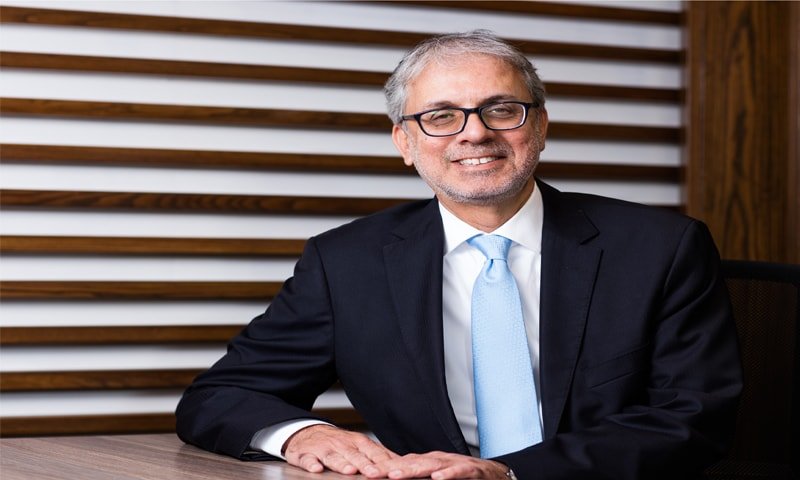
Ruhail Muhammad Chairman Pakistan Stock Exchange is the latest leadership development at Pakistan’s premier capital market institution, following the passing of former Chairperson Dr. Shamshad Akhtar. The Pakistan Stock Exchange Limited (PSX) formally announced his election as Chairman of the Board of Directors through an official notice issued to stakeholders on Monday. Read More: https://theboardroompk.com/psx-t1-settlement-cycle-enters-testing-phase-with-grand-mock-session/ Mr. Ruhail Muhammad will serve as Chairman for the remaining tenure of the PSX Board, in line with all applicable legal and regulatory requirements. His appointment comes at a critical time for Pakistan’s financial markets, where stability, governance, and investor confidence remain key priorities. Leadership Transition at Pakistan Stock Exchange The transition follows the demise of Dr. Shamshad Akhtar, former caretaker Federal Minister for Finance and former Governor of the State Bank of Pakistan, who passed away last month at the age of 71. Dr. Akhtar was widely respected for her contributions to Pakistan’s economic policy framework and financial sector reforms. The appointment of Ruhail Muhammad Chairman Pakistan Stock Exchange reflects continuity, institutional strength, and a focus on professional governance at PSX. Board Developments and Corporate Governance Updates In addition to the leadership change, the PSX Board also considered the resignation of Dr. Fakhra Rizwan, who had been serving as Corporate Secretary and Chief Governance, Legal and Corporate Affairs Officer. Her departure marks another significant governance transition within the exchange, emphasizing the evolving corporate structure at PSX. Who Is Ruhail Muhammad? A Proven Corporate Leader Ruhail Muhammad Chairman Pakistan Stock Exchange brings over 35 years of diversified leadership experience across general management, strategy, financial planning, business development, and people leadership. His career spans multiple high-impact sectors, including chemicals, energy, power generation, and financial services, making him one of Pakistan’s most seasoned corporate executives. Ruhail Muhammad’s Professional Journey Throughout his career, Mr. Muhammad has held several high-profile C-suite roles that shaped Pakistan’s corporate and industrial landscape: • Current Role: CEO of Lucky Electric Power Company Limited, a 660 MW Independent Power Producer (IPP) and subsidiary of Lucky Cement• Former CEO: Hub Power Holdings Limited (HUBCO subsidiary), Pakistan’s largest IPP group• Former CEO: Engro Fertilizers Limited (2012–2018) At HUBCO, he led portfolio expansion, onshore and offshore acquisitions, project financing, and financial restructuring initiatives to support long-term growth. At Engro Fertilizers, his leadership coincided with major operational and strategic milestones in Pakistan’s agriculture and fertilizer sector. Board Memberships and Governance Roles Ruhail Muhammad Chairman Pakistan Stock Exchange has served on numerous prominent boards, strengthening corporate governance standards across sectors. His experience includes leadership and board roles at: • Engro Corporation and its subsidiaries• K-Electric• NBP Funds• Pakistan Institute of Corporate Governance• British Overseas School• KP Energy Development Organization (PEDO)• Chairman, Pakistan Mercantile Exchange Limited Currently, he serves on the boards of Lucky Electric Power Company Limited, EFU Life Assurance, Pakistan Stock Exchange, NOWPDP (NGO), and as Chairman of Dawood Lawrencepur Limited. Educational Credentials and Global Exposure Mr. Muhammad is a CFA Charter Holder and holds an MBA from the Institute of Business Administration (IBA), Pakistan. His international exposure includes: • Advanced Management Program (AMP) at INSEAD• Agri-Business Certification from Harvard Business School These qualifications reinforce his strategic, financial, and governance expertise critical for his role as Ruhail Muhammad Chairman Pakistan Stock Exchange. What Ruhail Muhammad’s Appointment Means for PSX The election of Ruhail Muhammad Chairman Pakistan Stock Exchange signals: • Strengthened corporate governance• Enhanced strategic oversight• Increased investor confidence• Leadership continuity during economic transition With Pakistan’s capital markets facing both domestic and global challenges, Mr. Muhammad’s experience is expected to play a pivotal role in guiding PSX’s future direction.

PSX T+1 Settlement Cycle Enters Testing Phase with Grand Mock Session
Pakistan

PSX T+1 Settlement Cycle Enters Testing Phase with Grand Mock Session

PSX T+1 settlement cycle preparations have entered a critical phase as the Pakistan Stock Exchange (PSX), in collaboration with the National Clearing Company of Pakistan Limited (NCCPL) and the Central Depository Company of Pakistan Limited (CDCPL), announced an integrated Grand Mock Session scheduled from January 9 to January 13, 2026. This large-scale market simulation aims to assess system readiness, operational efficiency, and participant preparedness ahead of the formal rollout of the shorter T+1 settlement cycle, a major reform designed to enhance market liquidity, reduce counterparty risk, and align Pakistan’s capital markets with global best practices. Why the PSX T+1 Settlement Cycle Matters The transition to the PSX T+1 settlement cycle marks a significant evolution from the existing settlement framework. By shortening the settlement period, trades will be completed more quickly, improving capital efficiency and strengthening investor confidence. This shift is expected to: • Reduce settlement risk• Improve cash flow efficiency for brokers and investors• Enhance overall market transparency• Bring PSX closer to international settlement standards NCCPL’s Role in the PSX T+1 Settlement Cycle Testing According to a formal notice issued by NCCPL to the Pakistan Stock Exchange, the Grand Mock Session follows earlier preparations outlined in Circular No. NCCPL/CM/DECEMBER-25/14, dated December 18, 2025. The circular detailed the roadmap for comprehensive market testing required before implementing the PSX T+1 settlement cycle. NCCPL emphasized that the mock session will replicate live market conditions, allowing participants to test upgraded systems, workflows, and reporting mechanisms in a controlled environment. Who Can Participate in the PSX T+1 Settlement Cycle Mock Session? The Grand Mock Session will be open to all market participants, including: • Brokerage houses• Clearing members• Custodians• Market intermediaries• Institutional investors Participants are encouraged to actively engage in the exercise to identify and resolve any system or operational issues well ahead of the official transition. Mock Session Timings and System Availability During the mock testing period, testing systems will remain accessible daily from 10:30 AM to 7:00 PM. This extended access window is designed to allow sufficient time for end-to-end transaction testing, reconciliation checks, settlement processing, and exception handling under the PSX T+1 settlement cycle framework. Market participants are advised to conduct: • Trade execution simulations• Clearing and settlement validations• Fund and securities movement checks• Reporting and compliance verifications These checks mirror the processes currently followed in the live market environment. NCCPL Urges Full Participation for Seamless PSX T+1 Rollout NCCPL has strongly urged all market participants to ensure uninterrupted system connectivity prior to the mock session and to take full advantage of the testing window. Active participation is considered essential to ensure a smooth, timely, and disruption-free implementation of the PSX T+1 settlement cycle. Any technical or procedural gaps identified during the mock exercise can be addressed promptly, minimizing operational risks once the new settlement regime goes live. What This Means for Pakistan’s Capital Markets The PSX T+1 settlement cycle represents a strategic step toward modernizing Pakistan’s financial market infrastructure. Successful completion of the Grand Mock Session will pave the way for a faster, safer, and more efficient settlement environment benefiting investors, intermediaries, and the broader economy. As Pakistan continues to deepen its capital markets, reforms like T+1 settlement are expected to improve market competitiveness and attract greater domestic and foreign investment.

1.2mn Vapers in Pakistan Amid Emerging Health Risks: Gallup Survey
Pakistan

1.2mn Vapers in Pakistan Amid Emerging Health Risks: Gallup Survey

A recent Gallup Pakistan survey estimates that over 1.2 million adults in Pakistan are currently using vaping devices, even though only 17% of the population has heard of electronic cigarettes or vaping. Conducted between September 12–23, 2025, via Computer-Assisted Telephone Interviews (CATI) with 1,153 adults aged 18+, the study reveals a significant gap between usage and knowledge. Awareness is notably higher in urban areas (26%) compared to rural regions (12%), and among wealthier segments of society. In contrast, awareness of traditional smokeless tobacco products like zarda or nicotine pouches stands at just 20%. Read More: https://theboardroompk.com/customs-seizes-smuggled-cigarettes-raw-materials-worth-rs1-1-billion/ Youth Appeal and Health Concerns Among those aware of vaping, fashion and style trends top the list of reasons for its growing popularity among young people (41%), followed by experimentation (15%), nicotine addiction (9%), and peer pressure (8%). The survey highlights that 71% of aware respondents believe second-hand vaping can harm others, similar to cigarette smoke, with most viewing it as equally or more harmful than conventional cigarettes. Youth are seen as the most affected group (45%), followed by the labour class (20%) and students (12%). Bilal Gilani, Executive Director of Gallup Pakistan, warned that while traditional tobacco use has declined, these emerging products pose a new public health challenge that requires vigilance to prevent reversing progress.

KSE-100 Index Breaks 183,000 Barrier as Pakistan Stock Market Enters Record Territory
Breaking News, Pakistan

KSE-100 Index Breaks 183,000 Barrier as Pakistan Stock Market Enters Record Territory

The KSE-100 Index opened 2026 on a powerful bullish note, crossing the historic 180,000-point milestone for the first time and closing Monday’s trading session at 182,408.23, marking a robust gain of 3,373.30 points or 1.88%. This landmark rally reflects growing investor confidence, strong sectoral participation, and sustained momentum in Pakistan’s equity market. Read More: https://theboardroompk.com/psx-shatters-records-as-kse-100-surges-past-181000-milestone/ KSE-100 Index Hits New Intraday and Closing Records The KSE-100 Index remained positive throughout the trading session, reaching an intraday high of 183,964 points, while the day’s low stayed comfortably in the green near 179,535 points. The index not only breached the psychological 180,000 level but also advanced toward 183,000, reinforcing bullish sentiment across the market. Notably, this session marked the third consecutive trading day of 2026 in which the KSE-100 Index registered an all-time high, signaling strong continuity in the ongoing rally. Trading activity remained healthy, with 633 million shares exchanged in KSE-100 constituents, underlining strong participation from both institutional and retail investors. Market Breadth Favors Bulls Out of the 100 companies included in the KSE-100 Index, a dominant majority closed in positive territory. Approximately three-fourths of index stocks advanced, while only a quarter declined, reflecting broad-based buying interest. Top Gainers on the KSE-100 Index The session’s strongest performers included: • PIBTL, which led gains with over 8% appreciation• FABL, HMB, MEHT, and UBL, each recording gains exceeding 5% Top Losers on the KSE-100 Index On the downside, selling pressure remained limited, with mild declines seen in: • PSEL• DHPL• MUREB• JDWS• RMPL Banks Lead Index Point Contributions From an index-points perspective, large-cap banking and fertilizer stocks played a decisive role in pushing the KSE-100 Index higher. UBL alone contributed over 700 points, followed by strong support from HBL, ENGROH, MCB, and EFERT. Meanwhile, only a handful of stocks exerted downward pressure, with marginal negative contributions coming from PSEL, PPL, SYS, DHPL, and ATRL, which were insufficient to offset broader gains. Sector-Wise Performance Strengthens Rally Sectoral participation remained a key highlight of the session. The Commercial Banks sector emerged as the biggest driver, adding nearly 1,922 points to the KSE-100 Index, supported by renewed interest in blue-chip financial stocks. Other sectors that significantly boosted the index included: • Fertilizer• Investment Banks and Securities Companies• Cement• Automobile Assemblers Only a few sectors weighed slightly on the index, including Miscellaneous, Auto Parts, Sugar, Closed-End Mutual Funds, and Glass & Ceramics, though their impact remained minimal. Broader Market Also Closes Strong The bullish momentum extended beyond the benchmark index. The All-Share Index closed at 108,970 points, posting a gain of 1.47%. Market-wide trading volume surged to 1.38 billion shares, while traded value jumped to Rs78.1 billion, reflecting increased liquidity and investor engagement. A total of over 600,000 trades were recorded across 483 listed companies, with advancers comfortably outnumbering decliners. Among the most actively traded stocks by volume were BOP, PIBTL, KEL, TELE, HASCOL, and WTL, highlighting continued speculative and liquidity-driven interest in select names. KSE-100 Index Performance: FY and Calendar Year Outlook To date, the KSE-100 Index has gained an impressive 56,781 points, representing a 45.2% increase during the ongoing fiscal year. On a calendar-year basis, the index is already up more than 8,350 points or nearly 5%, reinforcing expectations of continued strength if macroeconomic stability and earnings growth persist.

Pakistani Rupee Exchange Rate Shows Marginal Gain Against US Dollar
Pakistan

Pakistani Rupee Exchange Rate Shows Marginal Gain Against US Dollar

The Pakistani Rupee exchange rate posted a modest improvement against the US dollar during Monday’s interbank trading session, reflecting continued stability in Pakistan’s foreign exchange market. The local currency closed at PKR 280.10 per US dollar, registering a gain of 0.98 paisa compared to the previous close of PKR 280.11. Market participants observed relatively narrow volatility throughout the session, indicating balanced demand and supply dynamics. The intraday movement saw the rupee touching a high of PKR 280.50 and a low of PKR 281.15, underscoring cautious optimism among traders amid broader macroeconomic adjustments. Pakistani Rupee Exchange Rate in the Open Market In the open market, exchange companies quoted the US dollar at PKR 280.60 for buying and PKR 281.15 for selling. The close alignment between interbank and open market rates highlights improved market efficiency and reduced speculative pressure, a trend welcomed by importers, exporters, and overseas remittance stakeholders. Currency dealers noted that consistent inflows, coupled with prudent monetary management, are helping stabilize the Pakistani rupee exchange rate, particularly against the greenback. Pakistani Rupee Exchange Rate Against Major Global Currencies Beyond the US dollar, the Pakistani rupee exchange rate demonstrated notable strength against several major international currencies: • Euro: The rupee appreciated by PKR 1.40 (0.43%), closing at PKR 327.36, compared to the previous rate of PKR 328.75.• British Pound: PKR gained PKR 1.08 (0.29%) to settle at PKR 375.97, reflecting easing pressure from European markets.• Swiss Franc: The local unit strengthened by 52.37 paisa (0.15%), closing at PKR 352.62. However, the rupee experienced mild depreciation against select Asian currencies: • Japanese Yen: The rupee slipped marginally by 0.05 paisa (0.03%), closing at PKR 1.7848.• Chinese Yuan: PKR weakened by 7.14 paisa (0.18%) to settle at PKR 40.12, amid regional trade currency adjustments. Against Middle Eastern currencies, the rupee remained stable, gaining 0.87 paisa against the Saudi Riyal to close at PKR 74.68, and 0.68 paisa against the UAE Dirham to finish at PKR 76.26 a positive signal for remittance-dependent inflows. Pakistani Rupee Exchange Rate Performance: Fiscal and Calendar Year Trends From a broader perspective, the Pakistani rupee exchange rate has shown measurable improvement over longer periods. Since the start of the current fiscal year, the rupee has appreciated by PKR 3.66 (1.31%) against the US dollar. On a calendar-year basis, the currency has recorded a modest gain of 2.09 paisa (0.01%). These trends suggest relative currency stability compared to the sharp volatility observed in previous years, supported by improved external account management and controlled import demand. Money Market Update and Interest Rate Outlook In the domestic money market, short-term liquidity conditions eased slightly. The benchmark 6-month Karachi Interbank Offered Rate (KIBOR) edged down by 2 basis points, with bid and offer rates settling at 10.31% and 10.56%, respectively. Analysts believe softer interbank rates, combined with a stable Pakistani rupee exchange rate, could support business confidence while keeping inflationary risks in check. Outlook: What Lies Ahead for the Pakistani Rupee Exchange Rate Looking ahead, currency experts expect the Pakistani rupee exchange rate to remain range-bound in the near term. Key influencing factors include external financing flows, import compression, global dollar movements, and monetary policy signals from the State Bank of Pakistan. While minor fluctuations are likely, sustained macroeconomic discipline could help maintain currency stability, offering relief to businesses and consumers alike.

Govt Borrows Rs396bn Debt in a Single Week
Pakistan

Govt Borrows Rs396bn Debt in a Single Week

Govt borrows Rs396bn debt in just one week, highlighting persistent fiscal pressures as Pakistan navigates the ongoing challenges of FY2026. According to the State Bank of Pakistan’s (SBP) weekly estimates, the federal and provincial governments collectively added Rs396.07 billion in new debt during the week ended December 26, 2025, bringing total net borrowing for the current fiscal year to Rs90.94 billion. Read More: https://theboardroompk.com/pakistans-fbr-misses-tax-target-by-rs336-billion-in-first-half-of-fy26/ This sharp weekly increase reflects continued reliance on domestic financing to manage budgetary needs, commodity operations, and other fiscal obligations raising important questions about liquidity management, inflation risks, and banking sector exposure. Govt Borrows Rs396bn Debt: Weekly Borrowing Breakdown Government borrowing is officially classified into three major categories based on purpose: • Budgetary Support• Commodity Operations• Others During the reported week, the overwhelming share of borrowing was directed toward budgetary support, underscoring ongoing revenue-expenditure gaps. In simple terms, nearly the entire Rs396bn weekly borrowing was used to finance routine government spending, while commodity-related borrowing remained marginal and some debt was retired under other heads. Fiscal Year 2026 Borrowing Position So Far On a cumulative basis, Pakistan’s government borrowing pattern for FY2026 presents a mixed picture. While weekly borrowing remains volatile, the overall fiscal year numbers show controlled but still concerning dependence on domestic debt. So far in FY2026: • Budgetary support borrowing stands at Rs72.69bn, indicating continued pressure on government finances.• Commodity operations account for Rs19.82bn, largely linked to food security and price stabilization mechanisms.• Other borrowings show a net retirement of Rs1.57bn, offering slight relief on the margins. This structure confirms that fiscal stress is being driven mainly by budgetary financing requirements, rather than extraordinary commodity shocks. Govt Borrows Rs396bn Debt: Role of SBP and Scheduled Banks Two institutions remain central to government financing: State Bank of Pakistan (SBP) Interestingly, despite the latest borrowing surge, the government has repaid a net Rs1.36 trillion to the SBP during FY2026. This repayment includes: • Significant retirement by the Federal Government• Partial offset through borrowing by Provincial Governments• Net retirements by AJK and Gilgit-Baltistan governments This trend aligns with IMF-backed reforms aimed at limiting direct central bank financing, which is often linked to inflationary pressures. Scheduled Banks In contrast, scheduled banks have become the primary source of government borrowing. During FY2026: • The government borrowed a net Rs1.43 trillion from scheduled banks• The Federal Government alone accounted for Rs1.51 trillion• Provincial governments, however, recorded net retirements This shift highlights growing reliance on commercial banks, potentially crowding out private sector credit. Economic Implications of Govt Borrowing Trends The fact that govt borrows Rs396bn debt in a single week raises several red flags for policymakers and investors alike: • Rising domestic debt increases future debt servicing costs• Bank liquidity concentration in government securities may restrict private investment• Fiscal consolidation targets could come under pressure if revenue growth lags• Inflation management remains closely tied to borrowing patterns and monetary policy coordination While repayment to SBP is a positive structural reform, heavy reliance on scheduled banks keeps fiscal risks elevated. Outlook: Can Borrowing Stay Sustainable? Looking ahead, Pakistan’s borrowing trajectory will depend on: • Tax revenue performance• IMF program compliance• Privatization and non-tax revenue flows• Interest rate and inflation trends Without meaningful fiscal reforms, weekly spikes like this one may continue to challenge macroeconomic stability.

Pakistanis Devote Two-Thirds of Income to Food and Utilities Amid Soaring Remittances Income
Pakistan

Pakistanis Devote Two-Thirds of Income to Food and Utilities Amid Soaring Remittances Income

A recent government survey has revealed the harsh economic reality facing Pakistani households, with nearly two-thirds of their expenditure—63%—going towards just food and housing-related utilities, including electricity and gas. According to the Household Integrated Economic Survey 2024-25 released by the Pakistan Bureau of Statistics (PBS), food alone accounts for 37% of household spending, while housing, electricity, and gas consume another 26%. Read More: https://theboardroompk.com/pakistani-rupee-exchange-rate-shows-stability-amid-global-currency-movements/ The survey, conducted from September 2024 to June 2025 and released on January 2, 2026, by Planning Minister Ahsan Iqbal, highlights how expenditures have outpaced income growth over the past six years. Average monthly household income rose from Rs41,545 to Rs82,179—an annual increase of 16.3%—but consumption expenses surged to Rs79,150, growing at 19% per year. Rising Reliance on Remittances and Assistance The share of foreign remittances in household income has climbed from below 5% to nearly 8%, with rural areas showing doubled dependence. Gifts and assistance now contribute 4.6%, up significantly, signaling shrinking domestic income sources amid double-digit inflation, currency devaluation, and IMF-mandated reforms that have raised taxes and energy prices. Neglected Priorities: Education and Health Suffer Alarmingly, combined spending on education, health, and recreation stands at just 7%, with education at a mere 2.5%—halved from previous levels—health at 3.4%, and recreation at 1.1%. Spending on restaurants has more than doubled that on education, particularly among higher-income groups. Income disparities remain stark: the poorest quintile earns Rs41,851 monthly, compared to Rs139,317 for the richest.Experts attribute this to prolonged economic pressures, including an exodus of skilled youth due to limited opportunities, further straining families.

$2 Billion Rooftop Solar Investment at Stake Amid Net-Metering Policy Changes, FPCCI
Pakistan

$2 Billion Rooftop Solar Investment at Stake Amid Net-Metering Policy Changes, FPCCI

Karachi: A strong call to urgently harness Pakistan’s vast clean energy potential—particularly its abundantly available solar power—was made to drive rapid industrialisation, provide affordable electricity to industries, and energise off-grid homes in remote rural areas, while simultaneously easing the electricity woes of general consumers.These views were expressed at a high-level seminar on recent changes proposed in the government’s net-metering and rooftop solar policies and the serious concerns arising from them for both industry and consumers. The seminar was organised by the Federation of Pakistan Chambers of Commerce & Industry (FPCCI) in collaboration with Energy Update. Read More: https://theboardroompk.com/kse-100-index-all-time-high-signals-renewed-confidence-in-pakistan-stock-market/ Addressing the gathering, the Senior Vice-President of FPCCI, Saquib Fayyaz Magoon, emphasised that Pakistan must follow the example of developed economies by fully exploiting its untapped renewable energy resources in the larger interest of consumers and industries burdened by high electricity costs. He stressed that with such abundant clean energy resources available locally, industries should not be forced to shut down due to unaffordable power tariffs.Providing the government’s perspective, the Adviser to the Power Division of the federal government, Faizan Ali Shah, assured participants that the proposed changes to the net-metering regime were not intended to hinder Pakistan’s progress towards renewable energy. He noted that the government was mindful that the rapid rollout of rooftop solar systems by affluent segments of society should not result in an unfair financial burden on ordinary consumers who lacked the means to install such systems.He further stated that the proposed changes were aligned with international best practices, where developed countries gradually withdrew financial incentives for solar power usage after achieving their national clean energy targets. He recalled that net-metering had been introduced in Pakistan over a decade ago at a time of acute electricity shortages and minimal reliance on renewable sources. He added that the regime now required amendment, as Pakistan was already meeting up to 55 per cent of its electricity needs through renewable energy, while the problem of electricity shortfall had largely been resolved.He added that the government planned to meet over 90 per cent of Pakistan’s electricity demand through renewable energy sources by 2035. Highlighting regional comparisons, he said India’s annual energy demand stood at 1,695 terawatt-hours (TWh), compared with 111 TWh for the Netherlands and 183 TWh for the UAE. In contrast, Pakistan’s energy demand was only around 100 TWh, despite the country being geographically much larger than both the UAE and the Netherlands.The Power Division’s Adviser told the participants that the electricity purchase price of the Quaid-e-Azam Solar Park was 14 US cents per unit at the time of its commissioning, which had since declined to around 3 US cents per unit—a rate comparable to that offered to consumers under the proposed net-metering arrangements. From the industry’s standpoint, the Chairman of the Pakistan Solar Association (PSA), Waqas Moosa, cautioned that any drastic changes to the net-metering regime could push rooftop solar consumers towards battery-based systems with minimal reliance on the national grid.The PSA Chairman told the seminar that solar power systems with a cumulative generation capacity of around 40 gigawatts (GW) had been installed across the country, of which 6 GW comprised the total net-metering capacity by 2025. According to PSA estimates, Pakistani consumers had invested approximately US$2 billion in rooftop solar installations. He also underlined that consumers who had invested their hard-earned savings in rooftop solar systems to cut soaring electricity bills should not suffer financially due to ill-conceived policy changes aimed at favouring independent power producers receiving inflated capacity payments.He further called for maximum automation and digitisation to ensure swift processing of net-metering licence applications, advocating a one-window operation that could issue licences within days without subjecting consumers to unnecessary bureaucratic hurdles. He proposed that applications for new net-metering licences for systems with a generation capacity of up to 25 kilowatts (kW) should be processed directly by the DISCOs, instead of being referred to NEPRA, in order to ensure faster approvals.Offering a broader economic perspective, a noted businessman, Mian Zahid Hussain, termed it utterly unwise for the government to simultaneously pay inflated capacity charges to under-utilised independent power producers while also purchasing excess electricity from domestic rooftop solar systems at high prices. A clean energy advocate and financial analyst, Moin M Fudda, recalled that the net-metering system was first introduced in the United States in 1971, whereas in Pakistan, the government had begun reconsidering the regime merely a decade after its introduction. He argued that purchasing excess electricity from net-metering consumers at Rs 25.98 per unit shouldn’t be considered a financial burden, particularly when such power involved no line losses and was significantly cheaper than electricity produced by conventional IPPs. Waqas Khaleeq, CEO of Smart Solar and an ardent advocate of clean power, highlighted that greater utilisation of solar energy could help Pakistan slash its massive annual oil import bill of approximately US$15 billion, while also reducing harmful carbon emissions caused by fossil fuel-based power generation.Referring to India’s experience, he said net-metering was permitted there for solar systems with a generation capacity of up to one megawatt (MW). He noted that solar installations with a combined capacity of 11 GW had already been deployed in India. Another solar industry leader, Muhammad Zakir Ali, expressed hope that Prime Minister Shehbaz Sharif, known as a strong advocate of renewable energy, would reject the proposed new changes to the net-metering regime to safeguard the genuine economic interests of consumers who had already invested in rooftop solar systems Concluding the discussion, the President of the National Forum for Environment & Health, Muhammad Naeem Qureshi, urged the government to fully consider the immense environmental benefits of solar energy in tackling the climate emergency, even while reviewing or withdrawing incentives for net-metering consumers.On this occasion Energy Update’s Director Finance Ruqiya Naeem, CMO Engr. Nadeem Ashraf, Marketing Manager and Deputy Editor Mustafa Tahir and others also participated.

Scroll to Top