Business

https://theboardroompk.com/ogdc-dars-west-3-gas-discovery-signals-fresh-momentum-in-pakistans-energy-sector/
Business

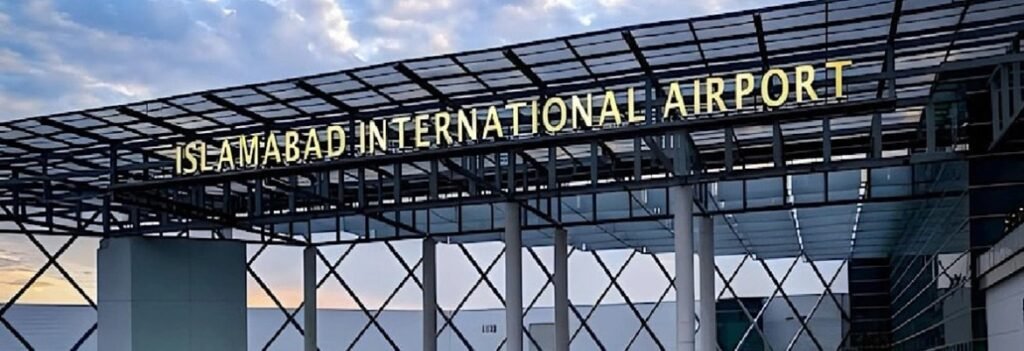
Privatisation Commission Forms Panel to Seal ADB Deal for Islamabad Airport Privatisation

The Privatisation Commission Board (PC Board) has taken a key step toward privatising Islamabad International Airport (IIA). Under the leadership of Muhammad Ali, Adviser to the Prime Minister on Privatisation, the board formed a Negotiation Committee. Read More: https://theboardroompk.com/ogdc-dars-west-3-gas-discovery-signals-fresh-momentum-in-pakistans-energy-sector/ This move aims to engage the Asian Development Bank (ADB) for expert advisory support. Committee Formation and Objectives The committee will negotiate terms of a Financial Advisory Services Agreement (FASA) with ADB. This follows the board’s prior approval for direct talks under the 2018 Privatisation Regulations. The goal is to outsource IIA operations via a concession model. This approach seeks open, competitive bidding to boost efficiency and value for Pakistan. Broader Privatisation Push IIA was recently added to the active sell-off list by the Privatisation Commission. The process emphasises transparency and rule-based execution to protect public interest. Successful privatisation could improve airport services and reduce government burden. It aligns with ongoing efforts to reform state assets for better economic outcomes.

OGDC Dars West-3 Gas Discovery Signals Fresh Momentum in Pakistan’s Energy Sector
Business

OGDC Dars West-3 Gas Discovery Signals Fresh Momentum in Pakistan’s Energy Sector

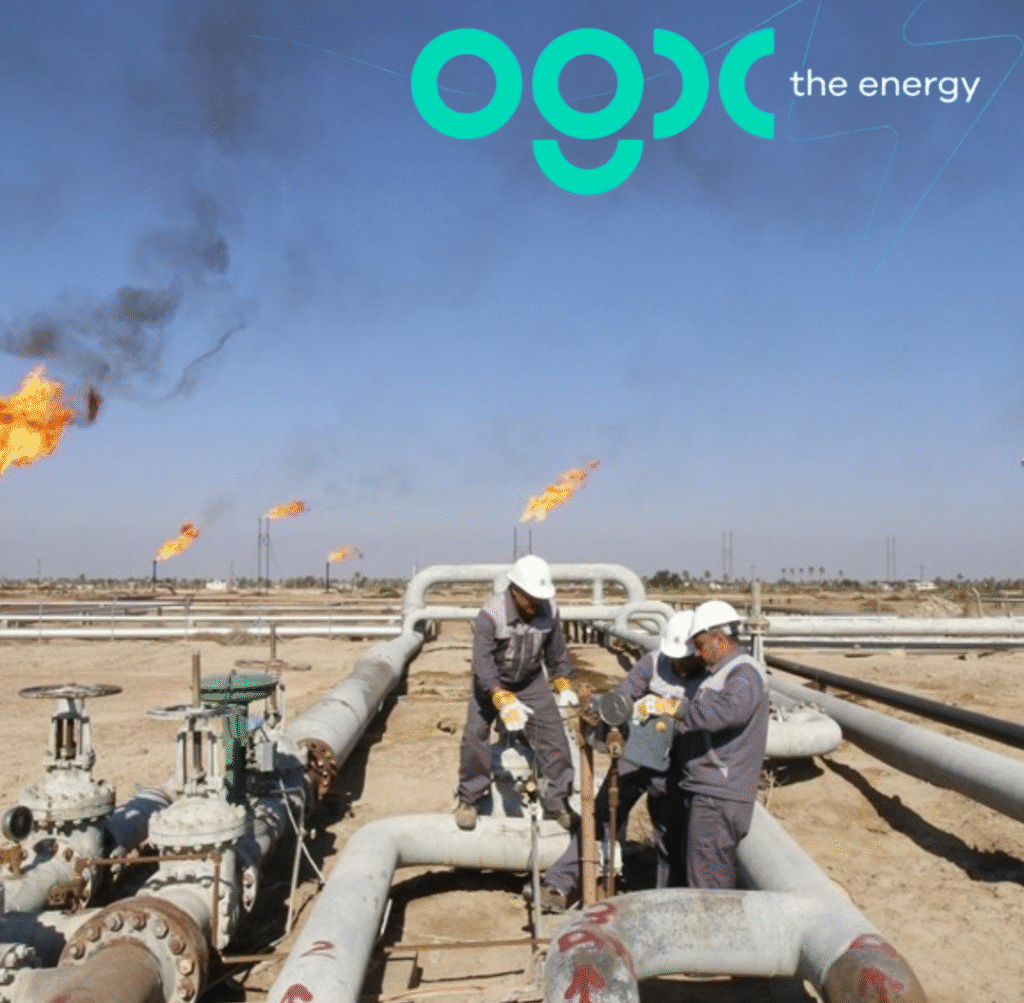
The OGDC Dars West-3 gas discovery is making waves across Pakistan’s energy landscape, marking another strategic breakthrough for Oil and Gas Development Company Limited (OGDC). Located in Tando Allah Yar, Sindh, this latest development underscores the untapped hydrocarbon potential of the Lower Goru Formation an area increasingly gaining attention from industry stakeholders. Drilled to a depth of 2,100 meters, the Dars West-3 well has been successfully tested using OGDC’s in-house technical expertise. The results are not just promising they hint at a broader narrative of energy resilience and domestic resource optimization. Breaking Down the OGDC Dars West-3 Gas Discovery Results The OGDC Dars West-3 gas discovery has delivered impressive production metrics, reinforcing confidence in the Lower Goru C-Sand reservoir: • Gas production reached 9.70 million standard cubic feet per day (MMSCFD)• Condensate output stood at 580 barrels per day (BPD)• Testing was conducted at a 36/64-inch choke size• Wellhead flowing pressure recorded at 1,725 Psi These figures point to a commercially viable reservoir with strong deliverability an encouraging sign for future exploration in the region. Why the Lower Goru Formation Matters The OGDC Dars West-3 gas discovery further validates the hydrocarbon richness of the Lower Goru Formation, particularly its C-Sand reservoirs. This geological zone has long been considered a key contributor to Pakistan’s gas reserves, but recent discoveries are elevating its strategic importance. The Dars West area, in particular, is emerging as a hotspot for energy exploration. Each successful test strengthens confidence among investors and policymakers, signaling that Pakistan’s indigenous resources can play a vital role in reducing reliance on imported energy. From Discovery to Distribution: What Happens Next? The journey from discovery to market is already underway. Pipeline installation is currently in progress, and once completed, gas from the Dars West-3 well will be processed at the KPD-TAY plant before being injected into the network of Sui Southern Gas Company (SSGCL). This integration into the national grid ensures that the benefits of the OGDC Dars West-3 gas discovery will directly contribute to meeting Pakistan’s growing energy demand. Strategic Collaboration Driving Success The Dars West Development and Production Lease (D&PL) operates as a joint venture: • OGDC holds a 77.5% working interest and serves as the operator• Government Holdings Private Limited (GHPL) maintains a 22.5% stake This collaboration highlights a well-coordinated approach to exploration, reservoir evaluation, and field development key ingredients behind the success of the OGDC Dars West-3 gas discovery. A Boost for Pakistan’s Energy Security At a time when Pakistan faces mounting energy challenges, the OGDC Dars West-3 gas discovery offers a timely boost. By enhancing domestic gas production, it reduces pressure on imports and supports economic stability. More importantly, it showcases OGDC’s continued capability to deliver results through technical expertise and strategic exploration positioning the company as a cornerstone of Pakistan’s energy future. Conclusion: A Discovery That Sparks Bigger Possibilities The OGDC Dars West-3 gas discovery is more than just a successful well test it’s a signal of what lies beneath Pakistan’s soil. With ongoing investments, advanced exploration techniques, and strong partnerships, the country is steadily unlocking its energy potential. As pipeline development progresses and production begins, all eyes will remain on Sindh’s Dars West region where the next big discovery could already be waiting.

Faysal Bank Sukuk Issuance: Strengthening Capital Through Shariah-Compliant Financing
Business

Faysal Bank Sukuk Issuance: Strengthening Capital Through Shariah-Compliant Financing

The Faysal Bank Sukuk Issuance has taken a major step forward as Faysal Bank Limited (PSX: FABL) secures board approval to raise Tier-II capital through Shariah-compliant instruments. This move reflects the bank’s strategic focus on strengthening its capital base while adhering to Islamic banking principles an increasingly important segment in Pakistan’s financial landscape. The bank plans to issue sukuks worth Rs7 billion, with an additional green-shoe option of Rs2 billion, allowing flexibility to raise more capital depending on investor demand. This approach not only enhances financial resilience but also signals strong market confidence in Islamic financing tools. What Makes This Sukuk Issuance Significant? The Faysal Bank Sukuk Issuance is more than just a capital-raising exercise it represents a calculated move to reinforce the bank’s long-term stability and growth. Tier-II capital instruments like sukuks are designed to absorb losses in times of financial stress, making them a critical component of a bank’s regulatory capital framework. In simple terms, this issuance enables the bank to: • Strengthen its financial cushion against economic uncertainties• Support future lending and expansion strategies• Align with regulatory capital requirements• Tap into growing demand for Shariah-compliant investments Additionally, the inclusion of a green-shoe option gives the bank the ability to increase the issuance size if market appetite exceeds expectations an indicator of strong investor interest. Regulatory Approvals and Market Disclosure The bank has confirmed that the Faysal Bank Sukuk Issuance remains subject to necessary regulatory approvals. Transparency was maintained through formal disclosure to the Pakistan Stock Exchange, ensuring that investors and stakeholders are fully informed. Such disclosures play a critical role in maintaining investor confidence and upholding governance standards in Pakistan’s capital markets. PONV Clause: A Safety Mechanism Explained A key feature of this sukuk issuance is its Point of Non-Viability (PONV) clause an important safeguard in modern banking instruments. Under this provision, the sukuks may be converted into common shares if the bank faces severe financial distress. To put it simply, this mechanism ensures that: • The bank can stabilize itself during a crisis• Losses can be absorbed without collapsing the institution• Shareholders and regulators have a predefined recovery framework Faysal Bank plans to seek shareholder approval for this conversion feature during its upcoming Annual General Meeting scheduled for March 26, 2026. Why the Faysal Bank Sukuk Issuance Matters for Investors For investors, the Faysal Bank Sukuk Issuance presents an opportunity to participate in a Shariah-compliant financial instrument backed by a well-established banking institution. Sukuks are increasingly popular due to their ethical investment structure and relatively stable returns. This issuance could attract: • Institutional investors seeking diversification• Islamic finance investors looking for compliant products• Market participants interested in Pakistan’s banking sector growth Moreover, the structured nature of Tier-II sukuks makes them appealing for long-term investment strategies. Final Thoughts The Faysal Bank Sukuk Issuance marks a significant milestone in Pakistan’s Islamic banking sector. By combining regulatory compliance, financial innovation, and investor-focused structuring, the bank is positioning itself for sustainable growth. As the issuance moves toward regulatory approvals and shareholder consent, all eyes will be on how the market responds particularly given the increasing demand for Shariah-compliant financial solutions.

Pakistan's FDI Plunges 51% in Jul-Jan FY26 Amid Global and Domestic Pressures
Business

Pakistan’s FDI Plunges 51% in Jul-Jan FY26 Amid Global and Domestic Pressures

SBP data shows a sharp 51% year-on-year decline in Pakistan’s net Foreign Direct Investment (FDI) for July-January FY26. Read More: https://theboardroompk.com/ramadan-ul-mubarak-banks-timings-banks-to-operate-900-am-200-pm-for-public/ Net FDI dropped to $694 million from $1.429 billion in the same period of FY25, a reduction of $735 million. Inflows reached $2.1 billion, offset by $1.1 billion in outflows. January alone saw FDI fall 51% to $111 million from $226 million last year. Sharp Decline Signals Investor Caution Global economic uncertainty continues to weigh heavily on foreign investors eyeing Pakistan. Domestic macroeconomic adjustments, including policy shifts, have further dampened sentiment. Analysts stress that without consistent reforms, attracting capital remains challenging. Portfolio investment recorded a net outflow of $287 million during the period, highlighting volatility in equity and debt markets. Total foreign investment—including FDI, portfolio, and other categories—plunged 65% to $517 million from $1.484 billion a year earlier. This trend follows earlier drops, such as 43% in July-December FY26. The persistent decline raises concerns about economic growth and job creation. Experts urge long-term, investor-friendly policies to reverse the slide. On a brighter note, Roshan Digital Account inflows rose slightly to $216 million in January from $213 million prior, with cumulative receipts hitting $11.923 billion since 2020. This shows sustained interest from overseas Pakistanis. Urgent Need for Policy Overhaul Pakistan must prioritize stable regulations and incentives to rebuild confidence. The current figures underscore the need for swift action to boost inflows and support recovery efforts amid ongoing challenges.

FrieslandCampina Engro Pakistan Posts 22% Profit Surge to Rs2.69 Billion in FY 2025 Despite Sales Dip
Business

FrieslandCampina Engro Pakistan Posts 22% Profit Surge to Rs2.69 Billion in FY 2025 Despite Sales Dip

Karachi: FrieslandCampina Engro Pakistan Limited (FCEPL) announced its financial results for the year ended December 31, 2025. The Company pursued disciplined cost management and efficiency initiatives across the value chain. Read More: https://theboardroompk.com/pakistans-mobile-phone-imports-jump-31-4-to-1-139bn-in-7-months-of-fy2026/ This included optimization of procurement, manufacturing, logistics and overheads, while maintaining quality, safety, and service standards. The combined impact of improved commercial execution and cost optimization resulted in an expansion in gross margin of 70 basis points and growth in operating profit of 16% vs 2024. The uneven playing field for packaged UHT milk created by the implementation of the sales tax in 2024 remains a big challenge for the dairy sector. Despite these external challenges, the Company maintained a strong focus on its commercial agenda by continuing to invest behind its brands and delivering customer-centric offerings. These actions led to an increase in market share and improvement in volume mix. The consumption of loose milk, remains outside tax net, the documented economy, and food safety frameworks. This taxation is misaligned with the government’s stated objectives of improving access to safe and nutritious food, strengthening documented supply chains, and supporting sustainable livelihoods for dairy farmers. Furthermore, the prevailing tax regime eliminates the ability of organized dairy companies to invest in category development, dairy development programs and long-term initiatives aimed at improving farmer livelihoods and productivity across the value chain. Financial Performance Overview: The financial performance of the company for the year ended December 31, 2025, is summarized below: Full Year endedDec 31, 2025Variation (Rs. in million)20252024 Net Sales104,452107,051-2.4% Operating Profit7,9366,83516% % of sales7.6%6.4%120 bps Profit / (Loss) after tax2,6912,20322% % of sales2.6%2.1%50 bps Earnings / (Loss) per share (Rs.)3.512.87 Future Outlook Whilst the implementation of the 18% sales tax on packaged milk continues to be a challenge for the industry, FrieslandCampina Engro Pakistan remains resilient and will continue to build on the strong foundations of its business by strengthening brands and reinforcing consumer trust in the safety and nutritional value of packaged dairy. Since there have been no major investments behind category development and broader dairy sector initiatives, limiting the pace at which the formal sector can expand its positive impact, a sustained focus on improving affordability, cost efficiency across supply chain and mix management will remain central to how the company operates. The company will continue to engage with government stakeholders and relevant authorities to advocate for a more balanced and equitable taxation regime for packaged dairy, aligned with practices adopted in many other parts of the world. Such an approach would support food safety, formalization of the economy, and sustainable growth of the dairy sector. At FCEPL, we remain committed to the highest standards of hygiene, food safety and sustainability, while providing safe, affordable, and nourishing dairy products to millions of Pakistanis, every day.

Samba Bank Acquisition by Najd Gateway Holding Company Signals Major Saudi Investment
Business

Samba Bank Acquisition by Najd Gateway Holding Company Signals Major Saudi Investment

The Samba Bank Acquisition by Najd Gateway Holding Company is set to reshape Pakistan’s banking landscape, as a Saudi-based investment firm announces plans to take majority control of Samba Bank Limited. The proposed deal, disclosed to the Pakistan Stock Exchange (PSX), highlights growing financial ties between Pakistan and Saudi Arabia and could mark a turning point for cross-border banking collaboration. But what does this acquisition really mean for investors, regulators, and the broader financial sector? Let’s break it down. Samba Bank Acquisition by Najd Gateway Holding Company: Deal Structure Explained According to the public announcement made under the Securities Act, 2015, Najd Gateway Holding Company intends to acquire approximately 84.51% shareholding in Samba Bank through a share purchase agreement. The transaction includes: • Purchase of 852.04 million shares from the existing majority shareholder, The Saudi National Bank• A mandatory public offer for at least 78.1 million additional shares, representing roughly 1.15% of the bank’s equity In total, the acquirer seeks effective control of the bank, subject to regulatory approvals and completion of due diligence. The deal is being managed by Arif Habib Limited, which formally disclosed the transaction to the PSX. Who Is Behind the Acquisition? Najd Gateway Holding Company is a privately held investment and holding firm headquartered in Riyadh. The company is wholly owned by Prince Mansour bin Mohammed S. Al Saud, positioning the deal as a significant private Saudi investment into Pakistan’s regulated financial sector. This move aligns with broader economic cooperation trends between the two countries, particularly in banking, energy, and infrastructure. Why This Acquisition Matters for Pakistan’s Banking Sector The Najd Gateway Holding Company Samba Bank Acquisition is not just a corporate restructuring it is a strategic play. The acquiring firm has stated its intention to establish a strong platform within Pakistan’s regulated financial system. For Pakistan, this could mean: • Fresh foreign direct investment (FDI) inflows• Strengthened Saudi-Pak financial cooperation• Potential capital injection and operational restructuring• Increased investor confidence in the banking sector Given the regulatory oversight required from Pakistan’s financial authorities, the deal’s completion will depend heavily on compliance, approvals, and successful due diligence. Importantly, the acquirer has reserved the right to withdraw if regulatory approvals are not granted a standard but crucial clause in large-scale banking acquisitions. Market Reaction and Share Price Snapshot On February 16, 2026, shares of Samba Bank closed at Rs14.01. The 28-day volume-weighted average price stood at Rs14.61 per share. To understand the scale of the institution: • The bank has 1.01 billion issued shares• Each share carries a face value of Rs10• The bank has been listed on the Pakistan Stock Exchange since August 2003 For investors, the mandatory public offer will be closely monitored, as it may provide an exit opportunity depending on the offer price and final regulatory decisions. What Happens Next? The next phase of the Najd Gateway Holding Company Samba Bank Acquisition hinges on: If approved, the acquisition could redefine the bank’s governance, strategy, and regional positioning. Final Thoughts The Najd Gateway Holding Company Samba Bank Acquisition represents more than a change in ownership it reflects deepening Saudi-Pakistan financial integration and renewed foreign interest in Pakistan’s banking sector. As regulatory reviews unfold, investors and market observers will be watching closely. Will this deal catalyze broader Gulf investment in Pakistan’s financial industry? One thing is clear: the story is far from over.

Pakistan's Mobile Phone Imports Jump 31.4% to $1.139bn in 7 Months of FY2026
Business

Pakistan’s Mobile Phone Imports Jump 31.4% to $1.139bn in 7 Months of FY2026

Pakistan’s mobile phone imports have surged significantly in the early part of the fiscal year 2025-26. Official data shows a notable increase in the value of imported handsets during the first seven months. Read More: https://theboardroompk.com/historic-ogdc-snf-water-injection-project-promises-boost-to-pakistans-oil-and-gas-sector/ Surge in Import Value Imports reached $1.139 billion from July to January FY2025-26. This marks a 31.4% rise compared to $867.685 million in the same period last year. In Pakistani rupees, the figure stood at Rs 321.137 billion. It reflects a 33.07% growth over Rs 241.330 billion previously. January alone saw imports of $179.380 million. This was up 12.60% from December 2025 and 33.62% year-on-year. The trend reverses last year’s decline. In FY2024-25, mobile imports fell 21.31% to $1.494 billion overall. Factors and Context Local assembly remains strong despite the import rise. In 2025, Pakistan assembled 30.21 million handsets, far outpacing commercial imports of 2.37 million units. Smartphones dominate with 71% of devices. The rest are basic 2G phones. Government moves include a draft ‘Mobile and Electronics Policy 2026-33’. A ban on used mobile imports is also in place.Higher consumer demand likely drives the surge. Economic recovery and relaxed curbs may contribute to increased imports. This growth highlights Pakistan’s growing mobile market. It balances local production efforts with import needs.

Mobilink Bank Posts PKR 3.62 Billion, Jump of 217%, Profit Before Tax
Business

Mobilink Bank Posts PKR 3.62 Billion, Jump of 217%, Profit Before Tax

Karachi, February 17, 2026: Pakistan’s leading digital microfinance bank, Mobilink Bank has announced its financial results for the year ended December 31, 2025. The bank delivered strong growth across key financial and operational indicators while reinforcing its leadership position in Pakistan’s microfinance banking sector. Read More: https://theboardroompk.com/gold-prices-in-pakistan-witness-major-decline-but-is-there-a-bigger-story/ Mobilink Bank delivered a strong financial turnaround in 2025, with Profit Before Tax reaching PKR 3.62 billion, reflecting a 217% YoY growth, while total revenue rose 33% to PKR 89.5 billion. Deposits grew 38% to PKR 214 billion, the highest in the microfinance industry, highlighting strong customer confidence. The Gross Loan Portfolio expanded to PKR 103 billion, up 38%. The Bank also maintained a healthy Capital Adequacy Ratio (CAR) of 19.53% at the year end, underscoring its solid capital position and prudent risk management.In line with its sustainability priorities, the Bank recorded a 55.5% YoY incremental increase in green financing, supporting individuals, households and small businesses in adopting sustainable products/resources. It also continued to advance financial inclusion, with women representing 24.6% of the loan portfolio base, supported through targeted loan offerings and greater digital access. A major highlight of 2025 was the launch of Islamic Banking, which marked a strategic milestone in the Bank’s evolution to be able to cater to diverse social segments. By introducing Shariah-compliant financial solutions, Mobilink Bank broadened access to faith-aligned banking products while reinforcing its position as a responsible and forward-looking microfinance institution. The Bank’s performance reflects its firm commitment to responsible lending, ensuring that all credit decisions are grounded in prudent affordability assessments, transparent pricing, fair collection practices, and full compliance with applicable SBP regulations. It continues to strengthen internal controls to prevent customer over-indebtedness and support sustainable financial inclusion. The Bank’s growth trajectory has been further strengthened by continued shareholder confidence, reinforcing its capital position and supporting its long-term expansion and digital transformation strategy. Commenting on the financials, Haaris Mahmood Chaudhary, President & CEO Mobilink Bank said, “Behind these numbers is a deeper purpose of expanding access to finance for the underserved. As the country’s largest microfinance bank, we are grateful to our customers, regulators, shareholders, and teams whose trust and dedication continue to drive our progress. Our growth reflects the confidence of millions who rely on us to support their livelihoods. We remain focused on empowering small businesses and entrepreneurs through responsible, faith-aligned digital banking that creates lasting opportunity and inclusion across Pakistan.” Commenting on the financials, Adil Ali Abbasi, Chief Financial Officer Mobilink Bank said, “Our 2025 performance reflects a strong focus on financial discipline, improved asset quality, and efficient balance sheet management. The growth in profitability, deposits, and portfolio scale highlights the strength of our core business and our ability to build momentum while maintaining prudent risk and capital positions. As we move forward, we will continue to strengthen our financial foundations, drive operational efficiency, and support the Bank’s long-term growth through sustained investment in digital transformation and innovation.” Moving into 2026, Mobilink Bank remains committed to becoming the number one bank for small businesses powered by digital Islamic Banking Solutions.

Scroll to Top