Breaking News

Karachi's Gul Plaza Inferno: Death Toll Hits 14, Dozens Still Missing After 36-Hour Blaze
Breaking News

Karachi’s Gul Plaza Inferno: Death Toll Hits 14, Dozens Still Missing After 36-Hour Blaze

A catastrophic fire that engulfed the historic Gul Plaza shopping centre on Karachi’s MA Jinnah Road has claimed at least 14 lives, including a dedicated firefighter, while dozens remain missing amid ongoing search and rescue efforts. The blaze erupted late Saturday night around 10:15-10:38 PM on January 17/18, 2026, originating from a ground-floor shop dealing in artificial flowers and plastics. Read More: https://theboardroompk.com/elon-musk-demands-up-to-134-billion-from-openai-microsoft-over-wrongful-gains/ Highly flammable materials and a suspected gas leakage explosion fueled the rapid spread across multiple floors of the pre-Partition era building, which housed around 1,200 shops. After more than 33 hours of intense firefighting involving Rescue 1122, Pakistan Navy tenders, Rangers, and other agencies, the fire was finally brought under control early Monday, though parts of the structure collapsed, complicating recovery operations. Over 20 people sustained injuries, many with severe burns, and traders face billions in losses as livelihoods were devastated. Rescue Challenges and Human Toll Rescuers faced extreme hazards from thick smoke, intense heat, structural instability, and partial collapses that buried victims under debris. Bodies were recovered gradually, pushing the death toll from initial reports of six to 14, with some remains beyond immediate identification. Around 60-65 people were reported missing at peak, with families clinging to desperate final messages and calls from trapped loved ones—including those shopping for weddings or daily needs. A pregnant woman was among those feared trapped. Operations shifted from firefighting to debris clearance and body recovery, with Navy personnel and heavy equipment aiding access. Official Response and Safety Concerns High-level officials, including Prime Minister Shehbaz Sharif, President Asif Ali Zardari, Sindh CM Murad Ali Shah, Governor Kamran Tessori, and Karachi Mayor Murtaza Wahab, expressed condolences and directed immediate medical aid, financial support, and investigations. Traders and residents criticized delayed initial response and inadequate fire safety in older buildings, highlighting absent sprinklers, poor exits, and lax enforcement. Calls grew for urgent audits and stricter regulations to prevent future tragedies in Karachi’s crowded commercial hubs.

Pakistan National Shipping Corporation Fleet Expansion Strengthens Maritime Capacity
Breaking News, Pakistan

Pakistan National Shipping Corporation Fleet Expansion Strengthens Maritime Capacity

Pakistan National Shipping Corporation fleet expansion has taken a significant step forward with the addition of a modern Aframax oil tanker, M.T Karachi, reinforcing the country’s strategic maritime and energy transportation capabilities. The development was disclosed through an official filing to the Pakistan Stock Exchange (PSX) on Tuesday, signaling PNSC’s continued focus on fleet modernization and long-term growth. Read More: https://theboardroompk.com/pakistan-defence-exports-potentially-hit-13bn-mark/ The newly inducted vessel operates under Karachi Shipping (Private) Limited, a subsidiary structure aligned with PNSC’s expansion strategy. With a deadweight tonnage (DWT) of 109,990 tonnes, the tanker enhances the national carrier’s ability to transport crude oil and petroleum products efficiently across regional and international routes. Pakistan National Shipping Corporation Fleet Expansion: Key Highlights The addition of M.T Karachi marks a notable milestone for Pakistan’s only national flag carrier in the shipping sector. Aframax tankers are widely used in global oil transportation due to their optimal size, fuel efficiency, and ability to access a wide range of ports. In simple terms, the vessel’s capacity allows it to carry nearly 110,000 metric tonnes of cargo, making it suitable for medium-haul crude oil routes and energy supply chains. This acquisition strengthens Pakistan National Shipping Corporation’s operational resilience at a time when global shipping markets remain volatile and energy security is a top national priority. Strategic Importance of PNSC Fleet Expansion Pakistan National Shipping Corporation fleet expansion is closely aligned with Pakistan’s broader economic and energy objectives. By expanding its tanker fleet, PNSC reduces the country’s reliance on foreign-chartered vessels, which often expose importers to fluctuating freight rates and foreign exchange pressures. Industry analysts note that owning and operating modern tankers can significantly lower transportation costs for crude oil imports while improving foreign exchange savings. Additionally, an expanded fleet supports consistent revenue generation for PNSC through long-term charter contracts and spot market opportunities. Pakistan National Shipping Corporation and Energy Security The maritime transport of oil and petroleum products remains a backbone of Pakistan’s energy supply chain. The induction of M.T Karachi enhances PNSC’s role as a strategic national asset capable of supporting uninterrupted fuel imports during global supply disruptions. From a business perspective, the vessel also improves operational flexibility, allowing PNSC to serve both domestic and international clients. This strengthens the corporation’s competitive positioning in the regional shipping market while supporting Pakistan’s trade logistics ecosystem. Outlook for Pakistan National Shipping Corporation Fleet Expansion Looking ahead, Pakistan National Shipping Corporation fleet expansion is expected to remain a key focus area as the company pursues modernization and profitability. Market observers anticipate further additions to the fleet, particularly in energy and bulk cargo segments, to capitalize on rising regional trade and energy demand. The induction of M.T Karachi reflects a clear strategic intent: building a stronger, more self-reliant national shipping fleet capable of supporting economic stability, trade growth, and energy security.

BYD New Energy Vehicle Sales 2025 Set New Global Benchmark
Breaking News, World

BYD New Energy Vehicle Sales 2025 Set New Global Benchmark

BYD New Energy Vehicle Sales 2025 have once again positioned the company as the world’s leading New Energy Vehicle (NEV) manufacturer, with global sales surpassing 4.6 million units. This achievement allows BYD to retain its No.1 global ranking, underscoring its dominance in the fast-growing electric and hybrid vehicle market. Read More: The milestone reflects BYD’s sustained momentum in a highly competitive automotive landscape, driven by technological innovation, superior product quality, and a strong commitment to customer-centric mobility solutions. BYD New Energy Vehicle Sales 2025 Highlight Global Leadership BYD’s performance in 2025 reinforces its long-standing leadership in the NEV sector. The company has successfully navigated shifting consumer preferences, regulatory transitions, and global sustainability demands by focusing on electric and plug-in hybrid technologies. A defining highlight of BYD New Energy Vehicle Sales 2025 is its international breakthrough. For the first time, BYD’s overseas sales crossed the one-million-unit mark in a single year, demonstrating strong global confidence in the brand. This expansion signals BYD’s transformation from a China-centric manufacturer into a truly global NEV powerhouse, with increasing presence across Asia, Europe, the Middle East, and emerging markets such as Pakistan. BYD Pakistan Growth Reflects Rising NEV Adoption Commenting on the company’s performance, Lei Jian, Country Head of BYD Pakistan, described 2025 as a landmark year. He highlighted that beyond record-breaking global sales, BYD is witnessing exceptional acceptance outside its home market. Since entering Pakistan in 2024, models including the BYD ATTO 3, BYD SEAL, and BYD SHARK 6 have generated strong consumer interest. Pakistani buyers are increasingly embracing advanced electric vehicle technologies that deliver efficiency, performance, and sustainability—aligning with BYD’s long-term vision for new energy mobility. BYD’s Technology Advantage Driving New Energy Vehicle Sales A major factor behind BYD New Energy Vehicle Sales 2025 is the company’s deep technological integration across the entire NEV value chain. Founded in 2003, BYD Auto operates as the automotive arm of BYD, a global high-tech enterprise focused on sustainable innovation. Unlike traditional automakers, BYD has developed in-house expertise in critical components, including batteries, electric motors, and electronic control systems. This vertical integration enables cost efficiency, quality control, and faster innovation cycles. Industry-Leading Innovations Powering BYD New Energy Vehicle Sales 2025 BYD has consistently introduced breakthrough technologies that set industry benchmarks. These include the Blade Battery, known for enhanced safety and longevity, and advanced hybrid systems such as DM-i and DM-p, which balance fuel efficiency with high performance. The company’s e-Platform 3.0, Cell-to-Body (CTB) integration, iTAC intelligent torque control, DiSus Intelligent Body Control System, and XUANJI Architecture collectively enhance vehicle stability, range, and driving intelligence. Notably, BYD became the first global automaker to fully discontinue fossil-fuel vehicle production, reinforcing its commitment to clean energy mobility. China Market Strength Supports Global Expansion In its home market, BYD has remained the top-selling new energy passenger vehicle brand in China for over a decade. This consistent domestic leadership provides the scale, financial strength, and manufacturing expertise that support its global expansion strategy. The strong performance in BYD New Energy Vehicle Sales 2025 confirms that the company’s China-led innovation model translates effectively into international markets. Future Outlook: BYD and Sustainable Mobility Looking ahead, BYD continues to invest heavily in research and development while expanding its international footprint. The company’s strategy focuses on delivering high-performance, technologically advanced NEVs tailored to diverse regional needs. With rising demand for electric mobility and supportive government policies worldwide, BYD New Energy Vehicle Sales 2025 represent not just a record year, but a foundation for long-term global leadership including accelerated growth in Pakistan.

KSE-100 Index Breaks 183,000 Barrier as Pakistan Stock Market Enters Record Territory
Breaking News, Pakistan

KSE-100 Index Breaks 183,000 Barrier as Pakistan Stock Market Enters Record Territory

The KSE-100 Index opened 2026 on a powerful bullish note, crossing the historic 180,000-point milestone for the first time and closing Monday’s trading session at 182,408.23, marking a robust gain of 3,373.30 points or 1.88%. This landmark rally reflects growing investor confidence, strong sectoral participation, and sustained momentum in Pakistan’s equity market. Read More: https://theboardroompk.com/psx-shatters-records-as-kse-100-surges-past-181000-milestone/ KSE-100 Index Hits New Intraday and Closing Records The KSE-100 Index remained positive throughout the trading session, reaching an intraday high of 183,964 points, while the day’s low stayed comfortably in the green near 179,535 points. The index not only breached the psychological 180,000 level but also advanced toward 183,000, reinforcing bullish sentiment across the market. Notably, this session marked the third consecutive trading day of 2026 in which the KSE-100 Index registered an all-time high, signaling strong continuity in the ongoing rally. Trading activity remained healthy, with 633 million shares exchanged in KSE-100 constituents, underlining strong participation from both institutional and retail investors. Market Breadth Favors Bulls Out of the 100 companies included in the KSE-100 Index, a dominant majority closed in positive territory. Approximately three-fourths of index stocks advanced, while only a quarter declined, reflecting broad-based buying interest. Top Gainers on the KSE-100 Index The session’s strongest performers included: • PIBTL, which led gains with over 8% appreciation• FABL, HMB, MEHT, and UBL, each recording gains exceeding 5% Top Losers on the KSE-100 Index On the downside, selling pressure remained limited, with mild declines seen in: • PSEL• DHPL• MUREB• JDWS• RMPL Banks Lead Index Point Contributions From an index-points perspective, large-cap banking and fertilizer stocks played a decisive role in pushing the KSE-100 Index higher. UBL alone contributed over 700 points, followed by strong support from HBL, ENGROH, MCB, and EFERT. Meanwhile, only a handful of stocks exerted downward pressure, with marginal negative contributions coming from PSEL, PPL, SYS, DHPL, and ATRL, which were insufficient to offset broader gains. Sector-Wise Performance Strengthens Rally Sectoral participation remained a key highlight of the session. The Commercial Banks sector emerged as the biggest driver, adding nearly 1,922 points to the KSE-100 Index, supported by renewed interest in blue-chip financial stocks. Other sectors that significantly boosted the index included: • Fertilizer• Investment Banks and Securities Companies• Cement• Automobile Assemblers Only a few sectors weighed slightly on the index, including Miscellaneous, Auto Parts, Sugar, Closed-End Mutual Funds, and Glass & Ceramics, though their impact remained minimal. Broader Market Also Closes Strong The bullish momentum extended beyond the benchmark index. The All-Share Index closed at 108,970 points, posting a gain of 1.47%. Market-wide trading volume surged to 1.38 billion shares, while traded value jumped to Rs78.1 billion, reflecting increased liquidity and investor engagement. A total of over 600,000 trades were recorded across 483 listed companies, with advancers comfortably outnumbering decliners. Among the most actively traded stocks by volume were BOP, PIBTL, KEL, TELE, HASCOL, and WTL, highlighting continued speculative and liquidity-driven interest in select names. KSE-100 Index Performance: FY and Calendar Year Outlook To date, the KSE-100 Index has gained an impressive 56,781 points, representing a 45.2% increase during the ongoing fiscal year. On a calendar-year basis, the index is already up more than 8,350 points or nearly 5%, reinforcing expectations of continued strength if macroeconomic stability and earnings growth persist.

US Attacks Venezuela and Captures President Maduro
Breaking News

US Attacks Venezuela and Captures President Maduro

In a stunning pre-dawn operation on January 3, 2026, United States special forces executed a precision strike on key military sites in Caracas and surrounding areas, culminating in the capture of Venezuelan President Nicolás Maduro and his wife, Cilia Flores. Explosions rocked the capital as low-flying aircraft targeted Fort Tiuna military complex and other installations. President Donald Trump announced the success on social media, stating the couple was extracted from their residence and flown to a US warship. The operation, involving Delta Force and CIA intelligence, lasted under 30 minutes and marked the first such removal of a sitting head of state since the 1989 Panama invasion. Read More: https://theboardroompk.com/byd-overtakes-tesla-in-global-ev-sales-a-turning-point-for-the-electric-vehicle-industry/ Global Backlash and Oil Ambitions The strike has sparked widespread international condemnation, with Russia, Iran, Cuba, Brazil, and Mexico denouncing it as a violation of sovereignty and calling for UN intervention. Venezuelan Vice President Delcy Rodríguez demanded proof of life for Maduro, while Defense Minister Vladimir Padrino López vowed resistance. Trump, in a Mar-a-Lago press conference, declared the US would temporarily “run” Venezuela to facilitate a transition, emphasizing American companies would invest billions to revive oil infrastructure. He framed the action as combating narco-terrorism, citing a 2020 US indictment against Maduro. Opposition leader María Corina Machado hailed it as the “hour of freedom,” but critics warn of prolonged instability and regional fallout. Casualties remain unclear, though Venezuelan officials report civilian deaths. The Maduro couple is en route to New York for trial on drug-related charges.

Exports Plunge 15%: Pakistan's Jul-Nov Trade Deficit Widens to $15.54 Billion
Breaking News, External Sector

Exports Plunge 15%: Pakistan’s Jul-Nov Trade Deficit Widens to $15.54 Billion

Islamabad, December 22, 2025 – Pakistan’s merchandise trade deficit widened sharply to $15.54 billion during the first five months of fiscal year 2025-26 (July-November), driven by a steep decline in exports and a robust increase in imports, according to data from the Pakistan Bureau of Statistics (PBS).Exports fell 14.54% year-on-year to $12.87 billion from $13.72 billion in the corresponding period last year. The downturn affected all major categories, with significant drops in food items—particularly rice—and textiles, traditional mainstays of Pakistan’s export basket. Read More: https://theboardroompk.com/chinese-firm-proposes-e2-billion-to-boost-shipbuilding-and-steel-work-at-port-qasim/ Meanwhile, imports surged 13.63% to $28.4 billion, up from $25 billion, reflecting higher demand for machinery, raw materials, petroleum products, and possibly consumer goods amid recovering domestic economic activity.The persistent export slump highlights structural challenges, including high energy costs, currency volatility, global competition, and supply chain disruptions. Textile exporters face stiff rivalry from regional peers like Bangladesh and Vietnam, while food exports suffer from climate impacts and quality issues.This widening deficit exacerbates pressure on Pakistan’s external account, potentially straining foreign exchange reserves and the Pakistani rupee. It could complicate compliance with International Monetary Fund (IMF) programme targets, which emphasize export diversification and import rationalization.Analysts warn that without urgent reforms—such as enhancing competitiveness through lower input costs, improving ease of doing business, and pursuing new trade agreements—the trade imbalance may persist, hindering sustainable growth.The government has introduced measures like the National Tariff Policy 2025-30 and export incentives, but their impact remains limited so far. Remittances and services exports provide some cushion, but goods trade remains a vulnerability.November alone saw exports at around $2.39 billion (down 15.4% YoY) and imports at $5.25 billion (up 5%), contributing to a monthly deficit of nearly $2.86 billion.Policymakers now face calls for targeted interventions to revive exports and curb non-essential imports to narrow the gap in the remaining fiscal year.

Pakistan's Industries Challenge Govt Claims: Manufacturing Contracts Amid Shutdowns, 50% Capacity Operations and High Costs
Breaking News, Pakistan

Pakistan’s Industries Challenge Govt Claims: Manufacturing Contracts Amid Shutdowns, 50% Capacity Operations and High Costs

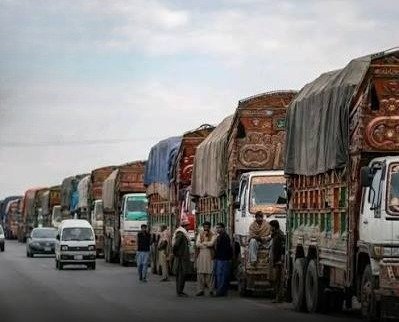
Islamabad – Major manufacturing and export-oriented sectors in Pakistan have strongly disputed the government’s assertions of recovery in large-scale manufacturing (LSM), cautioning that industrial activities are still contracting due to skyrocketing energy costs, sluggish demand, and burdensome taxation.Industry representatives report that over 150 industrial units have shuttered in the past 18 months, with surviving factories running at merely 50% of capacity. The textile industry, Pakistan’s top export earner, is in severe distress. All Pakistan Textile Mills Association (APTMA) Chairman Kamran Arshad revealed that approximately 144-150 textile mills have closed, citing exorbitant gas and electricity rates, elevated interest rates, excessive taxes, and delayed refunds. These closures have slashed production, hampered exports, and led to widespread job losses. Read More: https://theboardroompk.com/nine-day-transporters-strike-cripples-pakistan-industries-billions-lost-daily/ The steel sector faces a similar downturn. Leaders highlight a drastic hike in per-ton taxation—from around Rs10,300 in 2019 to Rs37,000-42,000 in recent years—which has crushed demand, halved consumption, and paradoxically reduced government revenues by nearly 50%. Scrap imports have plummeted, lowering electricity usage and inflating capacity payments to Independent Power Producers (IPPs). Informal producers are flooding the market with low-quality steel, exacerbating issues.In contrast, Bangladesh, with comparable capacity, produces far more steel (6.5 million tons vs Pakistan’s 3.8 million) through supportive policies like lower VAT, higher import protections, reduced corporate taxes, and affordable energy. Pakistani steel experts urge policy alignment to revive the sector, potentially boosting electricity consumption to 7 billion kWh annually and saving Rs60-70 billion in IPP payments.Critics also condemn reduced tariff protections without tackling smuggling, tax evasion, and exemptions in former FATA/PATA regions, risking the collapse of local manufacturing.Agriculture shows weakness too, with cotton output estimated at 6.85 million bales (down 3.3%), rice declining 3.2%, and maize 6.7%. Cement dispatches in November 2025 fell 3.47% year-on-year to 4.14 million tons, despite a 11.54% rise in the first five months of FY2025-26.Without urgent reforms, industry warns of irreversible damage to jobs, revenues, and self-reliance.

KSE-100 Index in Intraday Surges Past 171,000 as Strong Demand Fuel Market Optimism
Breaking News, Pakistan

KSE-100 Index in Intraday Surges Past 171,000 as Strong Demand Fuel Market Optimism

Pakistan’s stock market kicked off the week on a powerful note, with the KSE-100 Index extending its bullish run on December 15, 2025, reflecting renewed investor confidence and improving macroeconomic signals. By mid-session, the benchmark index was trading at 170,960.91 points, up 1,096.39 points, marking a 0.65% gain from the previous close. During intraday trading, the index touched a high of 171,000.37 points, highlighting strong buying interest across multiple sectors. What’s Driving the Market Rally? The current momentum at the Pakistan Stock Exchange (PSX) is being powered by a convergence of positive developments: IMF Loan Approval Boosts Investor Confidence The International Monetary Fund’s approval of a major financial assistance package has significantly improved market sentiment. Investors view the move as a strong vote of confidence in Pakistan’s economic reform agenda and fiscal discipline. Stable Foreign Reserves and External Support Continued backing from traditional international partners, coupled with stable foreign exchange reserves, has helped ease concerns over balance-of-payments pressures. the rally is not limited to a few heavyweight stocks but is supported by wider market confidence. Top Performing Stocks Today Among the leading gainers on the KSE-100 Index were:• Maple Leaf Cement (MLCF): +4.99%• International Steels (ISL): +4.79%• Service Industries (SRVI): +4.46%• Tariq Glass Industries (TGL): +4.25%• Sui Northern Gas Pipelines (SNGP): +3.26% These stocks benefited from strong sector-specific demand and improving earnings expectations. Stocks Under Pressure Despite the overall positive tone, a few names traded in the red:• KAPCO: -3.19%• Lotte Chemical Pakistan: -2.45%• Nishat Mills (NML): -1.21%• Kohinoor Textile Mills (KTML): -1.12%• Dawood Hercules Pakistan (DHPL): -0.75% Analysts attribute the declines to profit-taking and stock-specific factors rather than broader market weakness. Outlook: Can the Rally Continue? With macroeconomic stability improving, IMF backing in place, rising remittances, and solid domestic demand, market participants remain cautiously optimistic about further upside in the KSE-100 Index. If these supportive factors persist, the market may continue testing new highs in the near term.

Pakistan–Tajikistan Unlock $50 Million Meat Export Deal: A New Era of Regional Trade and Food-Security Cooperation
Breaking News, Pakistan

Pakistan–Tajikistan Unlock $50 Million Meat Export Deal: A New Era of Regional Trade and Food-Security Cooperation

In a major boost to regional trade and food-security collaboration, Pakistan and Tajikistan are preparing to sign a landmark agreement that could reshape their bilateral economic relationship. Tajikistan has expressed a strong interest in importing 100,000 tons of meat from Pakistan, a deal valued at over $50 million, marking one of the most significant agricultural trade developments between the two countries in recent years. This breakthrough emerged during a high-level meeting in Islamabad between Federal Minister for National Food Security and Research Rana Tanveer Hussain and Ambassador of Tajikistan to Pakistan Yusuf Sharifzoda. A Strategic Partnership Built on Food Security and Economic Growth: During the meeting, Minister Rana Tanveer warmly welcomed Ambassador Yusuf and reaffirmed Pakistan’s long-term commitment to strengthening agricultural ties in Central Asia. Tajikistan, seeking reliable partners to secure its growing food needs, highlighted a strong interest in expanding agricultural imports from Pakistan, particularly meat and livestock products known for their quality and competitive pricing. The Minister assured full facilitation, emphasizing that Pakistan is ready to supply:• High-quality meat• Livestock products• Agro-commodities• Processed and value-added food items Pakistan’s growing agricultural capacity, combined with Tajikistan’s expanding market, makes this partnership timely and mutually beneficial. Beyond Trade: Culture, Diplomacy, and People-to-People Connectivity: In a gesture that reflects the vibrant relationship between the two nations, Ambassador Yusuf invited the Minister to attend Tajikistan’s Cultural Week beginning on 18 December. Minister Rana Tanveer appreciated the invitation and stressed the importance of deepening cooperation not only in trade but also across cultural, academic, and economic fronts. Agriculture: A Natural Bridge Between Pakistan and Tajikistan: Tajikistan, an agrarian economy known for cotton, wheat, and a wide range of fruits including apricots, apples, cherries, and pomegranates, offers numerous avenues for collaboration with Pakistan. Both sides identified potential partnerships in:• Horticulture• Crop improvement• Pest management• Agricultural research and innovation• Climate-resilient farming The two nations acknowledged that current trade volumes fall far short of potential. For example: • Pakistan produces 1.8 million tons of mangoes annually, but exported only 0.7 metric tons to Tajikistan in 2024.• Pakistan’s rice exports to Tajikistan were only 240 metric tons in 2022 despite being one of the world’s top rice producers. Pakistan’s primary import from Tajikistan remains ginned cotton, pointing to a trade relationship with room to grow. Removing Barriers for a Stronger Future: Both countries agreed to address technical and logistical constraints holding back trade expansion. Discussions focused on: • Establishing pest-free agricultural zones• Strengthening compliance with global food-safety standards• Enhancing laboratory testing and phytosanitary capacity• Improving cross-border logistics• Promoting scientific exchange between research institutions These steps align with the shared goal of building a modern, sustainable, and secure agricultural ecosystem. A Milestone in Pakistan–Tajikistan Relations: The upcoming agreement for large-scale meat exports marks more than a commercial milestone, it reflects a shared vision for robust economic, cultural, and agricultural integration between Pakistan and Central Asia. As the region looks to strengthen food security and foster strategic partnerships, the Pakistan–Tajikistan relationship is emerging as a powerful example of forward-focused cooperation. This deal has the potential to: • Boost Pakistan’s meat export industry• Enhance Tajikistan’s food security• Open doors for broader agricultural trade• Set the foundation for long-term regional collaboration With both governments aligned and momentum building, the next decade could see Pakistan and Tajikistan becoming key partners in the global agri-food landscape.

Indian Tejas Fighter Jet Goes Down Mid-Display at Dubai Air Show
Breaking News, World

Indian Tejas Fighter Jet Goes Down Mid-Display at Dubai Air Show

An Indian Tejas fighter jet made by Hindustan Aeronautics Ltd (HAL) crashed at around 2:10 pm local time during a demonstration flight on the final day of the Dubai Air Show, sources told AFP. Witnesses captured dramatic footage of the aircraft failing to regain control mid-maneuver, plunging toward the ground and erupting into a ball of flames that billowed thick, black smoke as emergency crews rushed in. The Indian Air Force later confirmed via a post on X that the pilot was fatally injured. In its statement, the IAF expressed deep sorrow and announced that a court of inquiry has been launched to investigate what caused the accident. This Tejas jet, which is India’s indigenous light combat aircraft, was developed to reduce dependence on foreign-made fighters. The Mark 1A version, powered by engines from General Electric, is especially important to India’s long-term plan to modernize its air force. In September, India signed a $7 billion deal for 97 upgraded Tejas Mk 1A jets — a major step in replacing older MiG-21s. Earlier in the week, social media was abuzz with allegations that a Tejas jet had leaked oil while parked at the show. The Indian government dismissed those claims, explaining that the fluid was simply condensation being drained — a routine procedure under humid conditions. Experts say it’s too soon to determine what caused the crash, and the UAE’s aviation authorities have not yet commented publicly on whether they’ll lead a local investigation. Meanwhile, General Electric, which manufactures the jet’s engines, said it’s ready to support the inquiry.

Scroll to Top