Breaking News

Karachi Fire Incident: K-Electric Staff Rescue 25 People from Index Palace Blaze
Breaking News

Karachi Fire Incident: K-Electric Staff Rescue 25 People from Index Palace Blaze

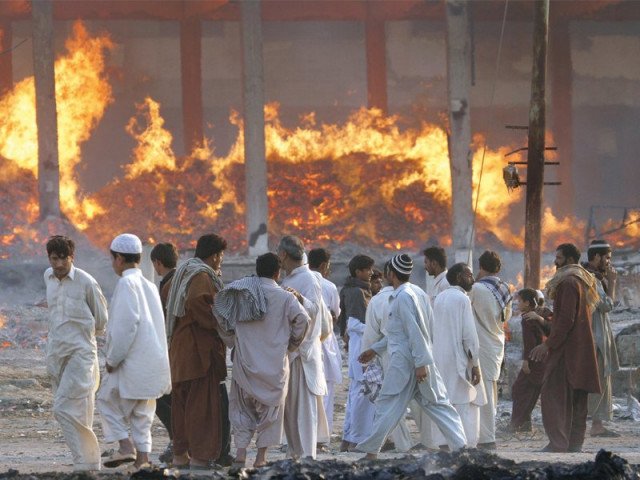
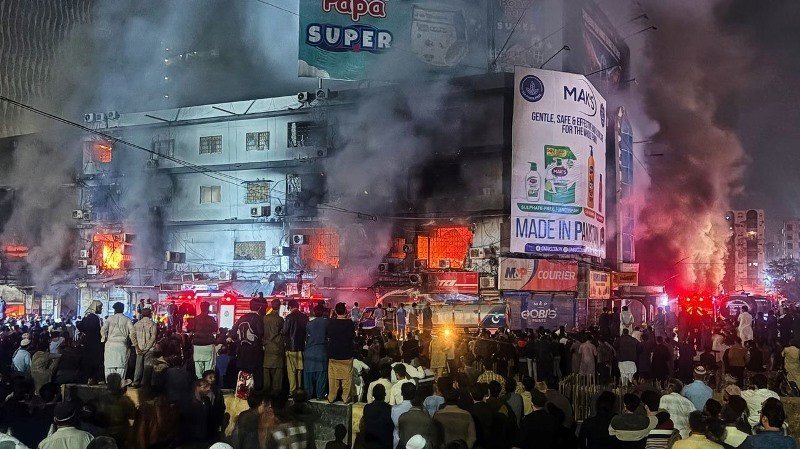
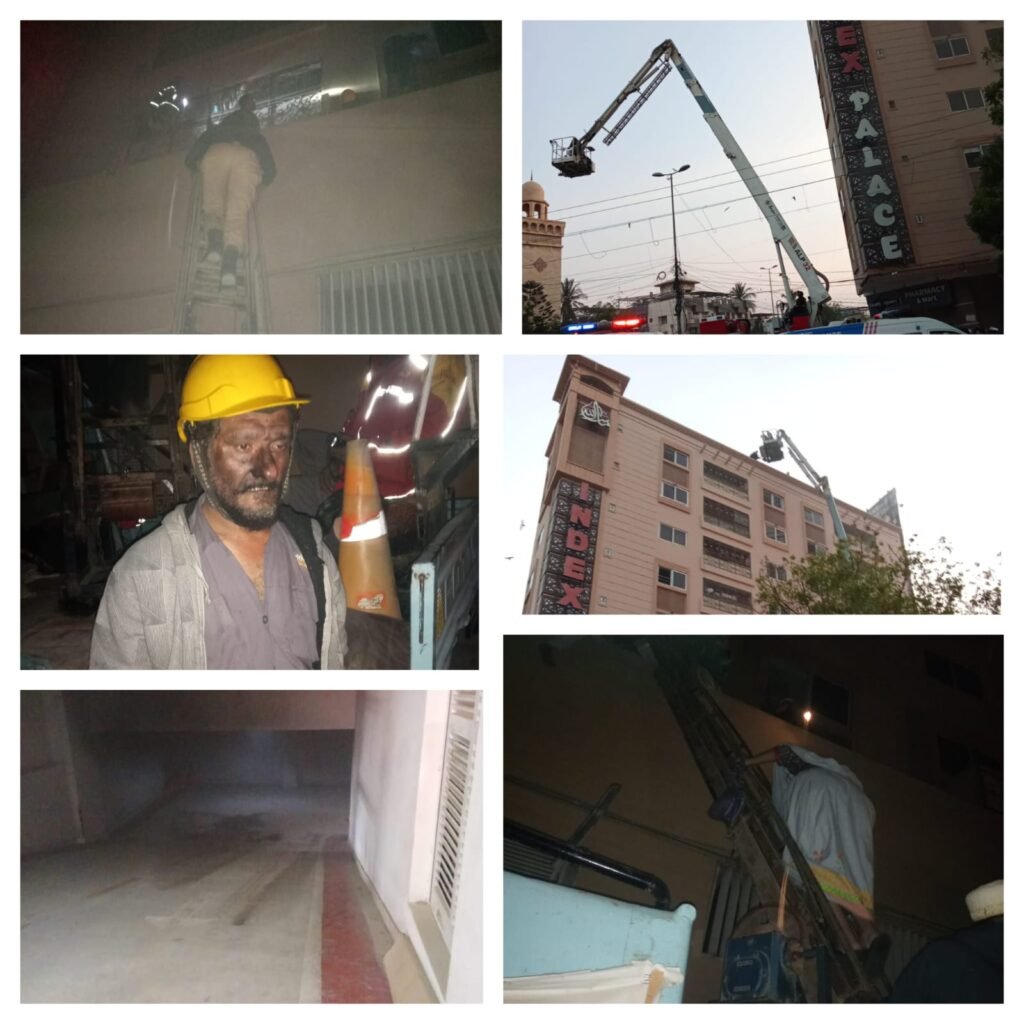
Karachi Fire Incident stories have sadly become frequent headlines in Pakistan’s largest metropolis. But amid rising concern over urban safety, one recent emergency near Tipu Sultan Road turned into a powerful story of courage, quick thinking, and corporate responsibility. When flames engulfed the Index Palace Building, panic spread quickly. Smoke choked staircases, escape routes were blocked, and residents found themselves trapped inside. What happened next has sparked citywide attention. Karachi Fire Incident at Index Palace Sparks Immediate Response As soon as reports of the Karachi Fire Incident reached K-Electric, the utility company initiated emergency safety protocols. In situations like these, electrical hazards can worsen an already dangerous fire. Acting swiftly, K-Electric isolated the feeder supplying electricity to the affected area, eliminating the risk of electrocution or electrical flare-ups. This rapid action stabilized the surrounding infrastructure and created a safer environment for rescue efforts to begin. But what followed went far beyond technical responsibility. How K-Electric Became First Responders During the Karachi Fire Incident While K-Electric’s official role is limited to managing power supply, the unfolding Karachi Fire Incident demanded more than protocol. With emergency rescue services yet to arrive, K-Electric’s on-ground team stepped into a life-saving role. Facing intense heat, smoke-filled corridors, and high-risk conditions, the team deployed its Mounted Truck Ladder (MTL) equipment typically used for maintenance operations. Through calculated maneuvering and calm coordination, at least 25 individuals were safely evacuated from upper floors where flames had blocked staircases. Eyewitnesses described scenes of desperation turning into relief as trapped residents were carefully brought down to safety. The company’s intervention bridged a critical time gap until the fire brigade arrived and took control of firefighting operations. Why This Karachi Fire Incident Raises Bigger Questions The Karachi Fire Incident at Index Palace is not an isolated case. The city has witnessed a worrying surge in fire emergencies across residential and commercial buildings. Experts frequently cite: • Aging infrastructure• Faulty wiring systems• Poor compliance with fire safety codes• Inadequate emergency preparedness This incident once again highlights the urgent need for stricter enforcement of safety regulations and building inspections across Karachi. Corporate Responsibility Beyond Business What makes this Karachi Fire Incident particularly noteworthy is the broader message it sends about corporate citizenship. K-Electric’s response reflects a growing expectation that major corporations in Pakistan must serve as community stakeholders, not just service providers. By going beyond its operational mandate, the utility demonstrated how private sector entities can contribute meaningfully during urban crises. In high-risk urban environments like Karachi, time often determines survival. The early intervention by trained personnel with access to heavy equipment can mean the difference between tragedy and relief. Investigation Underway The exact cause of the fire remains under investigation. Authorities are expected to release findings after completing their assessment. Until then, questions remain about building safety standards and emergency response readiness. However, one fact stands clear: 25 lives were saved during a terrifying Karachi Fire Incident because a team chose action over limitation. A Wake-Up Call for Urban Safety As Karachi continues to expand vertically with high-rise buildings, incidents like this serve as urgent reminders. Fire preparedness, equipment accessibility, and inter-agency coordination must improve if the city hopes to prevent larger catastrophes in the future. For now, amid the smoke and chaos of the Index Palace blaze, there is at least one reassuring takeaway decisive action, even outside defined roles, can save lives. And in a city battling recurring fire emergencies, that commitment matters more than ever.

Suicide Bomber Kills 31, Injures 169 at Islamabad Imambargah During Prayers
Breaking News

Suicide Bomber Kills 31, Injures 169 at Islamabad Imambargah During Prayers

A devastating suicide bombing struck a Shia place of worship in Pakistan’s capital on Friday, claiming at least 31 lives and injuring 169 others. Read More: https://theboardroompk.com/k-electric-ceo-resignation-officially-confirmed-to-stock-market/ The attack targeted the Imambargah Khadijah-tul-Kubra in Islamabad’s Tarlai area during crowded Friday prayers. Eyewitnesses described chaos as the blast ripped through the site, leaving bloodied bodies amid shattered glass and debris both inside and in the garden. Incident Details Police sources confirmed it was a suicide attack. The bomber attempted entry but was stopped at the gate by alert individuals or guards. He then detonated explosives, causing massive casualties among worshippers. The site, on the capital’s outskirts, is usually heavily secured, making the breach shocking. Response and Aftermath Emergency services rushed to the scene, shifting the injured to hospitals like PIMS, Polyclinic, and CDA Hospital, where emergencies were declared. Punjab authorities dispatched 25 ambulances and placed Rawalpindi facilities on high alert with specialist teams ready. The area was sealed for investigation. Leaders expressed outrage. Prime Minister Shehbaz Sharif condemned the act, ordered a thorough probe, and promised exemplary punishment. President Zardari called it a crime against humanity. International voices, including the US, UK, and Iran, denounced the violence and offered support. This incident highlights persistent security challenges in Pakistan despite rarity in Islamabad. No tolerance for such terrorism was reiterated by officials, with calls for unity against extremism.

K Electric
Breaking News

Gulf Investors File $2bn Arbitration Suit Against Pakistan Over KE Dispute

In a significant escalation of tensions in Pakistan’s power sector, Saudi and Kuwaiti investors in K-Electric (KE) have initiated a $2 billion international arbitration case against the Islamic Republic of Pakistan. The claim, filed under the OIC Investment Agreement, accuses the government, particularly the Power Division and the National Electric Power Regulatory Authority (Nepra), of breaching domestic laws and investment protections, rendering their substantial investments in KE commercially unviable. The investors, including Abdul Aziz Hamad A Aljomaih and Combined National Industries Holding Company for Energy KSC, sent the arbitration notice through international law firms to key Pakistani officials, highlighting repeated delays and inaction by the state. Background of KE Privatization and Investments KE was privatized in 2005, marking a turning point for Karachi’s power utility. Since then, the Gulf investors have injected over $4.7 billion into the infrastructure from 2005 to 2025.582396 This funding transformed KE from a loss-making, corruption-plagued entity dependent on federal subsidies into a profitable, professionally managed private company. System losses were drastically reduced, and all profits—100% since privatization—were reinvested rather than distributed as dividends. These efforts reportedly saved the Government of Pakistan (GoP) more than $3 billion in operational efficiencies. However, the investors claim that government failures have now deprived them of the economic value of their holdings. Reasons for Arbitration and Government Inaction The dispute stems from alleged infringements on the investors’ financial rights by the Power Division and Nepra. Prior notices about domestic law breaches were ignored, and a formal Notice of Dispute under the OIC Agreement went unaddressed for three months. This led to the inability to pursue conciliation, forcing the arbitration route. The claimants argue that politically favored actors have benefited from the state’s delays and reversals. Additionally, issues like the misappropriation of proceeds from the sale of shares in Cnergyico have compounded the grievances. The notice was copied to high-level officials, including the Prime Minister and Finance Minister, underscoring the case’s gravity. As Pakistan’s largest foreign private power investment hangs in the balance, this arbitration could strain international relations and investor confidence in the energy sector.

Karachi's Gul Plaza Fire: More then 2 Dozen Bodies from One Shop Push Death Toll Higher
Breaking News

Karachi’s Gul Plaza Fire: More then 2 Dozen Bodies from One Shop Push Death Toll Higher

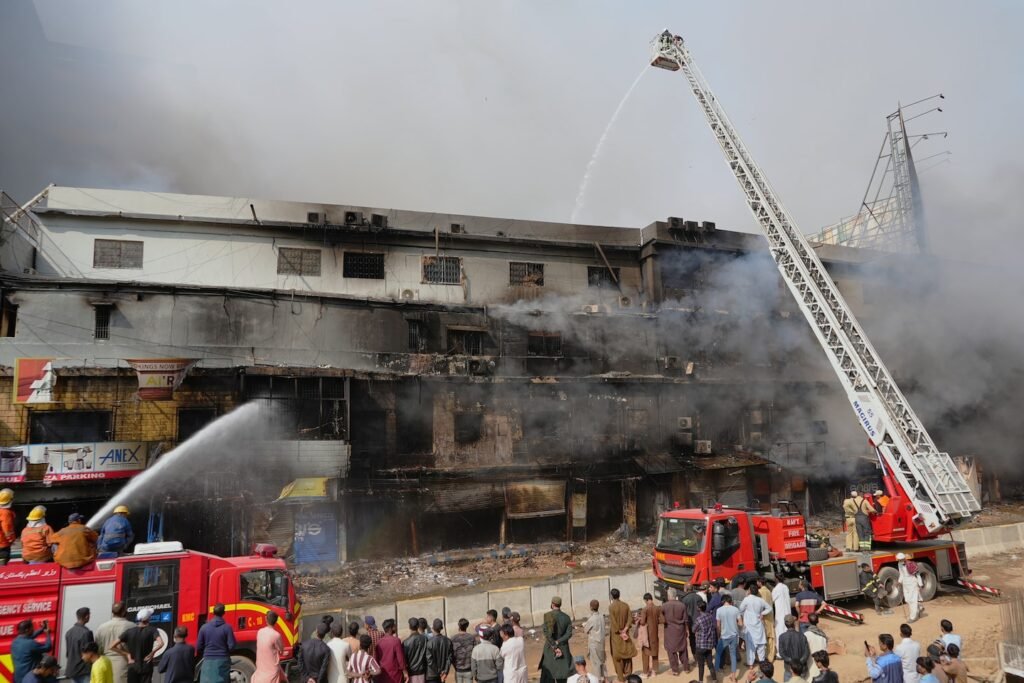
A devastating fire that erupted late Saturday at Gul Plaza, a multi-storey shopping centre on MA Jinnah Road in Karachi’s bustling business district, has claimed numerous lives, with rescue operations revealing grim discoveries. Read More: https://theboardroompk.com/karachis-gul-plaza-inferno-cm-sindh-announces-rs10m-compensation-for-arpxx-rs100b-loss/ The blaze raged for over 24 hours before being brought under control, causing partial collapses in the building that housed around 1,200 shops across a large area. Tragic Discovery in Crockery Shop On Wednesday, rescue teams recovered multiple bodies—estimates ranging from 20 to 30—from a single crockery shop (reported as shop number 144) on the mezzanine floor. DIG South Asad Raza confirmed the find, noting human remains were pulled from the debris. Officials warned the overall death toll, previously reported around 28–30 by sources like Edhi and police, is likely to climb further as searches continue. Ongoing Rescue Challenges Firefighting shifted to cooling operations and debris removal by Sunday, but unstable upper floors, lingering smoke, heat, and structural risks have severely hampered access. Rescue 1122 and other teams persist despite dangers, with concerns that more victims remain trapped. Over 70–80 people were still listed as missing earlier in the week, though some have been traced or accounted for. Impact and Official Response The incident, one of Karachi’s worst fires in over a decade, has highlighted safety lapses in densely packed commercial buildings, including inadequate fire exits and overcrowding. Authorities are conducting DNA identification for many unrecognizable remains, with some bodies identified including minors. No official cause has been confirmed yet, but the rapid spread intensified the tragedy. The search enters its fifth day with no immediate plans to demolish the structure until all missing are accounted for.

Another Blaze Hits Karachi: New Sabzi Mandi Fire Contained After Quick Response
Breaking News

Another Blaze Hits Karachi: New Sabzi Mandi Fire Contained After Quick Response

A fire broke out at Karachi’s New Sabzi Mandi (vegetable wholesale market) on Tuesday, January 20, 2026, engulfing several shops and sheds, and sending thick plumes of smoke visible across the area. The blaze, which reportedly started in one of the vendor sheds or warehouses, caused panic among traders, workers, and nearby residents. Read More: https://theboardroompk.com/safety-isnt-a-burden-its-survival-why-gul-plaza-baldia-remind-us-of-the-real-cost-of-cutting-corners/ This incident comes just days after the devastating Gul Plaza mall fire on MA Jinnah Road, which claimed at least 23 lives, left dozens missing, and caused massive economic damage. Immediate Response and Containment Efforts The Karachi Metropolitan Corporation (KMC) Fire Brigade, along with Rescue 1122 teams, quickly responded to the scene near Super Highway/Sohrab Goth. Multiple fire tenders were deployed, and firefighting operations brought the flames under control relatively swiftly in most reports. Officials confirmed that the fire was contained without spreading to the entire market, though several shops and storage areas were damaged or burnt. Initial accounts described the blaze starting in vegetable vendor sheds, with flames spreading to nearby structures filled with goods. No casualties or injuries have been reported so far, marking a contrast to the Gul Plaza tragedy where delayed response and resource shortages exacerbated the crisis. Traders expressed fears of significant financial losses due to destroyed perishable goods and infrastructure, though exact damage estimates were not immediately available. Context Amid Rising Fire Safety Concerns The New Sabzi Mandi incident highlights ongoing challenges in Karachi’s fire safety infrastructure, especially following the Gul Plaza inferno that exposed deficiencies in fire tenders, water supply, and building compliance. Social media users and local observers noted the rapid arrival of fire brigade units this time, but some early reports claimed delays, with shopkeepers initially attempting to fight the blaze themselves. Authorities are assessing the cause—possibly electrical faults or accidental ignition amid dry, flammable materials common in wholesale markets. This event underscores the need for urgent improvements in fire prevention, equipment, and staffing across high-risk commercial areas in Karachi. Traders and residents have called for stricter enforcement of safety standards to prevent further incidents in densely packed markets.

Karachi's Gul Plaza Inferno: CM Sindh Announces Rs10M Compensation for Arpxx Rs100B loss
Breaking News

Karachi’s Gul Plaza Inferno: CM Sindh Announces Rs10M Compensation for Arpxx Rs100B loss

A devastating fire ripped through Gul Plaza, a bustling multi-storey shopping mall on Karachi’s busy M.A. Jinnah Road, starting late on Saturday night, January 17, 2026, around 10:15 PM. The blaze, believed to have originated from a short circuit, engulfed the building rapidly due to flammable goods and poor ventilation, turning the commercial hub housing over 1,200 shops into a scene of chaos. Read More: https://theboardroompk.com/sindh-cm-approves-pkr-9-28-billion-for-karachi-industrial-infrastructure/ The fire raged for more than 34 hours before being largely brought under control, marking one of the city’s worst fire incidents in over a decade. Rescue operations involved 24 fire engines, multiple bowsers, snorkels, and over 200 firefighters from KMC and Rescue 1122, supported by Rangers and other forces. Thick smoke, collapsing structures, and intense heat severely hampered efforts, with teams continuing to search through smouldering debris. Rising Death Toll and Ongoing Search As of January 19, 2026, the death toll has climbed to at least 23, including a brave firefighter who lost his life in the line of duty. Dozens more — reports varying between 46 and over 60 — remain missing, with authorities fearing the number of fatalities could exceed 50 as recovery continues. Several injuries have also been reported, and many traders and workers have been left unemployed overnight, facing immense financial hardship. Government Response and Compensation Announcement Addressing a press conference with business community representatives, Sindh Chief Minister Murad Ali Shah announced Rs10 million (approximately $36,000) in compensation for the family of each deceased victim, stating there can be no price for a life but emphasizing immediate government support. The loss is estimated around Rs100 billion by the market. He formed an investigation committee led by Karachi Commissioner Syed Hassan Naqvi to probe the cause, with forensic assistance from Lahore. CM Shah vowed to rebuild the plaza, rehabilitate affected shopkeepers through temporary spaces, and immediately implement the 2024 Fire Safety Audit across 145 commercial buildings in Karachi to prevent future tragedies. The incident has sparked calls for accountability and better emergency preparedness in the city.

Karachi's Gul Plaza Inferno: Death Toll Hits 14, Dozens Still Missing After 36-Hour Blaze
Breaking News

Karachi’s Gul Plaza Inferno: Death Toll Hits 14, Dozens Still Missing After 36-Hour Blaze

A catastrophic fire that engulfed the historic Gul Plaza shopping centre on Karachi’s MA Jinnah Road has claimed at least 14 lives, including a dedicated firefighter, while dozens remain missing amid ongoing search and rescue efforts. The blaze erupted late Saturday night around 10:15-10:38 PM on January 17/18, 2026, originating from a ground-floor shop dealing in artificial flowers and plastics. Read More: https://theboardroompk.com/elon-musk-demands-up-to-134-billion-from-openai-microsoft-over-wrongful-gains/ Highly flammable materials and a suspected gas leakage explosion fueled the rapid spread across multiple floors of the pre-Partition era building, which housed around 1,200 shops. After more than 33 hours of intense firefighting involving Rescue 1122, Pakistan Navy tenders, Rangers, and other agencies, the fire was finally brought under control early Monday, though parts of the structure collapsed, complicating recovery operations. Over 20 people sustained injuries, many with severe burns, and traders face billions in losses as livelihoods were devastated. Rescue Challenges and Human Toll Rescuers faced extreme hazards from thick smoke, intense heat, structural instability, and partial collapses that buried victims under debris. Bodies were recovered gradually, pushing the death toll from initial reports of six to 14, with some remains beyond immediate identification. Around 60-65 people were reported missing at peak, with families clinging to desperate final messages and calls from trapped loved ones—including those shopping for weddings or daily needs. A pregnant woman was among those feared trapped. Operations shifted from firefighting to debris clearance and body recovery, with Navy personnel and heavy equipment aiding access. Official Response and Safety Concerns High-level officials, including Prime Minister Shehbaz Sharif, President Asif Ali Zardari, Sindh CM Murad Ali Shah, Governor Kamran Tessori, and Karachi Mayor Murtaza Wahab, expressed condolences and directed immediate medical aid, financial support, and investigations. Traders and residents criticized delayed initial response and inadequate fire safety in older buildings, highlighting absent sprinklers, poor exits, and lax enforcement. Calls grew for urgent audits and stricter regulations to prevent future tragedies in Karachi’s crowded commercial hubs.

Pakistan National Shipping Corporation Fleet Expansion Strengthens Maritime Capacity
Breaking News, Pakistan

Pakistan National Shipping Corporation Fleet Expansion Strengthens Maritime Capacity

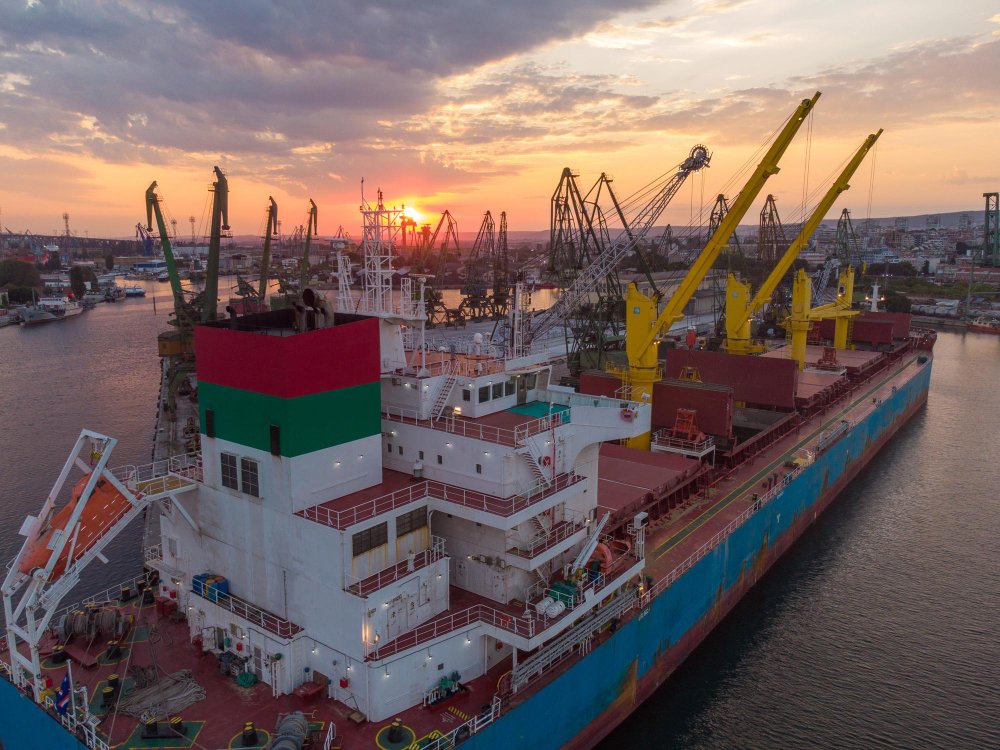
Pakistan National Shipping Corporation fleet expansion has taken a significant step forward with the addition of a modern Aframax oil tanker, M.T Karachi, reinforcing the country’s strategic maritime and energy transportation capabilities. The development was disclosed through an official filing to the Pakistan Stock Exchange (PSX) on Tuesday, signaling PNSC’s continued focus on fleet modernization and long-term growth. Read More: https://theboardroompk.com/pakistan-defence-exports-potentially-hit-13bn-mark/ The newly inducted vessel operates under Karachi Shipping (Private) Limited, a subsidiary structure aligned with PNSC’s expansion strategy. With a deadweight tonnage (DWT) of 109,990 tonnes, the tanker enhances the national carrier’s ability to transport crude oil and petroleum products efficiently across regional and international routes. Pakistan National Shipping Corporation Fleet Expansion: Key Highlights The addition of M.T Karachi marks a notable milestone for Pakistan’s only national flag carrier in the shipping sector. Aframax tankers are widely used in global oil transportation due to their optimal size, fuel efficiency, and ability to access a wide range of ports. In simple terms, the vessel’s capacity allows it to carry nearly 110,000 metric tonnes of cargo, making it suitable for medium-haul crude oil routes and energy supply chains. This acquisition strengthens Pakistan National Shipping Corporation’s operational resilience at a time when global shipping markets remain volatile and energy security is a top national priority. Strategic Importance of PNSC Fleet Expansion Pakistan National Shipping Corporation fleet expansion is closely aligned with Pakistan’s broader economic and energy objectives. By expanding its tanker fleet, PNSC reduces the country’s reliance on foreign-chartered vessels, which often expose importers to fluctuating freight rates and foreign exchange pressures. Industry analysts note that owning and operating modern tankers can significantly lower transportation costs for crude oil imports while improving foreign exchange savings. Additionally, an expanded fleet supports consistent revenue generation for PNSC through long-term charter contracts and spot market opportunities. Pakistan National Shipping Corporation and Energy Security The maritime transport of oil and petroleum products remains a backbone of Pakistan’s energy supply chain. The induction of M.T Karachi enhances PNSC’s role as a strategic national asset capable of supporting uninterrupted fuel imports during global supply disruptions. From a business perspective, the vessel also improves operational flexibility, allowing PNSC to serve both domestic and international clients. This strengthens the corporation’s competitive positioning in the regional shipping market while supporting Pakistan’s trade logistics ecosystem. Outlook for Pakistan National Shipping Corporation Fleet Expansion Looking ahead, Pakistan National Shipping Corporation fleet expansion is expected to remain a key focus area as the company pursues modernization and profitability. Market observers anticipate further additions to the fleet, particularly in energy and bulk cargo segments, to capitalize on rising regional trade and energy demand. The induction of M.T Karachi reflects a clear strategic intent: building a stronger, more self-reliant national shipping fleet capable of supporting economic stability, trade growth, and energy security.

BYD New Energy Vehicle Sales 2025 Set New Global Benchmark
Breaking News, World

BYD New Energy Vehicle Sales 2025 Set New Global Benchmark

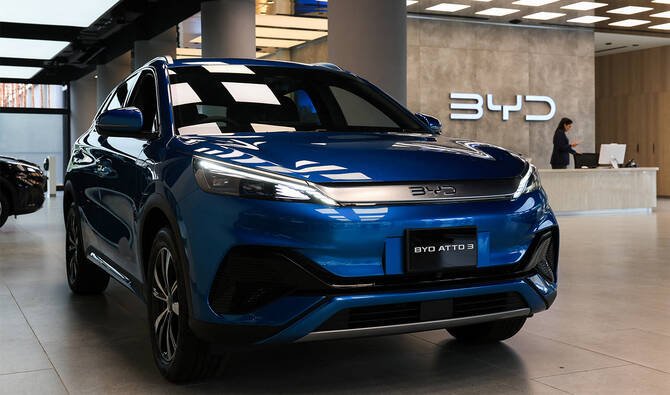
BYD New Energy Vehicle Sales 2025 have once again positioned the company as the world’s leading New Energy Vehicle (NEV) manufacturer, with global sales surpassing 4.6 million units. This achievement allows BYD to retain its No.1 global ranking, underscoring its dominance in the fast-growing electric and hybrid vehicle market. Read More: The milestone reflects BYD’s sustained momentum in a highly competitive automotive landscape, driven by technological innovation, superior product quality, and a strong commitment to customer-centric mobility solutions. BYD New Energy Vehicle Sales 2025 Highlight Global Leadership BYD’s performance in 2025 reinforces its long-standing leadership in the NEV sector. The company has successfully navigated shifting consumer preferences, regulatory transitions, and global sustainability demands by focusing on electric and plug-in hybrid technologies. A defining highlight of BYD New Energy Vehicle Sales 2025 is its international breakthrough. For the first time, BYD’s overseas sales crossed the one-million-unit mark in a single year, demonstrating strong global confidence in the brand. This expansion signals BYD’s transformation from a China-centric manufacturer into a truly global NEV powerhouse, with increasing presence across Asia, Europe, the Middle East, and emerging markets such as Pakistan. BYD Pakistan Growth Reflects Rising NEV Adoption Commenting on the company’s performance, Lei Jian, Country Head of BYD Pakistan, described 2025 as a landmark year. He highlighted that beyond record-breaking global sales, BYD is witnessing exceptional acceptance outside its home market. Since entering Pakistan in 2024, models including the BYD ATTO 3, BYD SEAL, and BYD SHARK 6 have generated strong consumer interest. Pakistani buyers are increasingly embracing advanced electric vehicle technologies that deliver efficiency, performance, and sustainability—aligning with BYD’s long-term vision for new energy mobility. BYD’s Technology Advantage Driving New Energy Vehicle Sales A major factor behind BYD New Energy Vehicle Sales 2025 is the company’s deep technological integration across the entire NEV value chain. Founded in 2003, BYD Auto operates as the automotive arm of BYD, a global high-tech enterprise focused on sustainable innovation. Unlike traditional automakers, BYD has developed in-house expertise in critical components, including batteries, electric motors, and electronic control systems. This vertical integration enables cost efficiency, quality control, and faster innovation cycles. Industry-Leading Innovations Powering BYD New Energy Vehicle Sales 2025 BYD has consistently introduced breakthrough technologies that set industry benchmarks. These include the Blade Battery, known for enhanced safety and longevity, and advanced hybrid systems such as DM-i and DM-p, which balance fuel efficiency with high performance. The company’s e-Platform 3.0, Cell-to-Body (CTB) integration, iTAC intelligent torque control, DiSus Intelligent Body Control System, and XUANJI Architecture collectively enhance vehicle stability, range, and driving intelligence. Notably, BYD became the first global automaker to fully discontinue fossil-fuel vehicle production, reinforcing its commitment to clean energy mobility. China Market Strength Supports Global Expansion In its home market, BYD has remained the top-selling new energy passenger vehicle brand in China for over a decade. This consistent domestic leadership provides the scale, financial strength, and manufacturing expertise that support its global expansion strategy. The strong performance in BYD New Energy Vehicle Sales 2025 confirms that the company’s China-led innovation model translates effectively into international markets. Future Outlook: BYD and Sustainable Mobility Looking ahead, BYD continues to invest heavily in research and development while expanding its international footprint. The company’s strategy focuses on delivering high-performance, technologically advanced NEVs tailored to diverse regional needs. With rising demand for electric mobility and supportive government policies worldwide, BYD New Energy Vehicle Sales 2025 represent not just a record year, but a foundation for long-term global leadership including accelerated growth in Pakistan.

KSE-100 Index Breaks 183,000 Barrier as Pakistan Stock Market Enters Record Territory
Breaking News, Pakistan

KSE-100 Index Breaks 183,000 Barrier as Pakistan Stock Market Enters Record Territory

The KSE-100 Index opened 2026 on a powerful bullish note, crossing the historic 180,000-point milestone for the first time and closing Monday’s trading session at 182,408.23, marking a robust gain of 3,373.30 points or 1.88%. This landmark rally reflects growing investor confidence, strong sectoral participation, and sustained momentum in Pakistan’s equity market. Read More: https://theboardroompk.com/psx-shatters-records-as-kse-100-surges-past-181000-milestone/ KSE-100 Index Hits New Intraday and Closing Records The KSE-100 Index remained positive throughout the trading session, reaching an intraday high of 183,964 points, while the day’s low stayed comfortably in the green near 179,535 points. The index not only breached the psychological 180,000 level but also advanced toward 183,000, reinforcing bullish sentiment across the market. Notably, this session marked the third consecutive trading day of 2026 in which the KSE-100 Index registered an all-time high, signaling strong continuity in the ongoing rally. Trading activity remained healthy, with 633 million shares exchanged in KSE-100 constituents, underlining strong participation from both institutional and retail investors. Market Breadth Favors Bulls Out of the 100 companies included in the KSE-100 Index, a dominant majority closed in positive territory. Approximately three-fourths of index stocks advanced, while only a quarter declined, reflecting broad-based buying interest. Top Gainers on the KSE-100 Index The session’s strongest performers included: • PIBTL, which led gains with over 8% appreciation• FABL, HMB, MEHT, and UBL, each recording gains exceeding 5% Top Losers on the KSE-100 Index On the downside, selling pressure remained limited, with mild declines seen in: • PSEL• DHPL• MUREB• JDWS• RMPL Banks Lead Index Point Contributions From an index-points perspective, large-cap banking and fertilizer stocks played a decisive role in pushing the KSE-100 Index higher. UBL alone contributed over 700 points, followed by strong support from HBL, ENGROH, MCB, and EFERT. Meanwhile, only a handful of stocks exerted downward pressure, with marginal negative contributions coming from PSEL, PPL, SYS, DHPL, and ATRL, which were insufficient to offset broader gains. Sector-Wise Performance Strengthens Rally Sectoral participation remained a key highlight of the session. The Commercial Banks sector emerged as the biggest driver, adding nearly 1,922 points to the KSE-100 Index, supported by renewed interest in blue-chip financial stocks. Other sectors that significantly boosted the index included: • Fertilizer• Investment Banks and Securities Companies• Cement• Automobile Assemblers Only a few sectors weighed slightly on the index, including Miscellaneous, Auto Parts, Sugar, Closed-End Mutual Funds, and Glass & Ceramics, though their impact remained minimal. Broader Market Also Closes Strong The bullish momentum extended beyond the benchmark index. The All-Share Index closed at 108,970 points, posting a gain of 1.47%. Market-wide trading volume surged to 1.38 billion shares, while traded value jumped to Rs78.1 billion, reflecting increased liquidity and investor engagement. A total of over 600,000 trades were recorded across 483 listed companies, with advancers comfortably outnumbering decliners. Among the most actively traded stocks by volume were BOP, PIBTL, KEL, TELE, HASCOL, and WTL, highlighting continued speculative and liquidity-driven interest in select names. KSE-100 Index Performance: FY and Calendar Year Outlook To date, the KSE-100 Index has gained an impressive 56,781 points, representing a 45.2% increase during the ongoing fiscal year. On a calendar-year basis, the index is already up more than 8,350 points or nearly 5%, reinforcing expectations of continued strength if macroeconomic stability and earnings growth persist.

Scroll to Top