Author name: Web Desk

PIA Privatization Deal Nears Completion as Consortium Moves to Acquire Remaining Stake
Business

PIA Privatization Deal Nears Completion as Consortium Moves to Acquire Remaining Stake

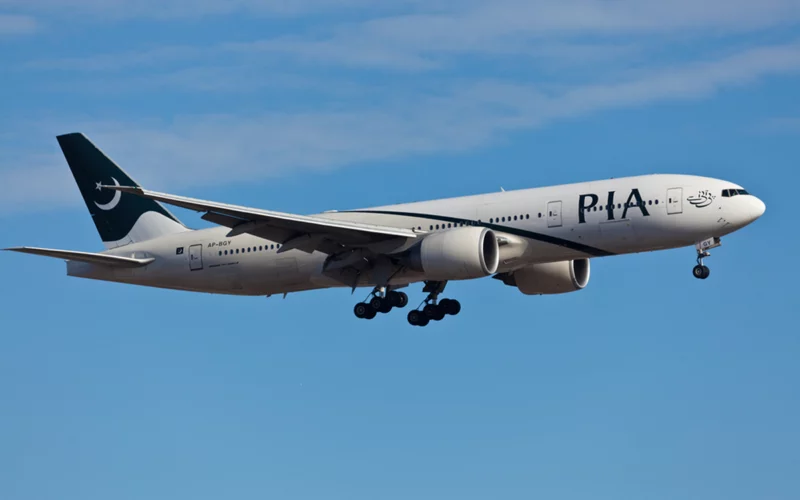
Pakistan’s long-awaited PIA privatization deal has entered its final and most decisive phase, as a consortium led by Arif Habib Corporation Limited moves to acquire the remaining 25% stake in Pakistan International Airlines Corporation Limited, paving the way for full private-sector control of the national airline. According to a material disclosure submitted to the Pakistan Stock Exchange, the consortium has formally notified the Privatization Commission of Pakistan of its intention to exercise its call option under the Share Purchase and Subscription Agreement (SPSA), signed on January 29, 2026. Final Stake Acquisition Moves Forward The development follows the consortium’s earlier acquisition of a 75% controlling stake in PIACL. With the latest move, the group aims to consolidate full ownership of the airline, marking a major shift in Pakistan’s aviation sector. Officials expect the transfer of management control to be completed by May 25, 2026, referred to as the First Closing Date. However, the transaction remains subject to the fulfilment of key regulatory and contractual conditions. The submission of a standby letter of credit alongside the notice signals the consortium’s financial readiness to complete the deal. This step strengthens investor confidence and reflects the seriousness of the bid. Rs180 Billion Transaction Structure The total size of the PIA privatization deal stands at approximately Rs180 billion. Authorities have structured the transaction into two major components to support both government revenue and airline revival. Around Rs55 billion will go directly to the Government of Pakistan as divestment proceeds. Meanwhile, approximately Rs125 billion will be injected into PIACL as fresh equity to fund operational restructuring. This capital injection will support a comprehensive turnaround strategy. Plans include fleet expansion, modernization of aircraft, improved customer service, and enhanced operational systems. Additionally, the airline aims to expand routes and strengthen its market position. Consortium Includes Major Corporate Players The acquiring consortium brings together several leading corporate groups in Pakistan. These include Fatima Fertilizer Company Limited, Fauji Fertilizer Company Limited, AKD Group Holdings, Lake City Holdings, and The City School. All members are working in coordination to meet remaining regulatory requirements before the final closing date. Their combined financial strength and diversified expertise are expected to support the airline’s recovery. From Initial Bid to Full Control The current development builds on momentum from April 2026, when the consortium submitted its bid for the remaining 25% stake. Earlier, the group secured 75% ownership for Rs135 billion, making it one of the largest privatization deals in the country’s history. Based on that valuation, the remaining stake is estimated at around Rs45 billion. This brings the total commitment to approximately Rs180 billion, reinforcing the scale and significance of the transaction. The privatization of PIACL represents a major milestone in Pakistan’s economic reform agenda. It reflects the government’s push to reduce financial burden by transferring loss-making state-owned enterprises to the private sector. Challenges Remain for Airline Revival Despite progress on ownership transfer, industry experts caution that the airline’s turnaround will not be easy. Rising jet fuel prices remain a key concern for the new owners. Fuel costs typically account for 30 to 40% of an airline’s operating expenses. Volatility in global oil markets, combined with domestic pricing pressures, could impact profitability. Moreover, Pakistan’s price-sensitive aviation market limits the ability to pass increased costs onto consumers. This creates additional pressure on margins and underscores the need for efficient restructuring. A Test Case for Privatization Strategy The PIA privatization deal is being closely watched as a benchmark for Pakistan’s broader privatization program. If completed successfully, it will signal renewed investor confidence in large-scale restructuring initiatives. It also represents a critical test of the government’s ability to execute complex transactions involving strategically important assets. Analysts believe that a successful outcome could encourage further investment in other state-owned enterprises. However, the deal still requires final regulatory approvals and government acceptance. Until then, stakeholders remain cautious but optimistic about the outcome.

Pakistan Approves Donkey Meat Exports to China
Business

Pakistan Approves Donkey Meat Exports to China

Donkey meat exports have resumed after authorities fast-tracked approvals in response to mounting pressure from a Chinese-linked company operating in Gwadar. The decision followed warnings of a potential shutdown due to prolonged regulatory delays, highlighting challenges in managing foreign investment projects. Officials confirmed that the approval came after intervention at the highest level, with the matter escalated to the Prime Minister’s Office. The move aims to stabilize operations and prevent disruption in a niche but economically valuable export sector. Gwadar-Based Firm Triggers Urgent Action The issue emerged when Hangeng Trade Company raised concerns over delays in export clearances. The company operates a slaughterhouse in Gwadar under China-linked investment frameworks. Company officials warned that continued bureaucratic hurdles posed a serious operational risk. They stated that despite meeting export requirements, shipments remained stalled for months. In a public notice, the firm cited “non-market factors” and administrative delays as key obstacles. The situation escalated when the company cautioned it might shut down operations in Pakistan. This warning raised concerns about job losses and investor confidence, prompting immediate government attention. Government Fast-Tracks Export Approval Following the escalation, authorities moved quickly to resolve the issue. Government officials said advisers intervened and pushed the case to the Prime Minister’s Office for urgent review. Within days, Pakistan’s federal cabinet approved the export of donkey meat and hides. The Animal Quarantine Department subsequently issued the required permits, allowing shipments to resume. Officials described the move as necessary to maintain investor trust and prevent disruption in trade flows linked to China. A Niche but High-Value Trade Sector Industry estimates indicate that Pakistan exports approximately 216,000 donkeys annually, primarily to China. The trade supports a market valued at around $300 million each year. In China, donkey-derived products are widely used in traditional medicine and cosmetics. These include blood tonics and skincare items, which sustain demand for imports from countries like Pakistan. Despite its relatively low profile, the sector contributes to export earnings and rural economic activity. It also forms part of broader trade ties between Pakistan and China. Company Expresses Concern Over Policy Gaps In a parallel statement, Hangeng Trade Company expressed regret over the disruptions caused by the delays. The company cited “policy execution gaps and institutional uncertainties” as key challenges affecting its operations. It also apologized to employees and warned that it could not guarantee stable employment if such issues persist. The statement reflected growing concerns among foreign investors regarding regulatory consistency in Pakistan. Regulatory Bottlenecks Raise Broader Questions The episode highlights ongoing friction between investment facilitation and bureaucratic processes. In strategic zones like Gwadar, delays in approvals can quickly escalate into larger economic and diplomatic concerns. Experts say the incident underscores the need for streamlined policies and improved coordination among regulatory bodies. Efficient governance remains critical to sustaining foreign investment, especially in projects linked to China. Exports Resume but Concerns Persist For now, Pakistan donkey meat exports to China have resumed, easing immediate pressure on the Gwadar-based firm. However, the controversy has left behind important questions about regulatory efficiency and investment certainty. Analysts believe that while the quick resolution demonstrates responsiveness, long-term reforms are essential to prevent similar situations. As Pakistan seeks to attract more foreign investment, ensuring a predictable business environment will remain a key priority.

CDA and DHA to Jointly Develop Sectors D-13, E-13, and F-13 in Islamabad
Pakistan

CDA and DHA to Jointly Develop Sectors D-13, E-13, and F-13 in Islamabad

In a significant move to address the long-standing housing shortage in the federal capital, the Capital Development Authority (CDA) has officially decided to partner with the Defence Housing Authority (DHA) to develop three new sectors. The joint venture will focus on the development of sectors D-13, E-13, and F-13, which have faced various delays over the past two decades. Read More: https://theboardroompk.com/jubilee-life-insurance-and-kashf-foundation-launch-khushal-mustaqbil-takaful-to-strengthen-womens-financial-resilience/ This strategic collaboration aims to leverage the rapid development capabilities of DHA to transform these stagnant areas into modern residential hubs. Following the successful progress observed in the Margalla Enclave project, the CDA believes that partnering with DHA will provide the necessary momentum to complete infrastructure work that has been pending since 2008. Expediting Land Allotment and Clearance According to a CDA spokesperson, the primary focus is currently on speeding up the land allotment process within these three sectors. This step is crucial to ensure the area is fully cleared of legal and physical encumbrances before physical development begins. Officials are working closely with local stakeholders to resolve any remaining land disputes to provide a clean slate for the construction teams. Formal Agreement and Future Prospects Once the land clearance phase is concluded, a formal agreement between the CDA and DHA will be signed to outline the technical and financial framework of the project. This initiative is part of a broader strategy to modernize Islamabad’s urban landscape. Furthermore, authorities have hinted that similar joint ventures may soon be finalized for other sectors, including G-12 and F-12, indicating a new era of public-private partnerships in the capital’s real estate sector.

Jubilee Life Insurance and Kashf Foundation Launch “Khushal Mustaqbil Takaful” to strengthen Women’s Financial Resilience
Pakistan

Jubilee Life Insurance and Kashf Foundation Launch “Khushal Mustaqbil Takaful” to strengthen Women’s Financial Resilience

Karachi, May 04, 2026 – Jubilee Life Insurance, the country’s largest private sector insurance company, Kashf Foundation and United Nations Development Programme (UNDP) jointly launch the “Khushal Mustaqbil Takaful (KMT),” an innovative micro-savings and protection product designed to strengthen the financial resilience of women from underserved communities. The strategic collaboration was formalized at the Kashf Foundation Head Office in Lahore, with representatives from the UNDP also present to support marking a significant milestone in advancing financial inclusion and gender responsive insurance solutions. Designed specifically for Kashf Foundation’s women borrowers, KMT is a yearly renewable endowment Takaful plan that combines protection with long term savings. Operating under the Shari’ah-compliant Wakalah-Waqf Takaful Model, the product offers a dual benefit: financial protection for families in the event of loss of life, alongside a structured pathway for women to build savings and long term financial security. Speaking at the occasion, Mr. Javed Ahmed, MD and CEO, Jubilee Life Insurance said: “At Jubilee Life, we believe that financial protection must be inclusive and accessible, particularly for women who play a central role in strengthening household resilience. Our collaboration with Kashf Foundation reflects our commitment to empowering women with solutions that not only safeguard their families but also enable them to build a more secure and independent financial future.” “A woman who invests in her future doesn’t just change her own life, she changes her family’s as well.” said Ms. Roshaneh Zafar, Managing Director, Kashf Foundation. “KMT responds to this need by enabling women to build long-term financial security, and our partnership with Jubilee Life Insurance strengthens our ability to deliver that protection to the women who need it most.” A representative from UNDP Pakistan also expressed his views on the development stating: “Expanding access to inclusive insurance solutions is critical to closing Pakistan’s protection gap, particularly for women who remain disproportionately underserved. This collaboration demonstrates how public and private sector partnerships can deliver innovative, client-centric solutions that enhance financial resilience and support communities better withstand economic and climate related shocks.” The initiative builds on Kashf Foundation’s recognition as a winner of UNDP Pakistan’s Insurance Innovation Challenge, supported under UNDP’s Insurance and Risk Finance Facility (IRFF). It represents a scalable model for delivering gender responsive financial protection solutions and advancing inclusive economic growth across Pakistan.

CCP Approves Acquisition of Rafhan Maize Products Company Limited Shares by Nishat Group
Business

CCP Approves Acquisition of Rafhan Maize Products Company Limited Shares by Nishat Group

ISLAMABAD, May 04, 2026: The Competition Commission of Pakistan (CCP) has approved the proposed acquisition of shareholding in Rafhan Maize Products Company Limited by a consortium of acquirers comprising entities of the Nishat Group and associated individuals, following a Phase-I review conducted under Section 11 of the Competition Act, 2010. Read More: https://theboardroompk.com/dib-pakistan-partners-with-beyond-green-solar-solutions-to-launch-shariah-compliant-solar-financing-solutions/ The transaction involves the acquisition of shares of Rafhan Maize Products Company Limited from Ingredion Incorporated (the majority seller) and other individual shareholders. The acquiring entities include Nishat Hotels and Properties Limited, D.G. Khan Cement Company Limited, Nishat Mills Limited, Lalpir Power Limited, Pakgen Power Limited, Nishat Power Limited, Nishat Chunian Power Limited, and associated individuals. The Commission assessed the transaction in terms of its potential impact on competition in the relevant markets. Rafhan Maize Products operates in the upstream market for maize derivative products such as starch, liquid glucose, dextrose, dextrin, and gluten meals, while one of the acquiring entities, Nishat Mills Limited, operates downstream in textile production, where starch is used as an input. The assessment identified a vertical overlap between the upstream and downstream markets. However, the Commission concluded that the transaction is unlikely to result in any substantial lessening of competition. The analysis highlighted that, despite Rafhan’s significant position in the upstream market, the presence of alternative domestic suppliers and the availability of imports would constrain any potential anti-competitive conduct. Additionally, starch constitutes a relatively small proportion of input costs in downstream textile production, further limiting any foreclosure risks.The Commission also noted that Rafhan lacks both the ability and incentive to engage in input foreclosure, given the availability of spare production capacity in the upstream market and competitive pressures from other suppliers. On the downstream side, the acquiring entity does not possess sufficient market power to distort competition. Based on the analysis, the Commission determined that the proposed acquisition does not create or strengthen a dominant position in the relevant market and does not raise competition concerns. Accordingly, the transaction has been authorized under Section 31(1)(d)(i) of the Competition Act, 2010. The approval reflects CCP’s commitment to facilitating investment and business growth while ensuring that market structures remain competitive and fair for all stakeholders.

DIB Pakistan partners with Beyond Green Solar Solutions to launch Shariah-compliant solar financing for wider clean energy access. Move supports green finance and Pakistan’s renewable energy shift. DIB Pakistan Partners with Beyond Green Solar Solutions to Launch Shariah-Compliant Solar Financing Solutions
Business

DIB Pakistan Partners with Beyond Green Solar Solutions to Launch Shariah-Compliant Solar Financing Solutions

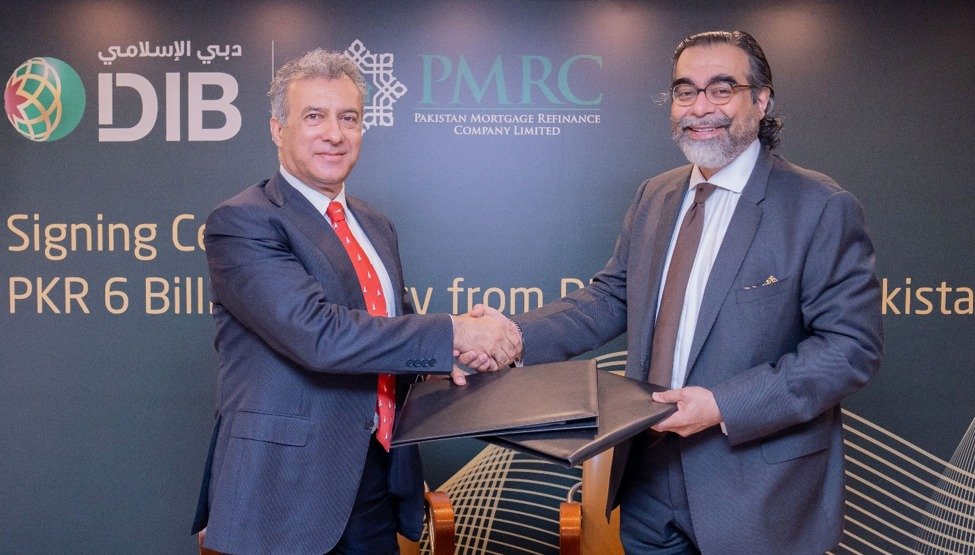
Karachi, May 4: DIB Pakistan (DIB) has entered into a strategic alliance with Beyond Green Solar Solutions to offer innovative, Shariah-compliant solar financing models/solutions to customers across Pakistan. Read More: https://theboardroompk.com/pakistan-to-hand-over-22-iranian-crew-members-in-diplomatic-move/ The partnership was formalized through a signing ceremony held at DIB’s Head Office in Karachi. This collaboration marks a significant step toward enabling broader access to clean and sustainable energy solutions, while reinforcing DIB’s commitment to responsible financing and environmental stewardship. Commenting on the developing need for green finance, Syed Umar Rahman Shah, Head, Retail Asset Products, Autos, Fleet & Institutional Sales, DIB Pakistan stated, “Our partnership with Beyond Green Solar Solutions reflects our continued commitment to delivering innovative, ethical financial solutions that meet the evolving needs of sustainable practices for our customers.” Through this alliance, customers will benefit from accessible financing options for solar energy systems, helping reduce dependence on conventional energy sources, and better manage rising electricity costs. The solution combines DIB’s strong financial expertise and nationwide presence, with Beyond Green Solar Solutions’s technical capabilities, in solar energy options. It is designed to serve a wide range of customer segments, offering flexibility, affordability, and a seamless processing experience.

Pakistan to Hand Over 22 Iranian Crew Members in Diplomatic Move
Pakistan

Pakistan to Hand Over 22 Iranian Crew Members in Diplomatic Move

Iranian crew members transferred to Pakistan became a key diplomatic development on Monday as the Foreign Office confirmed the arrival of 22 Iranian nationals evacuated from a seized vessel by the United States. Officials said the crew will be handed over to Iran as part of a “confidence-building measure” aimed at easing tensions between Washington and Tehran. Foreign Office spokesperson Tahir Andrabi stated that the crew members were flown into Pakistan overnight. He confirmed that authorities would complete their repatriation to Iran later in the day in coordination with both countries. Crew Evacuated After US Seizure of Vessel The development follows last month’s seizure of the Iranian container ship MV Touska by US forces in the Gulf of Oman. According to a spokesperson for United States Central Command, the vessel was intercepted after it attempted to breach a naval blockade. Officials said the crew failed to respond to repeated warnings over a six-hour period. As a result, US forces boarded and seized the ship near Iran’s Chabahar port. The incident triggered a diplomatic response from Tehran, which strongly condemned the action. Iran described the seizure as unlawful and a violation of international law. It demanded the immediate release of the vessel, its crew, and accompanying family members. Pakistan Facilitates Repatriation Process The Foreign Office confirmed that Pakistan is playing a central role in facilitating the return of the crew. Tahir Andrabi said the transfer reflects ongoing diplomatic coordination between the United States and Iran. He added that six family members of the crew had already been relocated to another country in the region prior to this development. Meanwhile, the remaining 22 crew members arrived safely in Pakistan and are set to return home. Andrabi also confirmed that the vessel itself will be returned after necessary repairs. He stated that the ship will be moved into Pakistani territorial waters before being handed back to its original owners. Sanctioned Vessel at Center of Dispute The MV Touska is operated by the Islamic Republic of Iran Shipping Lines, a company that has been under US sanctions. This added complexity to the incident, as Washington has previously targeted Iranian shipping networks over alleged violations. The seizure of the vessel came amid heightened maritime tensions between the two countries. Both sides have accused each other of aggressive actions in international waters. Regional Tensions and Fragile Ceasefire The incident unfolded against the backdrop of ongoing tensions following the recent US-Iran conflict 2026, which began earlier this year. Although both sides declared a ceasefire four weeks ago, the situation remains fragile. Naval confrontations and vessel seizures have continued despite the ceasefire. These incidents highlight the volatility of the region and the challenges in maintaining stability. Pakistan’s Role as Mediator Strengthens Pakistan has emerged as a key diplomatic intermediary between the United States and Iran. Officials have facilitated dialogue aimed at reducing tensions and preventing further escalation. High-level talks between the two countries took place in Islamabad last month. However, a second round of discussions has yet to occur as negotiations face delays. Tahir Andrabi reiterated Pakistan’s commitment to peace efforts. He stated that the country will continue to support dialogue and mediation to promote regional stability. Diplomatic Signal Amid Ongoing Strain The transfer of Iranian crew members transferred to Pakistan signals a rare moment of cooperation between Washington and Tehran. Analysts view the move as a step toward rebuilding trust, even as broader tensions persist. The coordinated repatriation effort reflects cautious diplomacy in a highly sensitive environment. While challenges remain, such measures could help create space for renewed negotiations.

Karachi Traders Demand Relief from Lockdown as Limited Hours Hit Business Activity
Pakistan

Karachi Traders Demand Relief from Lockdown as Limited Hours Hit Business Activity

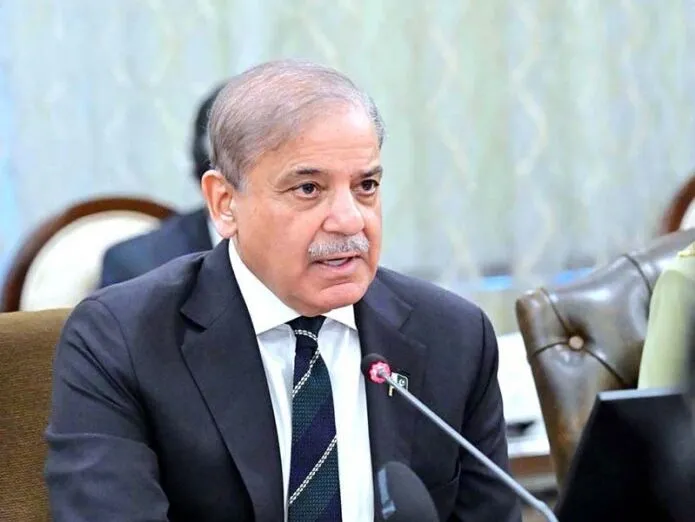
Karachi traders demand relief from lockdown restrictions as limited business hours continue to hurt commercial activity across the city. The President of the Karachi Electronics Dealers Association, Rizwan Irfan, has urged Prime Minister Shehbaz Sharif and Sindh Chief Minister Murad Ali Shah to either lift the restrictions or extend operating hours, especially during the ongoing heatwave. He stated that the current policy, which limits business operations to only four hours, has severely disrupted market dynamics. Traders are struggling to maintain sales, while customers find it difficult to shop during restricted hours. Limited Hours Clash with Consumer Behavior Rizwan Irfan highlighted that customer patterns have shifted due to rising temperatures. Most people now avoid visiting markets during the day. Instead, they prefer shopping after 5 PM when conditions become relatively cooler. However, current restrictions prevent traders from operating during these peak hours. As a result, both businesses and customers face inconvenience. He stressed that extending business hours into the evening would allow traders to recover losses and serve customers more effectively. Market representatives across Karachi supported this demand. They said footfall remains extremely low during daytime due to heat and humidity. Therefore, restricting business hours during this period further reduces economic activity. Economic Pressure Mounts on Small Businesses The business community warned that continued restrictions could lead to serious financial consequences. Small and medium-sized enterprises remain the most affected. Many shop owners struggle to cover operational costs, including rent, electricity, and staff salaries. Traders believe that immediate policy adjustments can prevent further damage. They argued that flexible timing during extreme weather conditions would support both economic stability and public convenience. Heatwave Conditions Intensify the Crisis While traders focus on policy relief, Karachi continues to experience intense heat. Blistering winds swept through the city, pushing temperatures higher. According to the Pakistan Meteorological Department, the Old Airport recorded a maximum temperature of 40.9°C with 52% humidity. These conditions made the heat feel significantly worse. The heat index rose four to five degrees above the actual temperature, making it feel close to 45°C. Different areas reported varying temperatures. Gulistan-e-Johar recorded the highest at 42°C. Jinnah Terminal followed with 41.4°C, while Mauripur and Sharae Faisal recorded 40°C and 39.5°C respectively. Sea Breeze Disruption Drives Extreme Heat Meteorologists explained that the temporary suspension of sea breeze has worsened weather conditions. Normally, sea winds help regulate Karachi’s temperature. However, their absence allowed hot northwesterly winds to dominate. Officials noted that a heatwave requires specific conditions. These include temperatures above 40°C, high humidity levels, and a continuous halt in sea breeze for several days. Although not all criteria are fully met, current conditions remain dangerously close. Relief Expected but Uncertainty Remains Weather experts forecast extremely hot and dry conditions on Monday, with temperatures possibly reaching 41°C. However, they expect some relief by evening as sea breeze may resume. From Tuesday onward, temperatures could drop slightly, ranging between 36°C and 38°C. Despite this, uncertainty remains as weather patterns continue to fluctuate. Call for Immediate Government Action Karachi traders demand relief from lockdown measures as they continue to face declining sales and operational challenges. Rizwan Irfan urged authorities to act swiftly and introduce flexible business hours. He emphasized that aligning business timings with consumer behavior is essential under current conditions. Without timely intervention, traders fear prolonged financial losses.

Karachi Heatwave Conditions Worsen as Temperature Crosses 42°C
Pakistan

Karachi Heatwave Conditions Worsen as Temperature Crosses 42°C

Karachi heatwave conditions intensified on Monday as temperatures surged above 42°C due to the suspension of sea breeze and the dominance of hot, dry northwesterly winds. The port city experienced near heatwave-like conditions, raising serious health concerns among residents and prompting authorities to issue alerts. The Pakistan Meteorological Department (PMD) reported that the city remained under extreme heat stress throughout the day. The absence of cooling sea winds played a critical role in pushing temperatures higher. As a result, Karachi residents faced intense discomfort and increased risk of heat-related illnesses. Sea Breeze Suspension Drives Extreme Heat Weather experts confirmed that the temporary halt of sea breeze significantly worsened Karachi heatwave conditions. Normally, the sea breeze moderates the city’s temperature. However, its absence allowed dry continental winds to dominate the weather system. On Sunday, the weather station at Old Airport recorded a maximum temperature of 40.9°C with 52% humidity. This combination made the heat feel more intense than actual readings. The heat index rose four to five degrees higher, making conditions feel close to 45°C. Different areas across Karachi recorded varying temperatures. Gulistan-e-Johar emerged as the hottest locality at 42°C. Jinnah Terminal followed with 41.4°C, while Mauripur recorded 40°C. Sharae Faisal experienced slightly lower temperatures at 39.5°C. Despite these variations, the entire city remained under severe heat stress. Sindh and Southern Regions Face Severe Heat The Met Office forecast hot and dry weather across most parts of the country. However, southern regions, especially Sindh and parts of Balochistan, faced the most extreme conditions. Meteorologists warned that several districts could continue to experience dangerously high temperatures. In interior Sindh, Jacobabad recorded a scorching 46°C, making it one of the hottest areas in the region. Similarly, cities like Shaheed Benazirabad, Sakrand, and Dadu reported temperatures as high as 46.5°C in recent days. These readings remained significantly above normal seasonal averages. Hyderabad also experienced extreme heat, with temperatures crossing the 45°C mark. The prolonged spell of hot weather increased pressure on public health systems and essential services. Government Issues Alerts and Emergency Measures Sindh Chief Minister Murad Ali Shah issued an alert for provincial authorities in response to worsening Karachi heatwave conditions and rising temperatures across the province. He directed district administrations in Jamshoro, Dadu, Nawabshah, Ghotki, and Sanghar to take immediate action. Authorities began setting up Heatwave Relief Camps to assist affected populations. These camps aim to provide water, shade, and first aid to vulnerable individuals. The chief minister also instructed hospitals to ensure emergency preparedness. Medical facilities must arrange special counters and staff to handle heatstroke cases efficiently. These steps aim to reduce fatalities and improve response time during peak heat hours. Heatwave Criteria and Ongoing Risk Weather officials explained that a formal heatwave requires specific conditions. These include the suspension of sea breeze for three to five consecutive days, temperatures exceeding 40°C, and humidity levels rising above 65%. Although Karachi has not yet met all criteria for a declared heatwave, current conditions remain dangerously close. Experts warned that if sea breeze delays further, the city could officially enter a heatwave phase. Possible Relief Expected Soon Despite the harsh conditions, meteorologists offered slight hope for relief. They predicted that sea breezes may resume by Monday evening, potentially lowering temperatures. From Tuesday onward, temperatures could drop to a range between 36°C and 38°C. However, experts cautioned that relief may remain temporary. Climate patterns indicate that extreme heat spells could return during the ongoing summer season. Public Advised to Take Precautions Authorities urged citizens to take preventive measures seriously. They advised people to avoid direct sunlight during peak hours, especially between noon and 4 PM. Residents should drink plenty of water and wear light clothing. Health experts also warned against ignoring early signs of heatstroke. Symptoms such as dizziness, nausea, and excessive sweating require immediate medical attention. Vulnerable groups, including children, the elderly, and outdoor workers, face higher risks. Karachi heatwave conditions continue to challenge daily life in the city. As temperatures remain high, authorities and residents must stay vigilant. Effective precautionary measures and timely response can help reduce the impact of extreme weather.

GO Pakistan Records All-Time High Sales in a Single Day
Business

GO Pakistan Records All-Time High Sales in a Single Day

Karachi, May 4, 2026: Gas & Oil Pakistan Limited (GO) has announced the highest-ever sales achieved within a 24-hour period across its Company Owned, Company Operated (COCO) stations, marking a significant operational milestone for the company. Read More: https://theboardroompk.com/pakistan-reit-growth-strategy-government-push-to-transform-real-estate-investment-trusts/ This achievement underscores the continued trust of GO’s customers and reflects the commitment and coordinated efforts of its teams across the network to ensure consistent service delivery.Commenting on the development, a GO spokesperson said:“This milestone reflects the confidence our customers place in us and the dedication of our teams on the ground. We remain committed to serving our customers with the same consistency and focus, while ensuring reliability and adherence to the highest operational standards.” GO will continue to prioritize customer service, operational efficiency, and stakeholder engagement as it strengthens its position in the market. GO remains fully compliant with all applicable regulatory guidelines and continues to engage with stakeholders in a transparent and responsible manner. The company is committed to maintaining uninterrupted supply and upholding high standards of operational integrity.

Scroll to Top