Author name: Web Desk

Pakistan’s 5G Rollout: Industry Demands Lower Taxes to Speed Adoption
Pakistan, Tech

Pakistan’s 5G Rollout: Industry Demands Lower Taxes to Speed Adoption

As Pakistan moves closer to launching 5G services, telecom authorities are stressing the need for major tax reductions to ensure the technology can be adopted smoothly and at scale. The Pakistan Telecommunication Authority (PTA) has urged the government to lower duties on telecom equipment and raw materials, warning that the current tax structure could slow down progress. The government has already set an ambitious target to auction the 5G spectrum by February 2026, a timeline aimed at accelerating the country’s shift toward advanced digital connectivity. With nearly 196 million mobile users and 148 million broadband subscribers, Pakistan has a strong base that could benefit significantly from 5G-enabled services. The arrival of 5G is expected to bring major transformations in everyday digital usage. Features such as e-SIMs, NFC-based payments, barcode banking, nano-finance, and even wireless charging are likely to become more common once smartphones with advanced chips and processors enter the market. However, a major challenge remains: less than 5% of mobile phones in Pakistan currently support 5G. Telecom experts emphasize that affordability will play a crucial role in determining how quickly consumers embrace the new technology. If 5G-enabled smartphones remain expensive, adoption will be slow. Local manufacturers are therefore being encouraged to start integrating modern chipsets so the market can be ready when 5G officially arrives. Industry groups highlight another major hurdle: a large portion of the population still uses basic phones. Estimates suggest that around 40% of mobile users rely on feature phones, while nearly 10% do not own a mobile phone at all. Even so, local production remains strong, with around 1.2 million smartphones and 1.5 million feature phones being manufactured each month. To prepare the market, the PTA is calling for significant tax reforms. These include reducing duties on imported components—some of which are taxed at nearly 20%—and lowering levies on telecom infrastructure. According to officials, making smartphones more affordable will increase internet penetration, which in turn will boost economic activity and generate greater revenue for the government in the long run.


Lower Phone Prices Ahead? PTA Favors Tax Reduction on Imports
Pakistan

Lower Phone Prices Ahead? PTA Favors Tax Reduction on Imports

The Pakistan Telecommunication Authority (PTA) has come out in support of reducing taxes on mobile phones brought into the country. This move aims to make smartphones more affordable for everyday users across Pakistan. According to Amer Shahzad, Director-General (Wireless – Licensing) at PTA, the organization itself doesn’t impose these taxes — that responsibility lies with the Federal Board of Revenue (FBR). He also clarified that PTA staff pay the same import taxes as everyone else; there are no free or tax-exempt phones for employees. High import duties have long pushed the cost of smartphones out of reach for many Pakistanis. Lowering these taxes could bring several benefits: reduce the financial burden on students and lower-income families, discourage smuggling, increase legal imports, and ultimately boost mobile usage. More affordable devices mean broader internet access, which in turn supports growth in the telecom industry. While PTA doesn’t set tax rates, its public support for tax relief sends a powerful message. The authority’s stance underscores its commitment to both affordability and transparency. By making mobile devices cheaper and more accessible, Pakistan can foster greater digital inclusion and fuel long-term growth in its technology ecosystem.

India to Launch Dedicated Air Cargo Link with Afghanistan, Bypassing Pakistan Route
World

India to Launch Dedicated Air Cargo Link with Afghanistan, Bypassing Pakistan Route

New Delhi/Kabul: India will soon start regular air cargo flights connecting Delhi, Mumbai and Amritsar with Kabul and Kandahar, a senior Ministry of External Affairs official confirmed on Friday, marking a major step to deepen economic engagement with Taliban-ruled Afghanistan.The decision follows intensive talks with visiting Afghan Acting Minister of Commerce and Industry Haji Nooruddin Azizi, who led a 45-member business delegation to New Delhi this week. Azizi pressed India to accelerate trade and establish dedicated cargo hubs inside Afghanistan, highlighting urgent needs for wheat, rice, life-saving medicines, and industrial raw materials after repeated border closures with Pakistan caused severe shortages.With land routes through Pakistan disrupted by recent military skirmishes, Afghanistan has suffered multimillion-dollar losses in perishable exports and critical imports. The new air corridor will initially operate several weekly freighters, with plans to scale up based on demand. Indian officials described the initiative as “humanitarian and commercial,” emphasizing that engagement remains technical and does not imply political recognition of the Taliban regime.Azizi also renewed requests for smoother customs clearance at Indian ports and faster business visas. Both sides explored joint investments in Afghan mining, agriculture processing, and pharmaceutical sectors. Trade volume, already close to $1 billion annually despite challenges, is projected to grow significantly once air and alternative sea routes via Chabahar Port in Iran are fully operational.

Eli Lilly Becomes First Pharmaceutical Giant to Reach $1 Trillion Valuation
World

Eli Lilly Becomes First Pharmaceutical Giant to Reach $1 Trillion Valuation

Indianapolis/New York: Eli Lilly and Company (LLY.N) achieved a historic milestone on Friday, becoming the world’s first pharmaceutical company to surpass a market capitalization of $1 trillion. Shares closed at a record high, pushing the century-old drugmaker into an elite group previously reserved for technology behemoths such as Apple, Microsoft, and Nvidia. The breakthrough caps a remarkable 2025 for Lilly, with its stock surging more than 35% year-to-date. Investors have rewarded the company for its dominant position in the fast-expanding market for GLP-1 receptor agonists — medications originally developed for diabetes that have revolutionized obesity treatment. Demand for Lilly’s tirzepatide-based products, sold as Mounjaro for diabetes and Zepbound for chronic weight management, continues to outstrip supply despite aggressive manufacturing expansion. Analysts project combined annual sales of the two brands could exceed $30 billion by 2028, with some forecasts reaching $50 billion as indications broaden to include sleep apnea, heart failure, and fatty liver disease. The valuation triumph highlights a broader shift on Wall Street, where healthcare stocks — long viewed as defensive plays — are now trading at premium multiples typically seen in high-growth tech. Lilly now ranks among the ten most valuable companies globally, surpassing established giants like Tesla and Walmart. CEO David Ricks called the milestone “a testament to our innovation engine and the life-changing impact of our medicines,” while pledging continued investment in next-generation obesity and cardiometabolic therapies.

Indian Tejas Fighter Jet Goes Down Mid-Display at Dubai Air Show
Breaking News, World

Indian Tejas Fighter Jet Goes Down Mid-Display at Dubai Air Show

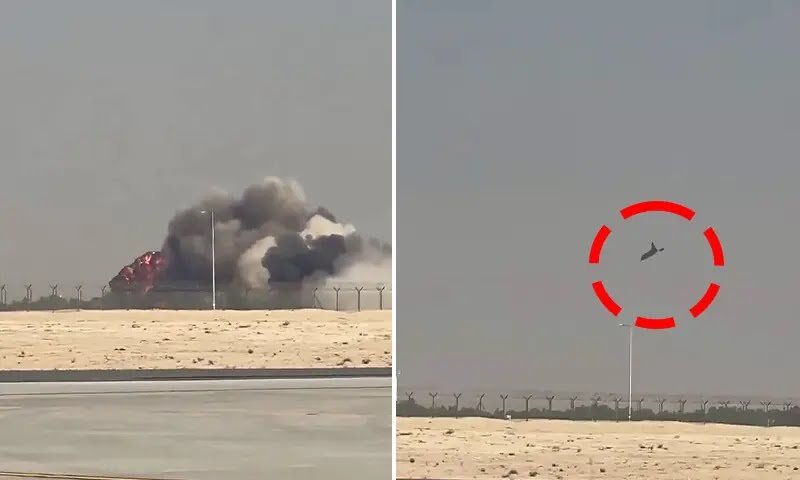
An Indian Tejas fighter jet made by Hindustan Aeronautics Ltd (HAL) crashed at around 2:10 pm local time during a demonstration flight on the final day of the Dubai Air Show, sources told AFP. Witnesses captured dramatic footage of the aircraft failing to regain control mid-maneuver, plunging toward the ground and erupting into a ball of flames that billowed thick, black smoke as emergency crews rushed in. The Indian Air Force later confirmed via a post on X that the pilot was fatally injured. In its statement, the IAF expressed deep sorrow and announced that a court of inquiry has been launched to investigate what caused the accident. This Tejas jet, which is India’s indigenous light combat aircraft, was developed to reduce dependence on foreign-made fighters. The Mark 1A version, powered by engines from General Electric, is especially important to India’s long-term plan to modernize its air force. In September, India signed a $7 billion deal for 97 upgraded Tejas Mk 1A jets — a major step in replacing older MiG-21s. Earlier in the week, social media was abuzz with allegations that a Tejas jet had leaked oil while parked at the show. The Indian government dismissed those claims, explaining that the fluid was simply condensation being drained — a routine procedure under humid conditions. Experts say it’s too soon to determine what caused the crash, and the UAE’s aviation authorities have not yet commented publicly on whether they’ll lead a local investigation. Meanwhile, General Electric, which manufactures the jet’s engines, said it’s ready to support the inquiry.

Zara Staff Across Europe Gear Up for Black Friday Demonstrations Over Scrapped Bonuses
World

Zara Staff Across Europe Gear Up for Black Friday Demonstrations Over Scrapped Bonuses

Madrid/Brussels: Employees of fast-fashion giant Zara are preparing coordinated demonstrations outside flagship stores in seven European nations on November 28, coinciding with Black Friday – one of the retail sector’s busiest shopping days. The action aims to pressure parent company Inditex into restoring a pre-pandemic profit-sharing bonus system for store and warehouse workers.Organized under the banner of Inditex’s European Works Council, the protests are being led by Spain’s prominent CCOO labor union in partnership with counterparts in Belgium, France, Germany, Italy, Luxembourg, and Portugal. Demonstrators plan to gather in high-traffic urban locations, highlighting what they describe as unfair distribution of the company’s substantial earnings amid rising living costs.A key spokesperson for CCOO at Inditex explained that the bonus program, which once rewarded frontline staff based on overall performance, was eliminated in the wake of COVID-19 disruptions. With Inditex now reporting robust post-pandemic recovery and record revenues, unions argue it’s time to reinstate equitable rewards for those driving sales.This isn’t the first time Zara workers have targeted peak shopping periods: similar actions in Spain during the 2022 Black Friday season successfully secured significant pay hikes months later. Inditex, the world’s leading fashion retailer by sales, has yet to issue an official response to the latest demands. Analysts suggest the timing could amplify visibility but risks disrupting consumer experiences during a critical revenue period for the industry.

Taliban Seeks Deeper Trade Ties with India, Bypassing Pakistan via Chabahar Route
World

Taliban Seeks Deeper Trade Ties with India, Bypassing Pakistan via Chabahar Route

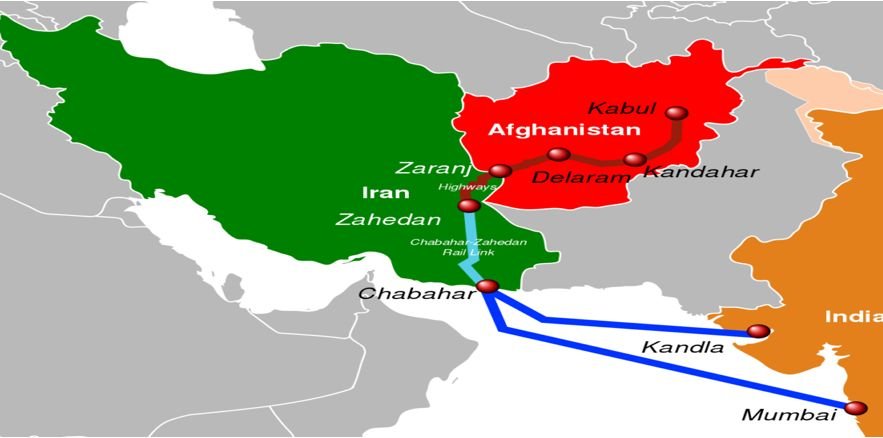
Kabul/New Delhi, November 22, 2025 – In a significant diplomatic push amid strained relations with Pakistan, Afghanistan’s Taliban government has called on India to dramatically expand bilateral trade by establishing cargo hubs on Afghan soil and enhancing logistics through Iran’s Chabahar Port.During high-level talks in New Delhi this week, Acting Minister of Industry and Commerce Al-Haj Nooruddin Azizi urged Indian officials to scale up commercial exchanges and assist in launching scheduled shipping lines from the Indian-operated Chabahar Port. This strategic port in southeastern Iran serves as a vital gateway for landlocked Afghanistan, allowing direct access to global markets without relying on Pakistani routes, which have been disrupted by repeated border clashes and closures.Azizi, leading a large business delegation, proposed developing dry ports in Afghanistan’s southwestern Nimroz province, bordering Iran, to streamline cargo movement. He also requested smoother processing at India’s Nhava Sheva Port near Mumbai and faster visa issuance for Afghan traders. The minister highlighted cooperation in sectors like pharmaceuticals, cold storage, fruit processing, and industrial parks.The overtures come as Kabul redirects trade away from Pakistan following armed confrontations that halted cross-border traffic, causing millions in losses for exporters of perishable goods like fruits. Afghanistan has increasingly turned to Chabahar and Central Asian pathways, with freight volumes surging.India, which has provided extensive humanitarian aid since 2021, announced the imminent launch of dedicated air cargo services between Kabul, Delhi, and Amritsar. Officials described the discussions as reflecting shared commitment to economic cooperation, though New Delhi maintains no formal recognition of the Taliban regime.Experts view this as a geopolitical shift, countering Pakistan’s influence and China’s inroads in Afghanistan, while bolstering regional connectivity. Bilateral trade has neared $1 billion annually, with potential for further growth in mining, agriculture, and energy investments.

Indian Rupee Plunges to All-Time Low Amid Outflows and Trade Deal Stalemate
World

Indian Rupee Plunges to All-Time Low Amid Outflows and Trade Deal Stalemate

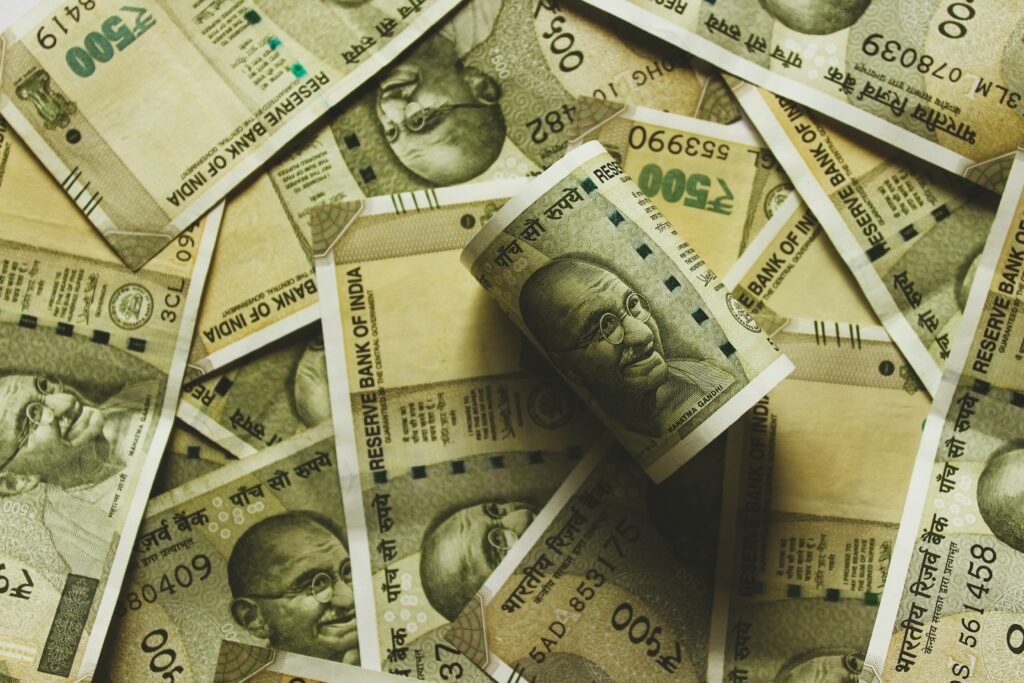
Mumbai: The Indian rupee cratered to a fresh all-time low on Friday, breaching the psychologically significant 89 level against the US dollar for the first time, as relentless foreign portfolio sell-offs, stalled negotiations on a bilateral trade pact with the United States, and a notable retreat by the Reserve Bank of India from aggressively defending a prior threshold fueled the sharp depreciation.Closing at 89.49 per dollar after touching an intraday nadir of 89.52, the currency marked its steepest single-day drop in six months, down 0.9%. This eclipsed the previous record low of 88.80 set earlier in the autumn, extending a bruising three-month slide triggered by escalating US tariffs on Indian goods imposed since late August.Foreign investors have yanked out a staggering $16.5 billion from Indian equities year-to-date, with outflows accelerating amid fears that prolonged trade friction could erode export competitiveness and widen the current account deficit. Uncertainty over a potential US-India deal—seen as critical to easing tariff pressures—has kept markets on edge, while importers rushed to hedge dollar exposures.The RBI, which had staunchly guarded the 88.80 mark through heavy interventions, appeared to ease its grip, allowing market forces greater play. Analysts view this as a strategic shift to preserve reserves amid fading Fed rate-cut hopes and a resilient dollar. A weaker rupee could bolster exports but risks stoking inflation via pricier imports, particularly oil. The currency also hit a record low of 12.60 against the offshore Chinese yuan.

Declining Oil Demand: West Africa-Focussed London Oil Producer's Shares Fall 35%
World

Declining Oil Demand: West Africa-Focussed London Oil Producer’s Shares Fall 35%

The West Africa-focussed oil producer, which is listed in London, Tullow Oil delivered a sobering trading update on November 21, 2025, cautioning investors that full-year production would hit the bottom of its guided range amid relentless field declines in Ghana and stalled payments from the government there. The company, now laser-focused on West Africa after divesting non-core assets in Kenya and Gabon earlier this year, said output for 2025 is expected around the lower end of 40,000-45,000 barrels of oil equivalent per day (boepd). Worse still, preliminary guidance for 2026 points to a further drop to 34,000-42,000 boepd, underscoring the challenges of maturing reservoirs at its flagship Jubilee and TEN fields. Natural decline rates, compounded by technical issues like water cut in wells, have eroded volumes despite resumed drilling activities. Cash flow is under severe strain from over $200 million in outstanding receivables owed by Ghana, including critical gas payments and development debts. Tullow reaffirmed $300 million in free cash flow for 2025 but raised year-end net debt expectations to $1.2 billion. With bonds maturing in May 2026, urgent talks are underway with bondholders and commodity traders for refinancing, alongside contingency plans like debt extensions. CEO Ian Perks emphasized operational efficiencies and cost cuts targeting $50 million in savings over three years. Shares plummeted up to 35% to an all-time low of 5.55 pence, slashing market capitalization below £100 million and highlighting investor fears over potential dilution or restructuring.

27th Constitutional Amendment elevates security safeguards for CPEC projects: Chinese Scholar
World

27th Constitutional Amendment elevates security safeguards for CPEC projects: Chinese Scholar

BEIJING: Pakistan’s 27th Constitutional Amendment, which elevates security safeguards for key cooperative projects to a constitutional level, stands as a landmark measure in protecting Chinese investments—especially those under the China-Pakistan Economic Corridor (CPEC), the flagship project of the Belt and Road Initiative (BRI). This legislative move not only addresses long-standing coordination bottlenecks between Pakistan’s federal and provincial authorities but also reinforces the strategic bedrock of China-Pakistan all-weather strategic cooperative partnership, APP reported. These views were expressed by Prof. Cheng Xizhong, Senior Research Fellow at the Charhar Institute, a non-governmental Chinese think-tank on diplomacy and international studies based in Beijing. He said that the core value of this amendment lies in its systematic optimization of security governance. Prior to its enactment, overlapping command structures among Pakistan’s military, police and provincial security forces often led to bureaucratic delays in responding to security threats. The amendment abolishes these redundant mechanisms and establishes a unified security command system, ensuring swift and coordinated responses. For Chinese investors, this institutional overhaul has delivered immediate and tangible benefits. The Karachi-Lahore Motorway expansion project, once hindered by prolonged security assessment procedures, recently obtained approval within just three months, with construction progressing 30% ahead of the original schedule. Similarly, the Gwadar Port Free Trade Zone, a vital node of CPEC, has accelerated its expansion plan, with three new industrial parks under construction to accommodate Chinese enterprises in logistics and manufacturing, he added. Prof Cheng said that more importantly, the amendment explicitly designates CPEC as a “national top priority,” legally binding all government agencies to prioritize project implementation—greatly consolidating investor confidence. Beyond safeguarding existing projects, the amendment’s essence—linking national stability with cooperative security—sets a pioneering precedent. As Chinese investment in Pakistan expands into emerging sectors like high-tech industrial parks and textile processing zones, this security framework provides a reliable guarantee for new collaborations. It also serves as a valuable model for Belt and Road cooperation globally, proving that targeted institutional innovation can effectively mitigate cross-border investment risks and enhance the sustainability of international cooperation, he added.

Scroll to Top