Author name: Web Desk

Foreign Investment Inter into PSL: Secure Bids for Sialkot and Hyderabad in Historic Auction
Pakistan

Foreign Investment Inter into PSL: Secure Bids for Sialkot and Hyderabad in Historic Auction

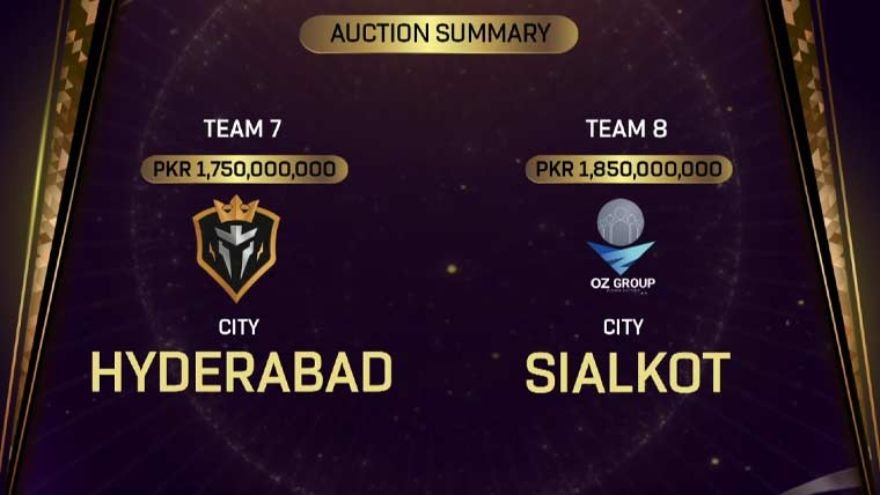
Islamabad, January 9, 2026 – Prime Minister Muhammad Shehbaz Sharif has welcomed the successful auction of two new Pakistan Super League (PSL) franchises, emphasizing that the participation of international firms signals growing confidence in Pakistan’s economy and will promote foreign investment. Transparent Auction Draws Global Interest The auction for the new teams in Sialkot and Hyderabad was conducted transparently, with the entire process broadcast live on television – a first for any cricket league franchise sale. PCB Chairman Mohsin Naqvi, who also serves as Interior Minister, oversaw the event, congratulating the board for attracting bids from both national and international entities. The Prime Minister praised the transparency, stating it reflected the PSL’s rising global popularity. Bidders included prominent companies from the US, Australia, and Pakistan, with five US-based firms participating, highlighting renewed investor trust following recent economic reforms. New Franchises Owned by Diaspora Entrepreneurs The Sialkot franchise was secured by Australia-based OZ Developers, led by Hamza Majeed, for a record Rs1.85 billion per annum. The Hyderabad team went to US-based FKS Group, represented by Fawad Sarwar – a Pakistani entrepreneur who migrated to the US 26 years ago – for Rs1.75 billion. The combined bids generated Rs3.6 billion annually for Pakistan cricket. PM Sharif congratulated the new owners and PCB, noting that overseas Pakistanis are playing a vital role in national development. He described the new teams as a “breath of fresh air” for the league, which now expands to eight franchises. The US Chargé d’Affaires attended the auction, underscoring strengthened bilateral trade ties through such investments.

Pakistan Gemstones Sector Policy Gains Government Approval to Transform Exports
Pakistan

Pakistan Gemstones Sector Policy Gains Government Approval to Transform Exports

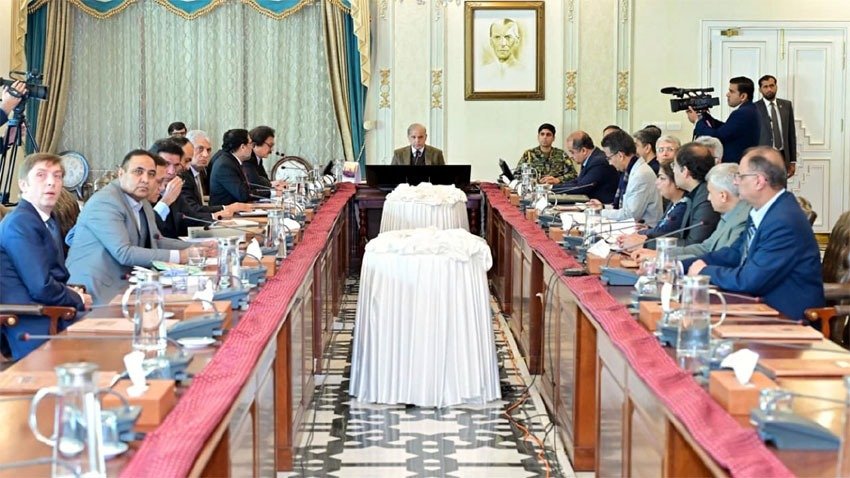
Pakistan Gemstones Sector Policy has taken a major step forward as the federal government granted in-principle approval to a comprehensive National Policy Framework aimed at reforming the country’s gemstone industry and aligning it with international standards. The approval marks a strategic push to unlock Pakistan’s vast yet underutilized gemstone potential and integrate the sector into the national economy. The framework comes with clear directions to implement all assigned actions within the current year, reflecting the government’s urgency to convert natural resource wealth into sustainable economic growth. Pakistan Gemstones Sector Policy and Strategic Vision Chairing a high-level meeting in Islamabad, Prime Minister Muhammad Shehbaz Sharif emphasized that Pakistan possesses significant gemstone reserves but lacks systematic exploration, valuation, and commercialization. He stressed the importance of priority-based geological surveys to accurately identify the location, quality, and commercial value of gemstone resources across the country. The prime minister underlined that the Pakistan Gemstones Sector Policy must be implemented through broad-based consultations involving relevant institutions, provincial governments, and industry stakeholders to ensure inclusive and effective reforms. International Standards and Certification Under Pakistan Gemstones Sector Policy A core pillar of the Pakistan Gemstones Sector Policy is the immediate establishment of international-standard gemstone laboratories and certification systems. These facilities will enable Pakistan to meet global quality benchmarks, improve credibility in international markets, and reduce reliance on foreign certification services. Alongside certification reforms, the government aims to create a conducive environment for foreign investment, positioning Pakistan as a competitive destination for global gemstone traders, processors, and iinvestors. Centers of Excellence to Drive Value Addition Despite having abundant gemstone reserves, Pakistan’s gemstone exports remain negligible. To address this imbalance, the prime minister directed that two model Centers of Excellence for gemstones be established during the current year. These centers will serve as hubs for: • Advanced gemstone processing and cutting• Skill development and technical training• Research and innovation using modern technology The policy also emphasizes encouraging private-sector participation, with a special focus on young entrepreneurs, to inject innovation and competitiveness into the industry. Pakistan Gemstones Sector Policy Targets $1 Billion Exports The Ministry of Industries and Commerce informed the meeting that key structural issues have been identified and priority policy measures finalized. Through phased reforms over the next five years, the Pakistan Gemstones Sector Policy aims to achieve an ambitious $1 billion export target. For the current year, the framework prioritizes: • Integration of the entire gemstone value chain into the national economy• Promotion of value addition through in-country processing instead of raw exports• Adoption of modern mining and processing technologies• Launch of private-sector-led training programs• Introduction of the “Brand Pakistan” initiative to strengthen global recognition Rather than exporting raw stones at minimal value, the policy seeks to retain economic gains within Pakistan by focusing on finished and semi-finished gemstone products. Financial Support for Pakistan Gemstones Sector Policy Implementation To ensure smooth execution, Prime Minister Shehbaz Sharif directed the Ministry of Finance to immediately release available financial resources for the development of the gemstones sector. Timely funding will be critical for infrastructure development, training initiatives, laboratory setup, and policy enforcement. Why Pakistan Gemstones Sector Policy Matters for the Economy The Pakistan Gemstones Sector Policy represents more than just an industrial reform it is a strategic move to diversify exports, attract foreign investment, create skilled jobs, and enhance Pakistan’s global trade profile. If implemented effectively, the policy could transform a historically neglected sector into a high-value export industry aligned with international best practices.

Pakistan's Remittances Hit $3.6 Billion in December 2025, Up 16.5% YoY
Pakistan

Pakistan’s Remittances Hit $3.6 Billion in December 2025, Up 16.5% YoY

Pakistan’s overseas workers sent a robust $3.59 billion in remittances in December 2025, marking a significant 16.5% increase from $3.1 billion in December 2024, according to State Bank of Pakistan (SBP) data released on January 9, 2026. This surge, also up 13% from November’s $3.2 billion, underscores the vital role of diaspora contributions in supporting the nation’s external account amid ongoing economic challenges. Strong Growth from Key Diaspora Countries The inflows were led by Gulf nations and Western countries. Saudi Arabia contributed $813 million, a 6% year-on-year (YoY) rise, while the United Arab Emirates (UAE) sent $726 million, up 15% YoY. The United Kingdom emerged as a fast-growing source with $560 million, reflecting a 28% YoY increase, followed by the United States at $302 million and European Union countries at $499 million, which saw a remarkable 39% YoY growth. These figures highlight the resilience of remittances from traditional host countries, driven by higher wages, seasonal factors, and government incentives promoting formal channels. Half-Year Milestone and Broader Implications For the first half of fiscal year 2025-26 (July-December 2025), total remittances reached $19.7 billion, an 11% increase over the $17.8 billion recorded in the same period last year. This steady growth supports Pakistan’s foreign exchange reserves, stimulates economic activity, and supplements household incomes for millions of remittance-dependent families. The SBP attributes part of this success to initiatives like the Pakistan Remittance Initiative (PRI), which has expanded the network of financial institutions and international partners since 2009. As remittances continue to outpace other external inflows, they remain a cornerstone of economic stability, helping mitigate balance-of-payments pressures and fostering sustainable development.

Pakistan Foreign Exchange Reserves Show Strong Weekly and Annual Growth
Pakistan

Pakistan Foreign Exchange Reserves Show Strong Weekly and Annual Growth

Pakistan foreign exchange reserves continued their upward trajectory in early January 2026, reflecting improving external sector stability and strengthening confidence in the country’s macroeconomic outlook. According to the latest data released by the State Bank of Pakistan (SBP), the country’s liquid foreign reserves recorded notable week-on-week, monthly, and year-on-year gains. During the week ended January 02, 2026, foreign exchange reserves held by the SBP increased by $140.6 million, or 0.88%, reaching $16.06 billion. This rise played a key role in lifting the country’s total liquid foreign reserves to $21.19 billion, up by $180.2 million or 0.86% compared to the previous week. SBP Foreign Exchange Reserves Drive Weekly Growth The primary contributor to the latest increase in Pakistan foreign exchange reserves was the central bank. SBP-held reserves rose from $15.91 billion to $16.06 billion within a week, reflecting improved inflows and better external account management. At the same time, net foreign reserves held by commercial banks also showed positive momentum. Commercial banks’ reserves increased by $39.6 million, or 0.78%, reaching $5.14 billion, supporting overall liquidity in the foreign exchange market. In explanatory terms, this means that nearly 78% of Pakistan’s total reserves are now held by the SBP, strengthening the central bank’s ability to manage currency volatility and meet external payment obligations. Pakistan Foreign Exchange Reserves Surge in FY2026 Looking at the broader fiscal picture, Pakistan foreign exchange reserves have posted a remarkable recovery during the current fiscal year. Since the start of FY2026, SBP-held reserves have increased by $6.99 billion, representing a substantial 77.13% growth. This sharp improvement underscores a combination of factors, including controlled imports, improved current account dynamics, external financing inflows, and better monetary and fiscal coordination. From a calendar-year perspective, reserves have already increased by $140.6 million in the opening days of 2026, setting a positive tone for the year ahead. Monthly Data Highlights Continued Reserve Stability Monthly figures released by the SBP further reinforce the improving trend in Pakistan foreign exchange reserves. In November 2025, SBP-held reserves rose by $85.9 million, reaching $14.59 billion, compared to $14.50 billion in October 2025. On a year-on-year basis, the improvement is even more pronounced. SBP reserves increased by $2.55 billion, or 21.19%, compared to November 2024, highlighting sustained external sector recovery. Commercial banks, however, showed a mixed trend on a monthly basis. Net foreign reserves held by banks declined by $122.8 million in November 2025, falling to $4.55 billion from $4.67 billion in October. Despite this monthly dip, banks’ reserves remain $457.7 million higher than last year, reflecting an 11.19% annual increase. Total Liquid Foreign Reserves: Year-on-Year Strength By the end of November 2025, Pakistan’s total liquid foreign exchange reserves stood at $19.14 billion, marginally lower than the previous month but significantly stronger on an annual basis. Compared to $16.13 billion in November 2024, total reserves increased by $3.01 billion, or 18.66%, demonstrating a clear improvement in Pakistan’s external buffers. From a fiscal trend perspective, reserves have rebounded sharply from $15.60 billion in January 2025. Over the following ten months, Pakistan added $3.54 billion, marking a 22.71% recovery, a development closely watched by investors, rating agencies, and multilateral lenders. Why Rising Pakistan Foreign Exchange Reserves Matter Sustained growth in Pakistan foreign exchange reserves strengthens currency stability, supports import financing, improves debt repayment capacity, and enhances investor confidence. A stronger reserve position also gives the SBP greater flexibility in managing exchange rate volatility and navigating external shocks.

Sindh Government Green‑Lights Massive Karachi Transformation Plan to Modernize City Infrastructure
Pakistan

Sindh’s Bold Move: Karachi’s Roads, Traffic, and Urban Landscape Set for Major Upgrade

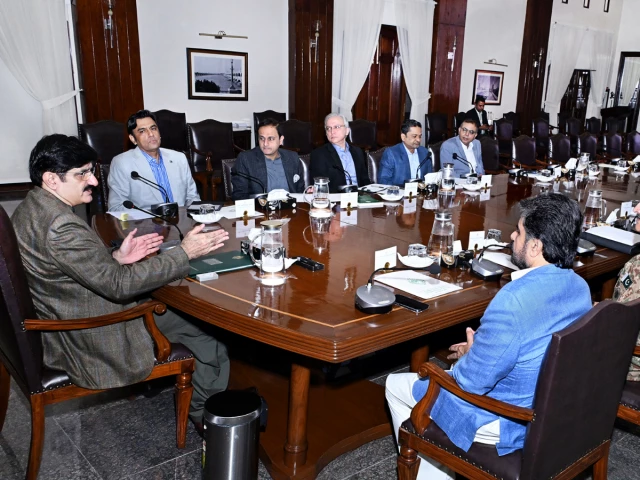
The Sindh Chief Minister, Syed Murad Ali Shah, has approved a multi-billion-rupee Karachi Transformation Plan, marking a major push to overhaul the infrastructure, mobility, and urban landscape of Pakistan’s largest city. This ambitious initiative was finalized during a high-level meeting at the Chief Minister’s House, where top provincial officials, including the Local Government Minister, Chief Secretary, Karachi’s Mayor, and the Frontier Works Organisation delegation, gathered to chart the city’s development trajectory. Read More: https://theboardroompk.com/pakistans-first-ferry-terminal-ushers-in-a-new-era-for-maritime-tourism-and-the-blue-economy/ Under the plan, the Sindh government has allocated a one-time grant of Rs84.796 billion for 523 development schemes across Karachi, with an additional Rs26.282 billion approved under the Federal Public Sector Development Programme for related projects. The partnership with the FWO aims to ensure that these projects are delivered with quality, speed, transparency, and in line with world-class standards. Six priority infrastructure projects, costing approximately Rs10.72 billion, have been identified for immediate execution to tackle chronic traffic congestion and improve connectivity. These include the rehabilitation of major roads linking vital city corridors, construction of new underpasses and flyovers to smooth traffic flow, and upgrades to key routes such as Shahrah-e-Faisal and Sohrab Goth, one of Karachi’s busiest gateways. The transformed schemes span road repairs, traffic management improvements, beautification of important thoroughfares, park developments, and enhancements to civic infrastructure. Local authorities such as the Karachi Metropolitan Corporation, Karachi Development Authority, and other city departments will play central roles in implementation. Officials say the comprehensive plan is designed not only to improve daily commute and connectivity but also to elevate Karachi’s urban environment to match global cities, promoting sustainable growth and improved quality of life for its residents.

KSE-100 Index Ends Lower After Volatile Trading Session
Pakistan

KSE-100 Index Ends Lower After Volatile Trading Session

The KSE-100 Index closed Thursday’s trading session on a weaker note, reflecting heightened volatility and sector-specific pressure despite strong participation from investors. The benchmark index settled at 185,543.01 points, marking a decline of 975.70 points or 0.52% compared to the previous close. The session highlighted a tug-of-war between profit-taking in heavyweight sectors and selective buying in insurance, pharmaceuticals, and electrical goods, keeping overall market sentiment mixed. KSE-100 Index Intraday Performance Shows Sharp Swings The KSE-100 Index experienced a wide intraday range of 2,705.80 points, underlining increased uncertainty and active trading throughout the day. The index touched an intraday high of 187,905.16 points, gaining over 1,386 points, before sliding to a low of 185,199.36 points, down more than 1,319 points. Trading activity remained robust, with 576.35 million shares exchanged in KSE-100 constituents, indicating continued investor engagement despite the correction. Market Breadth: Decliners Outnumber Gainers Out of the 100 companies listed on the KSE-100 Index, • 46 stocks closed higher,• 53 stocks ended lower, and• 1 stock remained unchanged. This skew toward declining stocks reflects broad-based selling pressure, particularly in large-cap sectors. Top Losers and Gainers in the KSE-100 Index Major Losers The index came under pressure mainly due to losses in heavyweight stocks. Engro Holdings, United Bank, and Meezan Bank were among the biggest drags. Notable losers included: • Engro Holdings (ENGROH)• YOUW• Meezan Bank (MEBL)• Pakistan Telecommunication Company (PTC)• The Searle Company (SEARL) Top Gainers On the positive side, strong buying interest lifted select stocks, particularly in insurance and consumer-related sectors. Leading gainers were: • AICL, which surged by the daily cap• Shifa International Hospitals• Pak Elektron (PAEL)• Haleon Pakistan• Thal Limited These stocks provided partial support to the KSE-100 Index, preventing a steeper decline. Index Point Contribution: Who Dragged and Who Supported The KSE-100 Index decline was largely driven by Engro Holdings, which alone shaved over 315 points off the index. Other notable negative contributors included UBL, MEBL, Systems Limited, and PPL. Conversely, AICL, National Bank of Pakistan, PAEL, Fauji Fertilizer Company, and Mari Petroleum added valuable points, cushioning the overall downside. Sector-Wise Performance of the KSE-100 Index Sectors Dragging the Market The KSE-100 Index was primarily weighed down by: • Commercial Banks, which collectively erased more than 559 points• Investment Banks and Securities Companies• Technology & Communication• Cement• Oil & Gas Marketing Companies Sectors Providing Support Meanwhile, gains were recorded in: • Insurance• Cable & Electrical Goods• Automobile Parts & Accessories• Pharmaceuticals• Refinery These sectors attracted selective buying amid broader market caution. Broader Market Snapshot In the wider market, the All-Share Index closed at 110,883.94 points, posting a modest decline of 234.71 points or 0.21%. Market activity remained strong as total volume rose to 1.43 billion shares, while traded value increased to Rs91.34 billion. A total of 643,944 trades were recorded across 481 companies, with more stocks declining than advancing, signaling cautious sentiment beyond the benchmark index. High-Volume Stocks Capture Investor Interest Investor attention remained focused on low-priced and momentum-driven stocks. AGHA, PAEL, HASCOLNC, and Bank Makramah dominated volumes, reflecting speculative interest and short-term trading opportunities. KSE-100 Index Performance: Bigger Picture Despite the day’s decline, the KSE-100 Index continues to show impressive long-term momentum. During the current fiscal year, the index has surged by 59,916 points, representing a gain of 47.69%. On a calendar-year basis, it has added 11,489 points or 6.60%, underscoring sustained investor confidence in Pakistan’s equity market.

Volvo Recalls 413,000+ US Vehicles for Faulty Rearview Cameras
Tech

Volvo Recalls 413,000+ US Vehicles for Faulty Rearview Cameras

Software Glitch Causes Intermittent Blank Screens Volvo Cars is recalling over 413,000 vehicles in the United States due to a software issue that can cause the rearview camera image to fail intermittently, displaying a blank screen instead of the required rear view. This malfunction violates federal motor vehicle safety standards mandating functional rear visibility systems to prevent backover accidents and enhance driver awareness. Affected Models and Free Repair Process The recall impacts certain 2025-2026 XC90 and S90 models equipped with the problematic infotainment software. No crashes or injuries have been reported related to this defect. Volvo will notify owners via mail starting in late February 2026, directing them to authorized dealers for a free over-the-air (OTA) software update or in-person installation if needed. The remedy addresses the root cause by ensuring consistent camera functionality. Owners can contact Volvo customer service at 1-800-458-1552 (recall number R10248) or check the NHTSA website for VIN-specific details. This action underscores Volvo’s commitment to safety compliance amid growing reliance on digital rearview systems in modern vehicles, particularly luxury SUVs and sedans like the refreshed 2026 XC90.

Pakistan and Bangladesh Deepen Defence Ties with Potential JF-17 Deal
Pakistan

Pakistan and Bangladesh Deepen Defence Ties with Potential JF-17 Deal

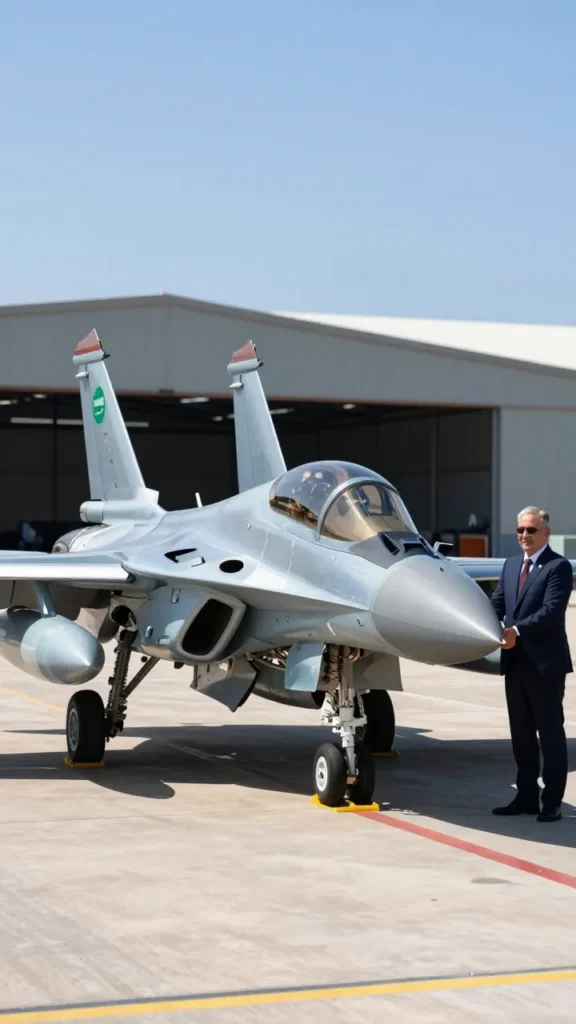
The air force chiefs of Pakistan and Bangladesh met in Islamabad to explore a defence pact that includes the sale of JF-17 Thunder fighter jets to Dhaka. Pakistan’s Air Chief Marshal Zaheer Ahmed Baber Sidhu hosted Bangladesh’s Hasan Mahmood Khan, underscoring “strong historical ties” and a “shared resolve to deepen defence cooperation and build a long-term strategic partnership,” according to Pakistan’s military statement. Discussions also covered fast-tracked delivery of Super Mushshak trainer aircraft with comprehensive training and support. Shift in Regional Dynamics Boosts Cooperation Relations have warmed significantly since August 2024 protests ousted Sheikh Hasina, straining Bangladesh-India ties while bringing Islamabad and Dhaka closer. Direct trade has resumed post-1971 war, and military engagements have increased. Under interim leader Muhammad Yunus, Bangladesh heads to elections on February 12, 2026. Pakistan aims to leverage JF-17 successes—jointly developed with China and exported to Azerbaijan and Libya—to expand arms sales. Defence Minister Khawaja Asif highlighted booming orders, claiming the industry could reduce IMF dependency within months. This potential deal marks Pakistan’s push to capitalize on its combat-proven weapons amid evolving South Asian geopolitics.

India Moves to Lift Restrictions on Chinese Firms in Government Tenders
Uncategorized

India Moves to Lift Restrictions on Chinese Firms in Government Tenders

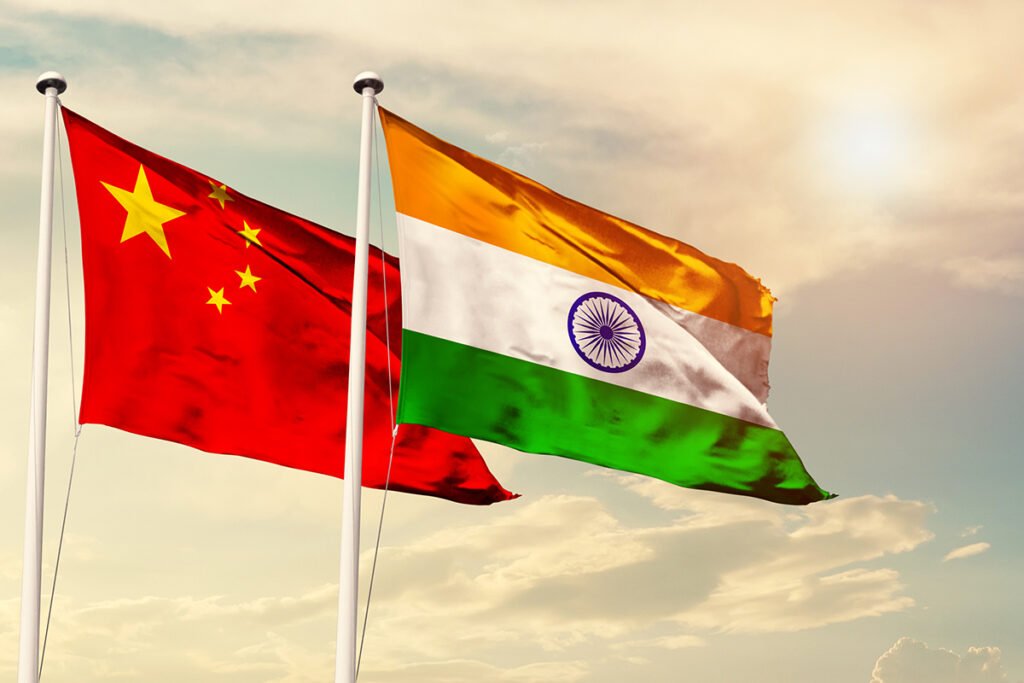
India’s finance ministry is planning to scrap restrictions imposed in 2020 that effectively barred Chinese companies from bidding on lucrative government contracts worth an estimated $700-750 billion. The curbs, introduced after a deadly border clash between Indian and Chinese troops, required bidders from bordering nations to register with a government committee and secure political and security clearances—a process that often led to disqualifications. Practical Pressures and Policy Recommendations Drive Change Multiple government ministries have sought exemptions, citing shortages, project delays, and hindrances to sectoral goals, such as expanding thermal power capacity to 307 GW over the next decade due to restricted imports of Chinese equipment. A high-level committee led by former cabinet secretary Rajiv Gauba recommended easing the rules. Sources indicate the final decision rests with Prime Minister Narendra Modi’s office. This shift follows eased diplomatic tensions, Modi’s visit to China last year, and agreements to deepen commercial ties—partly influenced by external factors like U.S. tariffs on Indian goods. However, restrictions on Chinese foreign direct investment remain intact, signaling a cautious approach. The move could revive competition in infrastructure and manufacturing tenders, reversing trends like a 27% drop in awards to Chinese bidders in 2021.

TikTok Search Surges in Pakistan with 66% Jump in Fitness Queries
Pakistan

TikTok Search Surges in Pakistan with 66% Jump in Fitness Queries

TikTok’s Search feature has become a powerful discovery tool, where millions increasingly come to the platform to explore new ideas, learn practical skills, find inspiration, and engage with content that reflects their culture, language, and everyday lives. People are now turning to TikTok as a video-first search engine, especially when they want answers explained visually and quickly. They come to the platform to search for short videos that show, explain, and contextualise information in real time — from how to prepare for an exam or plan a trip, to understanding breaking news or learning a new skill. This shift reflects a broader preference for authentic, creator-led video explanations that feel relatable, practical, and easier to understand. In Pakistan, TikTok has evolved far beyond just an entertainment platform. With TikTok’s Search feature, it has become a dynamic, visual discovery experience built around curiosity and real-life utility. In the past year, the region saw significant increases in searches related to education, culture, food, travel, beauty, lifestyle, news explainers, and every day “how-to” moments, demonstrating how people now turn to TikTok to learn, understand, and connect. Insights reveal that the TikTok community in Pakistan is searching for answers to real-world questions at an unprecedented rate. Searches for several popular content hashtags rose in Pakistan over the past year, pointing to growing use of the platform as a discovery tool. Searches linked to #TravelTok increased by 53%, while #FoodTok rose by 52%. #StudyTok searches were up 60%, and #FitnessTok recorded the largest jump, growing 66% year-on-year. The figures suggest Pakistani users are increasingly turning to TikTok to find content aligned with their interests and curiosity. “Our community in Pakistan is using TikTok’s Search feature as a natural starting point when they want to discover how something works, understand a topic quickly, or find inspiration from real people,” said Umais Naveed, Content Operations Lead, South Asia at TikTok. “What makes TikTok unique is the authenticity of its community. The content feels human, practical, and rooted in real experiences, making Search a place where people come not just to find information, but to connect with perspectives they trust.” Supporting discovery with safety: TikTok’s search interventions As TikTok Search continues to grow, the platform has strengthened its commitment to ensuring users can explore the product safely and responsibly. TikTok’s Search Interventions are proactive in-app experiences that appear when users search for sensitive or high-risk topics, guiding them toward credible, supportive, and authoritative resources. Depending on the query, interventions may include: • Mental health support, including local helplines and well-being resources• Guidance during crises, such as natural disasters or rapidly evolving emergencies• Prompts around misinformation, encouraging verification from reliable sources• Awareness information on sensitive issues such as harassment, violence, or public safety In Pakistan, TikTok has partnered with local organizations such as Umang Pakistan, enabling direct access to culturally and linguistically relevant support during vulnerable moments. Additional interventions have been deployed around elections, disaster response, and conflict-related topics to help users receive responsible, contextually accurate information. “Our approach to Search is built around safety-by-design,” said Asma Anjum, Regional Trust & Safety Lead, South Asia at TikTok. “Search Interventions ensure that when someone looks for help or encounters a sensitive topic, they are met with guidance grounded in well-being, accuracy, and social responsibility.” The future of search in South Asia The rising use of TikTok as a discovery destination mirrors a broader regional shift: people want information delivered visually, simply, and authentically. Whether exploring new interests, preparing for exams, seeking travel inspiration, following cricket conversations, or learning practical life skills, TikTok has become a place where users feel connected to relatable creators who speak their language and reflect their communities. As TikTok continues to invest in product innovation, safety infrastructure, and local partnerships across South Asia, Search will remain a core part of how people discover content, broaden their knowledge, and find meaningful connections on the platform.

Scroll to Top