Author name: Web Desk

Pakistan Unveils Sultan Super Basmati: World's Longest Grain in National Basmati Spectrum
Pakistan

Pakistan Unveils Sultan Super Basmati: World’s Longest Grain in National Basmati Spectrum

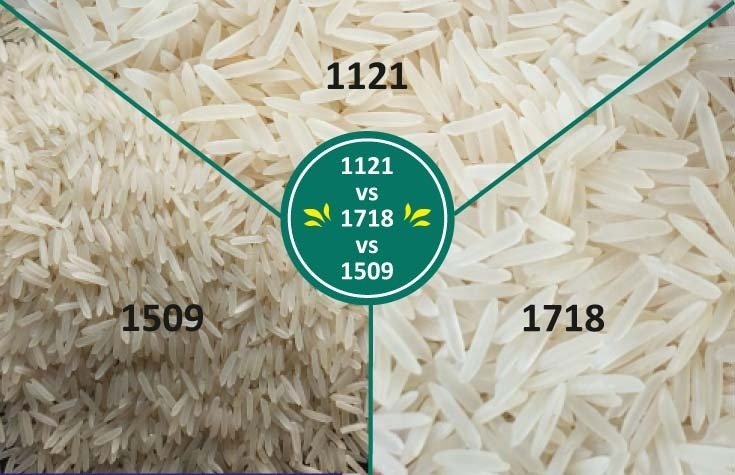
Pakistani agricultural scientists have achieved a significant milestone in rice breeding with the development of Sultan Super Basmati, a new variety boasting an unprecedented raw grain length of 9.66mm—the longest in Pakistan’s rice history. Announced on January 3, 2026, by the Rice Research Institute (RRI) in Kala Shah Kaku, the variety also elongates to up to 20mm when cooked, combining superior aroma, excellent cooking quality, and high yield potential. This innovation builds on Pakistan’s renowned Basmati legacy and promises to strengthen the country’s position in global premium rice markets. Record-Breaking Grain Length and Superior Quality Dr. Usman Saleem, Senior Scientist at RRI, highlighted that Sultan Super Basmati surpasses previous records, including the 9.5mm of Sona Super Basmati (developed in 2023) and the 8.26mm of Kainat Basmati. The grains cook evenly with outstanding elongation, retaining the characteristic strong Basmati fragrance. Though slightly late-sown, it matures in line with common Basmati types, making it farmer-friendly. Read More: https://theboardroompk.com/pakistan-fertilizer-sector-urea-sales-set-a-historic-record/ Boost for Yields, Exports, and Farmer Prosperity With a yield potential of up to 77 maunds per acre—far exceeding the 45-maund average of existing varieties—the new rice addresses productivity challenges while maintaining export-grade quality. Taufiq Ahmad Khan, former senior vice chairman of the Rice Exporters Association of Pakistan (REAP), emphasized the global demand for extra-long grains, urging rapid farmer adoption to build exportable surplus. The RRI, with a century-long history, continues breeding efforts on three more advanced Basmati lines.

Iran's Foreign Trade Tops $85 Billion in First Nine Months Despite Value Decline
World

Iran’s Foreign Trade Tops $85 Billion in First Nine Months Despite Value Decline

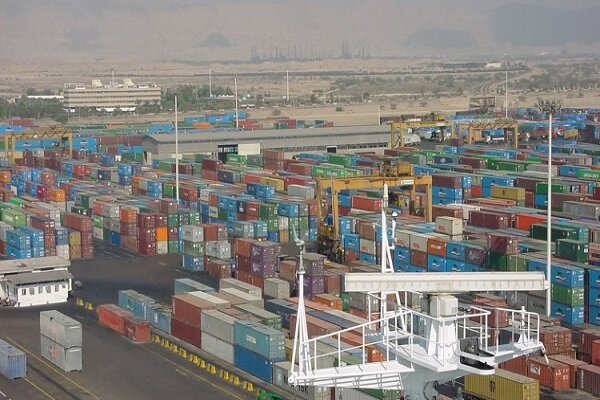
Iran’s total foreign trade reached $85.394 billion during the first nine months of the Iranian calendar year 1404 (March 21–December 22, 2025), according to data released by the Islamic Republic of Iran Customs Administration (IRICA). While the value marked a 10.92% decrease compared to the same period last year, trade volume rose by 1.36% to 148.226 million tons. The figures reflect ongoing economic resilience amid persistent international pressures, with exports and imports showing divergent trends in volume and value Read More: https://theboardroompk.com/trump-netanyahu-to-discuss-gaza-ceasefire-progress-next-phase/ Export Performance Holds Steady in Volume Exports totaled 118.901 million tons valued at $41.243 billion, registering a modest 1% increase in weight but a 5.78% drop in value year-on-year. The higher volume suggests sustained demand for Iranian goods abroad, particularly in key categories like petrochemicals, minerals, and agricultural products, despite lower average prices possibly influenced by global market dynamics and sanctions-related constraints. Iran continues to prioritize export diversification to neighboring countries and major partners in Asia.Imports Decline Sharply in Value Amid Strategic Controls Imports amounted to 29.325 million tons worth $44.151 billion, with a 2.75% rise in volume offset by a significant 15.23% decrease in value. This reduction in import costs likely stems from tightened foreign exchange management, focus on essential goods, and efforts to curb non-priority purchases. The overall trade balance remained sli

Port Qasim to Construct Two Modern Mooring Boats
Pakistan

Port Qasim to Construct Two Modern Mooring Boats

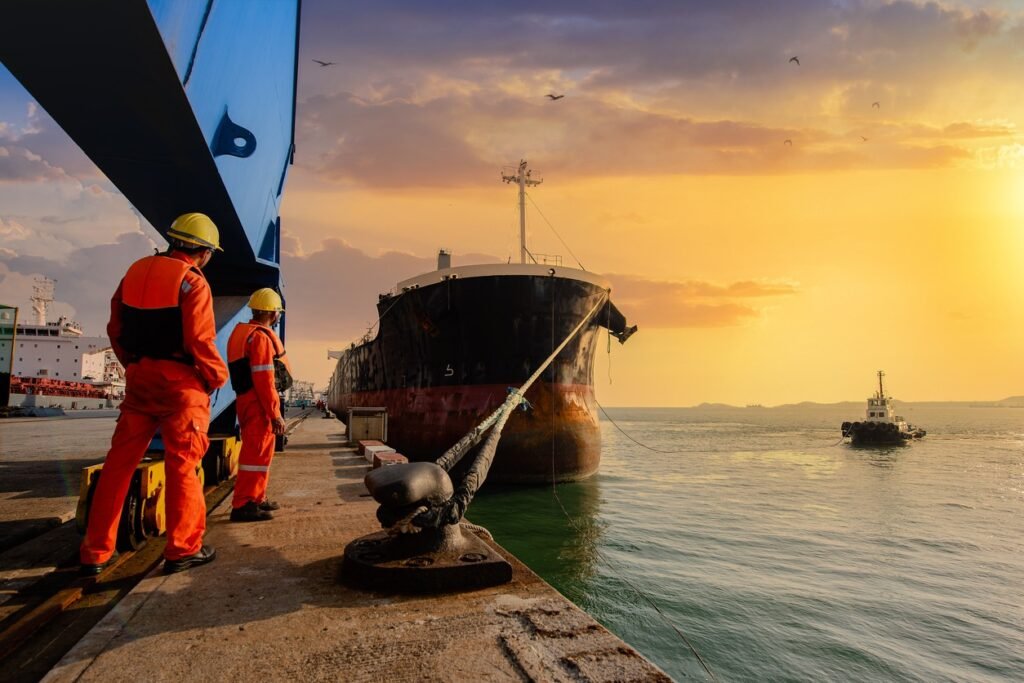
The Port Qasim Authority (PQA) is pleased to announce a long-awaited milestone with the signing of a Supply/Construction Contract for two (02) Mooring Boats with Karachi Shipyard & Engineering Works on 01 January 2026. This achievement is not only a testament to PQA’s continued efforts toward modernizing port infrastructure, but also a strong reflection of its commitment to excellence, ensuring that all foreign-going vessels are safely moored and un-moored at PQA Harbour. The contract further demonstrates PQA’s active pursuit of the Government’s directive to promote reliance on the indigenous shipbuilding industry. Read More: https://theboardroompk.com/irans-foreign-trade-tops-85-billion-in-first-nine-months-despite-value-decline/ This project represents the dedication and hard work of the PQA team and underscores the Authority’s sustained investment in the future of Pakistan’s maritime industry and national economy. As PQA continues to expand through the development of new berths and the deepening of existing channels, these mooring boats will form an essential component of port operations. They will enable PQA to effectively manage the growing volume of maritime traffic while maintaining the highest standards of safety and operational efficiency. The Port Qasim Authority (PQA) is pleased to announce a long-awaited milestone with the signing of a Supply/Construction Contract for two (02) Mooring Boats with Karachi Shipyard & Engineering Works on 01 January 2026. This achievement is not only a testament to PQA’s continued efforts toward modernizing port infrastructure, but also a strong reflection of its commitment to excellence, ensuring that all foreign-going vessels are safely moored and un-moored at PQA Harbour. The contract further demonstrates PQA’s active pursuit of the Government’s directive to promote reliance on the indigenous shipbuilding industry.This project represents the dedication and hard work of the PQA team and underscores the Authority’s sustained investment in the future of Pakistan’s maritime industry and national economy. As PQA continues to expand through the development of new berths and the deepening of existing channels, these mooring boats will form an essential component of port operations. They will enable PQA to effectively manage the growing volume of maritime traffic while maintaining the highest standards of safety and operational efficiency.

Tesla Sales Plunge Down 66-71% in France and Sweden
World

Tesla Sales Plunge Down 66-71% in France and Sweden

Tesla faced stark contrasts in European markets at the close of 2025, with registrations plummeting sharply in France and Sweden while surging to a record high in Norway during December. According to official data released on January 2, 2026, Tesla registrations fell 66% year-on-year in France to 1,942 vehicles and 71% in Sweden to 821 vehicles. This contributed to full-year declines of 37% in France and 70% in Sweden. In contrast, Norway saw an 89% jump to 5,679 vehicles, helping Tesla achieve a new annual sales record with over 19% market share in the EV-dominant country. Broader European trends showed Tesla’s market share dropping to 1.7% (up to November) from 2.4% in 2024, even as overall battery-electric vehicle sales rose to 18.8% of the market. Declines Amid Rising Competition The sharp drops in France and Sweden reflect ongoing challenges for Tesla, including intensified competition from Chinese EV makers, an aging product lineup, and consumer backlash linked to CEO Elon Musk’s political statements. Despite the introduction of more affordable Model Y and Model 3 variants, demand has not rebounded significantly in these key markets. Norway’s EV Leadership Boosts Tesla Norway, where nearly 96% of new car sales were electric in 2025, continues to favor Tesla strongly, underscoring the benefits of supportive policies and infrastructure in the world’s most advanced EV market.

Speed Breeding, NARC Islamabad, Smart Glasshouse
Pakistan

Pakistan Launches Advanced Speed Breeding Facilities to Boost Crop Security

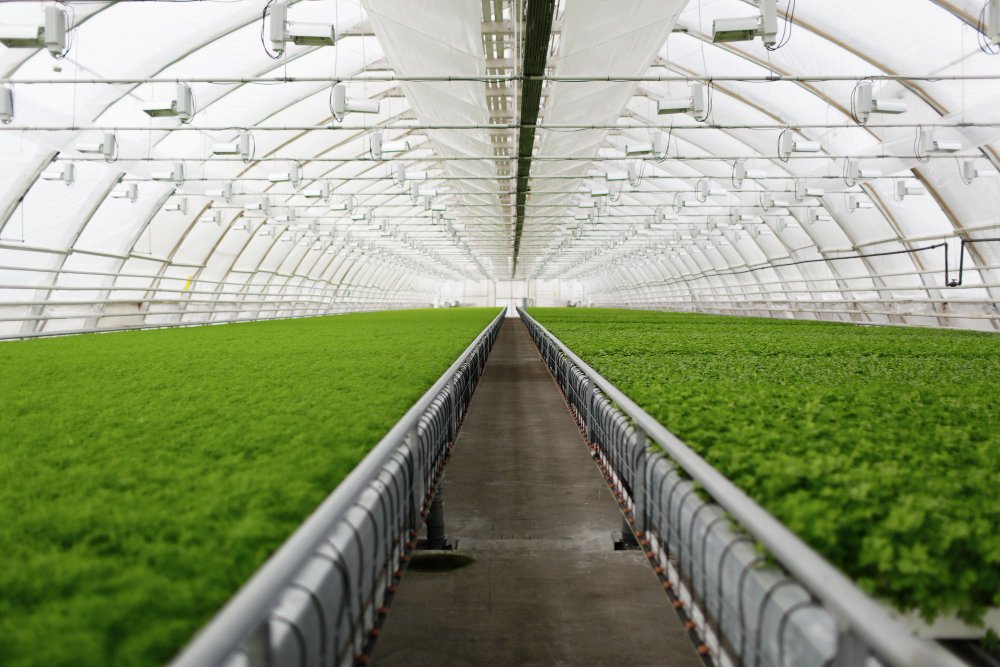
Federal Minister for National Food Security and Research Rana Tanveer Hussain inaugurated groundbreaking Speed Breeding facilities for wheat and pulses, along with Pakistan’s first Intelligent IoT-Based Smart Glasshouse at the National Agricultural Research Centre (NARC) in Islamabad. This milestone event, hailed as the beginning of a new era in agricultural research, aims to revolutionize crop improvement through accelerated breeding techniques and smart technologies. The facilities, funded under PSDP projects, will significantly shorten breeding cycles, enhance genetic gains, and bolster food and nutritional security amid climate challenges. Chairman PARC Dr. Syed Murtaza Hassan Andrabi played a pivotal role in conceptualizing and operationalizing these initiatives. Speed Breeding Revolution for Key Crops The wheat facility at the Crop Sciences Institute enables 5-6 generations per year by using extended photoperiods (up to 22 hours), LED lighting, and precise environmental controls—reducing the typical 14-year varietal development timeline by half. Over 3,000 new wheat lines are already in yield trials, while the pulses facility (first of its kind) targets chickpea, lentil, mung bean, and mash, achieving 4-6 generations annually to address low productivity and climate vulnerabilities. Read More: https://theboardroompk.com/pakistan-railways-reclaims-3509-sq-ft-in-rawalpindi-anti-encroachment-drive/ Smart Glasshouse: Precision Meets Innovation Spanning 2,640 square feet at NIGAB, the IoT-based smart glasshouse features fully automated sensors, AI-driven controls, and real-time data analytics for genome-assisted breeding, stress biology, and phenotyping. It supports heat stress screening, generation advancement, aquaponics, and gene-edited plant acclimatization—positioning NARC as a hub for climate-smart, resource-efficient agriculture

Pakistan Railways Reclaims 3,509 Sq Ft in Rawalpindi Anti-Encroachment Drive
Pakistan

Pakistan Railways Reclaims 3,509 Sq Ft in Rawalpindi Anti-Encroachment Drive

Pakistan Railways has successfully reclaimed 3,509 square feet of valuable railway land in its Rawalpindi Division through a targeted anti-encroachment drive launched at the start of the new year. The operation, valued at several million rupees, involved the demolition of 11 illegally constructed commercial shops — some fully and others partially — to clear illegal occupations by land grabbers. Conducted on the explicit directives of Federal Minister for Railways Muhammad Hanif Abbasi, the effort marks the beginning of an intensified nationwide campaign to safeguard national assets. The joint operation was executed in collaboration with the Railway Police and supervised by senior officials, including the Divisional Engineer-I, Deputy Director (Land), and Superintendent of Railway Police, ensuring full transparency Read More: https://theboardroompk.com/pakistan-railways-freight-sector-generates-rs17-billion-in-first-half-of-fy2025-26/ Operation Details and Humanitarian Balance While the focus was on removing commercial encroachments, certain residential and commercial portions were spared on humanitarian grounds, reflecting a balanced approach. The drive aligns with a renewed push that began on January 1, 2026, to eliminate illegal structures across the railway network and protect vital infrastructure. Commitment to Ongoing Action Pakistan Railways has reaffirmed its zero-tolerance policy toward encroachments, vowing to continue decisive measures nationwide. This latest retrieval underscores the ministry’s priority to recover and preserve land essential for railway development, operations, and future expansion in the Rawalpindi region.

Pakistan regards Taiwan as inalienable part of China: FO
Pakistan

Pakistan regards Taiwan as inalienable part of China: FO

Pakistan’s Foreign Office firmly reiterated its unwavering commitment to the One-China principle, describing Taiwan as an inalienable part of China. The statement came in response to media queries regarding ongoing developments in the Taiwan Strait. Foreign Office Spokesperson Tahir Andrabi emphasized the deep-rooted bilateral ties, calling Pakistan and China “iron-clad friends and all-weather strategic cooperative partners.” He highlighted Pakistan’s consistent support for Beijing on all core national interests, including the Taiwan issue. This reaffirmation underscores Islamabad’s long-standing diplomatic alignment with Beijing, especially as the two nations prepare to mark 75 years of diplomatic relations in 2026 and ahead of high-level engagements, including the upcoming China-Pakistan Foreign Ministers’ Strategic Dialogue. Read More: https://theboardroompk.com/byd-overtakes-tesla-in-global-ev-sales-a-turning-point-for-the-electric-vehicle-industry/ Reaffirmation of Core Principles Andrabi stated clearly: “We will continue to adhere to the One-China principle and regard Taiwan as an inalienable part of China.” This position has been a consistent feature of Pakistan’s foreign policy for decades, rooted in strong political mutual trust and shared strategic interests. The spokesperson’s remarks reinforce Pakistan’s opposition to any external interference in what it views as China’s internal affairs, aligning fully with Beijing’s stance on sovereignty and territorial integrity. Strategic Partnership in Focus The statement arrives at a time of heightened regional tensions in the Taiwan Strait, where military drills and geopolitical posturing continue. By publicly restating its support, Pakistan signals its readiness to stand with China on sensitive matters. The declaration also reflects the broader momentum in bilateral relations, including deepened cooperation under frameworks like the China-Pakistan Economic Corridor (CPEC), as both countries navigate global challenges together.

BYD Overtakes Tesla in Global EV Sales: A Turning Point for the Electric Vehicle Industry
World

BYD Overtakes Tesla in Global EV Sales: A Turning Point for the Electric Vehicle Industry

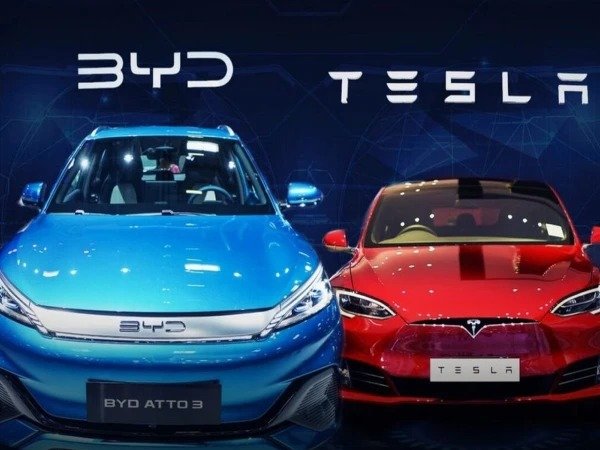
BYD overtakes Tesla in global EV sales, marking one of the most significant shifts in the electric vehicle (EV) market in recent years. China’s leading electric automaker has officially surpassed Elon Musk-led Tesla in worldwide electric vehicle deliveries, reshaping competitive dynamics across the global automotive industry. According to 2025 sales data, BYD delivered more than 2.25 million electric vehicles globally, while Tesla reported approximately 1.6 million battery-electric vehicle deliveries over the same period. This milestone positions BYD as the world’s largest EV manufacturer by volume and underscores the growing influence of Chinese automakers in the global transition toward electric mobility. BYD Overtakes Tesla in Global EV Sales: Key Numbers Explained Rather than viewing these figures in isolation, they reflect a broader structural shift within the EV industry. In simple terms, BYD’s sales leadership can be explained by three core factors. First, BYD’s wide-ranging product portfolio caters to both premium and mass-market consumers. Second, its cost-efficient production model enables competitive pricing. Third, its rapid international expansion has unlocked growth in emerging and developed markets alike. In comparison, Tesla continues to dominate the premium EV segment but faces mounting pressure in price-sensitive regions, particularly across Asia, Latin America, and parts of Europe. Why BYD Overtakes Tesla in Global EV Sales Market analysts suggest several interconnected reasons behind why BYD overtakes Tesla in global EV sales: Brand strategy and pricing pressure: Tesla’s brand, while still strong, has faced reputational headwinds in certain markets due to Elon Musk’s growing involvement in political and public policy debates. This has, in some regions, influenced consumer sentiment and purchasing behavior. Rising Chinese competition: Chinese EV manufacturers, led by BYD, have intensified competition through affordable pricing, localized manufacturing, and rapid model innovation. BYD’s ability to undercut competitors while maintaining quality has proven particularly effective. Vertical integration advantage: BYD’s business model sets it apart. Unlike most automakers, BYD manufactures its own batteries, power electronics, and key components. This vertical integration lowers costs, stabilizes supply chains, and enhances production scalability advantages that have become critical in a volatile global economy. BYD’s Business Model: A Competitive Edge in the EV Market BYD is not just an electric car manufacturer. The company is also a global leader in battery technology, electric buses, commercial EVs, and clean energy solutions. Its proprietary Blade Battery technology, known for improved safety and efficiency, has strengthened consumer trust and industry credibility. Additionally, BYD’s manufacturing scale allows faster market entry and quicker adaptation to regulatory and consumer demands across regions. This flexibility has enabled BYD to expand aggressively into Europe, Southeast Asia, the Middle East, and Latin America. What BYD Overtakes Tesla in Global EV Sales Means for the Industry The fact that BYD overtakes Tesla in global EV sales signals a broader shift in the electric vehicle landscape. Industry experts believe the global EV market is entering a new phase defined by: • Increased price competition• Faster technological innovation• Greater emphasis on affordability and scale• Strategic realignments among legacy automakers As Chinese EV makers continue to lead in production efficiency and cost control, global automakers may be forced to rethink pricing strategies, supply chain structures, and market positioning. Future Outlook: Intensifying Global EV Competition Looking ahead, competition between BYD, Tesla, and other global automakers is expected to intensify. Consumers are likely to benefit from wider model choices, improved battery technology, and more competitive pricing. While Tesla remains a technological and brand leader, BYD’s rise highlights a new reality: dominance in the EV market will increasingly be determined by scale, affordability, and operational efficiency not just innovation alone.

KSE-100 Index All-Time High Signals Renewed Confidence in Pakistan Stock Market
Pakistan

KSE-100 Index All-Time High Signals Renewed Confidence in Pakistan Stock Market

The KSE-100 Index all-time high has marked a historic milestone for Pakistan’s capital markets, as the benchmark index closed Friday’s trading session at 179,034.93 points, gaining 2,679.44 points or 1.52%. This record-breaking rally reflects growing optimism among investors, driven by strengthening macroeconomic indicators and improving corporate performance. The index remained firmly positive throughout the trading session, touching an intraday high of 179,467.83 points, while the day’s low stood at 176,709.51 points still well above the previous close. Sustained buying interest across heavyweight sectors kept market sentiment bullish from opening to closing bell. Economic Outlook Drives KSE-100 Index All-Time High The latest economic outlook report played a critical role in pushing the KSE-100 Index all-time high, highlighting several positive developments for Pakistan’s economy. Rising industrial activity, easing inflationary pressures, and consistent growth across key sectors have significantly strengthened investor confidence. Adding to the momentum, Oil Marketing Companies (OMCs) reported a 6% increase in sales during December, signaling a rebound in energy demand and economic activity. These encouraging indicators collectively fueled buying pressure, helping the market breach the psychologically important 179,000-point level for the first time in history. Total trading volume on the KSE-100 reached 513.44 million shares, underlining strong participation from both institutional and retail investors. Market Breadth and Stock Performance Out of the 100 companies listed on the KSE-100 Index, 64 stocks closed higher, 35 declined, and one remained unchanged, reflecting broad-based buying interest across sectors. Top Gainers Supporting the KSE-100 Index All-Time High Stocks leading the rally included Engro Fertilizers, which surged over 8%, followed by Javedan Corporation, Bank of Punjab, United Bank Limited, and International Steels, each posting gains between 4% and 5%. These stocks significantly contributed to the index’s upward trajectory. Stocks That Weighed on the Index On the downside, select stocks such as Bhanero Woolen Mills, Dawood Hercules Power, K-Electric, Kohinoor Textile Mills, and Packages Limited experienced modest declines, though their impact remained limited amid broader market strength. Index Point Contribution: Key Drivers of the Rally From an index-point perspective, United Bank Limited emerged as the biggest contributor, adding over 625 points alone. Other major contributors included Engro Fertilizers, Engro Holdings, Pakistan Petroleum Limited, and Oil & Gas Development Company, collectively reinforcing the KSE-100 Index all-time high. Conversely, minor drag came from cement sector stocks such as Lucky Cement, Maple Leaf Cement, and DG Khan Cement, reflecting selective profit-taking in cyclical sectors. Sector-Wise Performance Behind KSE-100 Index All-Time High The rally was largely sector-driven. Commercial banks led the charge, contributing more than 1,200 points, followed by fertilizer, oil and gas exploration, investment companies, and power generation sectors. These sectors benefited from improving earnings outlooks, lower inflation expectations, and stable policy signals. Meanwhile, the cement, textile composite, paper and packaging, and automobile parts sectors slightly underperformed, exerting marginal pressure on the index. Broader Market Performance and Trading Activity Beyond the benchmark, the All-Share Index closed at 107,392.73 points, gaining 1,297.66 points or 1.22%. Total market volume stood at 1.11 billion shares, while traded value jumped to Rs64.34 billion, reflecting increased investor participation. Trading activity remained robust, with over 511,000 trades recorded across 484 companies. More than 250 stocks advanced, underscoring the widespread nature of the rally. Among the most actively traded stocks, Bank of Punjab and K-Electric dominated volumes, each crossing the 100 million share mark, while select mid-cap stocks posted double-digit percentage gains. KSE-100 Index Performance: Fiscal and Calendar Year Snapshot The KSE-100 Index all-time high also highlights impressive longer-term gains. During the ongoing fiscal year, the index has surged by 53,408 points, representing a remarkable 42.51% increase. On a calendar-year basis, it has already added nearly 5,000 points or 2.86%, signaling sustained upward momentum. Conclusion: What the KSE-100 Index All-Time High Means for Investors The KSE-100 Index all-time high underscores renewed confidence in Pakistan’s equity market amid improving economic fundamentals, strong sectoral earnings, and rising investor participation. While short-term volatility cannot be ruled out, the broader trend suggests a constructive outlook for equities, particularly in banking, energy, and fertilizer sectors.

Pakistani Rupee Exchange Rate Shows Stability Amid Global Currency Movements
Pakistan

Pakistani Rupee Exchange Rate Shows Stability Amid Global Currency Movements

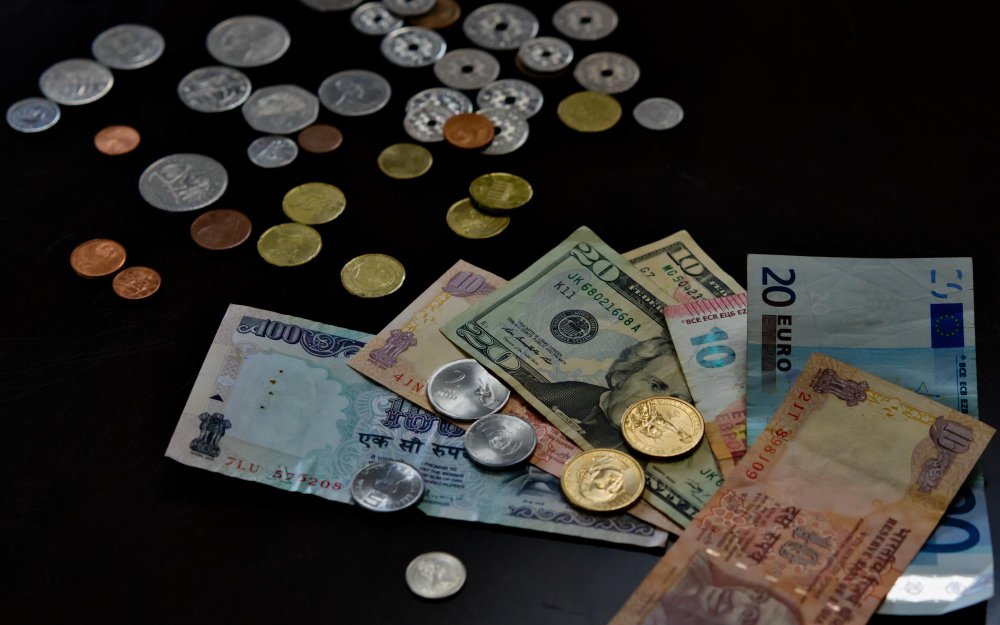
The Pakistani rupee exchange rate remained largely stable in Friday’s interbank trading session, posting a marginal appreciation against the US dollar while gaining strength against most major global currencies. The performance reflects relative calm in the foreign exchange market, supported by easing money market rates and controlled dollar demand. At the close of trading, the rupee settled at PKR 280.11 per US dollar, compared to the previous close of PKR 280.12, marking a gain of 1.11 paisa. Market participants described the session as range-bound, with limited volatility throughout the day. Pakistani Rupee Exchange Rate Against the US Dollar During intraday trading, the rupee recorded a high bid of PKR 280.60 and a low ask of PKR 281.15, indicating stable liquidity conditions in the interbank market. In the open market, exchange companies quoted the dollar at PKR 280.50 for buying and PKR 281.15 for selling, reflecting a narrow spread and steady demand-supply dynamics. On a broader basis, the local currency has strengthened by PKR 3.65, or 1.30%, during the current fiscal year, underscoring gradual recovery sentiment. However, on a calendar-year basis, the rupee has recorded a modest gain of 1.11 paisa so far, highlighting cautious market optimism. Pakistani Rupee Exchange Rate Versus Major Global Currencies Beyond the US dollar, the Pakistani rupee exchange rate posted gains against several major international currencies, signaling improved short-term confidence. The rupee appreciated 9.70 paisa (0.03%) against the euro, closing at PKR 328.75 compared to PKR 328.85 previously. Against the British pound, it strengthened by 12.70 paisa (0.03%) to PKR 377.04, while also gaining 8.08 paisa (0.02%) against the Swiss franc, which closed at PKR 353.14. The most notable percentage movement came against the Japanese yen, where the rupee gained 0.27%, closing at PKR 1.7843. Meanwhile, the rupee also improved marginally against the Chinese yuan, settling at PKR 40.05, reflecting stable trade-related currency flows. Pakistani Rupee Exchange Rate Against Regional Currencies In the regional currency market, the rupee recorded small but positive movements. It rose 0.19 paisa against the Saudi riyal to PKR 74.69 and gained 0.93 paisa (0.01%) against the UAE dirham, closing at PKR 76.27. These movements align closely with the rupee’s performance against the US dollar due to the peg of Gulf currencies. Money Market Trends Supporting the Pakistani Rupee Exchange Rate Supporting currency stability, Pakistan’s money market witnessed a decline in short-term rates. The benchmark 6-month Karachi Interbank Offered Rate (KIBOR) fell by 7 basis points, with bid and offer rates settling at 10.33% and 10.58%, respectively. Lower interbank rates typically reduce speculative pressure on the rupee by easing domestic liquidity conditions, which may help maintain exchange rate stability in the near term. 52-Week Perspective on the Pakistani Rupee Exchange Rate From a longer-term view, the rupee continues to trade within a defined band against major currencies. Against the US dollar, the rupee has remained within a 52-week range of PKR 278.56 to PKR 284.97, currently trading closer to the stronger end of this band. Similar stabilization trends are evident against the euro, pound, and dirham, suggesting reduced volatility compared to mid-2025 levels. Outlook: What Lies Ahead for the Pakistani Rupee Exchange Rate Market analysts expect the Pakistani rupee exchange rate to remain broadly stable in the short term, supported by controlled imports, steady remittances, and prudent monetary management. However, global interest rate movements, oil prices, and external financing developments will continue to influence currency direction in the coming weeks.

Scroll to Top