Author name: Web Desk

Venezuela Oil Political Upheaval Weighs on Global Crude Markets
World

Venezuela Oil Political Upheaval Weighs on Global Crude Markets

Venezuela oil political upheaval has emerged as a new source of volatility for global energy markets, pushing crude oil prices slightly lower as investors balance long-term supply potential against near-term geopolitical risks. The sudden overthrow of President Nicolás Maduro in a U.S.-backed political transition has reshaped expectations around Venezuela’s oil sector, one of the most resource-rich yet underperforming energy markets in the world. Read More: https://theboardroompk.com/pakistani-rupee-exchange-rate-shows-stability-amid-global-currency-movements/ On January 5, 2026, global benchmarks reflected cautious sentiment. Brent crude futures slipped by around half a percent to trade near $60 per barrel, while U.S. West Texas Intermediate (WTI) crude fell below $57 per barrel during Asian trading hours. The modest decline signals uncertainty rather than panic, as traders await clarity on sanctions, production timelines, and foreign investment policies. How Venezuela Oil Political Upheaval Is Impacting Prices The Venezuela oil political upheaval is forcing markets to reassess future supply dynamics. While regime change raises the possibility of increased production over time, immediate disruptions and policy ambiguity remain key concerns. Market participants are weighing two opposing forces. On one hand, political realignment with Washington could eventually unlock investment, technology transfer, and operational recovery. On the other hand, the transition period introduces risks related to governance stability, export logistics, and sanctions enforcement. This balancing act has kept oil prices under pressure rather than triggering a sharp rally. U.S. Strategy and Oil Sector Reinvestment Plans Speaking from Mar-a-Lago, U.S. President Donald Trump underscored that expanding American participation in Venezuela’s oil industry is a central objective of the post-Maduro transition. According to public statements, major U.S. oil companies are expected to commit billions of dollars to rehabilitate Venezuela’s severely degraded energy infrastructure. However, despite the political shift, the U.S. embargo on Venezuelan crude exports remains in place for now. This means that any meaningful increase in oil exports will take time and depend heavily on future policy decisions, regulatory approvals, and diplomatic developments. For markets, this reinforces the view that Venezuela’s oil recovery is a long-term story rather than an immediate supply shock. Venezuela’s Oil Reserves and OPEC Significance The Venezuela oil political upheaval carries broader implications because of the country’s strategic importance within the global energy system. Venezuela is a founding member of the Organization of the Petroleum Exporting Countries (OPEC) and holds the world’s largest proven crude oil reserves. According to U.S. Energy Information Administration estimates, Venezuela possesses approximately 303 billion barrels of proven oil reserves, accounting for nearly 17 percent of global reserves. Despite this enormous resource base, chronic underinvestment, sanctions, and mismanagement have crippled production capacity. Historically, Venezuela produced around 3.5 million barrels per day in the late 1990s. Today, output has fallen to roughly 800,000 barrels per day, highlighting the scale of decline and the complexity of any recovery effort. Chevron’s Role Amid Venezuela Oil Political Upheaval At present, Chevron remains the only major U.S. oil company operating in Venezuela. By the end of the fourth quarter of 2025, Chevron was exporting approximately 140,000 barrels per day, according to industry tracking data. This limited footprint underscores how constrained Venezuela’s oil exports remain despite regime change. Until sanctions are eased and infrastructure upgrades begin, production growth is expected to remain gradual rather than transformative. What This Means for Global Oil Markets The Venezuela oil political upheaval is unlikely to dramatically alter global oil supply in the near term. Instead, it introduces a layer of geopolitical uncertainty that is keeping prices capped while markets monitor developments in sanctions policy, foreign investment commitments, and OPEC coordination. For investors and energy analysts, Venezuela represents potential upside to global supply over the next several years but only if political stability, regulatory clarity, and capital inflows align. Until then, crude prices will continue to respond cautiously to headlines rather than fundamentals.
Pakistanis Devote Two-Thirds of Income to Food and Utilities Amid Soaring Remittances Income
Pakistan

Pakistanis Devote Two-Thirds of Income to Food and Utilities Amid Soaring Remittances Income

A recent government survey has revealed the harsh economic reality facing Pakistani households, with nearly two-thirds of their expenditure—63%—going towards just food and housing-related utilities, including electricity and gas. According to the Household Integrated Economic Survey 2024-25 released by the Pakistan Bureau of Statistics (PBS), food alone accounts for 37% of household spending, while housing, electricity, and gas consume another 26%. Read More: https://theboardroompk.com/pakistani-rupee-exchange-rate-shows-stability-amid-global-currency-movements/ The survey, conducted from September 2024 to June 2025 and released on January 2, 2026, by Planning Minister Ahsan Iqbal, highlights how expenditures have outpaced income growth over the past six years. Average monthly household income rose from Rs41,545 to Rs82,179—an annual increase of 16.3%—but consumption expenses surged to Rs79,150, growing at 19% per year. Rising Reliance on Remittances and Assistance The share of foreign remittances in household income has climbed from below 5% to nearly 8%, with rural areas showing doubled dependence. Gifts and assistance now contribute 4.6%, up significantly, signaling shrinking domestic income sources amid double-digit inflation, currency devaluation, and IMF-mandated reforms that have raised taxes and energy prices. Neglected Priorities: Education and Health Suffer Alarmingly, combined spending on education, health, and recreation stands at just 7%, with education at a mere 2.5%—halved from previous levels—health at 3.4%, and recreation at 1.1%. Spending on restaurants has more than doubled that on education, particularly among higher-income groups. Income disparities remain stark: the poorest quintile earns Rs41,851 monthly, compared to Rs139,317 for the richest.Experts attribute this to prolonged economic pressures, including an exodus of skilled youth due to limited opportunities, further straining families.

$2 Billion Rooftop Solar Investment at Stake Amid Net-Metering Policy Changes, FPCCI
Pakistan

$2 Billion Rooftop Solar Investment at Stake Amid Net-Metering Policy Changes, FPCCI

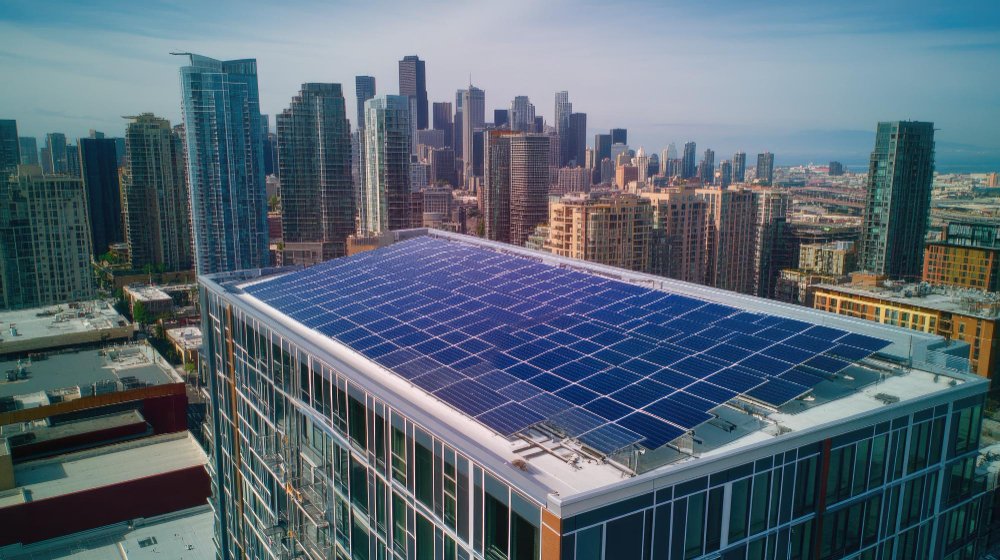
Karachi: A strong call to urgently harness Pakistan’s vast clean energy potential—particularly its abundantly available solar power—was made to drive rapid industrialisation, provide affordable electricity to industries, and energise off-grid homes in remote rural areas, while simultaneously easing the electricity woes of general consumers.These views were expressed at a high-level seminar on recent changes proposed in the government’s net-metering and rooftop solar policies and the serious concerns arising from them for both industry and consumers. The seminar was organised by the Federation of Pakistan Chambers of Commerce & Industry (FPCCI) in collaboration with Energy Update. Read More: https://theboardroompk.com/kse-100-index-all-time-high-signals-renewed-confidence-in-pakistan-stock-market/ Addressing the gathering, the Senior Vice-President of FPCCI, Saquib Fayyaz Magoon, emphasised that Pakistan must follow the example of developed economies by fully exploiting its untapped renewable energy resources in the larger interest of consumers and industries burdened by high electricity costs. He stressed that with such abundant clean energy resources available locally, industries should not be forced to shut down due to unaffordable power tariffs.Providing the government’s perspective, the Adviser to the Power Division of the federal government, Faizan Ali Shah, assured participants that the proposed changes to the net-metering regime were not intended to hinder Pakistan’s progress towards renewable energy. He noted that the government was mindful that the rapid rollout of rooftop solar systems by affluent segments of society should not result in an unfair financial burden on ordinary consumers who lacked the means to install such systems.He further stated that the proposed changes were aligned with international best practices, where developed countries gradually withdrew financial incentives for solar power usage after achieving their national clean energy targets. He recalled that net-metering had been introduced in Pakistan over a decade ago at a time of acute electricity shortages and minimal reliance on renewable sources. He added that the regime now required amendment, as Pakistan was already meeting up to 55 per cent of its electricity needs through renewable energy, while the problem of electricity shortfall had largely been resolved.He added that the government planned to meet over 90 per cent of Pakistan’s electricity demand through renewable energy sources by 2035. Highlighting regional comparisons, he said India’s annual energy demand stood at 1,695 terawatt-hours (TWh), compared with 111 TWh for the Netherlands and 183 TWh for the UAE. In contrast, Pakistan’s energy demand was only around 100 TWh, despite the country being geographically much larger than both the UAE and the Netherlands.The Power Division’s Adviser told the participants that the electricity purchase price of the Quaid-e-Azam Solar Park was 14 US cents per unit at the time of its commissioning, which had since declined to around 3 US cents per unit—a rate comparable to that offered to consumers under the proposed net-metering arrangements. From the industry’s standpoint, the Chairman of the Pakistan Solar Association (PSA), Waqas Moosa, cautioned that any drastic changes to the net-metering regime could push rooftop solar consumers towards battery-based systems with minimal reliance on the national grid.The PSA Chairman told the seminar that solar power systems with a cumulative generation capacity of around 40 gigawatts (GW) had been installed across the country, of which 6 GW comprised the total net-metering capacity by 2025. According to PSA estimates, Pakistani consumers had invested approximately US$2 billion in rooftop solar installations. He also underlined that consumers who had invested their hard-earned savings in rooftop solar systems to cut soaring electricity bills should not suffer financially due to ill-conceived policy changes aimed at favouring independent power producers receiving inflated capacity payments.He further called for maximum automation and digitisation to ensure swift processing of net-metering licence applications, advocating a one-window operation that could issue licences within days without subjecting consumers to unnecessary bureaucratic hurdles. He proposed that applications for new net-metering licences for systems with a generation capacity of up to 25 kilowatts (kW) should be processed directly by the DISCOs, instead of being referred to NEPRA, in order to ensure faster approvals.Offering a broader economic perspective, a noted businessman, Mian Zahid Hussain, termed it utterly unwise for the government to simultaneously pay inflated capacity charges to under-utilised independent power producers while also purchasing excess electricity from domestic rooftop solar systems at high prices. A clean energy advocate and financial analyst, Moin M Fudda, recalled that the net-metering system was first introduced in the United States in 1971, whereas in Pakistan, the government had begun reconsidering the regime merely a decade after its introduction. He argued that purchasing excess electricity from net-metering consumers at Rs 25.98 per unit shouldn’t be considered a financial burden, particularly when such power involved no line losses and was significantly cheaper than electricity produced by conventional IPPs. Waqas Khaleeq, CEO of Smart Solar and an ardent advocate of clean power, highlighted that greater utilisation of solar energy could help Pakistan slash its massive annual oil import bill of approximately US$15 billion, while also reducing harmful carbon emissions caused by fossil fuel-based power generation.Referring to India’s experience, he said net-metering was permitted there for solar systems with a generation capacity of up to one megawatt (MW). He noted that solar installations with a combined capacity of 11 GW had already been deployed in India. Another solar industry leader, Muhammad Zakir Ali, expressed hope that Prime Minister Shehbaz Sharif, known as a strong advocate of renewable energy, would reject the proposed new changes to the net-metering regime to safeguard the genuine economic interests of consumers who had already invested in rooftop solar systems Concluding the discussion, the President of the National Forum for Environment & Health, Muhammad Naeem Qureshi, urged the government to fully consider the immense environmental benefits of solar energy in tackling the climate emergency, even while reviewing or withdrawing incentives for net-metering consumers.On this occasion Energy Update’s Director Finance Ruqiya Naeem, CMO Engr. Nadeem Ashraf, Marketing Manager and Deputy Editor Mustafa Tahir and others also participated.

Al Meezan Investments Pakistan Strengthens Leadership as AUM Surpasses Rs700 Billion
World

Al Meezan Investments Pakistan Strengthens Leadership as AUM Surpasses Rs700 Billion

Al Meezan Investments Pakistan has officially strengthened its position as the largest Asset Management Company (AMC) in Pakistan, with its Assets Under Management (AUM) exceeding Rs700 billion, marking a historic milestone for the country’s Islamic financial services industry. This achievement underscores the growing confidence of investors in Shariah-compliant investment solutions and highlights Al Meezan’s sustained leadership in ethical wealth management. Read More: https://theboardroompk.com/psx-shatters-records-as-kse-100-surges-past-181000-milestone/ Al Meezan Investments Pakistan: A Landmark Achievement in Islamic Finance The crossing of the Rs700 billion AUM threshold is not just a numerical milestone,it represents the trust of more than 525,000 investors nationwide who have chosen Al Meezan Investments Pakistan as their preferred partner for faith-based investing. Over the years, Al Meezan has built a strong reputation through: • Consistent fund performance• Transparent governance structures• Strict adherence to Shariah principles• Investor-focused product innovation These factors have collectively positioned the company as a benchmark for Islamic asset management in Pakistan. Why Al Meezan Investments Pakistan Leads the AMC Industry Al Meezan’s leadership stems from a long-term commitment to ethical finance and customer trust. The company operates under a governance framework guided by renowned Shariah scholars, ensuring that every investment aligns with Islamic principles. Rather than relying on short-term market trends, Al Meezan Investments Pakistan has focused on sustainable growth, risk management, and investor education key drivers behind its expanding asset base. This approach has proven especially effective during periods of market volatility, when investors increasingly seek stable, values-driven financial solutions. Investor Confidence Driving Growth The growth in AUM reflects broad-based participation from retail investors, salaried individuals, institutions, and corporate clients. According to company statements shared on social media, Al Meezan expressed deep gratitude to its investor community, emphasizing that this success is a shared achievement. In practical terms, the Rs700 billion milestone demonstrates how investor trust, when combined with disciplined fund management, can translate into long-term financial resilience. Al Meezan Investments Pakistan at a Glance Instead of presenting raw figures in a table, the company’s scale can be understood through key highlights: Al Meezan currently manages over Rs700 billion in assets, serves more than 525,000 investors, and operates as Pakistan’s largest Shariah-compliant asset management company. Its product portfolio spans equity funds, income funds, money market funds, and pension solutions—making it one of the most diversified Islamic AMCs in the country. Shariah-Compliant Investing Gains Momentum in Pakistan The rise of Al Meezan Investments Pakistan also signals a broader shift in investor preferences. As awareness of Islamic finance grows, more Pakistanis are seeking investment avenues that align with their religious values without compromising on returns. This trend positions Shariah-compliant AMCs as a key pillar of Pakistan’s evolving financial landscape, particularly as regulators and policymakers encourage financial inclusion and formal savings. Future Outlook for Al Meezan Investments Pakistan With a strong investor base, proven governance model, and expanding product offerings, Al Meezan Investments Pakistan appears well-positioned for continued growth. Industry analysts expect Islamic asset management to gain further traction as digital onboarding, financial literacy, and retirement planning become national priorities. As Pakistan’s largest AMC, Al Meezan is likely to play a central role in shaping the future of ethical investing in the country. The milestone of Rs700 billion in AUM firmly cements Al Meezan Investments Pakistan as a dominant force in the asset management industry. More importantly, it reflects a growing belief in transparent, Shariah-compliant financial solutions that balance profitability with principles. For investors seeking ethical, well-governed, and performance-driven investment opportunities, Al Meezan’s journey stands as a powerful success story in Pakistan’s financial sector.

U.S. President Warns India: Cut Russian Oil or Face Higher Duties
Pakistan

U.S. President Warns India: Cut Russian Oil or Face Higher Duties

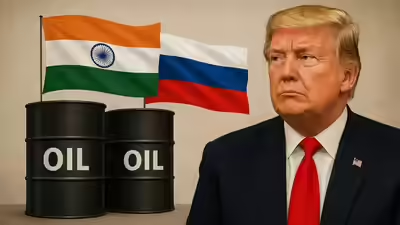
In a fresh escalation of trade tensions, U.S. President Donald Trump has warned that the United States could impose even higher tariffs on Indian goods if New Delhi fails to significantly curb its purchases of Russian oil. Speaking to reporters aboard Air Force One on January 4, 2026, Trump remarked, “We can raise tariffs on them very quickly,” emphasizing his dissatisfaction with India’s continued energy ties to Moscow amid the ongoing Ukraine conflict. Read More:https://theboardroompk.com/us-pakistan-partnership-2025-marks-a-transformational-year/ The warning comes against the backdrop of existing punitive measures. In 2025, the Trump administration doubled tariffs on most Indian imports to 50%, citing India’s role in sustaining Russian revenues through discounted crude purchases. Despite these hefty duties, Indian exports to the U.S. surged in November 2025, showcasing resilience in bilateral trade. However, data indicates a decline in India’s Russian oil imports, reportedly dipping below 1 million barrels per day as New Delhi pushes for weekly disclosures from refiners to monitor sources. India’s Strategic Balancing Act India has long defended its Russian oil imports as essential for energy security and affordability for its 1.4 billion population. Sources indicate that the decline in purchases may be linked to efforts to secure a comprehensive trade deal with Washington, with officials expressing optimism for an agreement by year-end. Prime Minister Narendra Modi has held multiple phone conversations with Trump since the tariffs were imposed, though discussions remain inconclusive.Global Implications and ReactionsTrump praised Modi as a “good guy” who “knew I was not happy,” suggesting personal diplomacy plays a role. The Indian commerce ministry has yet to respond officially, while experts note that sustained high tariffs could strain U.S.-India relations, potentially pushing New Delhi closer to alternative partners. As sanctions on Russia tighten globally, India’s refiners are navigating increased scrutiny, balancing economic needs with geopolitical pressures.

Gold Price in Pakistan Rises Sharply on Global Turmoil
Pakistan

Gold Price in Pakistan Rises Sharply on Global Turmoil

Gold price in Pakistan surged significantly on Monday, reflecting both strong international bullion markets and rising geopolitical tensions that have intensified global demand for safe-haven assets. According to the All-Pakistan Gems and Jewelers Sarafa Association (APGJSA), the domestic bullion market witnessed one of its strongest daily increases in recent weeks. The price of 24-karat gold per tola climbed to Rs464,762, registering a sharp day-on-day increase of Rs9,200. Meanwhile, 24-karat gold per 10 grams rose to Rs398,458, up by Rs7,888, underscoring the strong momentum across Pakistan’s precious metals market. Read More: https://theboardroompk.com/gold-price-in-pakistan-rises-sharply-amid-global-market-uncertainty/ Gold Price in Pakistan: Domestic Market Performance Explained The rally was not limited to 24-karat gold alone. 22-karat gold also followed the upward trend, trading at Rs365,266 per 10 grams, reflecting sustained retail and investment demand. On a broader performance basis, gold prices in Pakistan have gained Rs22,600 over the past month, while fiscal year-to-date gains stand at Rs114,562 per tola, highlighting gold’s continued appeal as an inflation hedge and store of value amid economic uncertainty. Silver Prices Follow Gold Higher in Pakistan Silver also recorded notable gains in the local market, tracking global strength across the precious metals complex. 24-karat silver per tola increased to Rs8,023, up Rs267, while 10-gram silver prices rose to Rs6,878, gaining Rs229 in a single session. Month-to-date and fiscal year-to-date figures show silver outperforming many traditional asset classes, reflecting growing industrial demand and speculative interest. Global Gold Prices Drive Gold Price in Pakistan Higher Internationally, spot gold traded near $4,420 per ounce, rising over 1% in a single session. Prices later climbed further to $4,433.54 per ounce, following the news that the United States had reportedly captured Venezuelan President Nicolás Maduro, triggering fresh geopolitical uncertainty. This development intensified risk-averse sentiment across financial markets, prompting investors to rotate into gold and other defensive assets. Geopolitical Risk and Interest Rate Expectations Fuel Rally According to Tim Waterer, Chief Market Analyst at KCM Trade, renewed turmoil in Venezuela has significantly strengthened demand for defensive assets such as gold and silver. He noted that escalating geopolitical risks tend to amplify inflows into precious metals, especially when paired with expectations of looser monetary policy. Gold’s current rally builds on an extraordinary performance last year, when bullion prices surged 64%, marking the strongest annual gain since 1979. Support has come from aggressive global rate cuts, heavy central-bank buying, and strong inflows into gold-backed exchange-traded funds (ETFs). Gold prices reached a record high of $4,549.71 on December 26, 2025, reinforcing long-term bullish sentiment. Silver, Platinum, and Palladium Extend Gains Silver continued to outperform, with spot prices jumping 4.4% to $75.82 per ounce. The metal had already reached an all-time high of $83.62 in late December and ended last year up an extraordinary 147%, its strongest annual gain on record. The rally has been fueled by tight supply conditions, strong industrial demand, rising investor interest, and silver’s designation as a critical mineral in the United States. Other precious metals also advanced, with platinum rising to $2,190.55 per ounce and palladium climbing to $1,667.45, reflecting broad-based strength across the sector. Outlook: What’s Next for Gold Price in Pakistan? Looking ahead, analysts believe the gold price in Pakistan will remain sensitive to global geopolitical developments, U.S. Federal Reserve policy expectations, and currency movements. While some policymakers caution that further rate cuts may not come quickly, markets continue to price in at least two U.S. rate cuts this year, which could further support bullion prices. In an environment marked by uncertainty, gold and silver are likely to remain key hedging instruments for both institutional and retail investors in Pakistan.

Pak-Afghan Border Shutdown Triggers Unemployment and Perishable Goods Spoilage
Pakistan

Pak-Afghan Border Shutdown Triggers Unemployment and Perishable Goods Spoilage

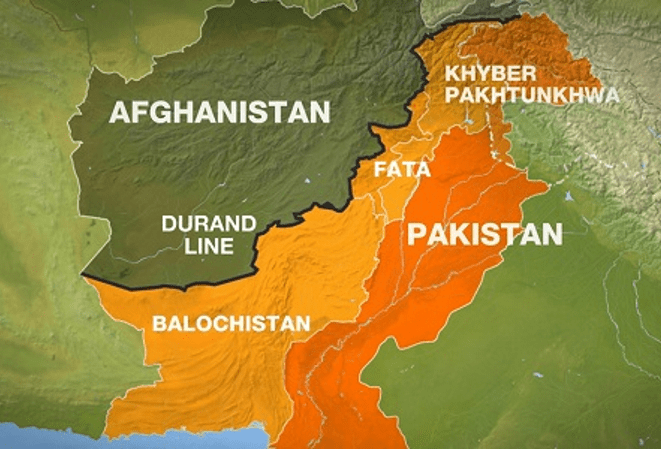
The prolonged closure of key border crossings between Pakistan and Afghanistan has inflicted severe financial and socio-economic damage on traders, with over 12,000 containers of bilateral and transit trade stranded at Karachi Port, according to the Sarhad Chamber of Commerce and Industry (SCCI). This ongoing shutdown, stemming from security concerns, has led to millions of dollars in daily losses from demurrage and detention charges, alongside billions blocked in bank guarantees and security deposits. Read More: https://theboardroompk.com/pakistan-kyrgyzstan-to-deepen-trade-ties-push-taliban-to-act-against-terrorist-groups/ Stranded Containers and Mounting Charges SCCI President Junaid Altaf highlighted that traders are facing heavy demurrage and detention fees imposed by foreign shipping lines, while the liquidity of clearing agents and bonded carriers has been completely exhausted. The closure has particularly disrupted perishable exports, causing spoilage and further amplifying losses. With the shutdown persisting for months—reportedly since October 2025—stakeholders estimate cumulative damages running into billions of rupees, affecting supply chains and regional connectivity. Socio-Economic Fallout and Calls for Resolution The impasse has triggered widespread unemployment among truck drivers, laborers, porters, and border communities reliant on cross-border trade. SCCI’s executive committee, in a recent meeting, urged authorities to prioritize diplomatic talks for reopening the borders without compromising national security. Emphasizing the Torkham crossing as a vital lifeline for trade with Afghanistan and Central Asia, the business community stressed that prolonged disruptions threaten economic stability, industrial growth, and livelihoods. As protests mount in affected areas like Khyber and Chaman, traders demand immediate intervention to resume trade and mitigate the humanitarian ripple effects.

World Bank to Advise on Advanced Smart Metering for Five Power Discos
World

World Bank to Advise on Advanced Smart Metering for Five Power Discos

The Pakistani government has taken a significant step towards reforming the power sector by approving the installation of Advanced Metering Infrastructure (AMI) in five major electricity distribution companies (Discos). This initiative, operating under a Public Private Partnership (PPP) mode, targets Lahore Electric Supply Company (LESCO), Multan Electric Power Company (MEPCO), Peshawar Electric Supply Company (PESCO), Hazara Electric Supply Company (HAZECO), and Quetta Electric Supply Company (QESCO). The project aims to curb annual Transmission and Distribution (T&D) losses worth approximately Rs 265 billion (around USD 1 billion) by replacing outdated conventional meters with smart systems that enable real-time monitoring and accurate billing. Read More: https://theboardroompk.com/veon-group-invests-usd-20-million-in-mobilink-bank-to-accelerate-digital-islamic-banking-expansion/ World Bank Engaged as Transaction Advisor The Private Power and Infrastructure Board (PPIB) will lead the project, with the World Bank approached to act as the Transaction Advisor (TA). Following approval by the Public Private Partnership Authority (P3A) Board on December 16, 2025, the World Bank is expected to submit its proposal by January 14, 2026. The TA’s role includes comprehensive advisory services: diagnostics, business case development, PPP structuring, procurement support, and assistance until financial close. The engagement is capped at 12 months, with a success-fee-based payment model for the advisor. Expected Benefits and Sector-Wide Impact AMI implementation promises substantial improvements, including reduced technical and commercial losses, enhanced bill recoveries, greater system efficiency, and better visibility into consumption patterns. By addressing longstanding issues like theft, overbilling, and inefficiencies—currently contributing to 18% T&D losses—the project is poised to restore consumer confidence and support broader power sector reforms. Managed in coordination with entities like the Power Planning and Monitoring Company (PPMC) and Power Information Technology Company (PITC), this marks a landmark effort in modernizing Pakistan’s electricity distribution network through private sector involvement.

PSX Shatters Records as KSE-100 Surges Past 181,000 Milestone
Pakistan

PSX Shatters Records as KSE-100 Surges Past 181,000 Milestone

The Pakistan Stock Exchange (PSX) kicked off the trading week on a triumphant note, with the benchmark KSE-100 Index breaching the historic 181,000 level for the first time ever during early trade on Monday, January 5, 2026. By 10:20 am, the index stood at 181,118 points, reflecting a robust gain of over 2,083 points or 1.16% from the previous closer. Read More: https://theboardroompk.com/kse-100-index-all-time-high-signals-renewed-confidence-in-pakistan-stock-market/ This surge builds on the extraordinary performance witnessed in the preceding week, where the KSE-100 climbed by 6,634 points—a 3.8% week-on-week increase—to close at an all-time high of 179,035 points. Analysts attribute the ongoing rally to easing inflationary pressures, which have bolstered investor confidence and encouraged heightened participation in the market. Sector-Wide Buying Fuels the Rally Strong buying interest was evident across multiple key sectors, including automobile assemblers, cement, commercial banks, oil and gas exploration companies, oil marketing companies (OMCs), and power generation. Index-heavyweight stocks such as HUBCO, MARI, OGDC, POL, PPL, PSO, SNGPL, SSGC, HBL, MCB, MEBL, and UBL traded firmly in positive territory, contributing significantly to the index’s upward trajectory. The broader market sentiment remains overwhelmingly bullish, supported by improved macroeconomic indicators and strong corporate earnings expectations. As Pakistan’s equity market continues its remarkable turnaround, investors are optimistic about sustained growth amid policy stability and potential foreign inflows. This intra-day milestone underscores the PSX’s resilience and positions it as one of the top-performing markets globally in recent times

US Attacks Venezuela and Captures President Maduro
Breaking News

US Attacks Venezuela and Captures President Maduro

In a stunning pre-dawn operation on January 3, 2026, United States special forces executed a precision strike on key military sites in Caracas and surrounding areas, culminating in the capture of Venezuelan President Nicolás Maduro and his wife, Cilia Flores. Explosions rocked the capital as low-flying aircraft targeted Fort Tiuna military complex and other installations. President Donald Trump announced the success on social media, stating the couple was extracted from their residence and flown to a US warship. The operation, involving Delta Force and CIA intelligence, lasted under 30 minutes and marked the first such removal of a sitting head of state since the 1989 Panama invasion. Read More: https://theboardroompk.com/byd-overtakes-tesla-in-global-ev-sales-a-turning-point-for-the-electric-vehicle-industry/ Global Backlash and Oil Ambitions The strike has sparked widespread international condemnation, with Russia, Iran, Cuba, Brazil, and Mexico denouncing it as a violation of sovereignty and calling for UN intervention. Venezuelan Vice President Delcy Rodríguez demanded proof of life for Maduro, while Defense Minister Vladimir Padrino López vowed resistance. Trump, in a Mar-a-Lago press conference, declared the US would temporarily “run” Venezuela to facilitate a transition, emphasizing American companies would invest billions to revive oil infrastructure. He framed the action as combating narco-terrorism, citing a 2020 US indictment against Maduro. Opposition leader María Corina Machado hailed it as the “hour of freedom,” but critics warn of prolonged instability and regional fallout. Casualties remain unclear, though Venezuelan officials report civilian deaths. The Maduro couple is en route to New York for trial on drug-related charges.

Scroll to Top