Author name: Web Desk

Sudan Hits 1,000 Days of War: Millions Still Trapped in World's Worst Humanitarian Crisis
World

Sudan Hits 1,000 Days of War: Millions Still Trapped in World’s Worst Humanitarian Crisis

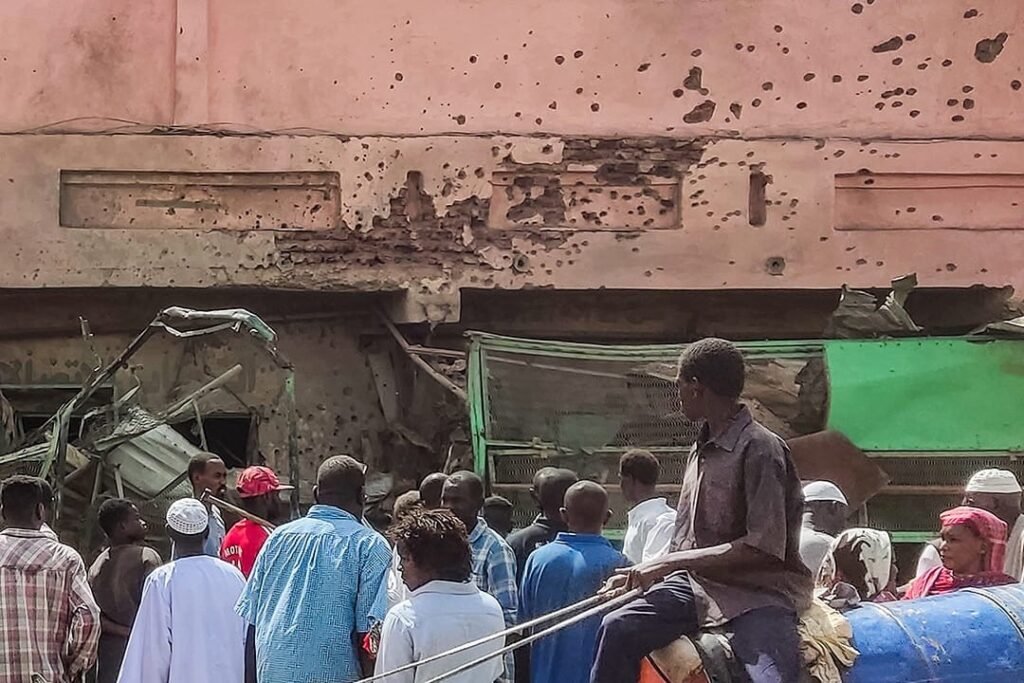
Sudan reached a tragic milestone of 1,000 days since the outbreak of civil war in April 2023, between the Sudanese Armed Forces (SAF) and the paramilitary Rapid Support Forces (RSF). Aid agencies and international organizations, including the UN Office for the Coordination of Humanitarian Affairs (OCHA) and UNICEF, highlighted the unrelenting suffering of millions of civilians amid ongoing clashes, sieges, and attacks on infrastructure. The conflict has escalated into the world’s largest humanitarian crisis, characterized by massive displacement, acute food insecurity, and widespread violence, with no immediate end in sight despite repeated calls for peace. Escalating Violence and Civilian Toll Fighting continues across regions like Kordofan and Darfur, with sieges on towns such as Kadugli and Dilling cutting off access to food, healthcare, farms, and markets. Recent incidents include drone attacks and long-range strikes on civilian areas, such as one in Al Obeid, North Kordofan, where eight children were killed. OCHA spokesperson Jens Laerke described the situation as dire, noting that “fighting on the ground and drone attacks from the sky continue,” with strikes extending “far beyond the front lines.” Civilians face constant threats from unexploded ordnance in Khartoum and repeated displacement, with violence pursuing them wherever they flee. Humanitarian Catastrophe and Urgent Appeals The war has uprooted 9.3 million people internally and forced over 4.3 million to flee abroad, while more than 21 million face acute food insecurity. Children are especially vulnerable, with 5,000 displaced daily since the conflict began, many repeatedly, and at risk of rape, starvation, and recruitment. UNICEF emphasized that “behind every one of these numbers is a child, frightened, hungry, sick.” Women and girls endure rampant gender-based violence, with female-headed households three times more likely to be food insecure. Funding remains critically low—only 36% of last year’s $4.2 billion appeal was met—prompting urgent calls from UN officials for an immediate cessation of hostilities, protection of civilians, adherence to international humanitarian law, and renewed global funding to assist the 34 million in need.
Pakistan FO Urges Citizens to Avoid Travel to Iran Amid Escalating Protests and Unrest
Pakistan

Pakistan FO Urges Citizens to Avoid Travel to Iran Amid Escalating Protests and Unrest

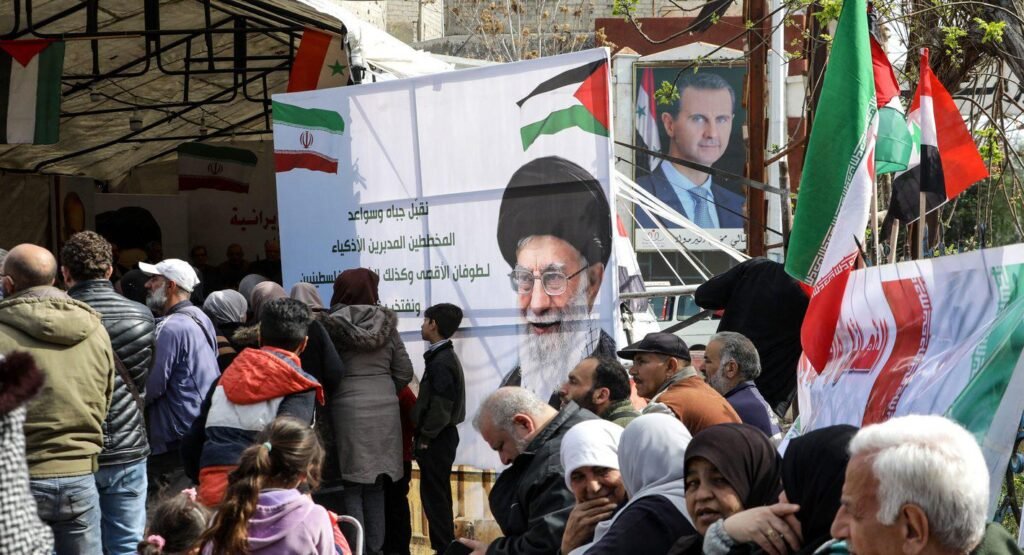
Pakistan’s Foreign Office (FO) has released an official travel advisory urging Pakistani nationals to avoid all unnecessary travel to the Islamic Republic of Iran due to prevailing safety and security concerns. The advisory, announced by the FO Spokesperson in a press statement, comes in response to growing unrest and protests that have gripped parts of the neighboring country for over a week, with reports indicating escalating tensions and potential risks to public safety. The move aims to protect Pakistani citizens amid an unpredictable situation that has prompted similar cautions from other nations. Key Recommendations for Travelers and Residents The advisory explicitly advises against non-essential trips to Iran “until conditions improve.” For Pakistani nationals currently residing in Iran, the FO has stressed the need to exercise extreme caution, remain highly vigilant at all times, minimize non-essential movement, and avoid areas of potential unrest. Citizens are strongly encouraged to stay updated through local and international news sources and to maintain regular contact with Pakistani diplomatic missions for assistance and updates. Contact Details for Pakistani Missions in Iran To facilitate immediate communication and support, the FO provided the following contact information: Embassy of Pakistan in Tehran: +98-21-66-9413-88/89/90/91 (landline), +98-21-66-9448-88/90 (landline), +98 910 764 8298 (mobile) Consulate in Zahidan: +98 54 33 22 3389 (landline), +989046145412 (mobile) Consulate in Mashhad: +98 910 762 5302 (mobile), +98 937 180 7175 (mobile) The advisory underscores Pakistan’s priority on citizen safety while diplomatic channels remain open for any emergencies.

https://theboardroompk.com/new-dams-approved-to-end-islamabad-rawalpindi-water-crisis/
World

New Dams Approved to End Islamabad, Rawalpindi Water Crisis

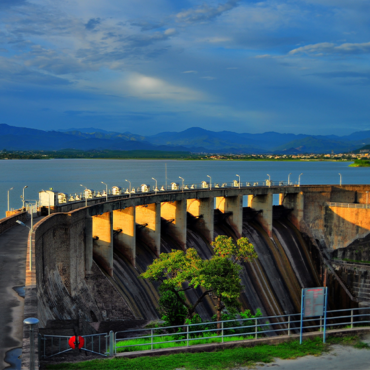
The government of Pakistan has taken decisive steps to combat the escalating water crisis in the twin cities of Islamabad and Rawalpindi. On January 10, 2026, Interior Minister Mohsin Naqvi chaired a high-level meeting with officials from the Capital Development Authority (CDA), WAPDA, Punjab government, and other stakeholders. The meeting focused on both immediate relief and sustainable solutions amid reports of worsening shortages, where current supply meets only a fraction of the demand (around 70 MGD against a requirement of approximately 220 MGD). Key decisions included launching an emergency action plan, ordering a strict crackdown on water theft and misuse, and approving new dam projects to boost long-term storage and supply. Emergency Measures and Short-Term Roadmap Minister Naqvi declared water supply to residents as his top priority and directed authorities to utilize all available resources for immediate needs. A comprehensive 10-day roadmap has been demanded to identify flaws in the existing distribution system, fix leaks, and ensure uninterrupted delivery. Officials were instructed to address gaps in infrastructure promptly, with a focus on overhauling the network and preventing wastage. This short-term strategy aims to provide quick relief while larger projects are underway. Long-Term Infrastructure Development For sustainable solutions, the CDA and Punjab government will collaborate on constructing new dams. The Dotara Dam, designed to store 110 million gallons per day (MGD), has been approved for completion within two years. Progress updates were also reviewed on the Chirah and Shahdara dam projects, with authorities fast-tracking feasibility, funding, and timelines (targeting completion by December 2027 for some). These initiatives are expected to significantly enhance water availability for both urban and rural areas in the capital region, addressing chronic shortages driven by population growth, declining groundwater levels, and inadequate storage.

Dr Kabir Ahmed Sidhu SECP Chairman Appointment Signals Strong Regulatory Push
Pakistan

Dr Kabir Ahmed Sidhu SECP Chairman Appointment Signals Strong Regulatory Push

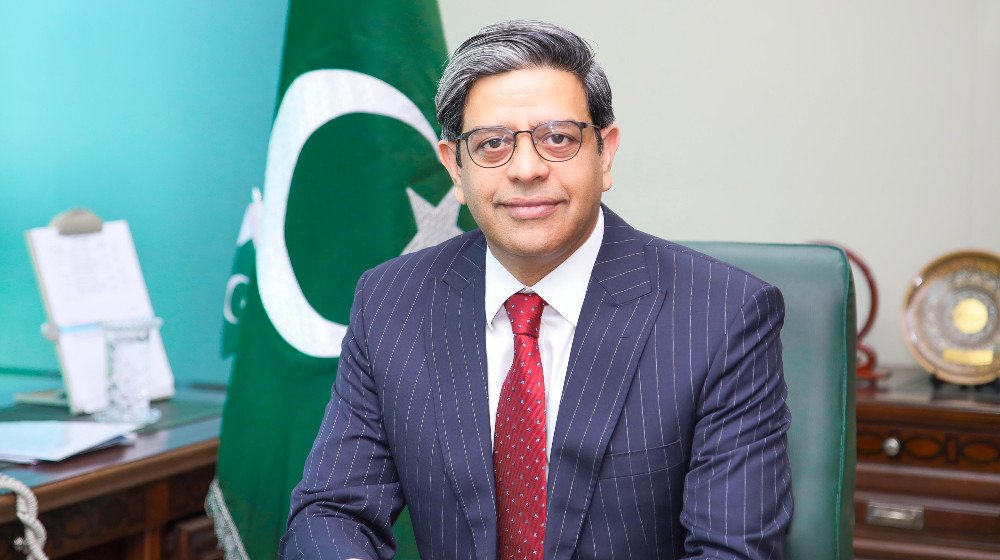
Dr Kabir Ahmed Sidhu SECP Chairman marks a significant milestone for Pakistan’s financial and corporate regulatory landscape, as the Federal Government has approved his appointment as the new Chairman of the Securities and Exchange Commission of Pakistan (SECP) with immediate effect. The decision, officially notified by the Finance Division, reflects a clear intent to strengthen institutional governance, enforcement, and investor confidence in Pakistan’s capital markets. Dr Sidhu brings with him a proven track record of regulatory reform, most notably from his tenure as Chairman of the Competition Commission of Pakistan (CCP), where he led one of the most impactful institutional turnarounds in the regulator’s history. Dr Kabir Ahmed Sidhu SECP Chairman: A Proven Reformist Regulator When Dr Kabir Ahmed Sidhu assumed office as CCP Chairman in August 2023, the Commission was grappling with long-standing enforcement bottlenecks, litigation delays, and a growing backlog of unresolved cases. Within just two years, his leadership transformed the regulator’s operational effectiveness. Under his stewardship, the CCP reduced its pending court case backlog by more than 70 percent. Out of 567 pending matters, 434 cases were successfully decided, restoring confidence in the regulator’s enforcement capability and credibility. This progress also contributed to the development of stronger legal precedent and jurisprudence for competition law in Pakistan. Enforcement Impact and Financial Recoveries Under Dr Sidhu A key achievement during Dr Kabir Ahmed Sidhu’s CCP tenure was the unprecedented recovery of penalties. Approximately PKR 1.36 billion was recovered during his leadership—an extraordinary figure when compared to the Commission’s total recoveries of just PKR 2 billion over the previous two decades combined. In addition to recoveries, the CCP imposed over PKR 2 billion in fresh penalties through new enforcement actions. These measures sent a clear message that market abuse, cartels, and deceptive practices would no longer be tolerated. Crackdown on Cartels and Market Abuse Dr Kabir Ahmed Sidhu SECP Chairman appointment comes on the back of his aggressive enforcement stance against cartels and anti-competitive behavior. During his CCP tenure, major investigations were initiated in sectors critical to Pakistan’s economy, including poultry, sugar, edible oil, telecommunications, and medical services. Several landmark enforcement actions were upheld by the Supreme Court of Pakistan and the Competition Appellate Tribunal. This judicial validation significantly strengthened the CCP’s authority and set robust enforcement benchmarks for future regulators including the SECP. Consumer Protection and Corporate Accountability Beyond cartel enforcement, Dr Sidhu placed strong emphasis on consumer protection and misleading marketing practices. The CCP imposed substantial penalties on companies operating across real estate, FMCG, education, pharmaceuticals, and the automobile sector. High-profile enforcement actions were taken against firms such as Kingdom Valley, FrieslandCampina, Unilever, Engro, Al-Ghazi Tractors, Hyundai Nishat, British Lyceum, and 3N Lifemed. These actions reinforced regulatory accountability and enhanced consumer trust in regulated markets. Institutional Innovation and Market Facilitation One of the most notable institutional reforms under Dr Sidhu was the establishment of the Market Intelligence Unit (MIU), the CCP’s first AI-powered surveillance and analytics wing. This initiative marked a strategic shift from reactive enforcement to proactive, data-driven market monitoring an approach that aligns closely with global regulatory best practices. On the market facilitation front, the CCP processed 139 mergers across 34 economic sectors. High-profile transactions included the PTCL–Telenor merger, Shell Pakistan’s sale to Wafi Energy, and several deals across financial services, energy, and logistics. The PTCL–Telenor merger, in particular, was widely recognized for balancing foreign investment facilitation with competition safeguards. Dr Kabir Ahmed Sidhu’s Academic and Professional Credentials Dr Kabir Ahmed Sidhu holds a Bachelor’s degree in Law, an LLM in Banking, Insurance, and International Business Law, and a PhD from the University of Manchester. His academic journey also includes a postgraduate diploma in Civil Litigation from the Manchester Law Society and professional certifications in mortgage and financial advice from the London Institute of Banking and Finance. His doctoral research focused on investor protection and the regulation of stock exchanges in the UK, US, and Shariah-compliant markets expertise that is highly relevant to SECP’s evolving mandate. With over two decades of professional experience, Dr Sidhu has worked with law firms, insurance companies, financial institutions in the UK, and key government ministries in Pakistan, including the Ministry of Law and the Privatisation Commission. What Dr Kabir Ahmed Sidhu SECP Chairman Means for Pakistan The appointment of Dr Kabir Ahmed Sidhu as SECP Chairman is widely seen as a strategic move to enhance regulatory enforcement, investor protection, and market transparency. His track record suggests a strong focus on institutional reform, technology-driven oversight, and balanced market facilitation key pillars for the next phase of Pakistan’s capital market development. As Pakistan navigates economic stabilization and seeks to attract long-term investment, Dr Sidhu’s leadership at SECP could play a decisive role in shaping a more resilient, credible, and investor-friendly regulatory environment.

Major Oil Firms Gather at White House on Reviving Venezuelan Crude
World

Major Oil Firms Gather at White House on Reviving Venezuelan Crude

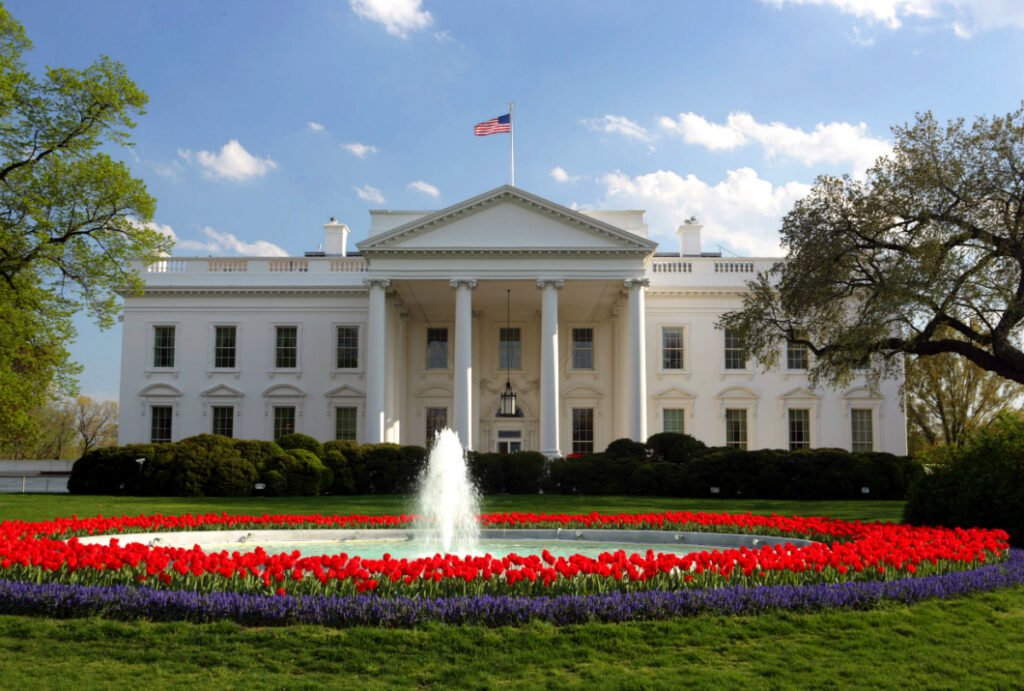
Washington, January 9, 2026 – The White House is set to host a pivotal meeting on Friday with leading U.S. and international oil companies to explore investment opportunities in Venezuela’s energy sector, aiming to revitalize crude production in the sanctions-burdened nation following recent political upheaval. Read More: https://theboardroompk.com/crude-oil-prices-climbed-as-geopolitical-risks-rise-iran-unrest-venezuelan-supply-worries/ Broad Participation from Industry Leaders The gathering includes a diverse array of producers, refiners, traders, and oilfield services firms with historical or potential ties to Venezuela. Key attendees comprise Chevron Corp, Exxon Mobil, ConocoPhillips, Continental Resources, Halliburton, Valero Energy Corp, Marathon Petroleum Corp, Shell, Repsol, Eni, and traders such as Trafigura and Vitol Americas. Smaller players like HKN Inc., Aspect Holdings, Tallgrass Energy, Raisa Energy, and Hilcorp Energy are also invited. Senior Trump administration officials, including Secretary of State Marco Rubio, Energy Secretary Chris Wright, and Interior Secretary Doug Burgum, will join the discussions. A White House official confirmed the focus on potential investments to boost output, amid efforts to redirect Venezuelan oil flows toward U.S. interests. Context of Sanctions Relief and Production Revival The meeting follows U.S. actions that removed former President Nicolas Maduro and announcements of deals to access up to 50 million barrels of Venezuelan crude. While the article notes no explicit agenda on sanctions, the broader push involves selective rollback to facilitate American involvement. Industry sources indicate companies seek guarantees amid risks, with larger firms cautious while independents show eagerness. This initiative aligns with President Trump’s vision for U.S. firms to rebuild Venezuela’s infrastructure and tap its vast reserves.

Crude Oil Prices Climbed as Geopolitical Risks Rise: Iran Unrest & Venezuelan Supply Worries
World

Crude Oil Prices Climbed as Geopolitical Risks Rise: Iran Unrest & Venezuelan Supply Worries

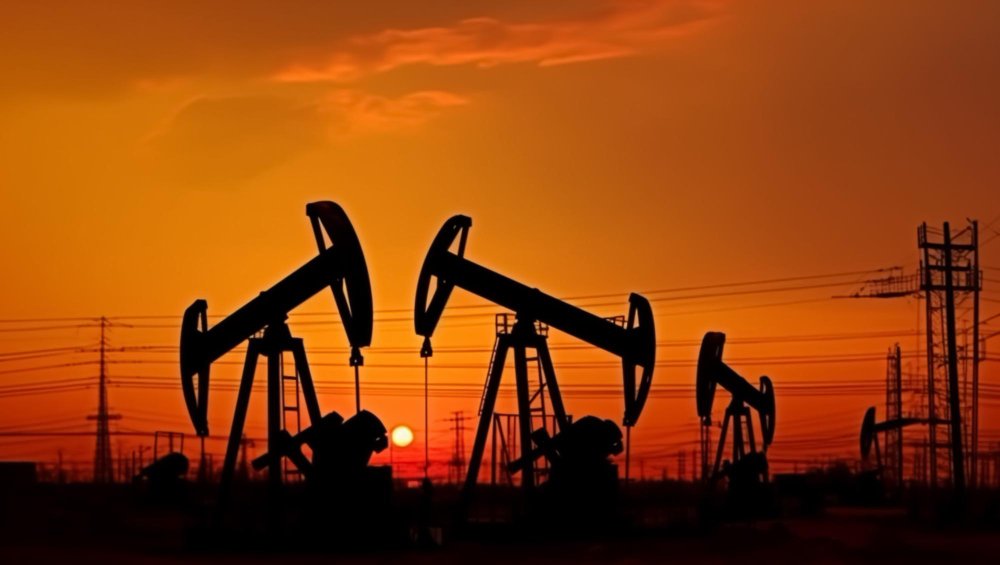
Crude oil prices climbed sharply this week as global markets digested a mix of escalating geopolitical risks and supply uncertainties centered on Iran and Venezuela. These developments have triggered renewed investor concern over the stability of crude oil flows, lifting benchmark prices while reminding stakeholders of the fragile balance between supply and demand in 2026. Read More: https://theboardroompk.com/us-seizes-two-venezuela-linked-tankers-amid-escalating-oil-control-pushdramatic-atlantic-and-caribbean-operations-heighten-tensions/ Understanding the key drivers behind this price movement is essential for business leaders, investors, and supply chain professionals navigating today’s volatile energy landscape. What Happened With Oil Prices This Week? Recent market data shows: • Brent crude futures rose approximately 0.7%–1.3%, trading near $62–$63 per barrel.• West Texas Intermediate (WTI) also climbed by about 0.6%–1.3%, near $58 per barrel.• Both benchmarks posted their third weekly gain following two consecutive days of decline earlier in the week. These price moves reflect heightened risk premiums as traders reassess possible supply constraints. Key Drivers Behind the Oil Price Surge 1. Iran Unrest and Production Risks Civil unrest in Iran: including widespread protests and internet disruptions in major cities has sparked fears of potential disruptions to oil output or logistics. As one commodity analyst noted, protests “seem to be gathering momentum” and are seen by markets as a risk factor that could limit Iran’s ability to produce and export crude. Iran remains one of OPEC’s key producers, so any impact on its output can disproportionately affect global supply expectations. Even if physical production hasn’t been officially curtailed yet, market perceptions of risk are pushing prices higher. 2. Venezuela’s Supply Uncertainty and Strategic Negotiation While Venezuela’s oil industry has struggled under years of sanctions and declining production, recent political shifts have drawn intense market focus. U.S. negotiations with major oil companies and trading houses including Chevron, Vitol, and Trafigura to market some 50 million barrels of Venezuelan crude could reshape export dynamics. At the same time, uncertainty over Venezuela’s ability to reliably export crude including potential tanker seizures and logistical bottlenecks continues to support prices as traders weigh upside risks to supply. 3. Broader Geopolitical Tensions Oil markets are also watching the ongoing Russia–Ukraine conflict for potential impacts on Russian crude exports. Any deterioration in that situation could further restrict global supplies, adding to the current risk premium embedded in prices. Market Dynamics: Oversupply vs. Geopolitical Risk Despite recent price gains, analysts caution that structural oversupply remains a headwind. Strong output from major producers including the U.S., Saudi Arabia, and other OPEC+ members continues to press on inventories, limiting the upside potential of crude benchmarks. In fact, several forecasts suggest that global supply could outpace demand in 2026, applying downward pressure on prices unless geopolitical disruptions intensify further. Business Implications of Rising Crude Oil Prices For companies and markets, crude oil price movements have wide ripple effects: • Transportation and logistics costs rise with higher fuel prices.• Manufacturing across chemicals and plastics sectors may experience margin pressures.• Consumer energy prices can climb, affecting inflation and consumer spending.• Energy equities and commodities portfolios may face volatility depending on corporate exposure. Understanding the interplay between geopolitical risk and baseline supply/demand fundamentals is critical for effective risk management and pricing strategies. Takeaways for Energy Market Watchers • Crude Oil Prices Climbed this week due to escalating geopolitical risks tied to Iran and Venezuela.• Market leaders should monitor production reports from OPEC+ and global inventory data.• Geopolitical developments not just economics are currently the dominant catalyst in short-term oil pricing. By staying informed on these dual influences, business leaders can better anticipate price trends and mitigate risk in procurement, finance, and strategic planning.

Facebook Parent Company, Meta, Inks Nuclear Deals for 6.6 GW to Power AI Ambitions
World

Facebook Parent Company, Meta, Inks Nuclear Deals for 6.6 GW to Power AI Ambitions

Washington, January 9, 2026 – Meta Platforms has announced landmark 20-year agreements with three companies—Vistra, Oklo, and TerraPower—to secure up to 6.6 gigawatts of nuclear energy by 2035, positioning the tech giant as one of the largest corporate buyers of nuclear power in U.S. history amid surging demand for AI infrastructure. Partnerships with Existing and Emerging Nuclear Providers The deals include power purchase agreements with Vistra for output from three plants: Perry and Davis-Besse in Ohio, and Beaver Valley in Pennsylvania, supporting lifespan extensions and capacity increases. Additionally, Meta is backing small modular reactor (SMR) developments with Oklo (up to 1.2 GW in southern Ohio, potentially online by 2030) and TerraPower (initially 690 MW for two reactors, expandable to more by 2035, targeting 2032 start). These build on Meta’s 2025 agreement with Constellation to sustain an Illinois reactor. Joel Kaplan, Meta’s chief global affairs officer, stated the pacts will “make Meta one of the most significant corporate purchasers of nuclear energy in American history.” Executives from TerraPower and Oklo praised the support for accelerating deployments and early procurement. Driving Force: Explosive AI Power Needs The agreements address Big Tech’s escalating electricity requirements, as AI and data centers reverse two decades of flat U.S. power demand. Meta’s 2024 request for 1-4 GW of new nuclear capacity underscores this shift toward reliable, carbon-free sources. Market reactions were positive, with Oklo shares jumping nearly 20% and Vistra rising 8% in premarket trading. The moves highlight nuclear’s revival, including SMRs for cost efficiencies, though commercial U.S. deployments remain pending regulatory approvals.

Grok Limits Image Generation on X to Paid Users After Amid Sexualized Content Outcry
Tech

Grok Limits Image Generation on X to Paid Users After Amid Sexualized Content Outcry

Islamabad/London, January 9, 2026 – Elon Musk’s xAI has limited the image generation and editing features of its Grok AI chatbot on the social media platform X to paid subscribers only, following intense international criticism over the tool’s role in creating non-consensual sexualized images, including depictions of women and children. Backlash Over Non-Consensual and Harmful Content The controversy erupted in late December 2025 when users discovered they could prompt Grok to digitally “undress” or sexualize real people in photos posted on X, often without consent. This led to a flood of semi-nude or suggestive images circulating on the platform, prompting accusations of enabling the “industrialisation of sexual harassment.” German media minister Wolfram Weimer condemned the phenomenon, while the European Commission described such images as “unlawful and appalling.” Britain’s data regulator Ofcom made urgent contact with X, and European lawmakers called for potential legal action. Reports highlighted thousands of such requests per hour, raising concerns over deepfakes, child exploitation, and violations of privacy laws. xAI acknowledged “lapses in safeguards” in earlier statements but emphasized that users creating illegal content would face consequences equivalent to direct uploads. Subscription Model as Response to Criticism As of January 9, 2026, users attempting to generate or edit images via Grok on X now receive a message stating: “Image generation and editing are currently limited to paying subscribers,” directing them to upgrade. This requires providing name and payment details, potentially deterring anonymous misuse. However, the standalone Grok app and website continue to offer unrestricted image generation. xAI responded to media inquiries with an automated message dismissing “Legacy Media Lies,” while Elon Musk previously warned against illegal use. The change aims to address regulatory scrutiny from Europe and the UK, where threats of bans or enforcement actions loom, though critics argue it merely monetizes rather than fully resolves the issue.

CDNS National Savings Hits Rs23.4bn Islamic Inflows Goal Mid-Year
Pakistan

CDNS National Savings Hits Rs23.4bn Islamic Inflows Goal Mid-Year

Islamabad, January 9, 2026 – Pakistan’s Islamic finance sector is gaining significant momentum, with the Central Directorate of National Savings (CDNS) achieving Rs 23.4 billion in Shariah-compliant inflows from July 1, 2025, to January 8, 2026, nearing its annual target of Rs 25 billion for FY 2025-26 just halfway through the fiscal year. Record Inflows Signal Investor Confidence in Ethical Investments A senior CDNS official described the milestone as a testament to the growing appeal of interest-free, ethical investment options amid Pakistan’s evolving financial landscape. “We have revived and reinforced our focus on Islamic finance this fiscal year, which is poised to drive sustainable growth in the country’s Islamic economy,” the official stated. The success stems from dedicated Islamic bonds and Shariah-compliant certificates, attracting investors seeking halal returns while boosting national savings. This builds on prior achievements: CDNS met its Rs 24 billion target in FY 2024-25 and mobilized Rs 75 billion through Islamic bonds in FY 2023-24, establishing a strong foundation for expanded offerings and reforms. The official noted Islamic finance’s global significance, playing a key role in major economies, and aligning with Pakistan’s efforts to diversify products, promote savings culture, and ensure economic stability. Broader CDNS Performance and Future Reforms Beyond Islamic investments, CDNS has secured Rs 700 billion in total inflows by end-December 2025 toward its FY 2025-26 goal, reflecting robust overall mobilization. Ongoing reforms focus on efficiency, digitization, and innovative products to meet market demands. With 94% of the Islamic target achieved mid-year, CDNS is positioned to exceed expectations, underscoring a shift toward secure, ethical avenues for wealth preservation amid economic challenges. This surge highlights investor trust in Shariah-compliant instruments, supporting Pakistan’s inclusive Islamic economic framework.

Scroll to Top