
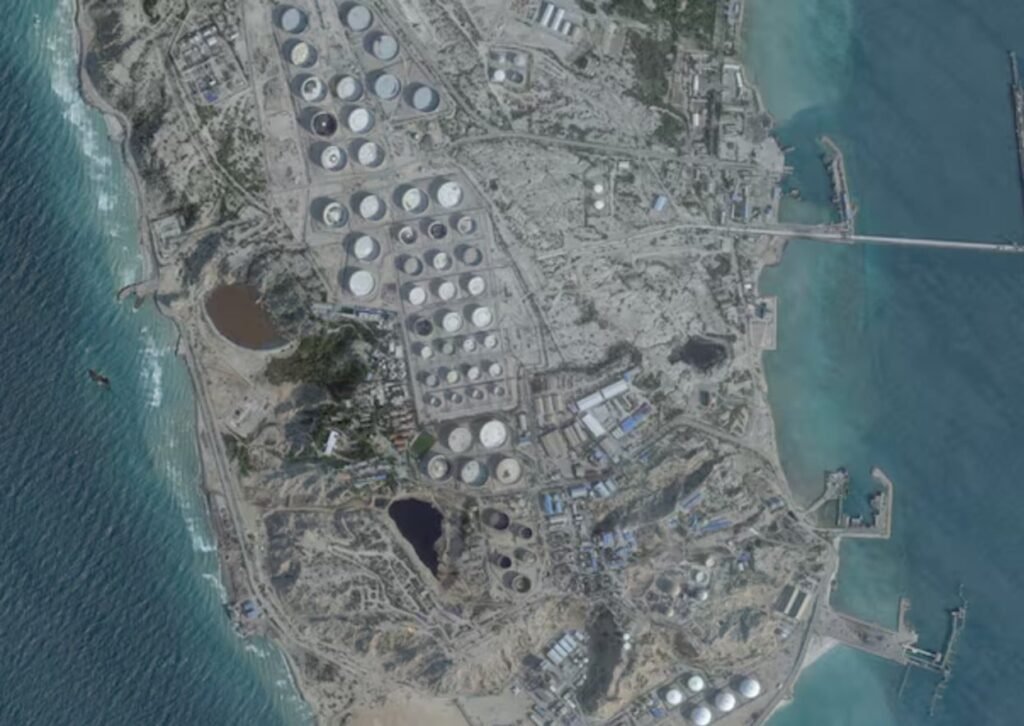
The United States has issued a temporary license related to Iranian oil production and sales after Tehran agreed to maintain a ceasefire and cooperate with international nuclear inspectors. The announcement came following diplomatic talks held in Switzerland, signaling a significant development in relations between Washington and Tehran.
US Treasury Secretary Announces Temporary Relief
US Treasury Secretary Scott Bessent announced the decision in a statement posted on X, formerly known as Twitter. He said the move followed successful negotiations that involved discussions on regional stability and Iran’s nuclear commitments.
According to Bessent, Iran agreed to continue observing a ceasefire and pledged to cooperate with the International Atomic Energy Agency (IAEA). The agreement also includes allowing IAEA inspectors access inside the country.
Following these commitments, Washington issued a temporary license concerning Iranian oil production and sales. However, officials have not disclosed the duration of the license or the exact scope of activities covered under the authorization.
Switzerland Talks Paved the Way
The latest development came after negotiations held in Switzerland. Diplomats from both sides reportedly engaged in discussions aimed at reducing tensions and finding common ground on nuclear monitoring and regional security.
The talks represented another attempt to rebuild trust between the two countries after years of strained relations and economic sanctions.
Observers believe the negotiations focused on practical measures that could prevent further escalation and create conditions for future diplomatic engagement.
The announcement of the temporary license appears to be one of the first tangible outcomes of the discussions.
Iran Commits to Cooperation With IAEA
One of the key elements behind the US decision was Iran’s reported agreement to work closely with the International Atomic Energy Agency.
The IAEA serves as the United Nations’ nuclear watchdog and is responsible for monitoring nuclear activities around the world. International concerns regarding Iran’s nuclear program have remained a major source of tension for years.
According to the statement, Tehran agreed to permit IAEA inspectors to enter the country and carry out monitoring activities. The move could increase transparency and reassure the international community regarding the peaceful nature of Iran’s nuclear program.
Analysts believe that stronger cooperation with the agency may help ease concerns that have long complicated negotiations between Iran and Western countries.
Oil Sector Could Receive Temporary Relief
The temporary license may provide limited relief to Iran’s oil industry, which has faced restrictions under US sanctions.
Iran possesses some of the world’s largest oil reserves. However, sanctions have significantly affected the country’s ability to export crude oil and attract investment.
Although details remain unclear, experts say the authorization could facilitate certain oil-related activities and potentially increase market confidence.
The decision does not necessarily indicate a complete removal of sanctions. Instead, it appears to be a targeted and temporary measure linked to Iran’s compliance with specific commitments.
Ceasefire Commitment Played Key Role
Scott Bessent also emphasized Iran’s commitment to maintaining a ceasefire. Regional conflicts and rising tensions have repeatedly threatened stability in the Middle East over the past several years.
Diplomatic efforts by various countries have focused on preventing further violence and encouraging dialogue among regional actors.
By linking the temporary license to ceasefire commitments and nuclear cooperation, the United States appears to be using economic incentives to encourage constructive behavior.
Political analysts say such measures can help create an environment more conducive to diplomacy and conflict prevention.
International Community Closely Watching Developments
The latest announcement has attracted attention from governments and international organizations around the world.
Many countries have expressed support for diplomatic solutions and greater transparency regarding Iran’s nuclear activities. International observers are expected to closely monitor whether Tehran fulfills its commitments under the agreement.
The coming weeks may provide greater clarity regarding the implementation of the temporary license and the broader implications for US-Iran relations.
Any further easing of restrictions will likely depend on continued cooperation, successful inspections, and adherence to commitments made during the Switzerland negotiations.
Future Relations May Depend on Compliance
The temporary authorization represents an important step in ongoing diplomatic efforts between the United States and Iran.
While major differences between the two countries remain unresolved, the latest move suggests that both sides are willing to pursue dialogue and confidence-building measures.
Whether the current momentum leads to broader agreements will largely depend on future developments and the extent to which both parties honor their commitments.
For now, the temporary license marks a noteworthy shift in a relationship that has experienced decades of tension and mistrust.