
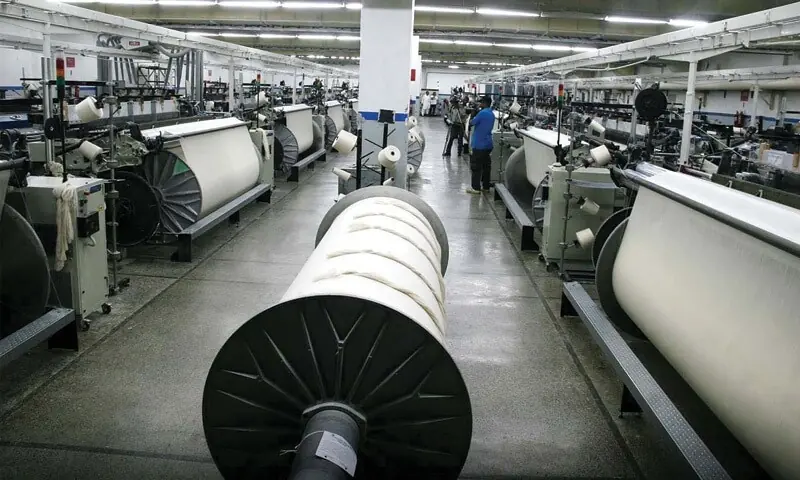
Facing Headwinds: The Looming Crisis in Textile Exports
The country’s primary export-oriented sector is bracing for a severe downturn as it enters the final quarter of the year. Industry leaders have flagged an unprecedented contraction in export volumes, driven by a combination of sluggish international demand, skyrocketing logistics overheads, and persistent local financial hurdles. Without immediate, proactive intervention from policymakers, stakeholders warn that the industry risks losing critical global market share that could take years to recover.
Global Pressures and Surging Logistics Costs
International market conditions have turned increasingly hostile for domestic garment and fabric manufacturers. Persistent inflationary pressures across Western economies have significantly dampened consumer appetite, resulting in reduced order volumes from major international brands and buyers.
Compounding this soft demand is a dramatic spike in international shipping expenses. Maritime freight charges have surged to between 1.5 and 2.5 times their previous levels, squeezing already fragile profit margins. Combined with inflating local input expenses, these international logistics barriers are aggressively eroding the price competitiveness of local shipments on the global stage.
Policy Implementation Gaps and Liquidity Squeezes
Beyond external challenges, domestic structural bottlenecks continue to impede the viability of the supply chain. Representatives point out that while the government previously outlined a fixed Export Finance Scheme (EFS) rate of 4.5% in the fiscal framework, commercial banks continue to charge significantly higher interest rates, ranging from 5.5% to as high as 8.5%.
Furthermore, trade bodies have raised concerns regarding anomalies in fund allocations, noting that capital frequently flows into heavily regulated or negative-list categories while high-performing, value-adding producers face financing rejections. Industry advocates are urging authorities to expedite pending tax refunds, reinstate targeted Duty Drawback of Local Taxes and Levies (DLTL) support between 6% and 8%, and eliminate distortionary cross-subsidies in industrial power tariffs.
Modernization Strategy for Sustainable Growth
To navigate these turbulent economic waters and secure long-term viability, industry analysts emphasize the need for a fundamental strategic shift. Rather than relying on reactive short-term fixes, stakeholders are proposing a comprehensive 10-year strategic roadmap alongside a targeted modernization package.
Proposals include injecting substantial financing into key segments, such as ginning, sizing, weaving, and processing to upgrade machinery, embrace automation, and adopt sustainable green production standards. Experts maintain that aligning state support directly with actual export performance and modernizing industrial infrastructure are crucial steps to safeguarding the economy’s vital foreign exchange lifeline.