Karachi Despite Generating 67% Revenue, Suffers From Crumbling Infrastructure, Water Shortages, Rampant Street Crime, KCCI
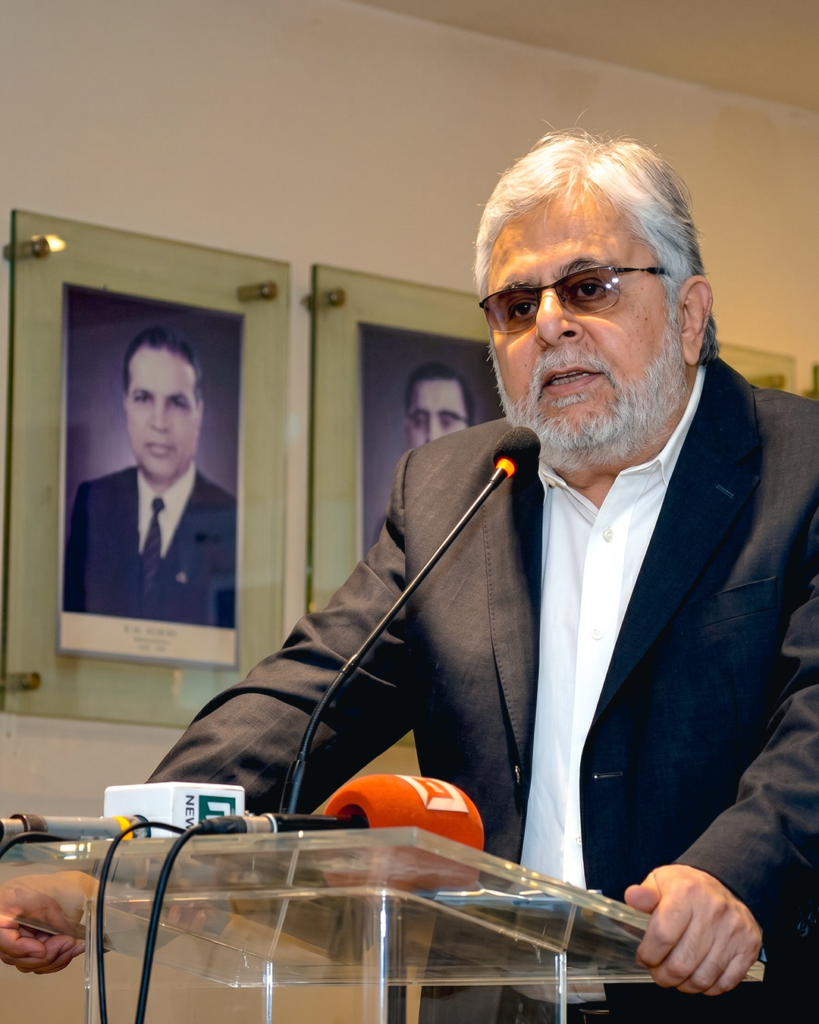
KCCI and BMG Demand Urgent Action on Karachi’s Civic Crisis KARACHI: Businessmen Group (BMG) Chairman Zubair Motiwala has called for an urgent, coordinated effort to address Karachi’s worsening civic and economic challenges, questioning why the country’s economic powerhouse continues to struggle with deteriorating infrastructure, water shortages, unreliable utilities, poor sewerage and rampant street crime despite contributing approximately 67% of federal revenue and 54% of national exports. Addressing a high-level meeting attended by trade and industrial association leaders, Motiwala demanded time-bound action, institutional accountability and measurable results. He stressed that Karachi needed practical solutions rather than repeated assurances. He warned that unreliable electricity and gas supplies, inadequate infrastructure and low industrial capacity utilisation were increasing production costs and weakening business competitiveness. Among his key demands were the early completion of the K-IV water project, a fully operational Safe City system, development of a Karachi Bypass to potentially divert 70% of heavy traffic away from the city, mandatory road-restoration guarantees, independent engineering audits, a business-friendly tax regime, transparent electricity billing, automatic consumer compensation for service failures, regionally competitive gas prices, digital land records and faster tax refunds. Motiwala proposed identifying five immediate priorities, assigning responsibility to relevant institutions and establishing clear deadlines and performance indicators. He also called for a unified platform representing Karachi’s trade and industrial associations to pursue corrective action collectively. Business Community Calls for a Unified Karachi Reform Agenda BMG Vice Chairman Anjum Nisar urged trade and industrial bodies to move beyond highlighting problems and develop a joint, actionable plan. He proposed producing a documentary showing Karachi’s ground realities, including alleged corruption, extortion, excessive taxation and deteriorating infrastructure. Nisar called for permanent solutions to water shortages, completion of K-IV and a practical fiscal model that provides local governments with adequate resources. He also recommended joint pre-budget consultations by the Karachi Chamber of Commerce and Industry (KCCI) and trade associations to develop common proposals. He emphasised coordinated representation before federal and provincial authorities, consistent follow-up and, if negotiations failed, collective protest to secure Karachi’s rights. BMG Vice Chairman Jawed Bilwani similarly urged business leaders to unite behind three or four decisive priorities. He called for urgent implementation of the Safe City project, stronger action against street crime and land grabbing, protection of public land, and transparent documentation and allocation of Karachi’s revenues to meet its civic and infrastructure needs. Bilwani also questioned repeated road excavation and reconstruction, alleged resale of public land, missing manhole covers and encroachments along the Lyari and Malir riverbeds. He warned that poor oversight and encroachments could worsen urban flooding risks. He proposed stronger business community oversight of public works contracts to prevent waste of taxpayers’ money and ensure construction quality. He also advocated a coordinated response to serious attacks on traders, including the possibility of a citywide shutdown if a trader was killed. KCCI Seeks Greater Representation in Government Institutions BMG Vice Chairman Mian Abrar Ahmed called for permanent, direct representation of the Karachi Chamber in key government bodies and public-sector institutions responsible for the city’s infrastructure, utilities and economic development. He identified the Sindh Assembly, Karachi Metropolitan Corporation (KMC) and K-IV project as important forums where business community participation could improve decision-making. Ahmed argued that Karachi’s substantial contribution to national revenue was not reflected in its influence over decisions affecting the city. He also highlighted corruption and bribery as persistent obstacles to business operations, maintaining that occasional consultations could not substitute for a formal role in policymaking. Backing a KCCI resolution passed on September 30, he said institutional representation would improve transparency, strengthen accountability and allow business leaders to communicate local challenges directly to policymakers. BMG Vice Chairman Tariq Yousuf also identified corruption and networks facilitating illegal activities as major contributors to Karachi’s deteriorating civic conditions. He questioned how public roads could be occupied by commercial establishments, traffic violations tolerated and illegal electricity connections maintained. Yousuf said the public ultimately paid the price through congestion, inconvenience and unequal access to essential services, including water, gas and electricity. He called for decisive action against the unlawful occupation of public spaces and misuse of civic resources. KCCI Proposes Committees and a Time-Bound Action Plan KCCI President Talat Mahmood proposed forming a representative committee of Karachi’s trade and industrial associations to prepare an actionable reform agenda within 15 days. He recommended issue-specific subcommittees, comprehensive terms of reference, regular progress reports and a united press conference involving industrialists, traders and small businesses to press federal and provincial governments for concrete action. Mahmood also called for a dedicated anti-corruption initiative to investigate complaints involving public offices, including the Sub-Registrar’s Office and Sindh Building Control Authority. He cited allegations of substantial unofficial payments despite prescribed official fees. He stressed that the approximately 91% electoral support received by BMG should translate into tangible results through unity, clear responsibilities and sustained engagement. Concluding the meeting, Mahmood proposed five committees comprising nominees from all participating trade and industrial associations. The committees would be required to finalise actionable recommendations and comprehensive terms of reference within 15 days, followed by regular progress reviews in coordination with KCCI and town associations. Leader of the Pakistan Cloth Merchants Association Ahmed Chinoy supported a more structured implementation framework. He proposed a 100-day action plan under a KCCI-led Implementation Committee, with priorities and responsibilities established within the first 15 days, engagement with government departments and firm commitments by day 30, and systematic monitoring from day 31 to day 90. Former KCCI President Iftikhar Ahmed Vohra also urged trade and industrial associations to adopt a joint resolution outlining shared priorities, practical measures and a coordinated strategy. KATI Highlights Sewerage, Pollution and Revenue Transparency Deputy Patron-in-Chief of the Korangi Association of Trade & Industry (KATI) Zubair Chhaya called for a coordinated, non-political campaign focused on implementation and accountability. He advocated establishing a dedicated authority to manage Karachi’s fragmented sewerage system, accelerating the Safe City project, coordinating road and utility works, digitising land records and taking action against encroachments, illegal parking and corruption. Chhaya warned that untreated municipal and industrial wastewater