Pakistan SPI Inflation Rises 0.91% as Tomato and Fuel Prices Push Up Cost of Living
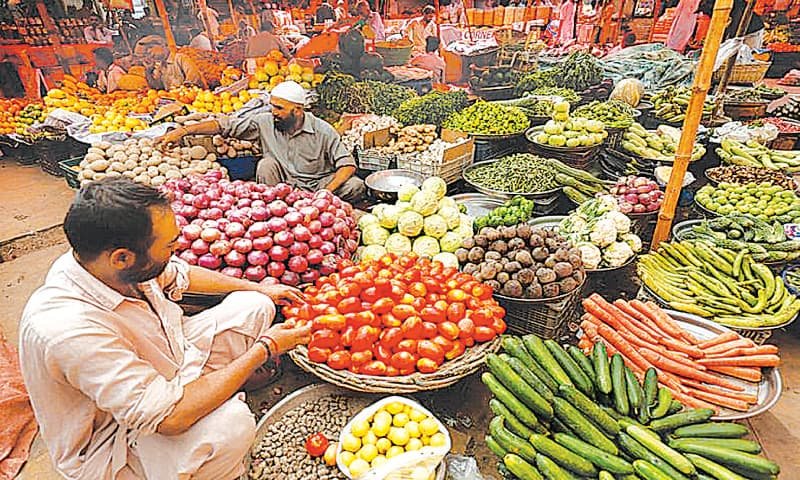
Pakistan SPI Inflation Climbs on Higher Food and Energy Costs Pakistan’s SPI inflation increased by 0.91% during the week ending July 23, 2026, as sharp increases in tomato and fuel prices added further pressure on household budgets, according to the latest figures released by the Pakistan Bureau of Statistics (PBS). On a year-on-year (YoY) basis, the Sensitive Price Indicator (SPI) rose 9.66%, reflecting continued inflationary pressures across food, energy and essential consumer goods. The SPI is a weekly inflation gauge that tracks the prices of 51 essential commodities across 50 markets in 17 cities, providing policymakers with an early indication of changes in the cost of living. Tomato and Fuel Prices Lead Weekly SPI Inflation The biggest contributor to this week’s increase was the sharp rise in tomato prices, which surged 39.92% compared with the previous week. Fuel prices also recorded significant increases following recent adjustments in petroleum prices. Major Weekly Price Increases Higher fuel costs have also increased transportation and distribution expenses, contributing to price pressures across several food categories. Some Essential Commodities Became Cheaper Despite the overall increase in inflation, a number of essential food items recorded weekly price declines. Weekly Price Decreases These declines helped offset part of the increase caused by vegetables and petroleum products but were not enough to prevent overall weekly inflation from rising. Prices Increased for Nearly Half of Essential Items According to PBS data, price movements remained mixed across the basket of 51 commodities monitored under the SPI. Weekly Breakdown The data indicates that inflationary pressure remains broad-based, although price stability continued for a significant portion of essential goods. Annual SPI Inflation Remains Elevated Compared with the same week last year, SPI inflation increased 9.66%, driven largely by higher food, fuel and utility costs. Biggest Annual Price Increases Seasonal supply shortages continued to drive tomato prices sharply higher, while fuel and electricity costs added to transportation and production expenses. Several Commodities Were Cheaper Than a Year Ago Not all items recorded annual increases. Several staples were less expensive compared with the corresponding week of last year. Largest Annual Price Declines While these declines provided some relief, they were outweighed by substantial increases in vegetables, fuel and utility-related items. Urea and Cement Prices Continue to Increase PBS also reported higher prices for key agricultural and construction inputs during the week. The average price of Sona Urea increased to Rs4,655 per 50-kilogram bag, up 0.38% from the previous week and 5.44% higher than a year earlier. Meanwhile, the average price of cement rose to Rs1,536 per 50-kilogram bag, representing a 0.95% weekly increase and a 9.21% annual rise. Higher input costs may place additional pressure on farming, construction activity and broader inflation in the coming months. SPI Inflation Remains a Key Economic Indicator The Sensitive Price Indicator (SPI) remains one of Pakistan’s most closely watched measures of short-term inflation, offering timely insights into changes in food, fuel and household commodity prices. The latest figures suggest that rising petroleum prices and seasonal food supply constraints continue to drive inflationary pressures. Policymakers will be closely monitoring future SPI readings as they assess inflation trends and consider measures to support price stability while protecting household purchasing power.