
Heatwave Warning Issued as Climate Conditions Turn Hotter Than Normal
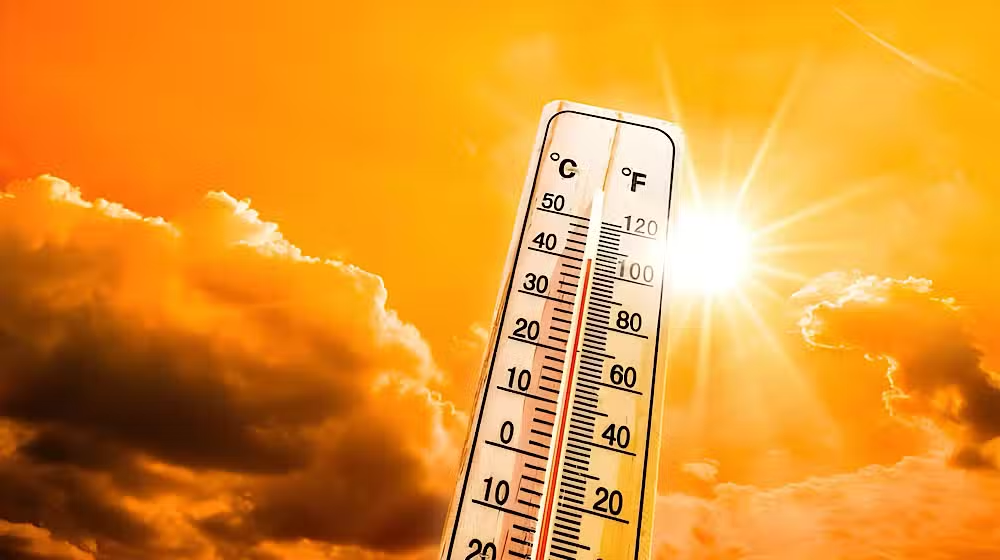
The PMD heatwave warning Pakistan April 2026 has drawn attention across the country as the Pakistan Meteorological Department warns of rising temperatures and developing heatwave conditions in southern regions. The department confirms that temperatures remain above seasonal averages in multiple areas, with further increases expected in the coming days. The National Weather Forecasting Centre of the Pakistan Meteorological Department (Pakistan Meteorological Department) released a detailed update stating that southern Pakistan is already experiencing temperatures 2°C to 4°C above normal. Officials expect conditions to intensify as April ends and May begins. Mild Heatwave Expected in Southern Pakistan The PMD forecasts a mild heatwave from April 29 to May 3 in southern parts of the country. Meteorologists say rising solar intensity and dry atmospheric conditions will contribute to increased heat stress during this period. Officials warn that south Punjab, upper Sindh, and southern and eastern Balochistan will remain the most affected regions. These areas consistently rank as Pakistan’s hottest zones during summer months. The PMD notes that May and June usually bring extreme temperatures across the country. In severe heatwave conditions, temperatures in these regions can surge up to 52°C. Normal seasonal highs generally remain between 43°C and 45°C. Westerly System to Bring Temporary Relief in Northern Areas The weather department also reports an incoming westerly weather system that may provide temporary relief in northern regions. This system is expected to affect upper parts of Pakistan from the night of April 27 to April 29 and again from May 3 to May 5. During this period, temperatures in northern areas are likely to drop by 2°C to 4°C. Meteorologists say this cooling trend will remain limited to upper regions and will not significantly affect southern heatwave conditions. Climate Patterns Show Mixed Global Signals The PMD highlights ongoing global climate conditions that may influence regional weather patterns. Officials confirm that neutral ENSO (El Niño Southern Oscillation) and IOD (Indian Ocean Dipole) conditions currently persist. However, climate models show a 61% probability of El Niño development between May and July. Experts say this could influence monsoon timing and intensity later in the year. El Niño conditions typically disrupt normal rainfall patterns and increase temperature extremes in several parts of South Asia, including Pakistan. Authorities Urge Preparedness Amid Rising Temperatures The PMD urges citizens, especially in southern regions, to take precautionary measures during the expected heatwave period. Health experts recommend avoiding direct sun exposure during peak hours, increasing water intake, and minimizing outdoor activities. Agricultural authorities also monitor the situation closely, as rising temperatures can impact crop growth cycles and water availability in vulnerable regions. The department confirms that it continues to track weather developments and will issue timely updates if conditions worsen or if heatwave intensity increases.