
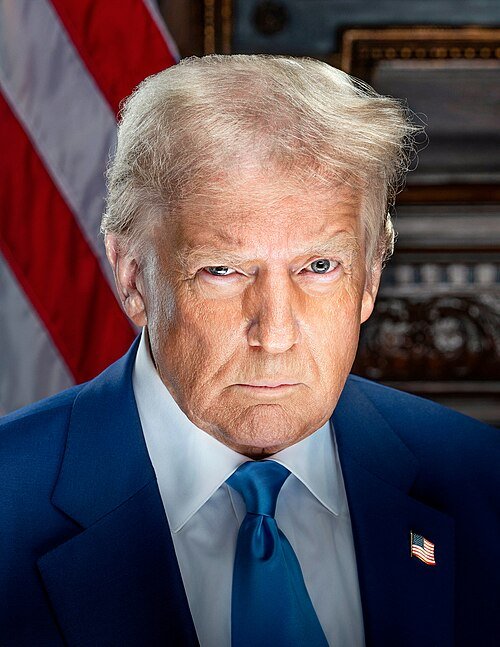
Trump Says Strait Of Hormuz Could Become US Territory After Iran Defeat
The Strait of Hormuz as US territory emerged as a major point of international concern on Friday after US President Donald Trump said he would “soon” declare the strategic waterway a US territory once Iran was defeated. Trump made the remarks during an appearance at a police academy in New York state, as the crisis surrounding the vital maritime corridor intensified following fresh attacks on commercial vessels linked to the United Arab Emirates. The US president said Washington was maintaining a blockade and claimed that ships could not pass through the waterway unless the United States allowed them to do so. “After we finish defeating Iran,” Trump said, the United States would soon declare the Strait of Hormuz a US territory. He did not provide details about how such a move could be implemented or explain its legal implications. The statement came amid growing international concerns over the disruption of maritime traffic through the strait, which is one of the world’s most important routes for oil and gas shipments. Strait Of Hormuz Crisis Disrupts Oil Shipments The latest escalation followed attacks on two commercial vessels affiliated with the Abu Dhabi National Oil Company (ADNOC), according to the United Arab Emirates. The UAE Foreign Ministry condemned what it described as a hostile Iranian attack on the two state-owned commercial vessels. Abu Dhabi said there were no injuries and that the incidents had been brought under control. ADNOC also confirmed that its vessels had been attacked on Thursday evening. The United Kingdom Maritime Trade Operations later reported two similar drone strikes against tankers in the Strait of Hormuz. The attacks caused minor damage to the vessels but raised fresh concerns about the safety of commercial shipping. The incidents came only days after ADNOC reported attacks involving three of its other tankers in the same strategic waterway. The latest attacks appeared to have an immediate impact on maritime traffic. Vessel-tracking data indicated that shipping activity through the strait had slowed sharply, with very limited vessel movement reported. The disruption has increased concerns over global energy supplies because the Strait of Hormuz normally carries a significant share of the world’s oil shipments. Trump Urges Americans To Accept Higher Fuel Prices Trump also urged Americans to accept somewhat higher gasoline prices as part of the cost of preventing Iran from obtaining a nuclear weapon. The president defended the US military campaign against Iran, saying Washington was providing a service to the wider world by preventing Tehran from developing a nuclear weapon. He also said he would not apologise for the attacks on Iran. The comments came as the US administration increasingly focused on the economic consequences of the conflict, particularly the potential impact of the Strait of Hormuz disruption on oil and gasoline prices. US Vice President JD Vance acknowledged that keeping oil and gas prices affordable for American consumers had become an immediate priority for Washington. He said maintaining lower energy prices was a key objective, while preventing Iran from obtaining a nuclear weapon remained another major goal. US Maintains Pressure On Iran The United States has also indicated that its naval blockade of Iranian ports could continue indefinitely. US Defence Secretary Pete Hegseth said the US Navy could maintain the blockade by rotating ships in and out of the region. Washington has simultaneously threatened additional economic measures against Tehran. US Treasury Secretary Scott Bessent said the United States planned to impose further financial pressure on Iran, warning that Washington would pursue economic isolation on an unprecedented scale. The US strategy reflects a broader shift in the conflict, which initially focused heavily on Iran’s nuclear programme but has increasingly centred on control of the Strait of Hormuz and the protection of global energy supplies. Iran Uses Strait As Strategic Leverage Iran has sought to use the Strait of Hormuz as a major bargaining tool in the conflict. By restricting commercial shipping and threatening energy supplies, Tehran has gained significant leverage over international markets and countries that depend on oil shipments passing through the waterway. Analysts have described Iran’s ability to restrict shipping as one of its strongest sources of leverage in negotiations. The situation has also increased pressure on the United States to find a way to restore normal maritime traffic without allowing Iran to gain greater control over the strategic corridor. Trump had previously suggested that an agreement to reopen the waterway could be reached soon. However, the latest developments indicate that tensions remain high, with diplomatic efforts apparently stalled. Saudi Arabia And Qatar Condemn Attacks Regional countries have condemned the latest attacks on commercial vessels. Saudi Arabia denounced the targeting of two UAE-linked oil tankers and called the attacks an unacceptable continuation of incidents involving commercial shipping. Riyadh said Iran should be held responsible for the consequences of continued attacks and called for an immediate end to such actions. Qatar also condemned the attacks, describing them as a violation of international law and freedom of maritime navigation. Doha rejected the use of the Strait of Hormuz as political leverage and called for the waterway to be reopened unconditionally. The statements reflected growing concern among Gulf countries over the economic and security consequences of prolonged disruption in the strategic corridor. Regional Conflict Expands The wider conflict also continued to affect other parts of the Middle East. In Yemen, the internationally recognised government said Houthi forces fired ballistic missiles at the Red Sea port of Mocha, killing eight people and damaging civilian infrastructure. The Houthis disputed the account and said their attacks targeted military positions, weapons depots and warships belonging to Saudi-backed forces. The group also claimed to have launched a separate drone attack against an Aramco facility in Saudi Arabia, although it did not provide details confirming whether the facility was hit. As tensions continue to spread across the region, the Strait of Hormuz remains at the centre of the international energy and security crisis. Any prolonged disruption to the waterway could affect global oil supplies, fuel prices, shipping costs and international