
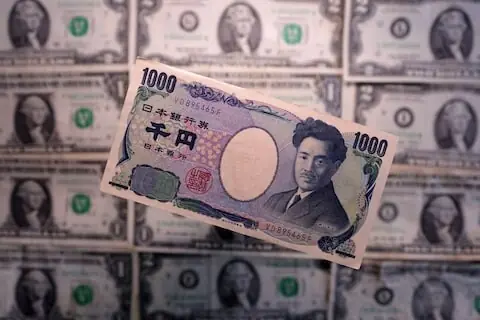
Yen Slumps to 39-Year Low at 162 Against Dollar as US Rate Concerns Persist
The Japanese yen sank to a nearly 39-year low against the US dollar on Monday. It touched 162.29 yen per dollar, the weakest level since December 1986, as traders priced in expectations of higher-for-longer US interest rates. Read More: https://theboardroompk.com/pakistan-ipo-momentum-defies-regional-uncertainty-as-companies-raise-over-rs-20-billion/ Rate Gap Keeps Yen Under Pressure The Bank of Japan raised its policy rate to 1.00 percent from 0.75 percent earlier this month. It marked the highest level in 31 years but did little to narrow the gap with US rates. The Federal Reserve has signalled that another rate increase remains possible before year-end. This outlook continues to favour dollar assets and keeps selling pressure on the yen. Investors have long used the yen as a low-cost funding currency for carry trades. The strategy remains attractive while the interest rate differential stays wide. The recent BoJ hike was largely expected and therefore had limited immediate effect on the exchange rate. Traders are now focusing on upcoming policy meetings for fresh directional clues. Strong US economic data has kept expectations of near-term Fed easing in check. Comments from President Trump urging lower rates have not altered the central bank’s stance so far. Officials Prepare for Possible Market Intervention Japan has intervened in currency markets several times over the past year. The latest round of action ran from late April into May and slowed but did not reverse the yen’s decline. Finance Minister Satsuki Katayama said Japan and the US had agreed to take decisive steps if needed. Prime Minister Sanae Takaichi’s push for extra fiscal spending has added to market attention on Japan’s high debt burden. Higher government borrowing could increase bond supply and weigh on currency sentiment. Market participants are watching Tokyo closely for any fresh verbal or actual intervention. The 162 level carries psychological weight as it was last approached in July 2024. At that time authorities stepped in to support the yen. Current conditions suggest similar vigilance from the Ministry of Finance. A sustained weak yen raises the local-currency cost of imported energy and food. This adds pressure on households and businesses in Japan’s import-dependent economy.