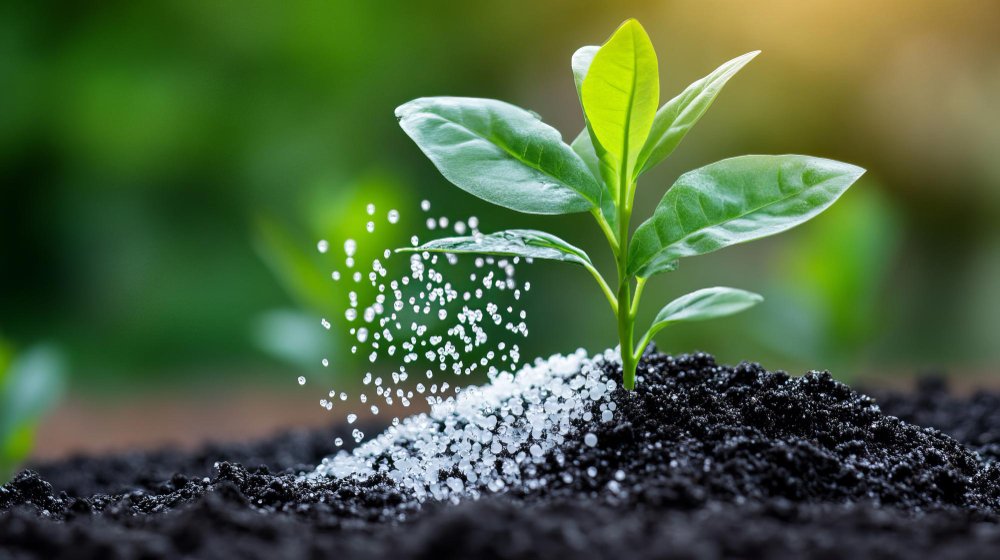
Urea sales Pakistan

Pakistan Fertilizer Consumption Falls 4.5% in May as DAP Offtake Drops Sharply
Pakistan

Pakistan Fertilizer Consumption Falls 4.5% in May as DAP Offtake Drops Sharply

Pakistan’s fertilizer consumption posted a mixed trend in May 2026, with total nutrient offtake falling by 4.5 percent year-on-year to 299,000 tonnes, according to the latest Monthly Fertilizer Review issued by the National Fertilizer Development Centre (NFDC). The decline mainly stemmed from a sharp drop in diammonium phosphate (DAP) consumption, while urea demand remained largely stable. Urea Sales Remain Steady Despite Decline in Overall Consumption According to the report, urea offtake stood at 419,000 tonnes during May, registering a slight increase of 0.2 percent compared with the same month last year. In contrast, DAP consumption dropped significantly by 37.5 percent to 61,000 tonnes from 98,000 tonnes recorded in May 2025. The steep decline in DAP usage weighed heavily on overall fertilizer consumption during the month. Nitrogen, Phosphate and Potash Offtake Falls Nutrient-wise data showed a decline across major categories. Nitrogen offtake fell by 1.1 percent to 247,000 tonnes, while phosphate consumption declined by 17.9 percent to 50,000 tonnes. Potash offtake also dropped by 15.6 percent, reaching 1,700 tonnes compared with 2,000 tonnes during the same period last year. As a result, total nutrient consumption decreased to 299,000 tonnes from 313,000 tonnes in May 2025. Kharif 2026 Fertilizer Consumption Shows Strong Growth Despite weaker performance in May, cumulative nutrient offtake during the Kharif 2026 season, covering April and May, increased by 15.7 percent to 619,000 tonnes. During the same period last year, total nutrient consumption stood at 535,000 tonnes. Urea consumption surged by 31.9 percent to 882,000 tonnes, compared with 669,000 tonnes in Kharif 2025. Nitrogen and potash offtake also increased by 23.7 percent and 21.1 percent, respectively. However, phosphate consumption declined by 11.5 percent during the two-month period, which experts attributed to higher prices. DAP offtake dropped by 24.3 percent to 146,000 tonnes from 193,000 tonnes recorded a year earlier. Domestic Fertilizer Production Reaches 803,000 Tonnes Pakistan’s domestic fertilizer production reached 803,000 tonnes during May 2026. Urea remained the dominant product, accounting for 581,000 tonnes or 72.3 percent of total output. DAP production stood at 78,000 tonnes, contributing 9.7 percent of overall production. Other fertilizer products included: NP: 71,000 tonnesCAN: 66,000 tonnesSOP: 6,100 tonnesNPKs: 1,100 tonnes Meanwhile, imported supplies comprised only 500 tonnes of MOP. Provincial Trends Show Mixed Demand Regional data revealed varying consumption patterns across provinces. Punjab Punjab remained the largest market for fertilizers. Urea offtake increased marginally by 0.1 percent to 282,000 tonnes. However, DAP consumption fell sharply by 42 percent to 40,000 tonnes. Sindh Sindh recorded stronger demand for both major fertilizers. Urea consumption rose by 4.4 percent to 101,000 tonnes, while DAP offtake increased by 3.1 percent to 18,000 tonnes. Khyber Pakhtunkhwa In Khyber Pakhtunkhwa, urea demand declined by 12.9 percent, while DAP consumption dropped by 53.2 percent. Balochistan Balochistan witnessed a 3.3 percent increase in urea offtake. However, DAP demand plunged by 82 percent compared with May last year. Fertilizer Prices Continue to Rise All fertilizer products recorded year-on-year price increases during May. The price of Sona urea increased by 1.7 percent to Rs4,613 per 50-kilogram bag. Prices of other urea brands rose by 1.4 percent to Rs4,459 per bag. DAP prices climbed by 5.9 percent to Rs15,536 per bag. Similarly, prices of other products also increased: NP: up 6.8 percent to Rs9,784SSP (Granular): up 11.4 percent to Rs3,831CAN: up 1.7 percent to Rs4,186SOP: up 10.3 percent to Rs13,584NPKs: up 4.1 percent to Rs10,232Global Urea Prices Trend Lower While domestic fertilizer prices continued to rise, international urea prices moved in the opposite direction. According to the NFDC report, urea prices declined in both China and the Middle East during the month under review. The downward trend in global markets may provide some relief to importers and local producers in the coming months. Outlook for the Agriculture Sector The mixed performance in fertilizer consumption reflects the challenges facing Pakistan’s agriculture sector amid rising input costs. Although demand for urea remained resilient and cumulative Kharif offtake showed improvement, high phosphate prices continued to suppress DAP consumption. Analysts believe that affordability and pricing trends will play a crucial role in determining fertilizer demand during the remainder of the Kharif season.
Pakistan Fertilizer Sector Urea Sales Set a Historic Record
Pakistan

Pakistan Fertilizer Sector Urea Sales Set a Historic Record

Pakistan Fertilizer Sector Urea Sales reached an unprecedented milestone in December 2025, marking the highest monthly urea offtake ever recorded in the country. Industry data shows that total urea sales surged to 1.356 million tons, underscoring robust agricultural demand, efficient market absorption, and renewed momentum in Pakistan’s fertilizer industry. This record-breaking performance highlights the critical role fertilizers continue to play in supporting Pakistan’s agricultural productivity, particularly during the ongoing Rabi cropping season, when nutrient demand peaks for key staple crops. Read More: https://theboardroompk.com/pakistan-textile-council-calls-for-export-emergency-amid-sharp-decline-in-shipments/ Pakistan Fertilizer Sector Urea Sales Driven by Strong Agricultural Demand The sharp rise in Pakistan Fertilizer Sector Urea Sales was primarily fueled by strong demand from farmers during the Rabi season. Improved farmer liquidity, favorable weather conditions, and timely sowing activities significantly boosted fertilizer consumption across major agricultural regions. Relatively stable urea pricing during the month also encouraged farmers to make advance purchases, ensuring adequate nutrient availability for wheat and other winter crops. The uninterrupted availability of fertilizer at retail outlets further supported higher offtake, reducing uncertainty for growers at a crucial stage of the crop cycle. Pakistan Fertilizer Sector Urea Sales Reduce Inventory Levels Sharply As demand surged, urea inventories declined substantially by the end of December 2025. Total nationwide stocks fell to approximately 0.31 million tons, reflecting efficient consumption and a healthy balance between supply and demand. In simple terms, record sales meant that fertilizer produced and supplied during the month was quickly absorbed by the market. Lower inventory levels are generally viewed as a positive signal for the fertilizer industry, as they reduce storage and carrying costs for manufacturers while improving cash flow and operational efficiency. Why Pakistan Fertilizer Sector Urea Sales Matter for Food Security The exceptional performance of Pakistan Fertilizer Sector Urea Sales underscores the strategic importance of fertilizers in maintaining national food security. Urea remains the most widely used nitrogen-based fertilizer in Pakistan and is essential for improving yields of major crops such as: • Wheat• Rice• Sugarcane• Maize With agriculture forming the backbone of Pakistan’s economy, sustained fertilizer availability directly supports crop output, rural incomes, and overall economic stability. Strong urea sales during the Rabi season are particularly significant, as wheat production plays a central role in ensuring food affordability and supply. Key Factors Behind the Record Urea Sales Performance Several factors combined to push Pakistan Fertilizer Sector Urea Sales to an all-time high. These include strong seasonal demand, favorable market conditions, and effective supply chain management. In practical terms, the market experienced higher farmer purchasing activity, timely fertilizer distribution, and steady production levels at fertilizer plants. Together, these elements created an environment where supply efficiently met rising demand without major disruptions. Outlook for Pakistan Fertilizer Sector Urea Sales in 2026 Looking ahead, industry stakeholders will closely monitor several variables that could influence Pakistan Fertilizer Sector Urea Sales in early 2026. These include gas availability for fertilizer plants, production continuity, government pricing policies, and any potential changes to subsidy structures. If the current demand momentum continues, inventories could tighten further, supporting stable plant operations and sustained sales volumes. Analysts believe that continued strength in agricultural input demand points to positive near-term prospects for Pakistan’s fertilizer industry. Conclusion: Pakistan Fertilizer Sector Urea Sales Signal Market Strength The record-breaking Pakistan Fertilizer Sector Urea Sales in December 2025 mark a significant milestone for the industry and reflect renewed confidence across the agricultural value chain. With strong farmer demand, efficient inventory management, and supportive market dynamics, the fertilizer sector has entered 2026 on a solid footing. As food security remains a national priority, sustained fertilizer availability and consumption will continue to play a decisive role in shaping Pakistan’s agricultural and economic outlook.

Scroll to Top