Strait of Hormuz crisis

Oil Prices Surge Above $110 Amid Strait of Hormuz Tensions
Pakistan

Oil Prices Surge Above $110 Amid Strait of Hormuz Tensions

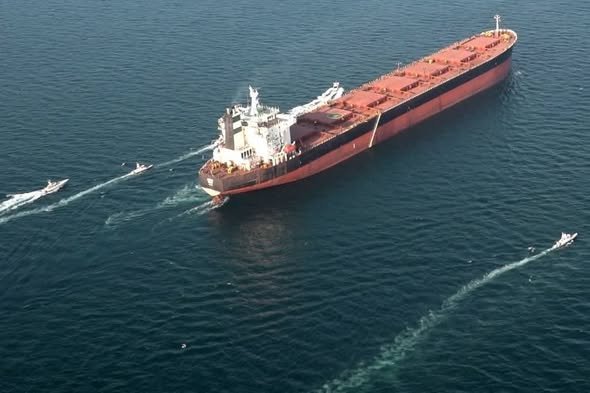
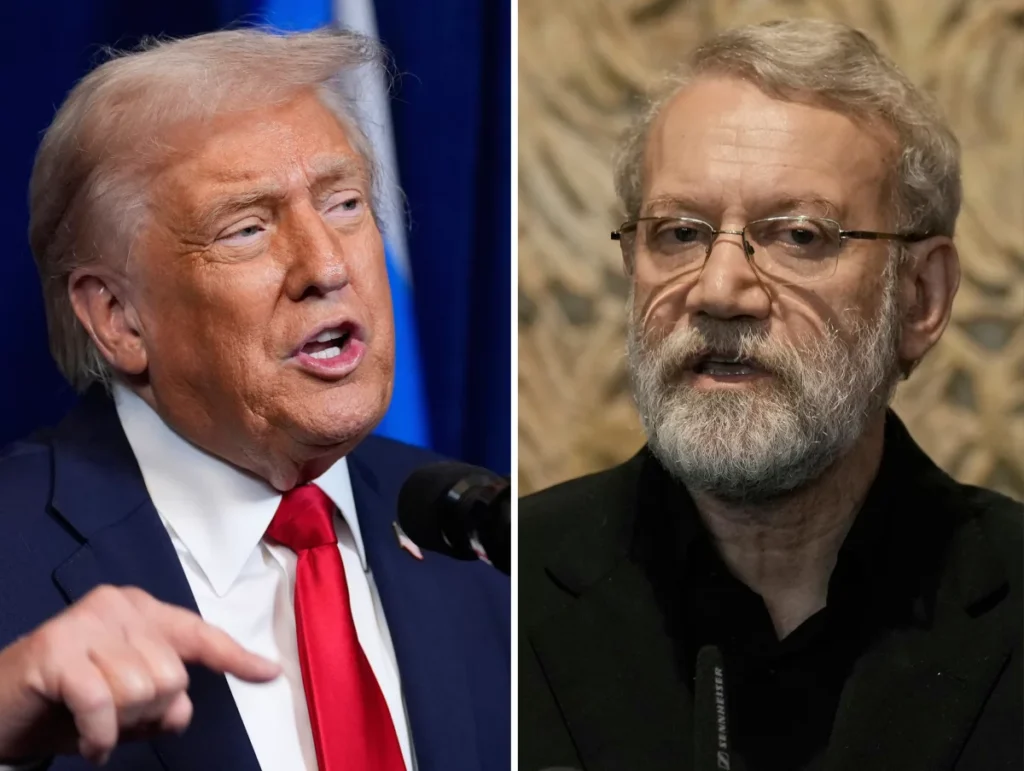
Oil prices surged sharply on Tuesday as geopolitical tensions in the Middle East continued to disrupt global energy markets. Prices climbed above $110 per barrel amid a lack of progress in reopening the Strait of Hormuz, a critical route for global oil shipments. Read More: https://theboardroompk.com/electricity-generation-improves-amid-local-gas-supply-reports-power-division/ Investors reacted cautiously as uncertainty deepened. Markets showed concern over prolonged disruptions in oil supply. At the same time, global equities, especially technology stocks, faced pressure as investors shifted focus to corporate earnings and interest rate outlooks. Brent and WTI Prices Record Strong Gains Benchmark oil prices recorded significant gains during the trading session. Brent crude for June delivery rose 2.7 percent to $111.19 per barrel. Meanwhile, West Texas Intermediate crude climbed 3.4 percent to $99.68 per barrel. Analysts said the price rally reflects growing fears of supply constraints. The ongoing blockade of the Strait of Hormuz has disrupted one of the world’s busiest energy corridors. A large portion of global oil and gas shipments passes through this route, making it vital for energy security. Conflict Stalemate Fuels Market Uncertainty Efforts to end the ongoing conflict in the Middle East remain stalled. The United States is currently reviewing a proposal from Iran to reopen the strait. However, tensions between the two sides continue to rise. Iran has maintained its blockade of the waterway since the start of the US-Israeli offensive two months ago. This move has sent shockwaves through global markets and raised fears of prolonged supply disruptions. Iranian officials stated that Washington can no longer dictate terms. This stance has further complicated negotiations and reduced hopes for a quick resolution. Trump Signals Tough Stance on Iran Proposal Reports suggest that Donald Trump is unlikely to accept Iran’s latest proposal to restore traffic in the Strait of Hormuz. This development has dampened market optimism. Earlier, hopes for a diplomatic breakthrough had increased. However, those expectations weakened after Trump scrapped a planned diplomatic trip. His envoys, Steve Witkoff and Jared Kushner, were scheduled to visit Islamabad to advance discussions. The cancellation signaled a hardening of the US position. Analysts believe this move has contributed to rising uncertainty in global energy markets. Risk of Prolonged Conflict Raises Concerns Qatar has warned that the situation could turn into a “frozen conflict” if no agreement is reached. Such a scenario could prolong disruptions and keep oil prices elevated for an extended period. Market experts say investors are closely monitoring developments. The lack of progress in negotiations has reduced confidence in a near-term resolution. Kathleen Brooks, research director at XTB, said the market remains pessimistic about reopening the strait. She noted that Iran’s demand to delay discussions on nuclear disarmament has complicated talks. Global Economic Impact Intensifies The surge in oil prices is adding pressure to the global economy. Higher energy costs could fuel inflation and slow economic growth in many countries. Investors are also keeping a close eye on central bank policies. Rising oil prices often influence interest rate decisions, particularly in major economies. Technology stocks have already taken a hit as market sentiment shifts. Investors are reallocating funds toward safer assets amid growing uncertainty. The outlook for oil markets remains highly uncertain. Much depends on diplomatic developments and the potential reopening of the Strait of Hormuz. Until then, analysts expect continued volatility in oil prices. Any escalation in tensions could push prices even higher. For now, global markets remain on edge as the Middle East conflict continues without a clear resolution.
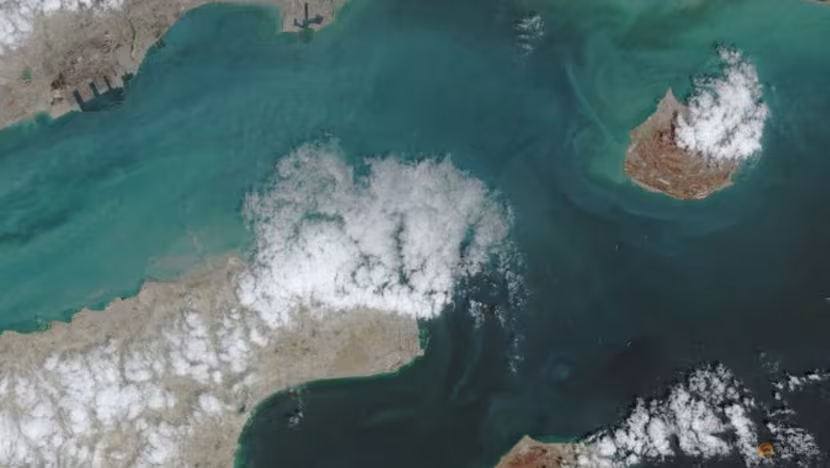
Pakistan Oil Import Relaxation Extension: Industry Sounds Alarm Over Fuel Supply Risks
Pakistan

Pakistan Oil Import Relaxation Extension: Industry Sounds Alarm Over Fuel Supply Risks

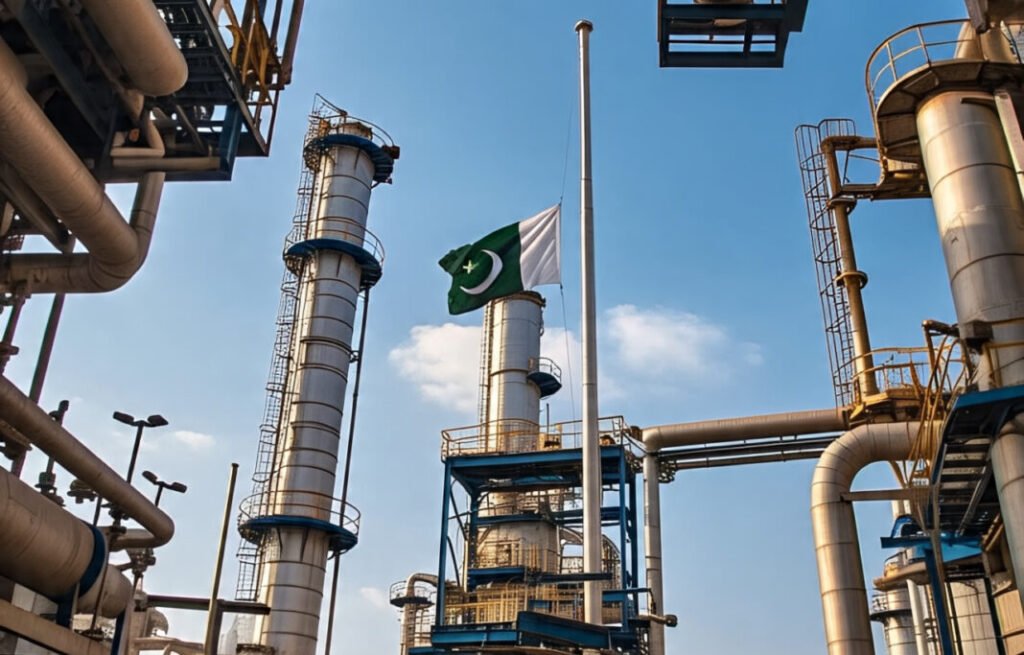
Pakistan Oil Import Relaxation Extension has emerged as a critical demand from the country’s oil sector, as fears of a looming fuel supply crisis begin to intensify. With global geopolitical tensions disrupting shipping routes and inflating costs, industry leaders are warning that failure to act swiftly could leave Pakistan vulnerable to serious energy shortages. Why Pakistan Oil Import Relaxation Extension Is Crucial Right Now The Pakistan Oil Import Relaxation Extension request comes from the Oil Companies Advisory Council, which represents more than three dozen oil firms and refineries. The council has formally urged the State Bank of Pakistan to extend a temporary import facility that is set to expire on May 10. This facility allows oil companies to import petroleum products on a cost, insurance, and freight basis, shielding them from volatile international shipping risks. Initially granted for 60 days, the relaxation proved to be a lifeline for the industry during one of the most uncertain periods in global energy markets. Without this extension, industry insiders warn that Pakistan could face disruptions in fuel supply chains at a time when demand is expected to surge. Global Tensions Driving Pakistan Oil Import Relaxation Extension Demand The urgency behind the Pakistan Oil Import Relaxation Extension is rooted in escalating geopolitical instability. The ongoing tensions linked to the US Israel Iran tensions have significantly impacted maritime trade routes. Critical oil shipping lanes such as the Strait of Hormuz and the Persian Gulf have become high-risk zones. As a result, marine insurers have either withdrawn coverage entirely or imposed steep war risk premiums. In practical terms, this means: • Insurance costs have skyrocketed• Freight rates have surged• Shipowners are increasingly hesitant to operate in the region This combination has created a perfect storm for oil-importing countries like Pakistan. Industry Warning: Ending Relaxation Could Trigger Supply Disruptions The Pakistan Oil Import Relaxation Extension is not just a procedural request, it is being framed as a necessity to maintain energy security. During the initial relaxation period, oil companies managed to secure critical fuel shipments despite adverse conditions. However, the situation has not improved. According to industry stakeholders: • Insurance premiums remain elevated• Shipping risks are still high• Suppliers continue to exercise caution If the facility is withdrawn now, oil marketing companies and refineries may struggle to secure timely shipments. This could disrupt supply chains just as seasonal demand begins to rise. What Happens If Pakistan Oil Import Relaxation Extension Is Denied Failure to approve the Pakistan Oil Import Relaxation Extension could have cascading effects across the economy. Fuel shortages would not only impact transportation but also industrial output and power generation. In explanatory terms, the risks can be understood as follows: • Limited imports could reduce fuel availability nationwide• Increased costs may be passed on to consumers• Industrial activity could slow due to energy constraints• Inflationary pressures may intensify These outcomes would place additional strain on an already fragile economic environment. The Road Ahead for Pakistan’s Energy Stability The Pakistan Oil Import Relaxation Extension now sits at the center of a critical policy decision. The State Bank must weigh the risks of continued relaxation against the potential fallout of inaction. For now, the oil industry’s message is clear: global conditions remain unstable, and withdrawing support prematurely could expose Pakistan to unnecessary economic shocks. As geopolitical tensions continue to shape global energy markets, Pakistan’s ability to adapt swiftly may determine whether it navigates the crisis smoothly or faces a disruptive fuel shortage scenario.

Strait of Hormuz Crisis: Pakistan Warns of Global Economic Shockwaves
World

Strait of Hormuz Crisis: Pakistan Warns of Global Economic Shockwaves

The Strait of Hormuz Crisis is rapidly emerging as one of the most dangerous threats to the global economy, and Pakistan is sounding the alarm at the highest diplomatic level. Speaking at the United Nations Security Council, Pakistan warned that prolonged disruption in this critical maritime route could trigger a chain reaction of economic shocks worldwide. Read More: https://theboardroompk.com/nishat-group-and-icaur-sign-strategic-partnership-to-expand-pakistans-new-energy-market/ From oil tankers to food shipments, the narrow Strait of Hormuz handles a significant portion of global trade. Any instability here is not just a regional concern, it is a global economic emergency in the making. Strait of Hormuz Crisis Could Disrupt Trade and Fuel Inflation Pakistan emphasized that the Strait of Hormuz Crisis could severely interrupt international trade flows. This chokepoint is essential for transporting oil, gas, and fertilizers. A disruption would mean immediate supply shortages and soaring prices. In practical terms, this could translate into higher fuel costs, rising food prices, and worsening inflation across the globe. Developing economies, already struggling with fragile financial systems, would likely bear the brunt of this crisis. Beyond commodities, the ripple effects could include shrinking economic growth, widening current account deficits, and intensifying balance-of-payments pressures. For countries like Pakistan, which rely heavily on maritime trade, the risks are both direct and immediate. Pakistan’s Strategic Concerns in the Strait of Hormuz Crisis Highlighting the country’s vulnerability, Asim Iftikhar Ahmad, Pakistan’s Permanent Representative to the UN, stressed that Pakistan’s geographic position makes it deeply sensitive to developments in nearby waters. As a key littoral state in the Indian Ocean, Pakistan depends heavily on sea-borne trade routes. Any instability in the Strait of Hormuz could disrupt imports of energy and essential goods, putting additional strain on the national economy. Diplomatic Efforts to Defuse the Strait of Hormuz Crisis Amid rising tensions, Pakistan is actively working to reduce geopolitical friction. The country has been engaging in diplomatic efforts to ease tensions between the United States and Iran, with support from major regional and global players. Countries including China, Saudi Arabia, Türkiye, and Egypt are also playing roles in de-escalation efforts. Pakistan has reiterated its commitment to dialogue, urging all sides to prioritize peaceful solutions over conflict. Strait of Hormuz Crisis and Maritime Security Initiatives Pakistan is not just raising concerns, it is actively contributing to maritime security. The country recently took command of Combined Task Force 150, which focuses on securing key shipping routes beyond the Arabian Gulf. Previously, Pakistan led Combined Task Force 151, aimed at combating piracy in international waters. Additionally, Regional Maritime Security Patrols have been launched to safeguard commercial shipping lanes. These initiatives highlight Pakistan’s growing role as a responsible maritime stakeholder amid the escalating Strait of Hormuz Crisis. Legal Frameworks Under Threat Pakistan also underscored the importance of international maritime law, particularly the United Nations Convention on the Law of the Sea. This framework ensures order and stability in global waters. However, weakening adherence to such rules could deepen the crisis. Pakistan warned that ignoring established norms would not only increase tensions but also threaten global peace and sustainable development. A Global Call to Action The Strait of Hormuz Crisis is more than a geopolitical issue, it is a looming economic disaster with global consequences. Pakistan has urged the international community to act collectively, protect maritime routes, and uphold the rules-based international order. Without swift and coordinated action, the world could face a perfect storm of economic instability, rising inflation, and disrupted supply chains.

Pakistan Stock Exchange Falls as Global Tensions Trigger Market Shock
Pakistan

Pakistan Stock Exchange Falls as Global Tensions Trigger Market Shock

The Pakistan Stock Exchange witnessed a turbulent Monday session as investors reacted sharply to rising geopolitical tensions and volatile oil prices. The benchmark KSE-100 Index closed in the red, although late-session buying helped reduce earlier heavy losses. Read More: https://theboardroompk.com/illegal-construction-karachi-crisis-deepens-as-sbca-fails-to-stop-portion-mafia/ The index settled at 172,196.70, declining by 1,742.31 points or 1 percent. Despite the negative close, the session was marked by extreme volatility, with investors scrambling to adjust positions amid uncertainty. Pakistan Stock Exchange Sees Wild Intraday Swings The Pakistan Stock Exchange experienced dramatic swings throughout the day. The KSE-100 Index traded within a wide range of more than 5,297 points. It touched an intraday high of 174,523.76 before plunging to a low of 169,226.56, reflecting panic selling followed by cautious bargain hunting. Trading activity remained strong, with nearly 598 million shares changing hands in the benchmark index. However, market breadth remained decisively negative as 77 companies declined compared to just 22 advancing, signaling persistent selling pressure. Major Stocks Drag Pakistan Stock Exchange Lower Heavyweight stocks played a crucial role in pulling the Pakistan Stock Exchange downward. Fertilizer, cement, and power generation sectors led the decline. Large-cap companies including FFC, HBL, HUBC, LUCK, and ENGROH collectively shaved hundreds of points off the index. On the other hand, selective buying in banking stocks provided partial support. UBL emerged as the biggest positive contributor, followed by BAFL and NBP. These gains prevented a deeper slide in the market. Sector-wise, fertilizer companies exerted the strongest negative pressure, followed by cement and power distribution firms. Some support came from property-related stocks, refinery shares, and engineering companies, where investors hunted for bargains at lower valuations. Geopolitical Tensions Shake Investor Confidence Investor sentiment at the Pakistan Stock Exchange remained cautious due to escalating tensions between the United States and Iran. Reports that the United States seized an Iranian-flagged cargo ship in the Strait of Hormuz triggered fears of supply disruptions. The situation worsened after Iran signaled no immediate plans for further negotiations. Earlier diplomatic expectations linked to comments by Donald Trump about sending a delegation to Islamabad had offered some hope. However, the latest developments dampened optimism. Oil markets reacted sharply, with prices rebounding amid fears of another potential closure of the Strait of Hormuz. Rising oil prices typically increase Pakistan’s import bill, weakening macroeconomic outlook and pressuring equities. This uncertainty weighed heavily on investor confidence throughout the session. Late Buying Helps Pakistan Stock Exchange Recover Despite the panic selling earlier in the day, the Pakistan Stock Exchange saw some late-session recovery. Investors stepped in to purchase fundamentally strong stocks at discounted prices, trimming steep losses. The broader market reflected similar sentiment. The All-Share Index closed at 102,788.51, down 0.98 percent. Overall market participation remained high with more than 1.29 billion shares traded, valued at Rs65.27 billion. Out of 488 companies traded, 319 declined while only 138 advanced, showing that selling pressure dominated even as the market recovered partially. High Volume Stocks Highlight Market Activity The most actively traded stocks included Bank of Punjab, Unity Foods, K-Electric, WorldCall Telecom, and Pak Elektron. These stocks accounted for a significant portion of total market turnover, reflecting strong retail participation despite cautious sentiment. Pakistan Stock Exchange Performance Outlook Although Monday’s session ended negatively, the Pakistan Stock Exchange still shows strong performance over the fiscal year. The KSE-100 Index has gained more than 46,000 points, representing growth of over 37 percent. However, the index remains slightly down for the current calendar year, reflecting ongoing volatility. Market experts believe future direction will largely depend on geopolitical developments, oil price trends, and foreign investor participation. Stability in global energy markets could help restore confidence, while further escalation may keep the Pakistan Stock Exchange under pressure.

US Dollar Falls to Six-Week Lows Amid Hopes of US-Iran Talks
World

US Dollar Falls to Six-Week Lows Amid Hopes of US-Iran Talks

The US dollar hovered near six-week lows on Wednesday as global markets reacted to renewed hopes of diplomatic talks between the United States and Iran. The decline erased nearly all gains the currency had made since the outbreak of the Middle East conflict earlier this year. Read More: https://theboardroompk.com/pakistan-highlights-economic-reforms-at-imf-world-bank-meetings-2026/ The weakening trend in the dollar reflects improving investor sentiment, as traders shift toward riskier assets amid expectations that tensions between United States and Iran could ease in the coming days. Dollar Declines as Diplomacy Hopes Rise The US dollar index, which tracks the currency against a basket of major currencies, fell to 98.109. This level marks its lowest point in more than six weeks. Market optimism increased after Donald Trump signaled that negotiations to end the conflict could resume soon. He suggested that fresh talks may take place in Islamabad, raising hopes for a diplomatic breakthrough. Although previous discussions failed to produce a lasting agreement, investors appear willing to bet on renewed dialogue. Analysts say markets are reacting more to expectations than confirmed developments. Strait of Hormuz Crisis Fuels Market Volatility The conflict has significantly disrupted global energy markets. Iran has effectively shut down the Strait of Hormuz since the war began on February 28. This waterway handles nearly one-fifth of the world’s oil and gas shipments. Its closure triggered a sharp rise in energy prices and initially strengthened the US dollar as investors sought safe-haven assets. At the same time, the United States imposed a blockade on Iranian ports after negotiations collapsed. These actions increased geopolitical tensions and added uncertainty to global markets. However, the latest signals of diplomacy have helped reverse some of the earlier market reactions. Euro and Sterling Strengthen Against Dollar As the dollar weakened, major currencies gained ground. The euro rose to $1.1793, hovering near its highest level since early March. Meanwhile, the British pound, also known as sterling, traded at $1.3574. Currency markets reflected a broader shift toward risk-on sentiment. Investors moved away from defensive positions and increased exposure to higher-yielding assets. Analysts noted that expectations of a potential resolution to the conflict have played a key role in driving this trend. Oil Prices Retreat After Sharp Gains Energy markets also showed signs of stabilization. Brent crude futures slipped 0.28% to $94.52 per barrel after a steep decline in the previous session. Similarly, West Texas Intermediate crude fell 0.7% to $90.64, extending losses from Tuesday’s sharp drop. The earlier surge in oil prices had been driven by supply concerns linked to the Strait of Hormuz disruption. However, easing fears of prolonged conflict have reduced upward pressure on prices. Market participants now view the crisis as a temporary shock rather than a long-term disruption. Global Markets Shift to Risk-On Mode The easing of geopolitical fears triggered a rally across global asset classes. Stocks gained momentum, while risk-sensitive currencies such as the Australian dollar strengthened. The Australian dollar reached its highest level since mid-March, reflecting increased investor confidence. It later stabilized at $0.7124 in early trading. Experts say cross-asset movements indicate that markets are pricing in a potential resolution to the conflict. Investors appear to believe that diplomatic efforts could prevent further escalation. Tony Sycamore, a market analyst, stated that expectations are growing for a near-term resolution. He suggested that the US administration may seek to declare a strategic victory before shifting focus to domestic economic measures. Yen and Bitcoin Show Mixed Movements The Japanese yen, often considered a safe-haven currency, remained relatively stable. It traded at 158.88 per US dollar, showing limited reaction to the latest developments. Meanwhile, Bitcoin recorded modest gains. The cryptocurrency rose 0.6% to $74,612, staying close to a two-month high reached earlier in the week. Bitcoin’s performance reflects ongoing interest in alternative assets, even as traditional markets show signs of recovery. Uncertainty Remains Despite Optimism Despite improving sentiment, uncertainty continues to loom over global markets. The recent talks in Islamabad failed to produce a breakthrough, raising concerns about the durability of the current ceasefire. The two-week truce still has one week remaining, and any escalation could quickly reverse the current trend in financial markets. Analysts caution that while optimism is driving short-term movements, the underlying risks remain significant. The situation in the Middle East continues to evolve, and unexpected developments could impact investor confidence.

Oil Tankers Reroute at Last Minute as US Moves to Block Iran Sea Routes
World

Oil Tankers Reroute at Last Minute as US Moves to Block Iran Sea Routes

The Strait of Hormuz crisis intensified on Monday as oil tankers began steering clear of one of the world’s most critical maritime routes. Shipping data confirmed a sharp shift in tanker movement ahead of a planned US naval blockade targeting Iranian oil exports. Read More: https://theboardroompk.com/pso-announces-appointment-of-jawwad-ahmed-cheema-as-ceo/ The Strait of Hormuz serves as a vital artery for global energy supplies. Any disruption in this narrow passage immediately impacts oil markets and shipping patterns worldwide. Following the announcement, tanker operators moved quickly to avoid the region. This reaction highlights growing fears of escalation after diplomatic efforts between Washington and Tehran collapsed over the weekend. US Blockade Announcement Raises Stakes US President Donald Trump confirmed that the US Navy would begin blockading maritime traffic linked to Iranian ports. His statement came after extended negotiations failed to produce a ceasefire agreement. The decision threatens to derail a fragile two-week truce. It also raises concerns about direct confrontation in one of the most sensitive geopolitical zones. The United States Central Command stated that enforcement would begin at 10 a.m. ET (1400 GMT). US forces will monitor and restrict vessels entering or leaving Iranian ports. Officials clarified that the blockade would apply to ships of all nations engaging with Iranian ports across the Arabian Gulf and Gulf of Oman. However, vessels transiting the Strait to non-Iranian destinations will not face interference. Iran Issues Strong Warning Amid Escalation Iran responded swiftly through the Islamic Revolutionary Guard Corps. Officials warned that any foreign military presence near the Strait would violate the ceasefire agreement. They stated that Iran would respond “harshly and decisively” to any such move. This warning has added another layer of uncertainty to an already volatile situation. The risk of miscalculation remains high. Even a minor confrontation could escalate into a broader conflict, further disrupting global oil flows. Pakistan-Flagged Tankers Continue Strategic Movements Despite rising tensions, some vessels continue operations in the region. Shipping data from LSEG and Kpler revealed that two Pakistan-flagged tankers entered the Gulf on Sunday. The Aframax tanker Shalamar is heading toward the United Arab Emirates to load Das crude. Meanwhile, the Panamax-sized Khairpur is en route to Kuwait to load refined petroleum products. The movement of these vessels indicates that not all operators have halted activity. However, the broader trend shows increasing caution among shipping companies. Pakistan National Shipping Corporation, which manages Shalamar, has not yet issued an official statement regarding the evolving situation. Global Tanker Routes Shift Amid Rising Risks The crisis has forced several vessels to reconsider their routes. The Liberia-flagged VLCC Mombasa B successfully transited the Strait and is now ballasting in the Gulf. In contrast, the Malta-flagged VLCC Agios Fanourios I aborted its journey. The vessel attempted to enter the Gulf to load Iraqi Basra crude for Vietnam but later turned back. It is now anchored near the Gulf of Oman and plans to redirect toward Iraq. This shift reflects the growing uncertainty and operational challenges facing global shipping companies. Managers of both vessels have not responded to media queries, further highlighting the cautious approach adopted by industry players. Supertankers Continue Limited Transit Despite Crisis Despite the heightened tensions, three fully loaded supertankers successfully passed through the Strait on Saturday. These vessels marked the first major outbound shipments since the ceasefire agreement last week. Their movement suggests that some operators still view the route as viable, at least temporarily. However, the number of such transits remains limited. Shipping companies continue to assess risks in real time. Many prefer to delay voyages or reroute shipments rather than face potential conflict zones. Global Energy Markets Face Growing Uncertainty The Strait of Hormuz crisis has once again exposed the vulnerability of global energy supply chains. Even the threat of disruption has forced immediate changes in tanker routes and logistics. Oil markets remain highly sensitive to developments in the region. Any escalation could push prices higher and strain global supply. At the same time, the situation places additional pressure on diplomatic channels. Without a breakthrough, tensions may continue to rise in the coming days. For now, tanker operators, energy companies, and governments are closely monitoring every development. The decisions made in the next 48 hours could shape the direction of global oil markets for weeks to come.

Analysts Warn Trump’s Iran Threats Could Trigger Wider Conflict
World

Analysts Warn Trump’s Iran Threats Could Trigger Wider Conflict

Trump Iran threats analysis has intensified after Donald Trump issued a controversial social media post threatening to strike Iranian infrastructure. The remarks, which included warnings about targeting power plants and bridges, have sparked strong reactions from global analysts, economists, and foreign policy experts. Many now fear that the rhetoric could escalate tensions into a broader regional crisis. Read More: https://theboardroompk.com/iran-rejects-trump-deadline-on-hormuz-warns-of-retaliation/ Experts Call Threats Dangerous and Uncalculated Leading analysts expressed deep concern over Trump’s language and tone. According to multiple policy experts, openly threatening civilian infrastructure crosses a dangerous line. Some warned that such actions could violate international law and trigger severe global backlash. During a discussion led by Fareed Zakaria, experts emphasized that the threats lack strategic clarity. Richard Haass noted that aggressive rhetoric without a clear endgame increases the risk of miscalculation. He stressed that wars often spiral when leaders rely on pressure tactics instead of diplomacy. Similarly, Zanny Minton Beddoes highlighted the unpredictability of the situation. She argued that inconsistent messaging from Washington creates confusion among allies and adversaries alike. According to her, unclear objectives weaken the credibility of US policy. Analysts agreed that public threats of this nature rarely produce compliance. Instead, they often harden positions and escalate conflict. Concerns Over Targeting Infrastructure A major point of concern among analysts revolves around Trump’s explicit mention of infrastructure targets. Experts warned that attacking facilities like power plants and bridges could have devastating humanitarian consequences. Legal analysts stressed that such actions may fall under war crimes if civilian harm is widespread. They argued that even threats alone could damage the US’s global standing and expose it to legal scrutiny. Haass further explained that targeting infrastructure risks provoking retaliation from Iran. He warned that Tehran could respond asymmetrically, including disruptions in key shipping routes like the Strait of Hormuz. Meanwhile, Beddoes emphasized that modern conflicts often extend beyond the battlefield. She pointed out that infrastructure attacks could cripple economies and deepen humanitarian crises. Markets React with Volatility and Fear Economic analysts also reacted strongly to Trump’s statements. Financial markets showed immediate signs of stress following the threats. Oil prices surged, while global stocks experienced volatility. Experts noted that uncertainty drives market reactions more than actual conflict. Trump’s statements, which lacked a clear timeline or strategy, increased investor anxiety. Market strategists described the situation as a “risk-off” environment. Investors shifted toward safer assets, anticipating prolonged instability. Analysts warned that continued escalation could lead to inflation, supply disruptions, and slower global growth. Furthermore, the Strait of Hormuz remains a critical chokepoint for global oil supply. Any disruption could send shockwaves across international markets. Analysts believe that even the threat of closure keeps prices elevated. Political and Strategic Fallout Intensifies Beyond economic concerns, political analysts highlighted the broader implications of Trump’s approach. Several experts described the messaging as inconsistent and potentially counterproductive. Some analysts argued that the threats reflect a pressure strategy aimed at forcing Iran into concessions. However, others believe the approach could backfire. They warned that Iran may interpret the rhetoric as justification for further resistance. During the discussion, Fareed Zakaria noted that mixed messaging complicates diplomacy. He emphasized that allies may hesitate to support a strategy that appears unpredictable. Meanwhile, critics in the US and abroad questioned the long-term objectives of the policy. Analysts pointed out that without a clear diplomatic pathway, escalation becomes more likely. Political reactions have also been sharp. Some leaders described the comments as reckless and destabilizing. Global Stakes Continue to Rise Trump Iran threats analysis shows a growing consensus among experts. Most agree that the current trajectory increases risks across multiple fronts. From military escalation to economic disruption, the stakes remain high.

PSX Market Crash: Pakistan Stock Exchange Plunges Nearly 7% Amid Oil Price Shock
Pakistan

PSX Market Crash: Pakistan Stock Exchange Plunges Nearly 7% Amid Oil Price Shock

The PSX market crash dominated headlines on Monday as the Pakistan Stock Exchange (PSX) experienced one of its sharpest single-day sell-offs in recent months. Investors rushed to exit positions amid escalating geopolitical tensions and a sudden surge in global oil prices, triggering panic across trading floors. The benchmark KSE-100 Index closed at 146,480.14, plunging 11,015.96 points or 6.99%, reflecting widespread investor anxiety. The dramatic drop also forced the exchange to temporarily halt trading after the KSE-30 Index fell more than 5%, activating the market-wide circuit breaker under PSX regulations. The sudden halt underscored just how fragile investor sentiment has become in the face of global uncertainty. Extreme Volatility During the PSX Market Crash Monday’s session was marked by intense volatility. The KSE-100 Index swung within a massive 6,054-point range, highlighting the scale of the panic-driven sell-off. The market reached an intraday high of 150,174 points before falling sharply to a low of 144,119 points, as traders rapidly offloaded shares. Despite the steep decline, market participation remained unusually high. Trading activity surged significantly as investors rushed to reposition portfolios. Instead of presenting the statistics in table format, the key trading indicators show the magnitude of the sell-off: • Total trading volume for the KSE-100 Index reached about 378 million shares.• The broader market recorded over 621 million shares traded, up sharply from the previous session’s 363 million shares.• Market turnover rose to Rs37.12 billion, an increase of Rs14 billion from the prior trading day.• A total of 480 companies were traded, with only 33 stocks advancing, while 386 declined and 61 remained unchanged. The overwhelming negative breadth reflects the scale of the PSX market crash. Major Stocks Dragging the Market Lower Several heavyweight companies were responsible for pulling the benchmark index deep into negative territory. Among the biggest contributors to the decline were fertilizer, banking, and energy giants. Fauji Fertilizer, United Bank Limited, Engro Holdings, Hub Power Company, and Lucky Cement collectively erased thousands of index points, intensifying the downward momentum. Meanwhile, only a handful of stocks managed to resist the sell-off. Pakistan General Insurance (PGLC) emerged as one of the few gainers, posting a modest rise while most of the market remained under pressure. Other major losers included Unity Foods, Bank of Punjab, AGP Limited, and Bannu Woollen Mills, each witnessing double-digit percentage declines. Banking and Fertilizer Sectors Lead the PSX Market Crash Sector-wise, the damage was widespread but particularly severe in key economic sectors. The commercial banking sector recorded the steepest decline, wiping out more than 3,300 index points. Fertilizer companies followed closely, contributing to another 1,800-point drop. Other heavily impacted sectors included: • Cement industry• Investment banks and securities companies• Power generation and distribution companies The widespread losses show how the PSX market crash affected nearly every major segment of Pakistan’s economy. Global Oil Shock Behind the Market Panic The primary catalyst behind the market turmoil was a dramatic surge in global crude oil prices. International oil prices jumped past $110 per barrel after Iran moved to close the Strait of Hormuz, one of the world’s most critical energy shipping routes. The development sent shockwaves through global financial markets and immediately impacted energy-importing economies like Pakistan. The ripple effects were felt domestically when the federal government announced a massive increase in fuel prices. Petrol prices surged from Rs266.17 per litre to Rs321.17, while high-speed diesel climbed from Rs280.86 to Rs335.86 per litre, effective March 7, 2026. These sharp increases significantly raised concerns about inflation, industrial costs, and economic growth. Economic Risks Rising After the PSX Market Crash Higher energy costs could create serious challenges for Pakistan’s manufacturing sector. Industries that rely heavily on fuel and electricity may face rising production costs, forcing them to reduce output or temporarily halt operations. For investors, this translates into concerns over declining corporate profitability and slower economic activity. Despite Monday’s plunge, the KSE-100 Index remains up by about 16.6% during the current fiscal year, though it has fallen nearly 15.8% in the calendar year so far. This contrast highlights the volatile nature of Pakistan’s stock market in the current geopolitical environment. What Investors Are Watching Next Market participants are now closely monitoring several key factors: • Global oil price trends• Developments in Middle East geopolitics• Pakistan’s inflation outlook• Potential monetary policy adjustments Any stabilization in global energy markets could help calm investor nerves. However, continued geopolitical uncertainty may keep the PSX market crash narrative dominating financial discussions in the coming weeks. For now, Pakistan’s stock market remains on edge caught between global energy shocks and domestic economic pressures.

Gold Price Globally Surge Amid Middle East Conflict
World

Gold Price Globally Surge Amid Middle East Conflict

The gold price globally surge amid Middle East conflict is capturing global attention as investors rush toward safe-haven assets in response to escalating geopolitical tensions. With uncertainty gripping financial markets, gold has once again proven its enduring appeal as a store of value during times of crisis.Spot gold prices climbed sharply, rising by 1.52% to $5,356.34 per ounce as of mid-morning trading, reflecting heightened demand among investors seeking stability in volatile conditions. Read More: https://theboardroompk.com/qatarenergy-lng-production-halt-sends-shockwaves-through-global-energy-markets/ Rising Geopolitical Tensions Fuel Gold Price Surge The gold price globally surge am the id Middle East conflict is closely tied to intensifying military developments involving United States, Israel, and Iran. Reports of potential escalation into a prolonged regional conflict have rattled markets worldwide. Statements from Donald Trump reaffirming that military operations would continue “as long as necessary” have further deepened investor concerns. The conflict has expanded beyond borders, affecting multiple countries in the region, including Iran, Israel, and Lebanon, and raising fears of broader instability. As a result, investors are shifting capital into traditional safe-haven assets primarily gold triggering a sustained upward movement in prices. Strait of Hormuz Crisis Amplifies Safe-Haven Demand A critical factor behind the gold price globally surge amid Middle East conflict is the escalating threat to global energy supply chains. Iranian media reports suggest that the strategically vital Strait of Hormuz has been closed, with warnings issued to any vessels attempting to pass through. This development carries massive implications for global trade. The Strait of Hormuz is responsible for nearly 20% of the world’s oil shipments. Any disruption could send crude oil prices soaring, increase inflationary pressures, and further destabilize global markets. The uncertainty surrounding oil flows has intensified risk aversion among investors, reinforcing gold’s position as a hedge against geopolitical and economic shocks. Strong Dollar Fails to Deter Gold Rally Interestingly, the gold price globally surge amid Middle East conflict is unfolding despite strength in the U.S. dollar. Typically, a stronger dollar makes gold more expensive for international buyers, limiting demand. However, in times of extreme uncertainty, both gold and the dollar can rise simultaneously. Investors often treat both as safe-haven assets, leading to parallel demand spikes. The dollar recently hovered near a five-week high, yet gold continued its upward trajectory highlighting the severity of current market fears. Precious Metals Follow Gold’s Upward Trend The gold price globally surge amid Middle East conflict has also lifted other precious metals, signaling a broader shift toward defensive investment strategies. Silver rose by 1.4% to $90.67 per ounce, benefiting from both safe-haven demand and industrial use expectations. Platinum recorded a modest increase of 0.6% to $2,316.50, while palladium led gains among its peers, climbing 1.6% to $1,795.08. This synchronized movement across metals indicates that investors are diversifying within the precious metals space to hedge against prolonged instability. Market Outlook: Will the Gold Price Globally Surge Continue? The trajectory of the gold price globally surge amid Middle East conflict will largely depend on how the geopolitical situation evolves in the coming days and weeks. If tensions escalate further or the Strait of Hormuz remains closed, gold prices could continue to climb. On the other hand, any signs of de-escalation or diplomatic breakthroughs may ease market fears and lead to a pullback in gold prices. For now, uncertainty remains the dominant theme and in such an environment, gold continues to shine. The gold price globally surge amid Middle East conflict underscores a fundamental truth of global markets: during times of crisis, investors prioritize safety over risk. With geopolitical tensions intensifying and critical trade routes under threat, gold has reasserted itself as the ultimate safe-haven asset. As the situation unfolds, market participants will closely monitor developments in the Middle East, currency movements, and energy markets all of which will shape the next phase of gold’s rally.

Gulf Stock Market Shutdown: US–Iran Tensions Triggered an Unprecedented Trading Halt
World

Gulf Stock Market Shutdown: US–Iran Tensions Triggered an Unprecedented Trading Halt

The Gulf Stock Market Shutdown has sent shockwaves across global financial systems, marking one of the most dramatic market responses in recent Middle Eastern history. Following a sudden escalation in geopolitical tensions after a US military strike on Iran, key stock exchanges across the Gulf region have taken emergency action to halt trading. Read More: https://theboardroompk.com/pakistan-inflation-february-2026-cpi-climbs-to-7-is-price-stability-slipping-again/ In a rare move, Boursa Kuwait became the first to suspend trading on March 1, 2026, citing “exceptional circumstances” and the need to protect investors. The decision reflects growing uncertainty and heightened risk across regional markets. UAE Joins Gulf Stock Market Shutdown With Two-Day Closure The ripple effect of the Gulf Stock Market Shutdown quickly spread to the United Arab Emirates. Under directives from the UAE Capital Markets Authority, both the Abu Dhabi Securities Exchange and Dubai Financial Market were closed for March 2–3, 2026. This decision effectively froze billions of dollars in listed assets, as regulators moved swiftly to contain panic and maintain financial stability. Authorities emphasized that the closure was a precautionary measure amid escalating regional conflict and investor uncertainty. Why the Gulf Stock Market Shutdown Happened The Gulf Stock Market Shutdown was triggered by a chain reaction of geopolitical and economic risks: • Military escalation: US-led strikes on Iran prompted retaliatory attacks across the region• Investor panic: Sharp sell-offs and declining indices across Gulf markets• Oil supply fears: Concerns over disruptions in the Strait of Hormuz, a critical global energy chokepoint• Regional instability: Broader fears of conflict spreading across GCC economies Markets that remained open experienced steep losses, with major indices dropping between 3% and 5%. Oil Prices Surge Amid Gulf Stock Market Shutdown One of the most immediate consequences of the Gulf Stock Market Shutdown has been a sharp surge in oil prices. As tensions escalated, crude prices jumped significantly amid fears of supply disruptions through the Strait of Hormuz responsible for nearly 20% of global oil flows. Energy markets reacted instantly: • Oil prices surged by up to 13%• Shipping routes faced disruptions• Insurance costs for maritime trade spiked This volatility underscores the Gulf region’s critical role in global energy markets and highlights how geopolitical tensions can rapidly translate into economic shocks. What This Means for Investors and Global Markets The Gulf Stock Market Shutdown is more than a regional event it signals broader risks for global investors. The temporary closure of major exchanges reflects a defensive strategy aimed at preventing market crashes and preserving liquidity during periods of extreme uncertainty. For investors, this means: • Short-term uncertainty and delayed trading activity• Increased volatility in energy and commodity markets• Potential ripple effects across global equities Analysts warn that continued escalation could deepen market instability, while a diplomatic resolution may help restore confidence. The Bigger Picture: A Test for Financial Resilience The Gulf Stock Market Shutdown highlights how quickly geopolitical tensions can disrupt financial ecosystems. From halted exchanges to surging oil prices, the events unfolding in the Gulf underscore the fragile balance between politics and markets. As regulators monitor developments closely, the key question remains: how long can markets remain insulated from escalating conflict?

Scroll to Top