Pakistan cost of living

Pakistan SPI Inflation Rises 0.97% as Food and Energy Prices Climb
Business

Pakistan SPI Inflation Rises 0.97% as Food and Energy Prices Climb

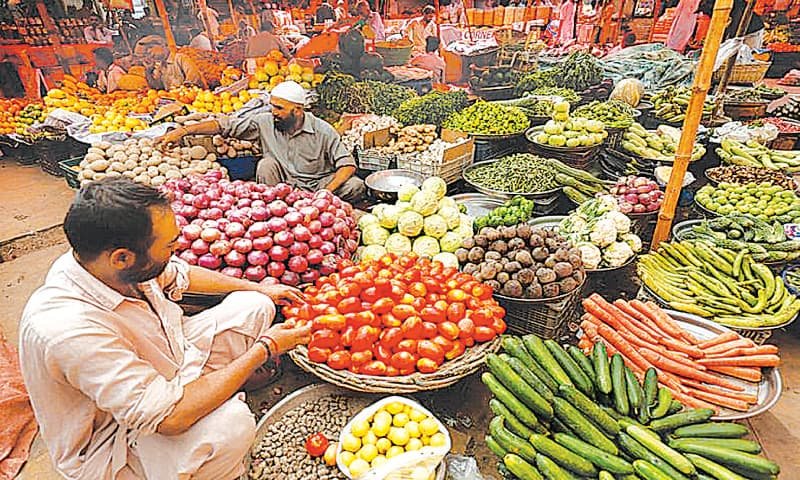
Pakistan SPI Inflation recorded a weekly increase of 0.97% for the week ended March 26, 2026, reflecting rising costs of essential commodities across the country. According to data released by the Pakistan Bureau of Statistics, the surge was primarily driven by sharp increases in food items and household energy costs, impacting consumers already coping with tight budgets. The Sensitive Price Indicator (SPI), a weekly gauge of short-term inflation in Pakistan, tracks price movements of 51 essential commodities across major cities. The latest figures indicate continued volatility in essential goods, particularly vegetables, poultry, and fuel-related items. Pakistan SPI Inflation Driven by Food Price Surge The weekly rise in Pakistan SPI Inflation was largely fueled by a notable increase in vegetable and protein prices. Onion prices jumped by 18.10%, followed by tomatoes which increased by 11.38%. Similarly, poultry and staple food items also recorded upward movements. Chicken prices rose by 8.70%, potatoes increased by 8.11%, while eggs went up by 3.54%. Meat prices also edged higher, with mutton increasing by 2.55% and beef by 1.52%. These increases directly affect household spending, especially for middle- and lower-income families. Energy-related costs also contributed to inflationary pressure. LPG prices surged by 10.05%, and electricity charges for the first quarter increased by 6.11%. Firewood and clothing items such as georgette recorded modest increases as well. Limited Relief as Some Items Decline Despite the overall rise in Pakistan SPI Inflation, a few essential items recorded price declines during the week. Bananas fell by 4.50%, while wheat flour dropped by 1.00%. Sugar prices decreased slightly by 0.29%, and marginal declines were seen in gur, pulse moong, and IRRI rice varieties. However, these decreases were not enough to offset the broader upward trend, as the majority of essential goods continued to show price pressures. Nearly Half of Essential Items Show Price Increase Out of 51 tracked commodities, prices of 23 items increased, representing 45.10% of the basket. Only six items recorded declines, while 22 items remained unchanged. This distribution highlights the widespread nature of inflationary pressure across different categories. The weekly data underscores that Pakistan SPI Inflation is not limited to a single sector but reflects broad-based increases affecting food, energy, and basic household items. Year-on-Year Pakistan SPI Inflation at 8.24% On an annual basis, Pakistan SPI Inflation rose by 8.24% compared to the same period last year. Major increases were recorded in LPG, diesel, and gas charges, each rising by nearly 30% or more. Petrol prices increased by 25.75%, while wheat flour rose by 25.76%. Food inflation also remained elevated. Onion prices increased by 25.07%, chilies powder by 15.20%, and beef and mutton rose by double digits. Powdered milk, basmati rice, and gur also recorded notable increases. However, some items saw substantial year-on-year declines. Potatoes dropped by 45.71%, pulse gram by 17.54%, and eggs by 13.63%. Garlic, salt powder, chicken, pulse masoor, and sugar also recorded decreases, providing limited relief to consumers. Fertilizer and Cement Prices Continue to Edge Higher The data also highlighted changes in input costs relevant to agriculture and construction. The average price of Sona urea reached Rs 4,485 per 50 kg bag, showing a 0.78% weekly increase, though it remained slightly lower compared to last year. Meanwhile, cement prices averaged Rs 1,483 per 50 kg bag, rising 0.68% week-on-week and 7.32% on an annual basis. The increase in construction material costs could impact housing and infrastructure development expenses. What Pakistan SPI Inflation Means for Consumers Pakistan SPI Inflation serves as a real-time indicator of price changes in essential commodities. Since it is calculated weekly, policymakers use it to monitor short-term inflation trends and evaluate market conditions. The latest increase suggests persistent pressure on household budgets, particularly due to food and energy costs. With nearly half of essential items showing price increases, consumers may continue to face higher living expenses in the coming weeks.
Pakistan SPI Inflation Records Weekly Uptick Amid Food Price Volatility
Pakistan

Pakistan SPI Inflation Records Weekly Uptick Amid Food Price Volatility

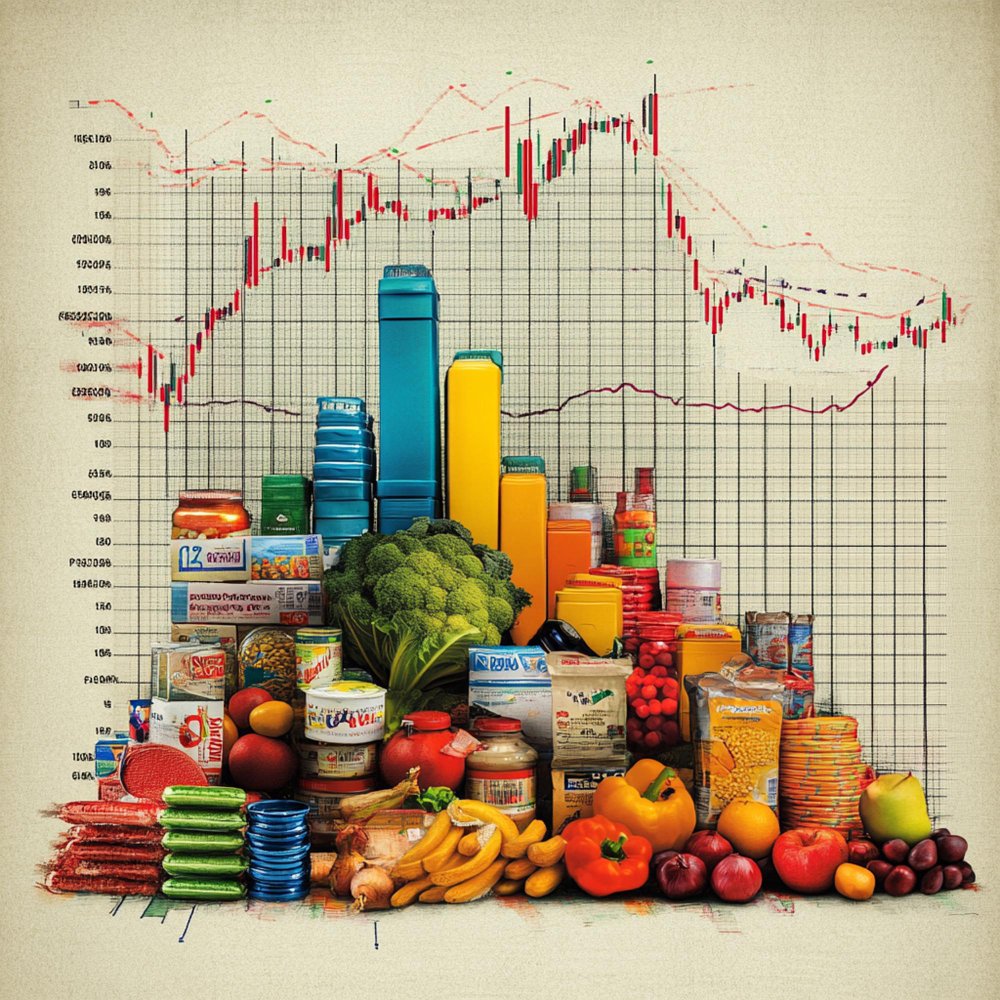
Pakistan SPI Inflation continued its upward movement as short-term inflation, measured through the Sensitive Price Indicator (SPI), rose by 0.12 percent on a weekly basis, according to the latest data released by the Pakistan Bureau of Statistics (PBS). On a year-on-year basis, SPI recorded a notable 3.20 percent increase, highlighting persistent price pressures on essential consumer goods across the country. The SPI serves as a critical indicator for tracking short-term inflation trends in Pakistan and reflects changes in the cost of living for households, especially low- and middle-income groups. Pakistan SPI Inflation: Weekly Price Movement Snapshot During the reported week, PBS monitored 51 essential commodities across 50 markets in 17 major cities. The data shows a mixed inflationary trend: • Prices of 21 items (41.18%) increased• Prices of 8 items (15.68%) declined• Prices of 22 items (43.14%) remained unchanged This price dispersion indicates continued volatility in food and energy items, which remain the primary drivers of Pakistan SPI Inflation. Key Weekly Price Increases Driving Pakistan SPI Inflation The most significant weekly increase was recorded in wheat flour, which surged by 5.07 percent, reinforcing concerns over food inflation. Other notable price hikes included: • Chicken rising by 2.86 percent• Garlic increasing by 2.44 percent• Chilies powder climbing 1.01 percent• Liquefied Petroleum Gas (LPG) up 0.88 percent• Tea (prepared) higher by 0.73 percent• Shirting fabric rising 0.56 percent• Sugar increasing 0.58 percent• Bread edging up 0.22 percent These increases reflect supply-side constraints and seasonal demand pressures contributing to Pakistan SPI Inflation. Items Recording Weekly Price Declines On the relief side, several perishable food items experienced a decline in prices: • Potatoes fell by 3.73 percent• Onions declined 2.20 percent• Pulse gram dropped 1.51 percent• Eggs eased 1.44 percent• Pulse mash fell 0.65 percent• Pulse masoor declined 0.38 percent• Bananas dipped 0.21 percent• Tomatoes edged lower by 0.05 percent Despite these reductions, the overall SPI remained positive due to sharp increases in staple food items. Pakistan SPI Inflation: Year-on-Year Trend Analysis On an annual basis, Pakistan SPI Inflation increased by 2.83 percent for the current week, underlining structural inflationary pressures. Major Yearly Price Increases • Wheat flour surged by a massive 31.12 percent• Gas charges (Q1) jumped 29.85 percent• Beef increased 13.15 percent• Chilies powder rose 13.01 percent• Sugar climbed 11.18 percent• Bananas and firewood increased 10.57 percent each• Gur (jaggery) rose 10.50 percent• Powdered milk increased 9.51 percent• Eggs surged 8.03 percent These figures indicate that food and energy inflation remain key contributors to Pakistan’s overall inflation trajectory. Significant Annual Price Declines Offering Some Relief Several items recorded sharp year-on-year declines, particularly vegetables: • Tomatoes plunged 57.04 percent• Potatoes dropped 48.71 percent• Onions declined 41.33 percent• Garlic fell 39.07 percent• Pulse gram decreased 30.97 percent• Tea (Lipton) down 17.79 percent• Diesel eased 0.30 percent These declines helped partially offset broader inflationary pressures. Industrial Inputs: Fertilizer and Cement Prices Beyond food items, essential industrial inputs also showed marginal movements: • The average price of Sona urea stood at Rs4,346 per 50 kg bag, reflecting a 0.54 percent weekly increase, though still 4.19 percent lower than last year.• Cement prices averaged Rs1,404 per 50 kg bag, showing a 0.20 percent weekly decline, but remained 0.48 percent higher year-on-year. Why Pakistan SPI Inflation Matters PBS calculates Pakistan SPI Inflation on a weekly basis to provide policymakers with real-time insights into price trends. The SPI plays a crucial role in assessing inflationary risks, shaping monetary policy decisions, and guiding government interventions aimed at price stabilization. As inflationary pressures persist, especially in staple food and utility items, SPI data will remain central to understanding Pakistan’s short-term economic outlook.

Scroll to Top