
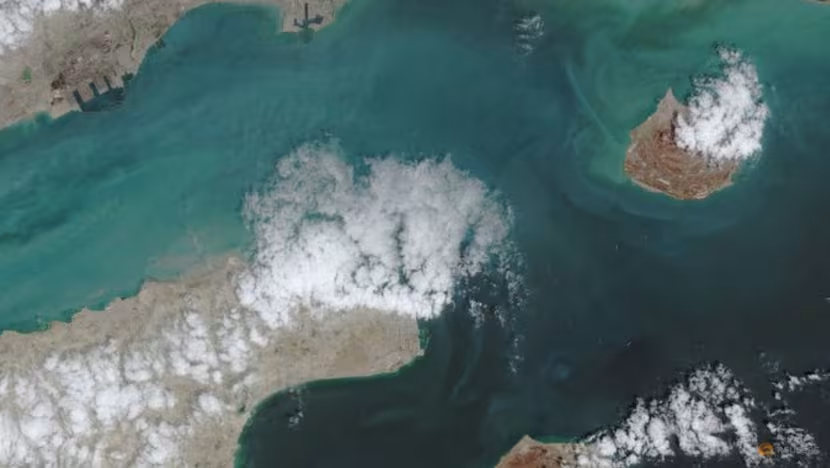
Strait of Hormuz Crisis: Pakistan Warns of Global Economic Shockwaves
The Strait of Hormuz Crisis is rapidly emerging as one of the most dangerous threats to the global economy, and Pakistan is sounding the alarm at the highest diplomatic level. Speaking at the United Nations Security Council, Pakistan warned that prolonged disruption in this critical maritime route could trigger a chain reaction of economic shocks worldwide. Read More: https://theboardroompk.com/nishat-group-and-icaur-sign-strategic-partnership-to-expand-pakistans-new-energy-market/ From oil tankers to food shipments, the narrow Strait of Hormuz handles a significant portion of global trade. Any instability here is not just a regional concern, it is a global economic emergency in the making. Strait of Hormuz Crisis Could Disrupt Trade and Fuel Inflation Pakistan emphasized that the Strait of Hormuz Crisis could severely interrupt international trade flows. This chokepoint is essential for transporting oil, gas, and fertilizers. A disruption would mean immediate supply shortages and soaring prices. In practical terms, this could translate into higher fuel costs, rising food prices, and worsening inflation across the globe. Developing economies, already struggling with fragile financial systems, would likely bear the brunt of this crisis. Beyond commodities, the ripple effects could include shrinking economic growth, widening current account deficits, and intensifying balance-of-payments pressures. For countries like Pakistan, which rely heavily on maritime trade, the risks are both direct and immediate. Pakistan’s Strategic Concerns in the Strait of Hormuz Crisis Highlighting the country’s vulnerability, Asim Iftikhar Ahmad, Pakistan’s Permanent Representative to the UN, stressed that Pakistan’s geographic position makes it deeply sensitive to developments in nearby waters. As a key littoral state in the Indian Ocean, Pakistan depends heavily on sea-borne trade routes. Any instability in the Strait of Hormuz could disrupt imports of energy and essential goods, putting additional strain on the national economy. Diplomatic Efforts to Defuse the Strait of Hormuz Crisis Amid rising tensions, Pakistan is actively working to reduce geopolitical friction. The country has been engaging in diplomatic efforts to ease tensions between the United States and Iran, with support from major regional and global players. Countries including China, Saudi Arabia, Türkiye, and Egypt are also playing roles in de-escalation efforts. Pakistan has reiterated its commitment to dialogue, urging all sides to prioritize peaceful solutions over conflict. Strait of Hormuz Crisis and Maritime Security Initiatives Pakistan is not just raising concerns, it is actively contributing to maritime security. The country recently took command of Combined Task Force 150, which focuses on securing key shipping routes beyond the Arabian Gulf. Previously, Pakistan led Combined Task Force 151, aimed at combating piracy in international waters. Additionally, Regional Maritime Security Patrols have been launched to safeguard commercial shipping lanes. These initiatives highlight Pakistan’s growing role as a responsible maritime stakeholder amid the escalating Strait of Hormuz Crisis. Legal Frameworks Under Threat Pakistan also underscored the importance of international maritime law, particularly the United Nations Convention on the Law of the Sea. This framework ensures order and stability in global waters. However, weakening adherence to such rules could deepen the crisis. Pakistan warned that ignoring established norms would not only increase tensions but also threaten global peace and sustainable development. A Global Call to Action The Strait of Hormuz Crisis is more than a geopolitical issue, it is a looming economic disaster with global consequences. Pakistan has urged the international community to act collectively, protect maritime routes, and uphold the rules-based international order. Without swift and coordinated action, the world could face a perfect storm of economic instability, rising inflation, and disrupted supply chains.