
Pakistan Foreign Investment Stability: Philip Morris International Pushes for Fiscal Reforms
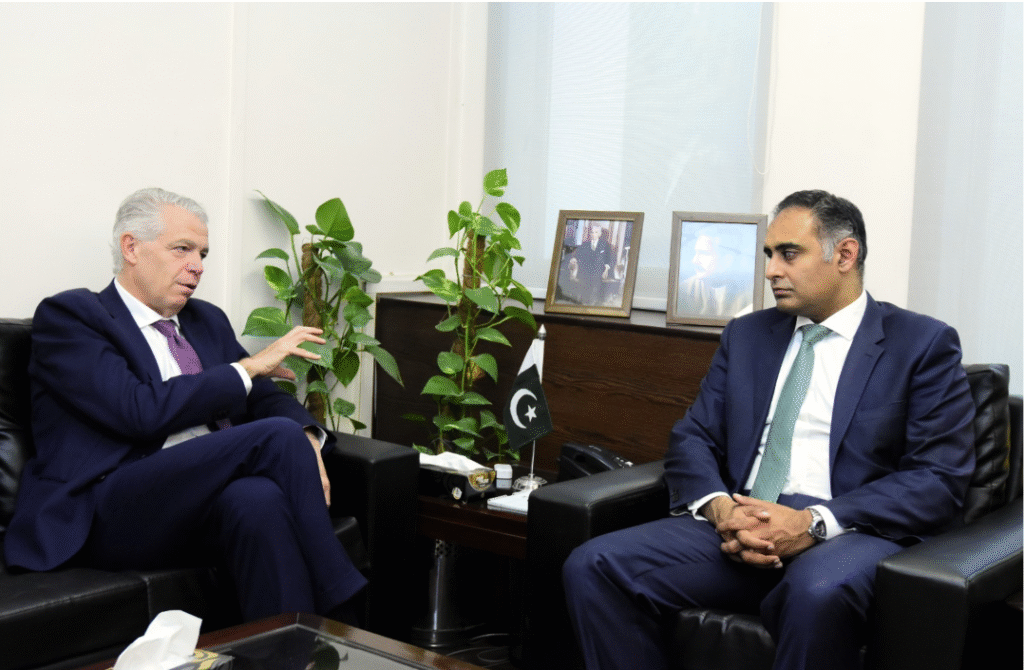
Pakistan foreign investment stability has taken center stage after global tobacco giant Philip Morris International (PMI) engaged directly with the government, signaling growing concern among multinational investors over fiscal uncertainty and regulatory inconsistency. In a high-level meeting at the Ministry of Finance in Islamabad, Bilal Azhar Kayani welcomed a senior delegation led by Marco Mariotti. The discussions revealed not just corporate concerns but a broader warning about Pakistan’s investment climate. PMI’s Economic Footprint in Pakistan During the meeting, PMI emphasized its substantial role in Pakistan’s economy. The company outlined how it contributes significantly to both exports and tax revenues two critical pillars for a country navigating economic stabilization. The delegation presented detailed insights into: • Contribution to national tax collection• Export potential and foreign exchange earnings• Employment generation and industrial activity These points collectively reinforce how multinational corporations like PMI are deeply embedded in Pakistan’s economic ecosystem. Pakistan Foreign Investment Stability and Fiscal Policy Challenges Why Stability Matters for Investors Pakistan foreign investment stability is increasingly tied to predictable fiscal policies. PMI highlighted that inconsistent taxation and weak enforcement against illicit trade are undermining formal sector players. The company raised concerns over: • Unpredictable tax structures• Growth of the informal and illicit cigarette market• Regulatory inconsistencies impacting long-term planning From an investor’s perspective, such challenges increase risk and reduce confidence potentially discouraging future foreign direct investment. Government Signals Pro-Business Intent In response, Minister Kayani reiterated the government’s commitment to building a business-friendly environment. He stressed that Pakistan is actively working toward: • Strengthening regulatory enforcement• Ensuring fair competition across industries• Stabilizing fiscal policies to attract global investors The government also acknowledged the importance of curbing illicit trade, which not only hurts legitimate businesses but also leads to significant revenue leakage for the state. A Strategic Partnership for Economic Stability Pakistan Foreign Investment Stability Moving Forward The meeting concluded on a positive note, with both sides agreeing to maintain ongoing engagement. This signals a potential shift toward a more collaborative approach between policymakers and multinational corporations. The partnership aims to: • Improve regulatory predictability• Strengthen tax compliance frameworks• Enhance long-term economic planning Such cooperation could play a pivotal role in reinforcing Pakistan foreign investment stability, especially at a time when the country seeks to attract large-scale global capital. Why This Matters for Pakistan’s Economy Pakistan stands at a crucial economic crossroads. With rising fiscal pressures and the need for external investment, ensuring a stable and transparent business environment is no longer optional—it is essential. PMI’s engagement serves as a broader indicator of investor sentiment. When multinational corporations call for stability, it reflects systemic concerns that go beyond a single sector. If addressed effectively, these concerns could unlock: • Increased foreign direct investment inflows• Higher tax revenues through formalization• Stronger economic growth driven by industrial expansion A Defining Moment for Investment Policy The dialogue between PMI and Pakistan’s finance ministry underscores a critical reality Pakistan foreign investment stability will define the country’s economic trajectory in the coming years. With global investors watching closely, the government’s next steps on fiscal reforms, regulatory enforcement, and market transparency could determine whether Pakistan emerges as a competitive investment destination or continues to struggle with investor confidence.