
India’s Aviation Sector Near Crisis as Iran War Fuels Record Jet Fuel Costs
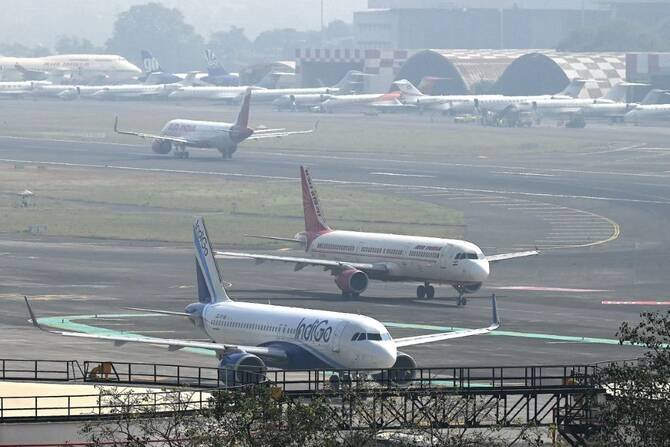
India’s aviation industry is facing severe financial strain, with major airlines warning they may be forced to suspend operations as soaring jet fuel prices—driven by the ongoing Iran conflict—push costs to unsustainable levels. Leading carriers including IndiGo, Air India, and SpiceJet, represented by the Federation of Indian Airlines, have urged the government to intervene by capping aviation fuel prices and temporarily removing excise duties. Airlines argue that current pricing conditions are making operations financially unviable. Fuel expenses—already one of the largest cost components for airlines—have surged dramatically. Previously accounting for around 30–40% of operational costs, jet fuel now makes up as much as 55–60%, creating what industry leaders describe as “non-operatable” conditions. The crisis is largely tied to disruptions in global oil supply following conflict in the Middle East. The closure of the Strait of Hormuz—a critical route for global energy shipments—has significantly driven up fuel prices. As one of the world’s largest oil importers, India has been particularly exposed to these shocks. In addition to rising fuel costs, airlines are also dealing with losses linked to flight disruptions and reduced passenger demand. Industry estimates suggest inbound tourism has dropped by up to 20%, while the sector has incurred losses nearing $2 billion due to the cascading impact of the conflict. Despite managing operational challenges such as airspace closures in the region, airlines say the unprecedented surge in fuel prices now poses the biggest threat to their survival. Without immediate policy support, the sector risks deeper financial distress, potentially disrupting air travel across one of the world’s fastest-growing aviation markets.