Federal Budget Pakistan

Budget 2026-27 Reaction: FPCCI Questions Unrealistic Tax Target and Missing Relief for Industry
Pakistan

Budget 2026-27 Reaction: FPCCI Questions Unrealistic Tax Target and Missing Relief for Industry

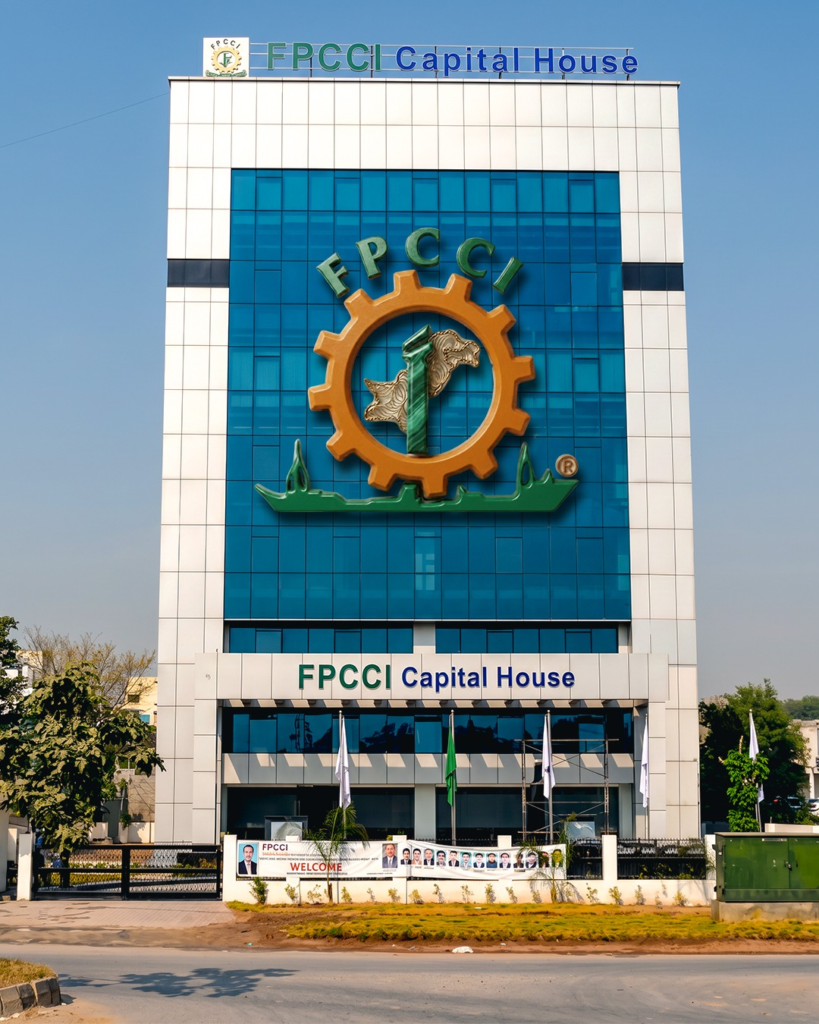
The Budget 2026-27 Reaction from Pakistan’s business community has been mixed, but one message stood out clearly from the Federation of Pakistan Chambers of Commerce and Industry. Senior Vice President Saquib Fayyaz Magoon praised a handful of measures while warning that the federal government’s ambitious revenue expectations may prove detached from economic realities. Addressing a press conference in Karachi, Magoon described the government’s Rs15.2 trillion tax collection target as unrealistic and cautioned that excessive reliance on taxation without meaningful industrial relief could place additional pressure on businesses already struggling with high operating costs. Budget 2026-27 Reaction Questions Rs15.2 Trillion Tax Goal The government’s decision to set a tax collection target of Rs15.2 trillion has become one of the most debated aspects of the federal budget. According to FPCCI, achieving such a target would be extremely challenging under prevailing economic conditions. Businesses continue to face slowing demand, elevated financing costs and persistent uncertainty. Without broadening the tax base and improving compliance mechanisms, industry representatives fear that authorities may resort to squeezing already documented sectors. The criticism reflects a broader concern that unrealistic targets often lead to aggressive revenue measures later in the fiscal year, creating unpredictability for investors and taxpayers alike. Housing and Development Measures Receive Support Despite reservations, FPCCI welcomed several initiatives announced in the budget. The allocation of Rs71 billion for the Apna Ghar Housing Scheme and the construction sector was described as a positive step. The housing industry has long been viewed as a catalyst for economic activity because it stimulates demand across multiple sectors including cement, steel, paint, electrical goods and labor-intensive services. Similarly, increased allocations for development projects and higher education received appreciation from the business community. Investment in infrastructure and education is often seen as critical for long-term economic competitiveness. Export Financing Gets a Boost but Major Demands Ignored Under the budget, Rs88 billion has been allocated for export refinance facilities, a move welcomed by exporters. However, FPCCI argued that the government stopped short of addressing exporters’ core concerns. Budget 2026-27 Reaction Highlights Exporters’ Frustration Exporters had strongly advocated for the introduction of a fixed tax regime to simplify compliance and enhance predictability. The government did not accept this proposal. More importantly, no meaningful announcement was made to reduce industrial production costs. Businesses maintain that Pakistan cannot significantly expand exports if manufacturers continue to bear expensive energy tariffs and rising input costs. Without competitive production expenses, exporters fear losing ground to regional rivals. No Energy Relief Raises Serious Concerns One of the biggest disappointments highlighted during the press conference was the absence of energy price relief. Industry stakeholders had expected measures aimed at reducing electricity and gas costs. Instead, the budget remained silent on this issue. Given that energy constitutes a major component of industrial expenditure, the omission has intensified concerns over Pakistan’s ability to boost manufacturing and exports. For many businesses, lower energy prices were considered essential rather than optional. Retailers and Remittances Left Out FPCCI also criticized the lack of incentives for overseas Pakistanis sending remittances. Despite remittances serving as a vital source of foreign exchange, the budget introduced no fresh measures to encourage inflows through formal channels. At the same time, concerns were raised over increased withholding tax rates affecting retailers. According to the chamber, retailers are already difficult to bring into the tax net. Raising withholding taxes without addressing structural issues may increase compliance burdens without achieving the desired documentation objectives. Debit Card Tax Withdrawal Encourages Documentation Among the few widely appreciated decisions was the removal of the five percent deduction previously imposed on debit card transactions. Business leaders believe this step will encourage digital payments and strengthen efforts to promote a documented economy. Greater reliance on formal financial channels could improve transparency and reduce cash-based transactions over time. Final Verdict on Budget 2026-27 Reaction Saquib Fayyaz Magoon concluded that FPCCI would conduct a detailed review of the Finance Bill before presenting its comprehensive recommendations. For now, the business community’s verdict remains cautious. While the budget contains encouraging allocations for housing, development and export financing, the absence of energy relief, the rejection of exporters’ key demands and the ambitious tax target have left many questioning whether the Budget 2026-27 can truly deliver the economic momentum Pakistan urgently needs.

Budget 2026 Reaction: Zubair Motiwala Questions Government's Growth Strategy and Tax Targets
Pakistan

Budget 2026 Reaction: Zubair Motiwala Questions Government’s Growth Strategy and Tax Targets

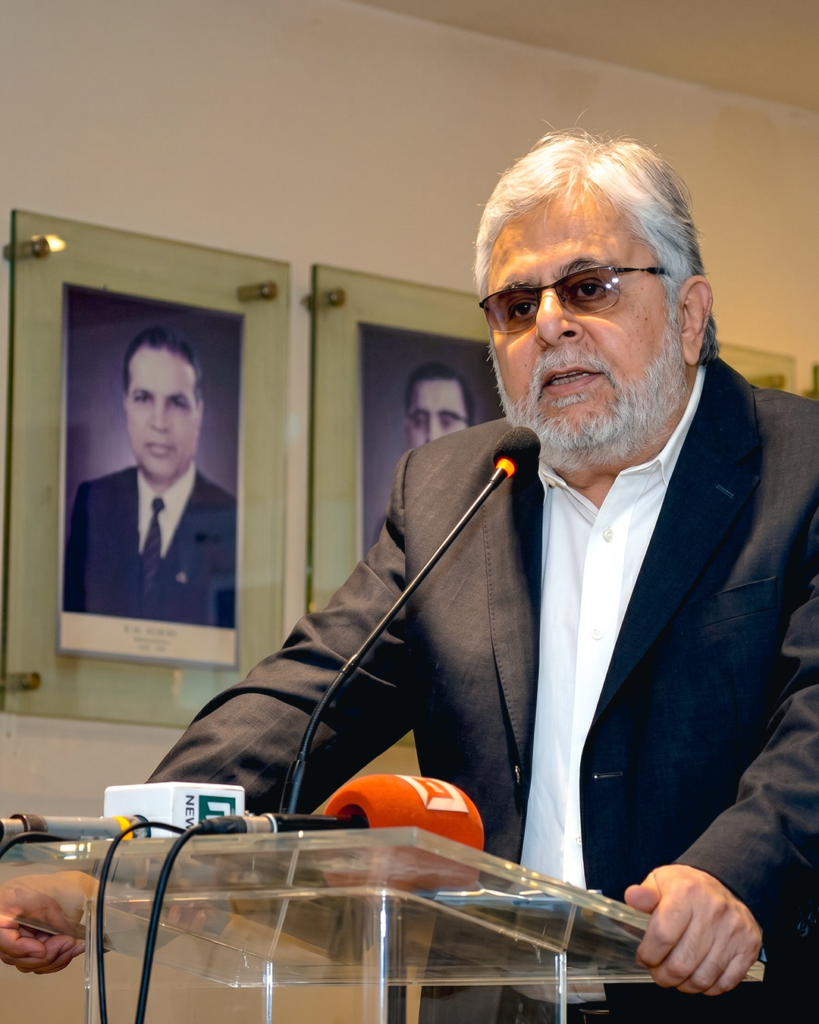
Budget 2026 Reaction from Pakistan’s business community has exposed a widening gap between government promises and industry expectations. Businessmen Group Chairman and former Chief Executive of the Trade Development Authority of Pakistan, Zubair Motiwala, delivered a blunt assessment of the federal budget, arguing that while a few measures deserve appreciation, the overall document fails to provide a convincing roadmap for economic revival. Addressing a press conference, Motiwala questioned whether the budget truly addresses the challenges faced by exporters, industrialists, and ordinary citizens. Budget 2026 Reaction Highlights Lack of Export Incentives Motiwala acknowledged that the Economic Survey indicated improved fiscal space and praised the country’s remittance performance, predicting that overseas Pakistanis could push annual remittances beyond 40 billion dollars. However, he expressed disappointment over the government’s failure to announce meaningful incentives for exports. According to him, the budget does not contain any clear strategy capable of substantially increasing exports, despite repeated official claims that export-led growth remains a national priority. He argued that exporters have once again been left searching for practical support measures. Fixed Tax Regime Still a Major Concern One of the strongest points raised during the Budget 2026 Reaction was the demand for a predictable fixed tax regime. Motiwala reiterated that businesses have consistently sought certainty in taxation. He maintained that authorities should collect taxes under a fixed framework rather than continuously changing policies that create uncertainty and discourage investment. He also criticized the government’s approach of placing additional burdens on existing taxpayers instead of expanding the tax base. According to him, Pakistan’s long-standing problem is not the absence of taxpayers but the failure to bring untaxed sectors into the formal economy. Energy Costs Remain the Elephant in the Room Energy prices emerged as another major concern. Although the government referred to energy-related initiatives, Motiwala argued that no practical details were shared. He questioned how the authorities intend to reduce costs associated with LNG and gas supplies. He also noted the complete absence of any significant discussion regarding electricity prices. For manufacturers already struggling with rising operational expenses, these unanswered questions could determine whether businesses survive or shut down. He warned that industries across the country are operating below capacity, reducing productivity and limiting employment opportunities. Refund Delays Continue to Hurt Industry The BMG chairman urged the government to immediately release pending refunds owed to exporters and businesses. He stated that billions of rupees remain tied up in delayed payments, depriving industries of working capital needed to maintain operations and pursue expansion. At a time when businesses are facing liquidity constraints, refund delays continue to undermine confidence in the economic system. Tax Relief Measures Win Limited Praise Despite his criticism, Motiwala acknowledged several positive decisions. He welcomed the elimination of tax on super tax collections, calling it a sensible move. He also appreciated the reduction in taxes imposed on salaried individuals and described lower taxes for the construction sector as encouraging developments that could stimulate economic activity. Construction, he argued, supports numerous allied industries and generates employment across various skill levels. Can the Government Achieve Its Ambitious Tax Target? Perhaps the most alarming question raised during the Budget 2026 Reaction concerned the government’s revenue ambitions. The federal government has set a tax collection target of 15 trillion rupees. Motiwala openly questioned how authorities plan to generate an additional 1.5 trillion rupees required to meet this objective. Without expanding the tax net and improving compliance mechanisms, he suggested that achieving such targets may prove difficult. The fear within the business community is that shortfalls could ultimately result in heavier taxation on already compliant sectors. Budget 2026 Reaction: Neither Good Nor Bad Summing up his assessment, Motiwala described the budget as neither entirely good nor entirely bad. He acknowledged selected relief measures but stressed that the absence of a comprehensive strategy for exports, energy affordability, industrial competitiveness, and tax expansion leaves many critical questions unanswered. His final message carried a warning policymakers may find difficult to ignore. If industries operate efficiently, people find jobs. When factories slow down, economic hardship spreads beyond boardrooms and factory floors to ordinary households. For Pakistan’s business community, the real test of this budget will not be in the announcements made today but in the results delivered over the coming months.

Pakistan Budget 2026 Tax Relief: Salaried Class Gets Major Relief as Housing, Health and Education Receive Billions
Breaking News

Pakistan Budget 2026 Tax Relief: Salaried Class Gets Major Relief as Housing, Health and Education Receive Billions

The Pakistan Budget 2026 Tax Relief measures have emerged as one of the most closely watched announcements in recent years, offering substantial benefits to salaried individuals while unveiling billions of rupees in development spending. The latest budget proposals attempt to balance public welfare, business competitiveness, and revenue generation at a time when inflation and economic pressures continue to squeeze households and companies alike. For millions of Pakistanis struggling with rising living costs, the government’s decision to lower income tax rates across multiple salary brackets could provide some much-needed breathing space. Pakistan Budget 2026 Tax Relief Brings Good News for Salaried Employees The biggest headline from the budget is undoubtedly the relief granted to salaried taxpayers. The government has reduced income tax rates across four major salary slabs, acknowledging the growing burden faced by middle and upper-middle-income professionals. Individuals earning annual salaries between PKR 2.2 million and PKR 3.2 million will now pay a tax rate of 20 percent instead of 23 percent. Those earning between PKR 3.2 million and PKR 4.1 million will see their tax rate reduced from 30 percent to 25 percent. Employees with annual salaries ranging from PKR 4.1 million to PKR 5.6 million will now pay 29 percent instead of 35 percent, while taxpayers earning between PKR 5.6 million and PKR 7 million will benefit from a reduced rate of 32 percent compared with the previous 35 percent. Perhaps even more significant is the complete abolition of the surcharge imposed on salaried individuals, a move likely to resonate strongly with urban professionals who have repeatedly demanded fairer taxation. Housing, Health and Education Receive Billions While tax relief captured public attention, the development allocations reveal where the government intends to spend public money. Under the Prime Minister’s Apna Ghar Housing Scheme, PKR 71 billion has been allocated to support affordable housing initiatives. The scheme aims to improve home ownership opportunities for low and middle-income families. Public health has been allocated PKR 25.1 billion for the upcoming fiscal year. The investment comes as Pakistan’s healthcare system continues to face pressure from population growth and increasing service demands. The higher education sector will receive PKR 46 billion, signaling the government’s intention to strengthen universities, research institutions, and academic development. Meanwhile, PKR 26.3 billion has been earmarked for the broader education sector, reflecting the continued importance of educational reforms and access. Corporate Pakistan Also Gets Relief Businesses have not been left out of the Pakistan Budget 2026 Tax Relief package. The government has announced reductions in super tax obligations aimed at improving the investment climate. Companies generating profits between PKR 150 million and PKR 500 million will no longer pay super tax. Larger corporations earning above PKR 500 million will benefit from a reduction in super tax from 10 percent to 8 percent. These measures are expected to encourage business expansion and improve investor confidence at a time when private sector growth remains crucial for economic recovery. IT Sector and Small Businesses Receive Incentives Pakistan’s export-oriented technology sector has retained its concessional tax regime. The reduced tax rate of 0.25 percent on IT exports will continue, offering certainty to one of the country’s fastest-growing industries. The government has also introduced a fixed tax regime under Section 99B for small shopkeepers. Officials hope the simplified structure will improve documentation while easing compliance burdens for small traders. Another notable change involves foreign transactions. The tax on international payments made through credit and debit cards has been slashed dramatically from 5 percent to just 0.5 percent. Additionally, capital gains tax on Pakistanis holding foreign assets is being abolished. New Duties Target Luxury and Counterfeit Markets While relief has dominated headlines, the budget also introduces new revenue measures. A Federal Excise Duty of PKR 80 per litre will be imposed on white spirit and mineral turpentine. The objective is to discourage the production and sale of substandard and counterfeit petroleum products. Imported vehicles with engine capacities ranging from 2000cc to 3000cc will now attract Federal Excise Duty. Imported electric vehicles valued above PKR 20 million have also been brought into the excise net, signaling a targeted approach toward luxury consumption. In another surprising move, the Federal Excise Duty previously applicable to business-class international travel has been abolished. Will Pakistan Budget 2026 Tax Relief Deliver Real Economic Impact? The latest budget attempts to send a clear message to both households and businesses. Tax-paying employees are being offered relief after years of complaints. Corporate Pakistan is receiving incentives designed to stimulate investment. Strategic sectors such as housing, education, health, and information technology are receiving financial support. However, the ultimate success of these measures will depend on implementation, fiscal discipline, and whether the promised relief translates into genuine improvements in economic activity and living standards. For now, Pakistan Budget 2026 Tax Relief has given millions of taxpayers and businesses a reason to pay close attention to the country’s economic direction.

Pakistan Budget 2026-27 on June 10 as Coalition Government Maps Out Economic Strategy
Editor pick

Pakistan Budget 2026-27 on June 10 as Coalition Government Maps Out Economic Strategy

Pakistan Budget 2026-27 is to be unveiled on June 10 after crucial consultations between the federal government and coalition partners, signaling the beginning of another decisive chapter for the country’s economy. The proposed budget date emerged following high-level discussions involving Deputy Prime Minister and Foreign Minister Ishaq Dar, Finance Minister Muhammad Aurangzeb, and senior leaders of the Pakistan Peoples Party (PPP). The meeting focused on shaping fiscal priorities, development spending, and economic policies that could influence millions of Pakistanis in the coming year. Pakistan Budget 2026-27 Date Gets Coalition Backing The federal government appears ready to move forward with presenting the Pakistan Budget 2026-27 on June 10, 2026. According to Ishaq Dar, coalition partners unanimously agreed to recommend the date to Prime Minister Shehbaz Sharif after reviewing key economic challenges and opportunities facing the country. The decision reflects growing coordination within the ruling alliance as policymakers attempt to strike a balance between economic stability and public welfare at a time when Pakistan continues to face fiscal pressures and development demands. Major Focus Areas in Pakistan Budget 2026-27 One of the central themes of the consultations was the allocation of resources for current and development expenditures. Officials extensively reviewed priorities under the Public Sector Development Programme (PSDP), which remains a key vehicle for infrastructure projects, social development, and economic expansion. Discussions also examined strategies aimed at maintaining fiscal sustainability while ensuring that development initiatives continue to support employment generation and economic activity. Government officials reportedly evaluated measures related to: • Public welfare spending• National development projects• Revenue generation strategies• Fiscal discipline and budget management• Inclusive economic growth initiatives• Long-term economic stability The upcoming budget is expected to reveal how the government plans to manage these competing priorities while maintaining investor confidence and meeting development objectives. Economic Growth Versus Fiscal Discipline The Pakistan Budget 2026-27 arrives at a critical time for policymakers. On one hand, the government is under pressure to continue development spending and provide relief measures for citizens. On the other, fiscal constraints require careful management of expenditures and revenue collection. This balancing act has become one of the biggest challenges for economic managers. The consultations highlighted the government’s intention to pursue growth-oriented policies without compromising fiscal responsibility. Finance officials are expected to prioritize efficient resource allocation, stronger revenue collection mechanisms, and targeted development spending designed to generate sustainable economic benefits. Key Political and Economic Figures Attend Budget Talks The pre-budget consultation brought together several influential political leaders and senior government officials. Participants included Sindh Chief Minister Murad Ali Shah, Naveed Qamar, Sherry Rehman, Saleem Mandviwalla, Sindh Irrigation Minister Jam Khan Shoro, Minister of State for Finance and Railways Bilal Azhar Kayani, Special Assistant to the Prime Minister Tariq Bajwa, Finance Secretary Imdadullah Bosal, and Federal Board of Revenue Chairman Rashid Mahmood Langrial. Their participation underscores the importance of coalition consensus as the government prepares one of its most significant economic policy announcements of the year. Why Pakistan Budget 2026-27 Matters The Pakistan Budget 2026-27 will serve as a roadmap for the country’s economic direction over the next fiscal year. Businesses, investors, taxpayers, and development stakeholders will closely monitor budget proposals for signals regarding taxation, infrastructure spending, economic reforms, and growth initiatives. With coalition partners actively involved in shaping priorities, the upcoming budget is expected to reflect both economic realities and political considerations. As June 10 approaches, attention will increasingly focus on how the government intends to promote growth, maintain fiscal discipline, and address the economic expectations of the public. The final budget announcement could provide critical insights into Pakistan’s broader strategy for economic recovery, development, and long-term financial stability.

Pakistan Tax Refunds to Be Cleared by June 15 as PM Shehbaz Sharif Unveils Agenda
Pakistan

Pakistan Tax Refunds to Be Cleared by June 15 as PM Shehbaz Sharif Unveils Agenda

Pakistan Tax Refunds have emerged as a central issue in the government’s latest efforts to strengthen business confidence and accelerate economic growth. Prime Minister Shehbaz Sharif has assured Pakistan’s business leaders that all outstanding tax refund claims will be settled by June 15, signaling a major move aimed at easing liquidity pressures on exporters and industrialists. The announcement came during a high-level meeting between the prime minister and representatives of chambers of commerce and industry from across the country. The discussions focused on proposals for the upcoming federal budget, export promotion, industrial development, and measures to improve the overall business climate. Pakistan Tax Refunds Become a Key Test of Government Credibility For years, delayed tax refunds have been a major complaint of Pakistan’s business sector. Exporters and manufacturers have repeatedly argued that blocked refunds reduce cash flow, increase operational costs, and discourage investment. Recognizing these concerns, Prime Minister Shehbaz Sharif directed the Federal Board of Revenue to clear all pending refund cases by June 15. The directive is being viewed as a crucial step toward rebuilding trust between the government and the private sector. Business leaders believe timely refunds could inject billions of rupees back into the economy and help industries expand production capacity at a time when Pakistan is seeking stronger economic growth. Government Signals New Phase of Economic Expansion The prime minister stated that the government has successfully stabilized the economy and is now shifting its attention toward growth-oriented policies. According to officials, the upcoming federal budget is expected to include additional incentives designed to support industries, attract investment, and boost exports. Sharif emphasized that industrialization remains essential for Pakistan’s long-term economic prosperity. He stressed that increasing production and strengthening manufacturing capabilities are critical for creating jobs and improving export performance. Export Growth Remains the Government’s Top Priority Exports continue to be a cornerstone of Pakistan’s economic strategy. During the meeting, the prime minister highlighted the need for stronger cooperation between the public and private sectors to expand the country’s export base. He also welcomed commercial banks’ decision to continue financing under the Export Finance Scheme at a rate of 4.5 percent until June 2027 despite recent changes in monetary policy. The move is expected to provide exporters with affordable financing and help maintain Pakistan’s competitiveness in international markets. Karachi Strengthened as Pakistan’s Business Capital In another significant decision, the prime minister ordered the relocation of the headquarters of Pakistan Revenue Automation Limited to Karachi. The decision acknowledges Karachi’s status as Pakistan’s commercial and financial hub. Business leaders have long argued that major economic institutions should be closer to the country’s largest business community to improve coordination and operational efficiency. SMEs and Electric Vehicle Manufacturing Gain Government Attention The government also reaffirmed its commitment to supporting small and medium-sized enterprises, commonly known as SMEs. Sharif said SME reforms and incentives will remain a priority because the sector plays a critical role in employment generation and economic diversification. At the same time, he encouraged local investors to pursue partnerships and joint ventures focused on electric vehicle manufacturing. The push reflects Pakistan’s growing interest in developing a domestic EV industry while reducing reliance on imported fuel and technology. Business Community Backs Reform Agenda Representatives from chambers of commerce expressed confidence in the government’s economic direction and pledged continued cooperation in promoting investment and job creation. Business leaders also praised several recent initiatives, including reforms in the Export Development Fund Board, the privatization of Pakistan International Airlines, the digital transformation of the FBR, and the rollout of electronic invoicing systems. They further committed to supporting efforts aimed at documenting the economy through digitization and regulatory improvements. A Defining Moment for Pakistan’s Economic Future The commitment to clear Pakistan Tax Refunds by June 15 may become one of the most closely watched economic promises of the year. Combined with export incentives, SME reforms, industrial support measures, and digital transformation initiatives, the government’s latest announcements indicate a determined effort to shift from economic stabilization toward sustainable growth. As businesses await the federal budget, the success of these commitments could play a decisive role in shaping investor confidence, boosting industrial activity, and accelerating Pakistan’s economic recovery in the months ahead.

Scroll to Top