Federal budget 2026-27

Budget 2026-27 Expected to Exceed Rs17.5 Trillion, New Taxes and Salary Relief Under Consideration
Pakistan

Budget 2026-27 Expected to Exceed Rs17.5 Trillion, New Taxes and Salary Relief Under Consideration

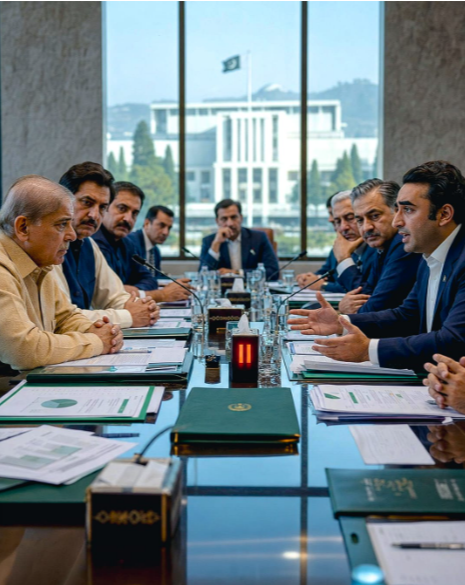
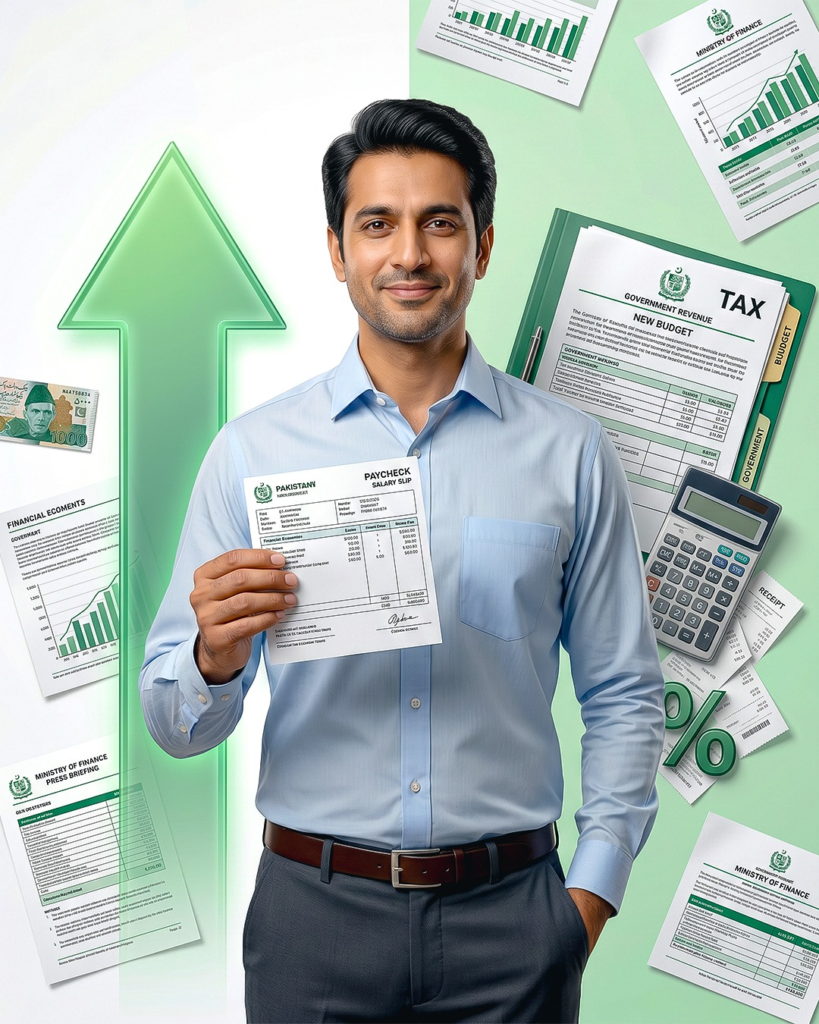
The federal government is expected to unveil a budget exceeding Rs17.5 trillion for fiscal year 2026-27, with proposals aimed at increasing revenue, providing relief to salaried individuals and promoting economic growth. According to budget proposals, the government has set a tax revenue target of Rs15.267 trillion and plans to generate around Rs1 trillion in additional revenue measures. New taxes worth Rs220 billion have also been proposed. Relief Expected for Salaried Class The government is expected to approve an increase in salaries and pensions as part of the new budget. Authorities are considering providing up to Rs50 billion in tax relief to salaried individuals. A proposal is also under consideration to increase the number of income tax slabs from six to eight. People earning more than Rs183,000 per month are likely to receive relief under the revised tax structure. The government is also considering reducing the tax rate for one income bracket from 25 percent to 20 percent. Meanwhile, new tax rates of 29 percent and 32 percent have been proposed for monthly incomes ranging between Rs467,000 and Rs583,000. The maximum tax rate of 35 percent is expected to remain unchanged for individuals earning more than Rs583,000 per month. Officials are also considering abolishing the surcharge currently imposed on annual incomes exceeding Rs100 million. New Measures for Electric Vehicles The budget proposals include changes for the automobile sector. Sales tax on imported electric vehicles may increase to 25 percent, while the existing taxation regime for hybrid vehicles is likely to remain unchanged. The government is also considering imposing a carbon levy on conventional vehicles. At the same time, incentives have been proposed to promote local electric vehicle manufacturing. Customs duty and sales tax on motors and batteries may be reduced to 1 percent, while exemptions from other taxes, including the Federal Excise Duty and Capital Value Tax, are also under consideration. Petroleum Levy Target Set at Rs1.7 Trillion The government plans to collect Rs1.727 trillion through the petroleum levy during the next fiscal year. Budget proposals also include imposing a Federal Excise Duty on naphtha and some other petroleum products to increase revenues. Growth Targets and Employment Plans The government has set a GDP growth target of: 3.8 percent for agriculture4 percent for industry4.5 percent for large-scale manufacturing4.2 percent for the services sector Authorities are aiming to create two million jobs during FY2026-27. The target includes: However, the trade deficit is projected to remain above $37 billion. Exports are expected to reach $32.8 billion, while imports are estimated at $70 billion. Development Spending to Reach Rs3.669 Trillion The national development plan is expected to amount to Rs3.669 trillion. The federal Public Sector Development Programme (PSDP) is proposed at Rs1 trillion, while provincial development programmes are expected to total Rs2.218 trillion. Budget proposals indicate reductions in development spending for Punjab, Sindh and Khyber Pakhtunkhwa. The government has also decided to limit new projects, with priority likely to be given to defence and internal security requirements. Debt Servicing and Defence Spending Debt servicing is expected to remain the largest expenditure item in the upcoming budget. The government has allocated approximately Rs7.824 trillion for interest payments on loans. Meanwhile, the defence budget is expected to stand at around Rs3 trillion. Tax Reforms Under Consideration The government is considering bringing cryptocurrency trading into the tax net. Proposals also include imposing capital gains tax ranging from 10 percent to 30 percent. A reduction of 1 to 2 percent in the super tax is also under consideration. Officials are reviewing the possibility of ending tax exemptions available to the former tribal districts. In addition, sales tax on some food items, including ghee, cooking oil and milk, may increase. The government is also planning stricter penalties for businesses that fail to install point-of-sale (POS) systems. Solar Panel Tax Proposal Withdrawn Authorities have decided not to increase taxes on solar panels and stationery items. Officials have also opted against making major changes to taxation on the stock market. The Federal Budget 2026-27 is expected to be formally presented later today.
Budget 2026-27 Expected to Exceed Rs17.5 Trillion, New Taxes and Salary Relief Under Consideration
Pakistan

Budget 2026-27 Expected to Exceed Rs17.5 Trillion, New Taxes and Salary Relief Under Consideration

The federal government is expected to unveil a budget exceeding Rs17.5 trillion for fiscal year 2026-27, with proposals aimed at increasing revenue, providing relief to salaried individuals and promoting economic growth. According to budget proposals, the government has set a tax revenue target of Rs15.267 trillion and plans to generate around Rs1 trillion in additional revenue measures. New taxes worth Rs220 billion have also been proposed. Relief Expected for Salaried Class The government is expected to approve an increase in salaries and pensions as part of the new budget. Authorities are considering providing up to Rs50 billion in tax relief to salaried individuals. A proposal is also under consideration to increase the number of income tax slabs from six to eight. People earning more than Rs183,000 per month are likely to receive relief under the revised tax structure. The government is also considering reducing the tax rate for one income bracket from 25 percent to 20 percent. Meanwhile, new tax rates of 29 percent and 32 percent have been proposed for monthly incomes ranging between Rs467,000 and Rs583,000. The maximum tax rate of 35 percent is expected to remain unchanged for individuals earning more than Rs583,000 per month. Officials are also considering abolishing the surcharge currently imposed on annual incomes exceeding Rs100 million. New Measures for Electric Vehicles The budget proposals include changes for the automobile sector. Sales tax on imported electric vehicles may increase to 25 percent, while the existing taxation regime for hybrid vehicles is likely to remain unchanged. The government is also considering imposing a carbon levy on conventional vehicles. At the same time, incentives have been proposed to promote local electric vehicle manufacturing. Customs duty and sales tax on motors and batteries may be reduced to 1 percent, while exemptions from other taxes, including the Federal Excise Duty and Capital Value Tax, are also under consideration. Petroleum Levy Target Set at Rs1.7 Trillion The government plans to collect Rs1.727 trillion through the petroleum levy during the next fiscal year. Budget proposals also include imposing a Federal Excise Duty on naphtha and some other petroleum products to increase revenues. Growth Targets and Employment Plans The government has set a GDP growth target of: 3.8 percent for agriculture4 percent for industry4.5 percent for large-scale manufacturing4.2 percent for the services sector Authorities are aiming to create two million jobs during FY2026-27. The target includes: However, the trade deficit is projected to remain above $37 billion. Exports are expected to reach $32.8 billion, while imports are estimated at $70 billion. Development Spending to Reach Rs3.669 Trillion The national development plan is expected to amount to Rs3.669 trillion. The federal Public Sector Development Programme (PSDP) is proposed at Rs1 trillion, while provincial development programmes are expected to total Rs2.218 trillion. Budget proposals indicate reductions in development spending for Punjab, Sindh and Khyber Pakhtunkhwa. The government has also decided to limit new projects, with priority likely to be given to defence and internal security requirements. Debt Servicing and Defence Spending Debt servicing is expected to remain the largest expenditure item in the upcoming budget. The government has allocated approximately Rs7.824 trillion for interest payments on loans. Meanwhile, the defence budget is expected to stand at around Rs3 trillion. Tax Reforms Under Consideration The government is considering bringing cryptocurrency trading into the tax net. Proposals also include imposing capital gains tax ranging from 10 percent to 30 percent. A reduction of 1 to 2 percent in the super tax is also under consideration. Officials are reviewing the possibility of ending tax exemptions available to the former tribal districts. In addition, sales tax on some food items, including ghee, cooking oil and milk, may increase. The government is also planning stricter penalties for businesses that fail to install point-of-sale (POS) systems. Solar Panel Tax Proposal Withdrawn Authorities have decided not to increase taxes on solar panels and stationery items. Officials have also opted against making major changes to taxation on the stock market. The Federal Budget 2026-27 is expected to be formally presented later today.

Budget 2026-27 Set for Presentation as PPP Protests Over Sindh Water Share
Pakistan

Budget 2026-27 Set for Presentation as PPP Protests Over Sindh Water Share

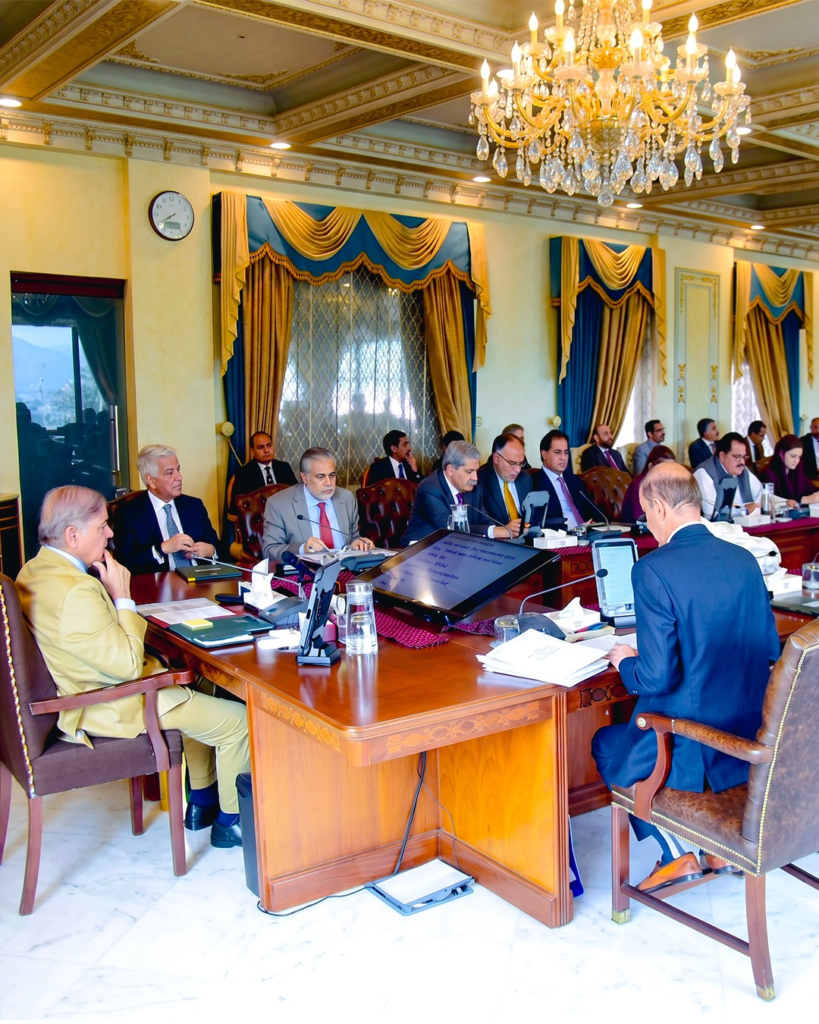
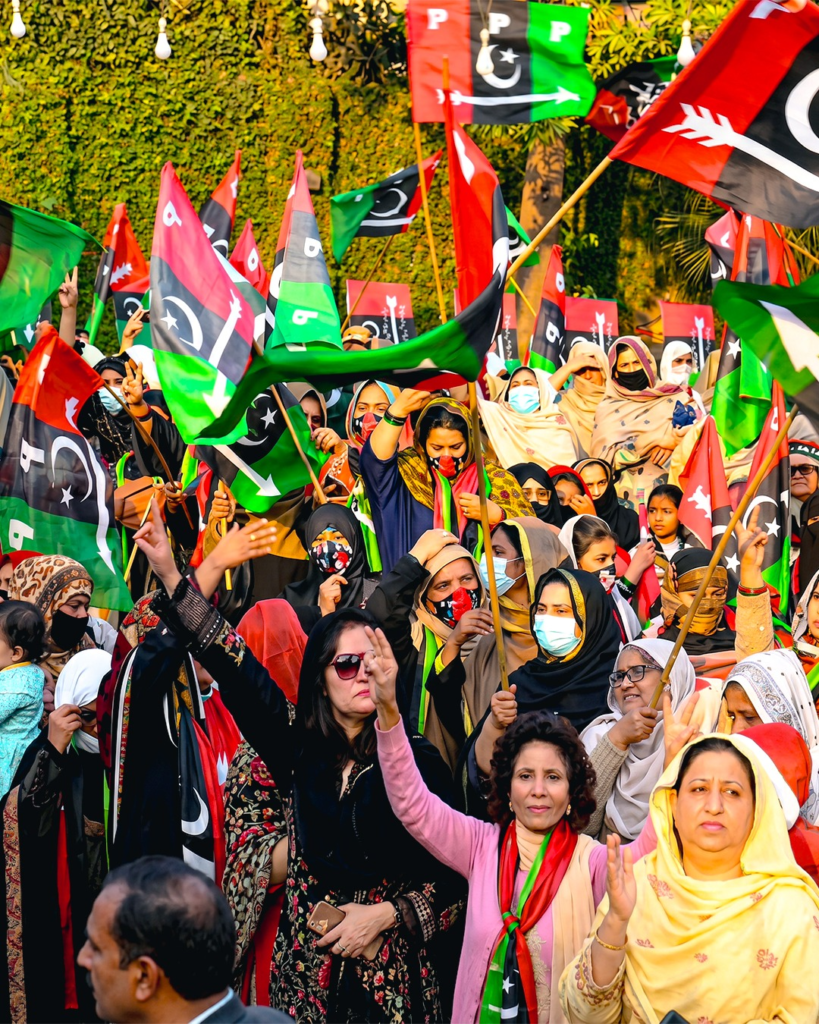
The federal budget for fiscal year 2026-27 is set to be presented in both houses of parliament today, with Finance Minister Muhammad Aurangzeb expected to unveil the government’s financial plan in the National Assembly. Although the budget speech was scheduled for 3pm, the National Assembly session had yet to begin at the time of reporting. Earlier, the federal cabinet approved the budget proposals during a meeting held at Parliament House, clearing the way for the formal presentation of the budget. PM Shehbaz Says Public Welfare Is Top Priority Ahead of the budget session, Prime Minister Shehbaz Sharif said the government’s financial plan had been prepared with “a lot of hard work and sincerity.” In a message posted on X, the premier said the welfare and prosperity of the people had been given the highest priority while formulating the budget. The prime minister also held a meeting with a delegation of the Muttahida Qaumi Movement-Pakistan (MQM-P), one of the government’s coalition partners, where both sides discussed matters related to the upcoming budget. PM Praises MQM-P’s Role During the meeting, Shehbaz Sharif described the MQM-P as an important ally of the government. He appreciated the party’s positive and constructive role in promoting economic stability, national development and the implementation of the government’s public welfare agenda. The meeting came as the ruling coalition continued consultations with allied parties ahead of the budget presentation. Bilawal to Skip Budget Session Meanwhile, the Pakistan Peoples Party (PPP), a key ally of the Pakistan Muslim League-Nawaz (PML-N)-led government, announced that its chairman Bilawal Bhutto Zardari would not attend the budget session. However, the party clarified that it was not boycotting the proceedings. In a statement posted on X, the PPP said some of its lawmakers would attend the session and that the party would continue to participate in the budget process in the national interest. The clarification came after weeks of consultations between the PPP and the federal government over issues related to the budget. PPP Lawmakers Protest Over Water Shortage Before the budget presentation, PPP lawmakers staged a protest inside the National Assembly over Sindh’s water share. Party members, including Shazia Marri, raised slogans and demanded that the province receive its due share of water. At one point, PPP members surrounded the Speaker’s dais before later returning to their seats. Holding a placard, Shazia Marri highlighted that Sindh was facing a 48 percent water shortage. The protesting lawmakers also chanted slogans calling for adequate water supplies for the province. “Give us water to drink and live,” they shouted during the protest. Budget Comes After Weeks of Coalition Consultations The budget presentation comes after several rounds of talks between the PML-N and the PPP aimed at addressing differences over fiscal matters and development priorities. Both parties eventually reached an understanding on key budget issues, allowing the coalition partners to move forward with the budget process. The Federal Budget 2026-27 is expected to outline the government’s economic priorities and measures aimed at maintaining stability while supporting growth and public welfare.

PPP Denies Budget Session Boycott, Says Bilawal Will Skip Proceedings but Party Will Participate
Pakistan

PPP Denies Budget Session Boycott, Says Bilawal Will Skip Proceedings but Party Will Participate

The Pakistan Peoples Party (PPP) on Friday dismissed reports that it had decided to boycott the federal budget session, clarifying that while Chairman Bilawal Bhutto Zardari would not attend the proceedings, the party would remain part of the budget process in the national interest. In a statement posted on X, the PPP said the party had not taken any decision to boycott the session. “Chairman Bilawal will not participate in the budget session, but some members will. Under national interest, the PPP will be part of the budget process,” the party said. Rumours of Boycott Surface Speculation about a possible boycott emerged following a meeting of the PPP parliamentary party in Islamabad. Media reports suggested that the party had decided to stay away from the budget proceedings and that Bilawal had left Parliament and returned home. However, the party later rejected the reports and reiterated its commitment to participating in the budget process. Speaking to reporters earlier, Bilawal said that the mandate of the people in the upcoming Gilgit-Baltistan elections would not be allowed to be undermined. Dar Meets Bilawal Amid Speculation Soon after reports of a possible boycott surfaced, Deputy Prime Minister and Foreign Minister Ishaq Dar visited Bilawal at his office in Parliament House. Senator Sherry Rehman and Law Minister Azam Nazeer Tarar also attended the meeting. The development came as the government prepared to present the federal budget for fiscal year 2026-27. Government Set to Present Rs17.5 Trillion Budget The government is expected to unveil a consolidated budget worth Rs17.5 trillion, equivalent to around $61 billion, for the next fiscal year. Finance Minister Muhammad Aurangzeb is scheduled to present the spending plan in the National Assembly. The budget has been prepared under the framework of the International Monetary Fund (IMF) programme and is expected to include measures aimed at increasing revenues, reducing expenditures and maintaining fiscal discipline. At the same time, the government plans to provide relief to low-income groups and approve modest salary increases for public sector employees. The spending plan comes amid economic challenges and rising regional tensions that have continued to affect global markets and fuel prices. PPP Support Remains Crucial for Coalition The National Assembly has 336 seats, although 10 are currently vacant, leaving the strength of the house at 326 members. The ruling coalition currently enjoys the support of 237 lawmakers. The Pakistan Muslim League-Nawaz (PML-N) is the largest party in the alliance with 125 members. It is followed by the Muttahida Qaumi Movement-Pakistan (MQM-P) with 22 members, the Pakistan Muslim League-Quaid (PML-Q) with five, and the Istehkam-e-Pakistan Party (IPP) with four members. The coalition also includes representatives from the Pakistan Muslim League-Zia, Balochistan Awami Party and National Party, along with four independent members. The PPP, with 74 members, remains the second-largest party supporting the government. Its backing has played a key role in enabling the coalition to secure both a simple majority and, when required, a two-thirds majority in parliament. Opposition Holds 89 Seats Meanwhile, the opposition benches comprise 89 members. These include 75 independent lawmakers, 10 members from Jamiat Ulema-e-Islam-Fazl (JUI-F), and one member each from the Sunni Ittehad Council (SIC), Majlis Wahdat-e-Muslimeen (MWM), Balochistan National Party-Mengal (BNP-M) and Pashtunkhwa Milli Awami Party (PkMAP). The budget session is expected to witness extensive debate as lawmakers review the government’s economic priorities for the coming fiscal year.

Pakistan Budget 2026-27 Delay Expected as Key Economic Meeting Gets Postponed
Breaking News, Pakistan

Pakistan Budget 2026-27 Delay Expected as Key Economic Meeting Gets Postponed

The Pakistan Budget 2026-27 is facing uncertainty after reports emerged that the crucial meeting of the National Economic Council (NEC) has been postponed. The development has triggered widespread speculation that the federal government may miss its previously expected budget presentation date of June 5. The postponement comes at a critical time when businesses, investors, taxpayers, and financial markets are closely watching the government’s fiscal plans for the upcoming year. With Pakistan continuing to navigate economic challenges, any delay in the budget process is likely to attract significant public attention. Pakistan Budget 2026-27 May Not Be Presented on June 5 According to reports, the NEC meeting, which was scheduled to be chaired by Prime Minister Shehbaz Sharif, will no longer take place as planned. The council plays a central role in reviewing and approving key economic targets, development spending priorities, and growth projections before the federal budget is formally presented. As a result, government officials are now reportedly considering alternative dates for the budget announcement. Sources indicate that the Pakistan Budget 2026-27 could now be presented on either June 8 or June 12, depending on the completion of consultations, approvals, and final policy discussions. Why the NEC Meeting Matters for Pakistan Budget 2026-27 The National Economic Council serves as one of Pakistan’s highest economic planning forums. Before the federal budget is unveiled, the council reviews important economic indicators and approves development priorities that shape government spending decisions. Without NEC approval, the budget preparation process remains incomplete. This is why the postponement has immediately raised questions about the government’s ability to maintain its original budget timeline. Economic analysts believe the delay may be linked to ongoing discussions regarding revenue targets, development expenditures, fiscal deficit management, and broader economic reforms. Growing Curiosity Among Businesses and Investors The uncertainty surrounding the Pakistan Budget 2026-27 has intensified interest across multiple sectors of the economy. Businesses are waiting to see whether the government will introduce new tax measures, incentives for industry, import policies, or relief packages aimed at stimulating economic activity. Investors are also monitoring developments closely for signals regarding fiscal discipline and economic growth strategies. Many market participants believe the budget will reveal how the government plans to balance economic growth with commitments to financial stability and international lenders. Budget Delay Sparks Political and Economic Speculation The postponement has also fueled political and economic speculation. While officials have not publicly linked the delay to any specific issue, observers suggest that additional consultations may be taking place to finalize major policy decisions. Budget announcements often serve as a roadmap for a country’s economic direction. Any delay naturally raises questions about ongoing negotiations, fiscal priorities, and government planning. At a time when inflation, economic recovery, and investment attraction remain key concerns, every development surrounding the Pakistan Budget 2026-27 is being closely scrutinized. What Happens Next? For now, all eyes remain on the federal government and the rescheduling of the National Economic Council meeting. Once the council completes its review process, the government is expected to finalize the budget document and announce a revised presentation date. Whether the budget is unveiled on June 8 or June 12, stakeholders across Pakistan will be looking for measures that support economic growth, improve investor confidence, and address the country’s fiscal challenges. The coming days are expected to be decisive as policymakers work to finalize what could become one of the most closely watched budgets in recent years.

Pakistan Set to End EV and Hybrid Tax Relief Under IMF Pressure in Budget 2026-27
Auto

Pakistan Set to End EV and Hybrid Tax Relief Under IMF Pressure in Budget 2026-27

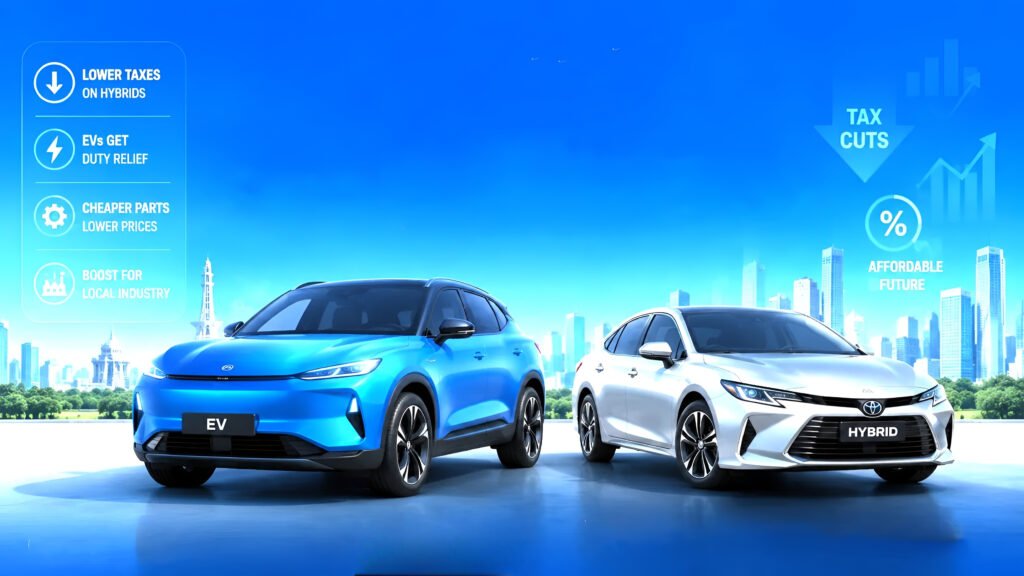
The government prepares to remove tax exemptions on electric and hybrid vehicles in the upcoming federal budget 2026-27. The International Monetary Fund rejects Pakistan’s request to maintain existing tax relief on these vehicle categories. The Ministry of Industries and Production confirms the development. Officials now move forward with plans to impose a uniform 18 percent sales tax on both electric and hybrid vehicles. The decision marks a significant policy reversal for Pakistan’s green vehicle sector. Massive Tax Jump Looms for EV and Hybrid Buyers Currently, electric vehicles carry a concessional sales tax of just 1 percent. Hybrid vehicles face a reduced rate of 8 percent. The proposed budget eliminates both concessions. The government plans to apply the standard 18 percent sales tax rate across both categories. This means electric vehicle buyers face an 1,700 percent increase in their tax rate. Hybrid vehicle buyers face a jump of more than 125 percent. Consumers and dealers react with alarm to the proposed shift. The government also eyes solar panels for a tax increase. Officials consider raising solar panel sales tax from 10 percent to 18 percent. The move signals a broader rollback of green energy incentives across multiple sectors. Prices to Rise on Imported and Local EVs Officials confirm that removing exemptions will push vehicle prices sharply higher. Both imported and locally assembled hybrid and electric vehicles will become more expensive. Importers warn that the cost increase will pass directly to consumers. Automakers currently investing in local EV assembly face fresh uncertainty. Industry representatives urge the government to reconsider the decision. They argue that the tax hike undermines years of policy work to promote cleaner transportation in Pakistan. The timing raises concerns within the industry. Pakistan’s EV market remains in an early growth phase. High prices already limit adoption among middle-income buyers. A jump to 18 percent sales tax threatens to stall that growth completely. EV Imports Show Steady Demand Despite Rising Costs Import data reveals strong consumer interest in electric and hybrid vehicles despite existing cost pressures. Pakistan imported approximately 45,000 electric and hybrid vehicles in the previous fiscal year. Current fiscal year estimates project around 40,000 units as costs rise and policy uncertainty grows. Between July and April of the current fiscal year alone, Pakistan imported nearly 38,000 vehicles. The figures demonstrate that demand remains resilient even under challenging conditions. Industry analysts warn that the proposed 18 percent sales tax could significantly dent these numbers. Higher upfront costs may push buyers back toward conventional petrol and diesel vehicles. This outcome would contradict Pakistan’s stated goals of reducing fuel imports and cutting vehicle emissions. The government faces pressure from multiple sides as budget discussions intensify in the coming weeks.

Scroll to Top