energy crisis Pakistan

Electricity Generation Improves Amid Local Gas Supply, Reports Power Division
Editor pick, Pakistan

Electricity Generation Improves Amid Local Gas Supply, Reports Power Division

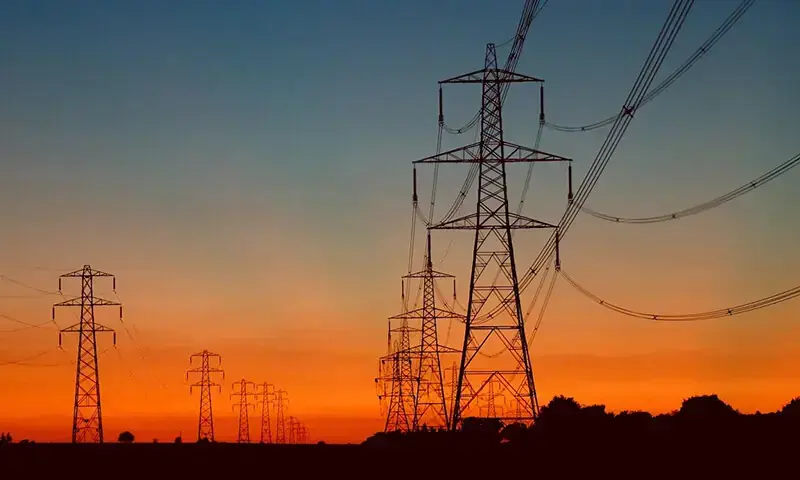
The Power Division (PD) said electricity generation has improved across the country due to the increased supply of local gas to power plants. The development has helped stabilise the national grid and reduce pressure during peak demand hours. In an official press release, the division stated that power generation conditions showed noticeable improvement on Tuesday night. Authorities managed to maintain a more balanced supply despite ongoing energy challenges. Hydropower Plays Key Role in Supply Boost Officials confirmed that hydropower generation remained strong during peak hours. Around 6,000 megawatts of electricity was generated from hydropower sources during the night. Pakistan’s total installed hydropower capacity stands at 11,500 megawatts. The spokesperson said that hydropower output, combined with local gas availability, significantly increased overall electricity generation. This combination helped improve system reliability and reduce stress on the grid. Improved Transmission from Southern Region The Power Division highlighted improved transmission from the southern region of the country. Stability in the grid allowed authorities to supply additional electricity to central areas. According to the spokesperson, around 500 megawatts of electricity was transmitted from the southern part of Pakistan. This improved flow helped authorities add an extra 100 megawatts to the central system. Officials said the enhanced coordination between regions played a critical role in managing supply and demand during peak hours. Load Management Reduced Due to Lower Demand Electricity distribution companies carried out limited load management during peak hours. The outages ranged from 25 minutes to one hour in different areas. However, officials confirmed that no load management took place after 8pm. Weather conditions led to a drop in electricity demand, allowing uninterrupted supply during late hours. The division clarified that economic load management continues on high-loss feeders. Officials stressed that this policy remains separate from peak-hour load management. LNG Shortage Continues to Affect Power Generation Despite improvements, the Power Division acknowledged ongoing challenges due to the shortage of liquefied natural gas. Around 5,000 megawatts of generation capacity remains idle because LNG is not available. Global market conditions have limited LNG supply, affecting several power plants that depend on imported fuel. This shortfall continues to impact overall generation capacity. Officials said that restoring LNG supply will play a crucial role in eliminating electricity shortages. Government Expects Further Improvement The Power Division expressed optimism about future improvements. It stated that increased water releases for hydropower generation will further boost electricity supply. Authorities also expect better LNG availability in the coming weeks. This combination could eliminate nighttime power shortages entirely. The division said it is closely monitoring the situation. It aims to ensure consistent electricity supply across the country while managing demand effectively. Officials added that ongoing efforts focus on improving grid stability and reducing reliance on expensive fuel sources. These measures aim to provide long-term relief to consumers facing energy challenges.
Pakistan Turns to Global Market for LNG
Breaking News, Pakistan

Pakistan Turns to Global Market for LNG

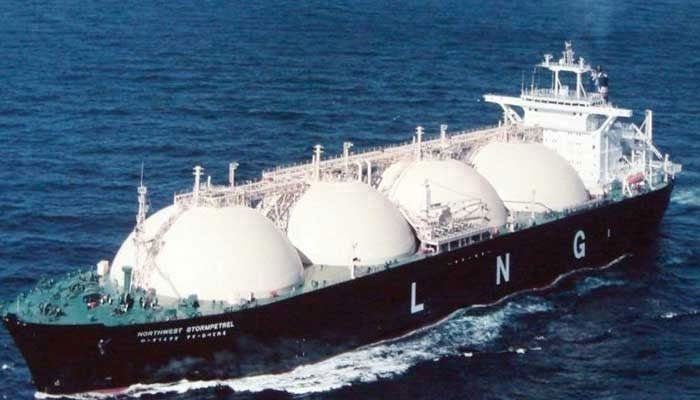
Pakistan has stepped up efforts to secure liquefied natural gas as energy pressures continue to mount. Pakistan LNG Limited has issued a fresh tender to purchase liquefied natural gas (LNG) cargoes from the international market. Read More: https://theboardroompk.com/kenya-rice-export-meeting-reap-members-discuss-export-hurdles-and-ways-to-enhance-trade/ PLL seeks three LNG cargoes According to an official advertisement, the company has invited bids from global suppliers for three LNG cargoes. Each cargo will carry around 140,000 cubic metres of gas. Authorities want delivery on a delivered-ex-ship basis at Port Qasim. PLL has specified clear delivery windows. The first shipment should arrive between April 27 and 30. The second cargo should reach between May 1 and 7. The third delivery is expected from May 8 to 14. The tender will close on April 24, leaving a short timeframe for bids. Energy shortage drives urgent move Officials say the tender reflects growing urgency in Pakistan’s energy sector. The country continues to face a gap between demand and supply. LNG imports play a crucial role in filling this gap. Pakistan depends heavily on gas to generate electricity and run industries. However, domestic gas production continues to decline. This trend has increased reliance on imported LNG. Authorities aim to secure spot cargoes quickly to stabilize supply. Without immediate imports, the risk of prolonged power outages remains high. Government entity leads procurement PLL operates as a public sector company under the Ministry of Energy. It functions as a subsidiary of Government Holdings Private Limited. The company manages the entire LNG supply chain from procurement to delivery. Officials say PLL handles importing, storing, transporting, and distributing LNG across Pakistan. It also ensures supply to end users, including power plants and industries. This centralized role makes PLL a key player in maintaining energy stability. Any disruption in its procurement process can impact the entire system. Azerbaijan offers LNG support In a positive development, SOCAR has expressed readiness to supply LNG to Pakistan. Company officials said they can provide cargoes as soon as Islamabad places a request. SOCAR highlighted a framework agreement signed in 2025. This agreement allows Pakistan to purchase LNG cargoes under a faster process. Officials believe this arrangement can help reduce delays in procurement. Pakistan may consider this option to secure immediate supplies. Quick deals could help bridge the current shortfall. Global factors add pressure Pakistan’s LNG challenges also link to global market conditions. The country faces price volatility due to international supply disruptions. The ongoing impact of the Ukraine war continues to influence LNG availability and costs. Fluctuating prices make it difficult for Pakistan to secure affordable cargoes. At the same time, competition from other buyers adds further pressure. These factors have forced authorities to explore multiple supply options. The current tender reflects this broader strategy. Load shedding continues amid shortages Energy shortages have already started affecting consumers. Sardar Awais Ahmad Khan Leghari recently confirmed that load shedding will continue during peak hours. He said LNG supply remains disrupted due to a force majeure declared by Qatar. This situation has reduced available gas for power generation. The country currently faces a shortfall of around 3,400 megawatts. Lower hydropower generation has worsened the crisis. Reduced rainfall and irrigation demand have limited water releases from reservoirs. Government explores alternative measures Authorities have started using furnace oil to manage electricity demand. They have also delayed maintenance of nuclear plants to keep power generation stable. Officials say these measures offer temporary relief. However, long-term stability depends on consistent LNG supply. The government continues to work on multiple fronts to address the crisis. Securing LNG cargoes remains a top priority. Critical weeks ahead for energy sector The coming weeks will prove crucial for Pakistan’s energy outlook. Successful bids in the current tender can ease immediate pressure. Delays or high prices could deepen the crisis. Authorities remain under pressure to act quickly. Consumers and industries continue to face uncertainty as demand rises.

Gas Loadshedding Crisis Deepens as Supply Shortfall Crosses 1,000 MMCFD
Breaking News, Pakistan

Gas Loadshedding Crisis Deepens as Supply Shortfall Crosses 1,000 MMCFD

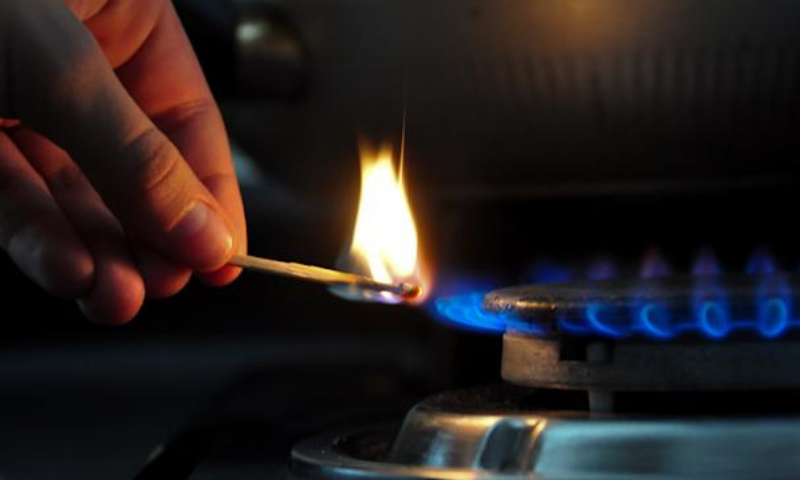
The gas loadshedding crisis in Pakistan has intensified sharply as consumers across multiple cities report prolonged outages and dangerously low pressure. Households struggle to cook meals, while daily routines face severe disruption due to inconsistent gas supply. Read More: https://theboardroompk.com/pakistan-navy-missile-test-stuns-region-with-precision-strike-capability/ Citizens expressed frustration over the worsening situation. Many described their daily life as unbearable due to repeated interruptions in gas availability. Complaints have surged in recent days, reflecting a growing public outcry against the ongoing energy crisis. Supply Shortfall Crosses Critical Level According to sources, the supply gap faced by Sui Northern Gas Pipelines Limited has now exceeded 1,000 million cubic feet per day (MMCFD). This significant shortfall has directly contributed to widespread gas loadshedding across major urban and semi-urban areas. Officials confirmed that the situation worsened after the suspension of liquefied natural gas imports. The disruption stems from escalating tensions and instability in the Middle East, which has affected global energy supply chains. The halt in LNG shipments has placed additional pressure on Pakistan’s already strained gas distribution system. As a result, authorities have struggled to maintain consistent supply levels. Major Cities Face Severe Disruptions The impact of the gas loadshedding crisis has been particularly severe in Lahore, where residents face extreme difficulties in meeting basic household needs. Cooking meals has become a daily challenge, especially during peak hours. Other cities have also reported worsening conditions. Areas such as Sheikhupura, Nankana Sahib, Sargodha, Okara, and Kasur continue to face prolonged gas outages. Residents in densely populated neighborhoods are experiencing the worst conditions. Low pressure during peak cooking hours has made it nearly impossible for families to prepare meals on time. Shiva Gas Field Closure Worsens Situation The crisis has further deepened due to the closure of the Shiva Gas Field. This field typically contributes around 70 MMCFD of gas to the national system. Its shutdown has removed a critical supply source at a time when demand remains high. Experts believe that even a temporary disruption in local production can significantly impact the overall gas balance in the country. Combined with the LNG supply halt, the closure has created a double blow to the energy sector. Authorities now face mounting pressure to restore both domestic production and import flows. Consumers Demand Immediate Action Frustrated consumers have urged the government and relevant departments to take urgent steps to resolve the gas loadshedding crisis. Many believe that poor planning and lack of contingency measures have contributed to the current situation. Citizens have called for transparent communication from authorities regarding supply schedules and expected improvements. They also demand long-term solutions to prevent recurring crises, especially during periods of high demand. Public anger continues to grow as the situation shows little sign of immediate improvement. The lack of reliable gas supply has affected not only households but also small businesses that depend on it for daily operations. Energy Crisis Linked to Global Tensions Experts point to the broader geopolitical situation as a key factor behind the worsening crisis. The conflict in the Middle East has disrupted energy markets and supply routes, affecting countries that rely on imported LNG. Pakistan’s dependence on external energy sources makes it vulnerable to such global shocks. The current gas loadshedding crisis highlights the need for diversification in energy resources and stronger domestic production capabilities. Urgent Need for Sustainable Solutions The ongoing crisis underscores the importance of long-term energy planning. Authorities must invest in alternative energy sources and improve infrastructure to ensure consistent supply. Short-term measures may provide temporary relief. However, experts stress that structural reforms are essential to prevent similar crises in the future. As winter demand patterns and global uncertainties continue to evolve, the government faces a critical challenge. Ensuring energy security remains vital for economic stability and public welfare.

Scroll to Top