
Nestlé Pakistan Budget 2026 Consultation: Major Tax Reforms and Business Ease in Focus
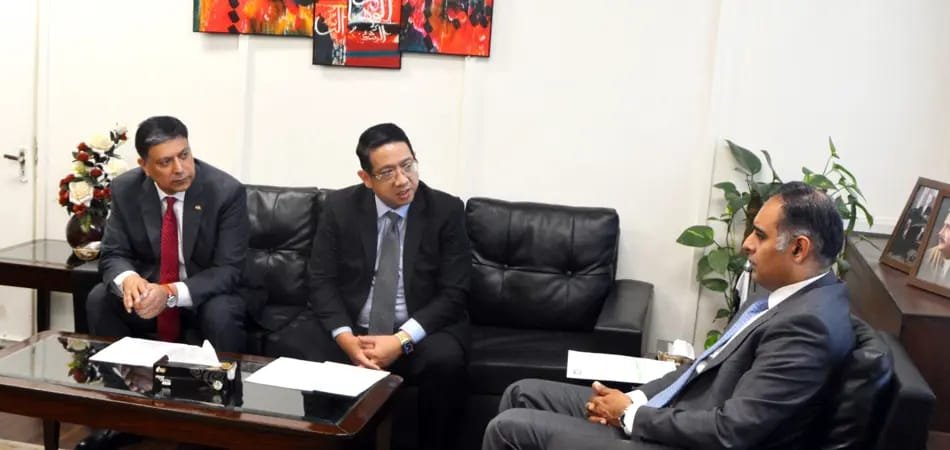
Nestlé Pakistan Budget 2026 Consultation has emerged as a crucial development ahead of the Federal Budget FY 2026–27, signaling potential shifts in taxation policies and business regulations that could reshape Pakistan’s consumer goods sector. The federal government, led by the Ministry of Finance, held high-level discussions with Nestlé Pakistan, one of the country’s largest multinational food companies. The meeting, chaired by Minister of State for Finance and Revenue Bilal Azhar Kayani, reflects Islamabad’s growing focus on engaging industry leaders before finalizing fiscal policies. Nestlé Pakistan Budget 2026 Consultation Focuses on Tax Reforms At the heart of the Nestlé Pakistan Budget 2026 Consultation were critical issues surrounding taxation. Government officials and corporate representatives exchanged views on how Pakistan’s tax framework can be made more efficient, transparent, and business-friendly. Nestlé Pakistan highlighted key concerns, including complex tax structures and compliance challenges that impact operational efficiency. The company also emphasized the need for simplified tax administration to encourage documentation and reduce the informal economy. In explanatory terms, the discussion revolved around three major tax-related areas: • Improving tax compliance by simplifying procedures for businesses• Enhancing pricing transparency to ensure fair competition• Reforming tax policies to align with global best practices These measures, if implemented, could not only benefit multinational corporations but also uplift local businesses struggling with regulatory complexities. Pricing Transparency and Consumer Impact in Spotlight Another major highlight of the Nestlé Pakistan Budget 2026 Consultation was the discussion on pricing transparency. With rising inflation affecting consumer purchasing power, pricing mechanisms in the fast-moving consumer goods sector have come under increased scrutiny. Nestlé representatives stressed that clear and transparent pricing policies can help build consumer trust while ensuring fair market competition. Government officials acknowledged that better price regulation could directly influence consumer welfare, especially in essential food categories. The dialogue effectively linked corporate pricing strategies with everyday economic realities, showing how fiscal decisions can ripple through to household budgets. Ease of Doing Business Gains Momentum The Nestlé Pakistan Budget 2026 Consultation also placed strong emphasis on improving the ease of doing business in Pakistan. Industry leaders called for regulatory reforms that reduce bureaucratic hurdles and promote a more investor-friendly environment. Key recommendations included: • Streamlining approval processes for businesses• Reducing redundant regulatory requirements• Digitizing tax and compliance systems In simple terms, businesses are seeking faster processes, fewer delays, and clearer rules. Such reforms could make Pakistan more attractive for both domestic and foreign investment, boosting economic growth. Government Signals Inclusive Budget Strategy Minister Bilal Azhar Kayani welcomed the input from Nestlé Pakistan and reaffirmed the government’s commitment to a consultative budget-making process. He assured that the proposals shared during the Nestlé Pakistan Budget 2026 Consultation would be carefully evaluated in line with national economic priorities. This approach reflects a broader shift towards collaboration between policymakers and the private sector. By incorporating industry feedback, the government aims to design policies that are both practical and growth-oriented. Why Nestlé Pakistan Budget 2026 Consultation Matters The significance of the Nestlé Pakistan Budget 2026 Consultation extends beyond a single meeting. It represents a strategic effort to bridge the gap between policy and practice. In explanatory terms, the consultation highlights: • The government’s intent to modernize Pakistan’s tax system• The private sector’s demand for transparency and efficiency• The shared goal of long-term economic stability As Pakistan prepares to unveil its FY 2026–27 budget, such engagements could play a decisive role in shaping policies that impact millions of businesses and consumers alike. The Road Ahead for Pakistan’s Economy The Nestlé Pakistan Budget 2026 Consultation underscores a critical moment for Pakistan’s economic planning. With inflation pressures, fiscal challenges, and global uncertainties, the upcoming budget is expected to balance revenue generation with economic growth. Continued dialogue between the government and industry leaders will be essential to ensure that reforms are both effective and sustainable. If executed well, the outcomes of such consultations could mark a turning point in Pakistan’s journey toward a more transparent, business-friendly economy.